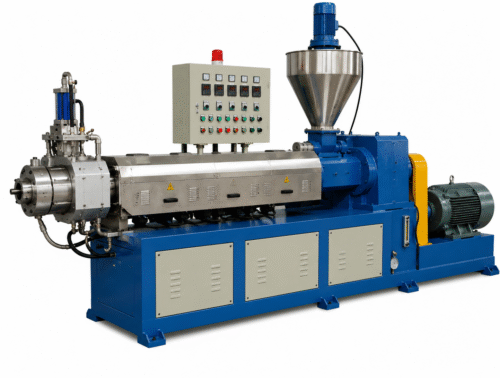
 Rubber Hot Feed Extruder
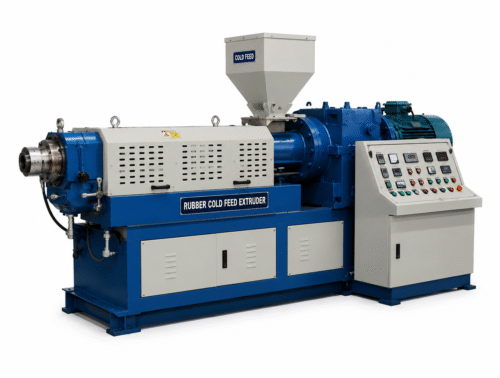 Rubber Cold Feed Extruder
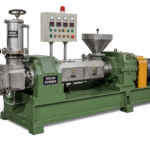 Rubber Strainer – Reclaim Extruder
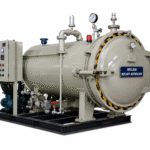 Reclaim Rotary Autoclave
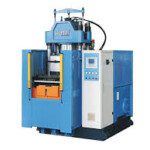 Compression Molding
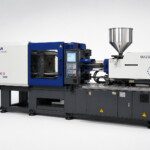 Injection Molding
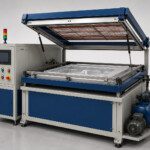 Vacuum Molding
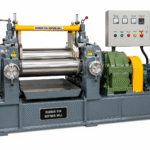 Rubber EVA Refiner Mill
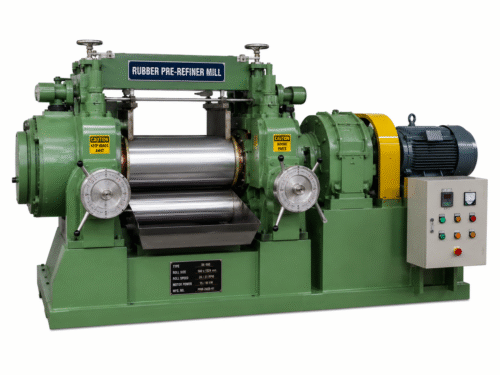 Rubber Pre-Refiner Mill
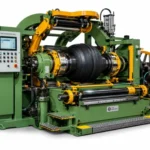
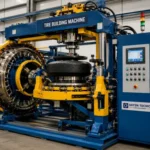 Tire Building Machine
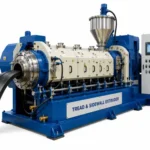 Tread & sidewall Extruder
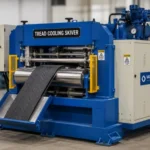 Tread Cooling skiver
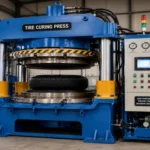 Tire curing press
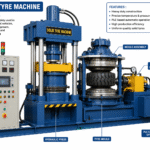
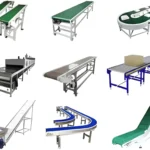
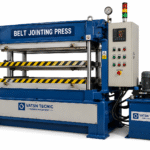 BELT JOINTING PRESS
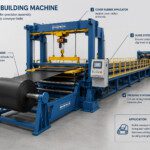 Belt Building Machine
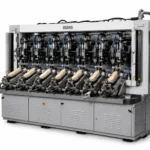
 Eva Footwear Injection Molding Machines
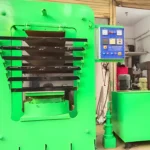 Hawaii Slipper Sole Sheet Machine
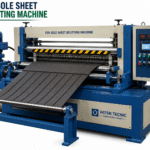 Eva Sole Sheet Splitting
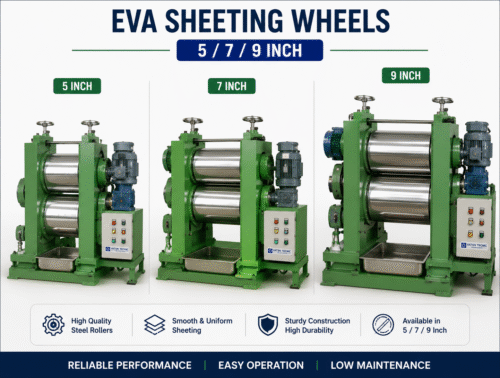 Eva Sheeting Wheels 5/7/9
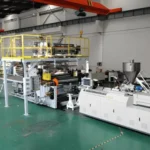 PVC Flooring Machine
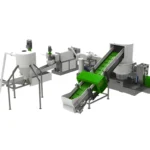 Plastic Pelletizing Line
 Filler / Masterbatch / PVC / TPR / EVA
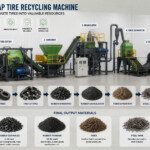
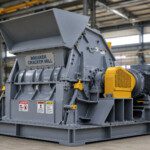 Breaker – Cracker Mill
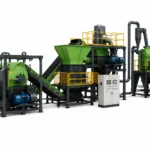 Shredder – Rasper Machines
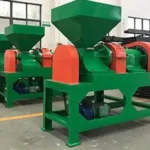 Waste Rubber Crumb Grinder Mill
Trusted Rubber Dispersion Kneader in Patna: Plan the Batch Cycle

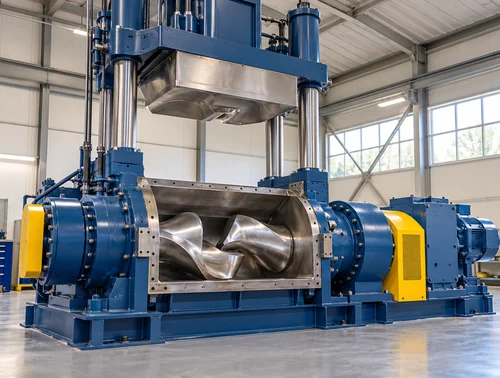
Quick answer: A rubber dispersion kneader in Patna is judged by its cycle, not its motor. Time the fill, the mix, the ram sequence and the discharge before you buy — if the cycle is longer than your batch plan allows, the machine will cost you a shift every week.
Every kneader looks similar from the outside. What differs is how quickly and consistently it turns raw material into a discharged batch. Buyers testing a rubber dispersion kneader in Patna should watch a full cycle and write down each stage, because the total is what sets your production capacity.
This guide explains how to break the cycle down, what to compare between machines, and which stages you can improve after purchase.
Breaking the cycle into stages
A kneader cycle has four distinct parts: charging, mixing, ram movement and discharge. Each has its own limit. If you only measure total time, you cannot tell which stage is slow, and you cannot tell whether the machine or the operator is responsible.
Charging
How is compound fed — by hand, by conveyor, by a weighing system? Manual charging is slower and less consistent, and it ties up an operator for the whole shift. Time it during the trial, because the difference between manual and automated charging is often a minute or more per batch.
Mixing and ram sequence
The ram pushes material into the rotors, rises, and presses again. The sequence and the pressure decide how quickly dispersion is achieved. Ask whether the ram pressure is adjustable and whether the sequence is fixed or recipe-controlled.
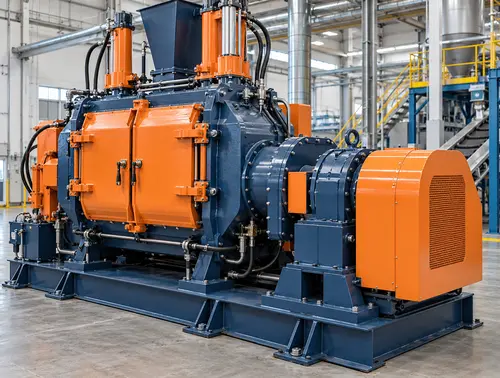
Comparing charging methods
| Method | Strength | Limitation | Effect on cycle |
|---|---|---|---|
| Manual charging | Low cost, flexible | Operator-dependent, slower | Adds time, reduces repeatability |
| Conveyor feeding | Steady rate, less handling | Needs space and a controlled feed | Consistent, faster than manual |
| Weighing and dosing | Accurate, repeatable | Higher capital cost | Shortest, most consistent cycle |
What limits the cycle
Temperature is usually the binding constraint. The rotors shear the compound and generate heat, and the batch has to be discharged before it scorches. A machine with poor cooling runs longer cycles because it must be slowed or paused. That is why cooling capacity belongs in the cycle discussion, not in a separate conversation.
| Limiting factor | How it shows up | Can you fix it later? |
|---|---|---|
| Cooling capacity | Batch temperature rises too fast | Partly — depends on the circuit design |
| Ram pressure | Slow ingestion of filler | Often yes, by adjustment |
| Discharge door | Slow or incomplete emptying | Yes, with maintenance |
| Operator method | Inconsistent timing between shifts | Yes, with training |
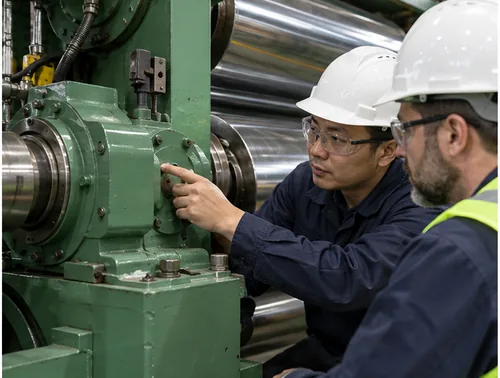
Running a cycle trial
Ask to see a full cycle with a compound close to your own. Time each stage, record the discharge temperature, and note how the operator judges completion — by time, by temperature or by feel. If the answer is “by feel”, the cycle will vary between shifts.
Run at least three cycles and compare them. Consistency matters more than the fastest single batch, because your planning depends on the average, not the best case.
What to settle before buying
Confirm the batch size the machine is designed for, the cooling water requirement, and whether the discharge door and seals have been replaced. A machine with a slow door and worn seals will lose time on every batch, and the cost is invisible in a quotation.
Our notes on rotor and chamber wear and ram seals and guides cover the mechanical checks that affect cycle time.
Recording the cycle for planning
Keep a simple log for the first month: batch number, charge time, mix time, discharge temperature and any interruption. After twenty batches you will know the real average, and that number — not the supplier’s figure — is what your production plan should use.
Use the log to identify the stage that varies most. If charging varies, the problem is the feed method. If discharge temperature varies, the problem is cooling or compound. If everything varies together, the operator method needs standardising.
Compare the first and last batch of a shift as well as the average. A cycle that drifts as the machine warms tells you the cooling circuit is marginal, which is a different problem from a slow operator.
Planning a kneader purchase? Vatsn Tecnic supplies new, used and refurbished rubber processing machinery. Share your batch size and compound type, and we will help you compare cycle times rather than headline capacity.
To read More about Rubber Making Machine Visit Here:
https://www.indiamart.com/vatsntecnic/profile.html
Frequently asked questions
How long should a kneader cycle take?
It depends on the compound, the batch size and the machine. What matters is the cycle your product needs and whether the machine delivers it consistently, not a generic figure.
Does a bigger kneader mean faster production?
Not necessarily. A larger batch takes longer to mix and cool. Match the batch size to your demand rather than buying the largest machine available.
Can manual charging be automated later?
Usually yes, with a conveyor or a weighing system. Leave space for it when planning the layout.
Why does discharge temperature matter?
It limits how long the batch can be mixed. If the temperature rises too quickly, the cycle has to be shortened and dispersion suffers.
What causes batch-to-batch variation?
Operator judgement, inconsistent charging, temperature drift and ram pressure variation. Timing each stage is the first step to controlling it.
Should I buy a used kneader with a slow door?
Only if you price in the repair. A slow or leaking door adds time to every batch and damages the seal seat over time.
What utilities does a kneader need?
Power for the drive, cooling water at a stable temperature, and compressed air for the ram and door. Confirm all three before installation.
How do I verify capacity?
By running batches of your compound and weighing the output, not by reading a catalogue figure. Listed capacity is a design value, not a guarantee.