

 Rubber Hot Feed Extruder
 Rubber Cold Feed Extruder
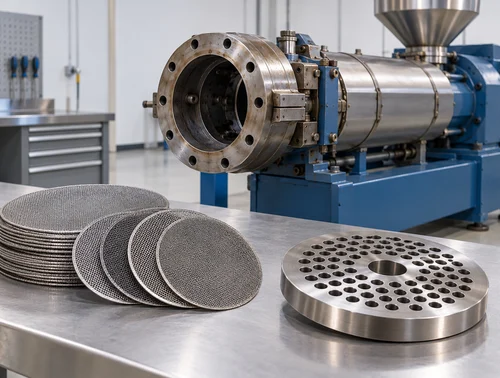
 Rubber Strainer – Reclaim Extruder
 Reclaim Rotary Autoclave
 Compression Molding
 Injection Molding
 Vacuum Molding
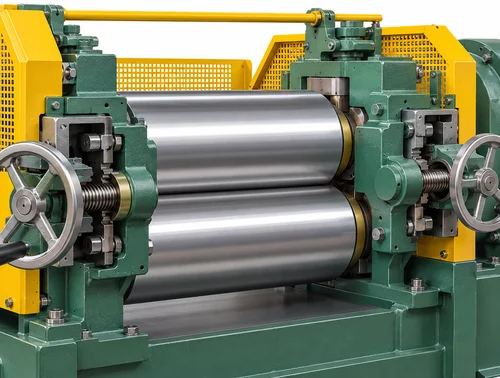
 Rubber EVA Refiner Mill
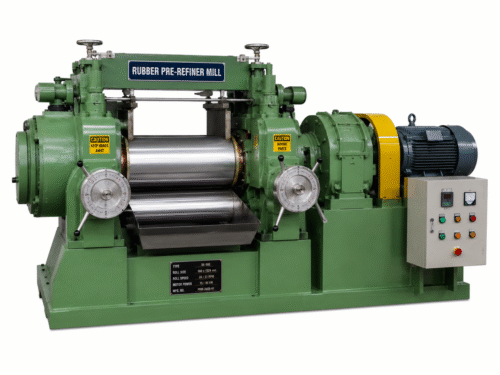 Rubber Pre-Refiner Mill
 Tire Building Machine
 Tread & sidewall Extruder
 Tread Cooling skiver
 Tire curing press
 BELT JOINTING PRESS
 Belt Building Machine
 Eva Footwear Injection Molding Machines
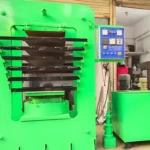 Hawaii Slipper Sole Sheet Machine
 Eva Sole Sheet Splitting
 Eva Sheeting Wheels 5/7/9
 PVC Flooring Machine
 Plastic Pelletizing Line
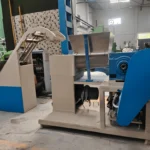 Filler / Masterbatch / PVC / TPR / EVA
 Breaker – Cracker Mill
 Shredder – Rasper Machines
 Waste Rubber Crumb Grinder Mill
Explore Rubber Dispersion Kneader in Noida: Check Ram Seals and Guides

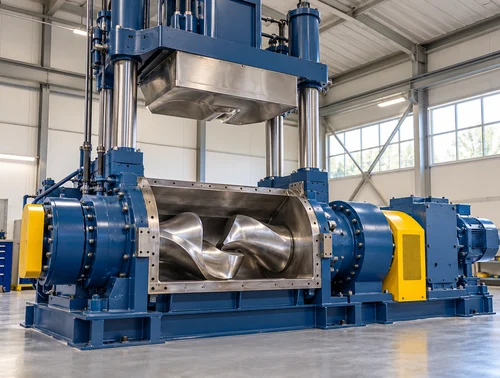
A rubber dispersion kneader in Noida should be evaluated with evidence of the ram’s movement, guiding arrangement and sealing condition, not just a brief mixing demonstration. Ask a competent technician to identify the actual actuation system, inspect accessible components safely and document unresolved leaks or movement issues before you agree the purchase scope.
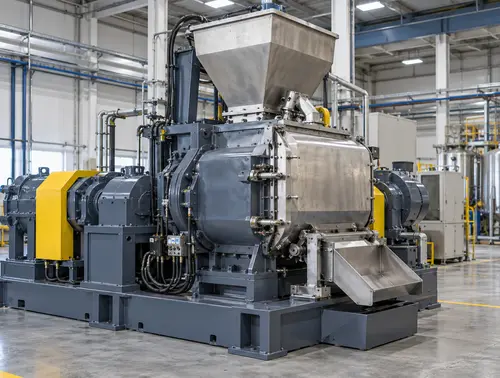
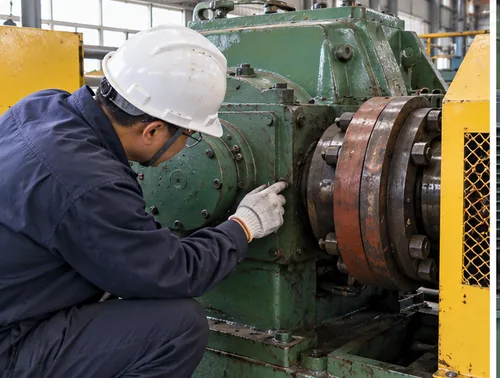
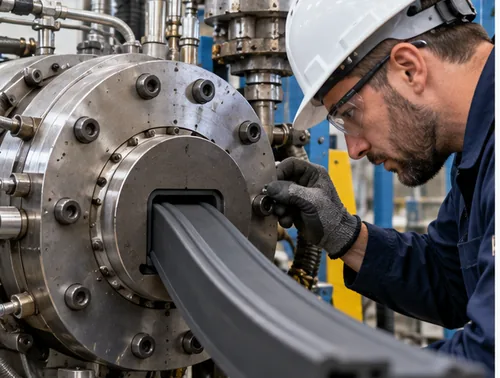
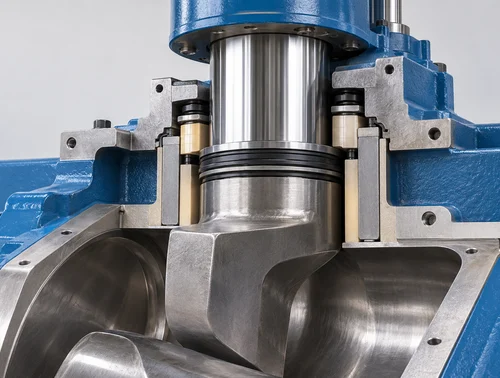
Images are generated illustrations of inspection themes. They do not show a specific machine offered for sale or prove its condition, configuration or availability.
Understand what the ram inspection can establish
The ram acts on the material in the mixing chamber, but its detailed design varies between machines. Its actuator, guides, seals and controls must be identified from the offered machine and its documents. Do not assume a pneumatic or hydraulic arrangement from the product name. The supplier should explain the configuration before a trial is planned.
This inspection asks whether movement and sealing evidence support the proposed handover. It does not prove dispersion quality, batch capacity or suitability for every compound. Those questions require an agreed process trial and separate acceptance criteria. Keeping the inspection narrow makes it easier to see which evidence is genuinely missing.
Inspect a Rubber Dispersion Kneader in Noida with identified records
Ask for the machine identity, available drawings and a record of work on the ram assembly. A statement that seals were changed should identify what was changed and how the result was checked. If records are unavailable, record that limitation and agree an inspection method rather than treating refurbishment language as proof.
Have the responsible technician show where guides, accessible seals and actuation connections are located. Inspection access must follow the machine’s isolation instructions, including control of stored energy and support of moving parts where required. Buyers should not improvise access under a raised ram or remove guards to obtain a better photograph.
Choose evidence that answers the actual concern
Use the first comparison to decide what each offered item can establish. Combining documents with a controlled observation is usually more informative than relying on a single photograph.
| Evidence | Advantage | Limitation |
|---|---|---|
| Exterior photograph | Identifies accessible arrangement | Cannot establish internal sealing condition |
| Seal-replacement record | Shows claimed repair scope | Needs identification and verification |
| Controlled movement record | Captures observable behaviour | Does not diagnose every possible cause |
Agree a movement observation with the technician
Before observing the rubber dispersion kneader in Noida, define the permitted sequence, observation positions and stop conditions. The competent technician should decide how movement is checked safely and whether unloaded observation is appropriate. Record hesitation, uneven movement, visible leakage or abnormal contact as observations, not as a remote diagnosis.
The supplier should explain any symptom using machine-specific evidence. Repeating a cycle until the symptom disappears does not close the issue. Ask what investigation was performed, whether corrective work is required and how the repaired assembly will be verified. Keep records of the initial observation as well as the final outcome.
Separate seals, guides and control behaviour
A visible leak may concern sealing, connections or another part of the actuation circuit. Irregular movement may involve guiding, control or mechanical factors. These possibilities need qualified investigation. Procurement should avoid specifying a replacement part solely from a short video, especially where the machine has been modified.
Request an itemised finding for each concern: observation, proposed cause, supporting evidence, corrective action and verification method. This format helps distinguish a confirmed repair need from a question that still requires access or testing. It also gives the receiving maintenance team a useful history after delivery.

Put ram-related work into the commercial scope
The quotation should say whether inspection, component replacement, verification and commissioning checks are included. If a supplier offers a seal kit or spare guide component, ask for identification and compatibility evidence. Do not assume the spare fits because it came with the machine.
Agree responsibility for any work that cannot be completed before shipment. A deferred check may be reasonable when access is restricted, but its consequence should be explicit. Specify who performs it, what documents are needed and how acceptance is handled if the result remains unresolved. Avoid open-ended phrases such as complete servicing without a work list.
| Finding | Commercial decision | Required clarification |
|---|---|---|
| Visible leakage | Define investigation and repair scope | Source and verification method |
| Unclear guide condition | Arrange competent assessment | Access and inspection responsibility |
| Movement concern | Keep acceptance item open | Evidence supporting corrective action |
| Missing documents | Agree reconstruction or exclusion | How receiving staff will maintain the assembly |
Prepare the receiving team’s evidence file
Retain identified photographs, the movement observation record, the repair list and the agreed exclusions. On arrival, compare accessible components and transport condition with that file before commissioning. A transport inspection is separate from an operating assessment; neither should silently replace the other.
For a rubber dispersion kneader in Noida, this file should also link ram findings to the process trial. If a later trial behaves differently, the team can review the earlier observations instead of relying on recollection. Share the unresolved-action list with maintenance and production, with one owner assigned to each item.
Related reading and credible reference
The usable batch-size guide addresses process suitability, while the kneader cooling-circuit guide covers another system. Read them alongside this focused ram inspection.
The HSE machinery maintenance guidance explains general planning and isolation considerations. Follow the actual machine instructions and applicable local requirements; this reference does not certify an offered kneader.
Ask for a defined inspection offer
Send Vatsn Tecnic the intended application, known inspection concerns and the evidence your team requires. Ask for available ram records and a written inspection scope. Confirm the offered machine, included work and open findings before accepting a general claim about condition.
To read More about Rubber Making Machine Visit Here:
https://www.indiamart.com/vatsntecnic/profile.html
Buyer FAQs
Does a smooth cycle prove the ram assembly is sound?
It is useful evidence, but seals, guides and controls may need additional inspection appropriate to the actual machine.
Can a buyer inspect beneath a raised ram?
Only under a competent, machine-specific safe procedure addressing isolation and stored energy; do not improvise access.
Are all kneader rams operated the same way?
No. Identify the offered machine’s arrangement and use its documents rather than assuming a particular actuator.
Is a new seal kit enough evidence?
No. Confirm compatibility, installation scope and the method used to verify the completed work.
What should a leakage report include?
Record the observed location, investigation, confirmed findings, proposed work and verification responsibility.
Can a video replace an onsite inspection?
A video can support screening, but it may omit access and detail needed for a competent assessment.
Does ram inspection establish compound quality?
No. Compound suitability and dispersion require separate process-trial evidence and agreed acceptance criteria.
What should be in the enquiry?
Include your application, inspection concerns, document needs and the work you expect included in the written offer.