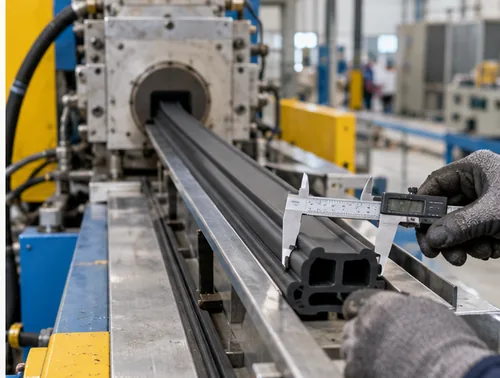
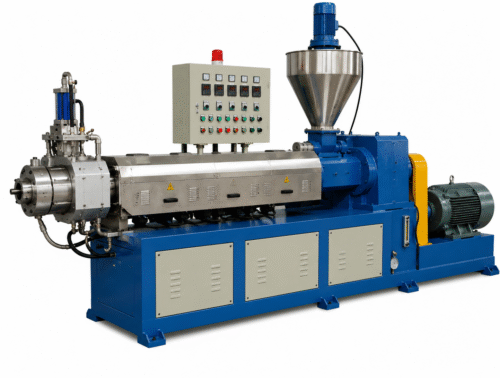
 Rubber Hot Feed Extruder
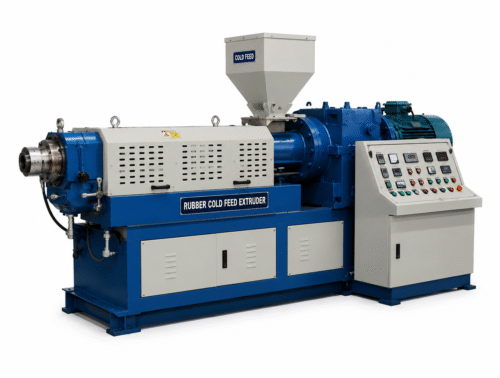 Rubber Cold Feed Extruder
 Rubber Strainer – Reclaim Extruder
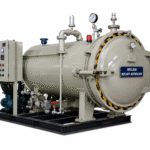 Reclaim Rotary Autoclave
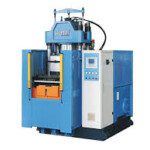 Compression Molding
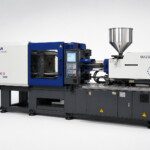 Injection Molding
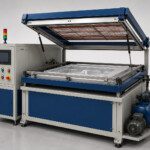 Vacuum Molding
 Rubber EVA Refiner Mill
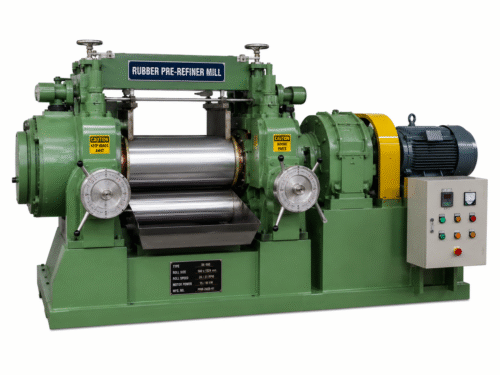 Rubber Pre-Refiner Mill
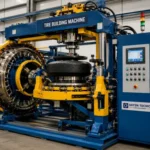 Tire Building Machine
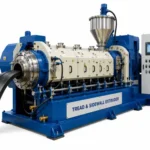 Tread & sidewall Extruder
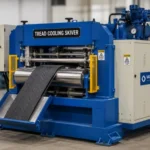 Tread Cooling skiver
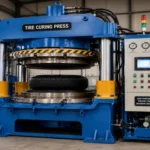 Tire curing press
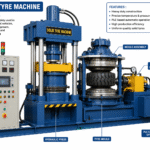
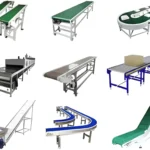
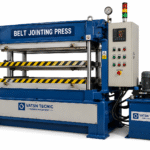 BELT JOINTING PRESS
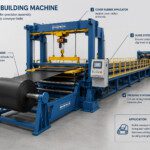 Belt Building Machine
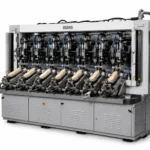
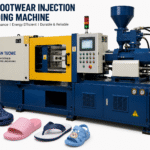 Eva Footwear Injection Molding Machines
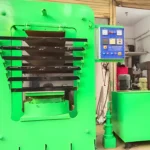 Hawaii Slipper Sole Sheet Machine
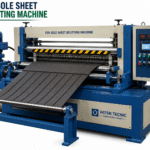 Eva Sole Sheet Splitting
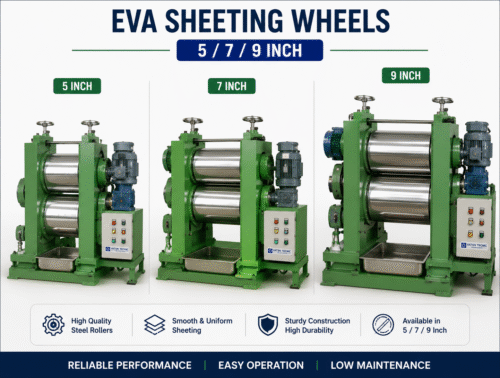 Eva Sheeting Wheels 5/7/9
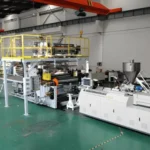 PVC Flooring Machine
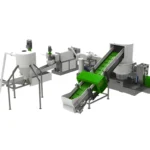 Plastic Pelletizing Line
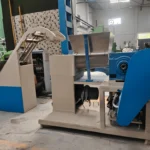 Filler / Masterbatch / PVC / TPR / EVA
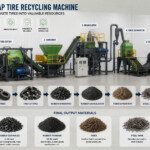
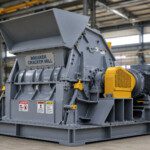 Breaker – Cracker Mill
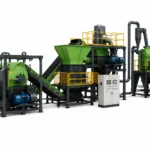 Shredder – Rasper Machines
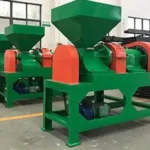 Waste Rubber Crumb Grinder Mill
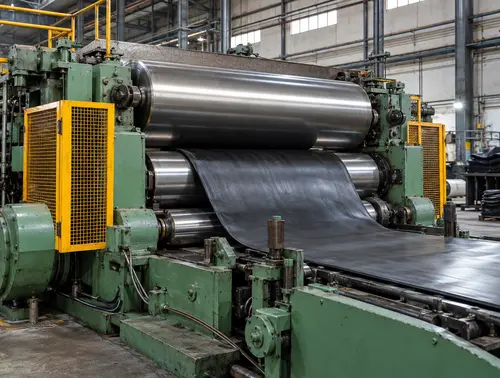
Source Rubber Calendar Machine in Taichung: Plan the Roll Change

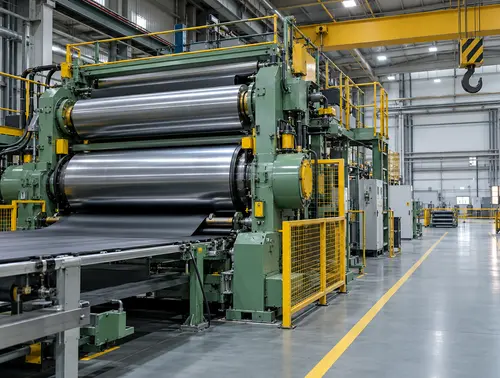
Quick answer: A rubber calendar machine in Taichung is only as productive as its roll handling. If changing a roll takes two days and needs a crane you do not have, the machine will spend more time waiting than running — and spare rolls become the difference between a planned stop and a lost week.
Roll changes are rare, which is exactly why they are badly planned. Buyers focus on the working machine and forget the day it needs a different surface or a reground roll. For a rubber calendar machine in Taichung, the handling plan deserves as much attention as the roll specification.
This guide covers what a roll change involves, how to plan for spare rolls, and what to check before the machine is installed.
What a roll change actually requires
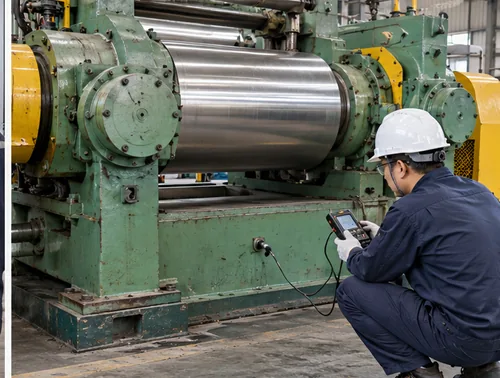
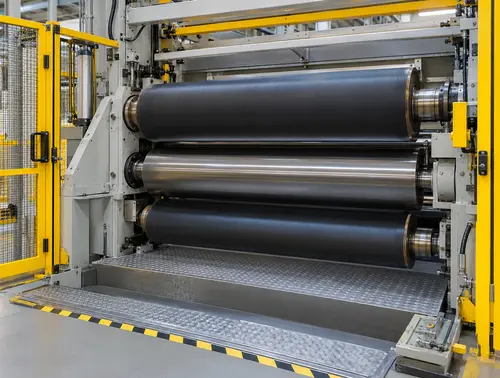
Every roll has to be supported, disconnected from its drive and bearings, withdrawn along its axis, and replaced without damaging the bearing seats or the chrome. That means lifting points above the machine, clearance at the drive end, and a route to move the roll out of the building.
None of this is visible in a catalogue. It is decided by the building, the crane and the layout — and it is decided before the machine arrives.
Handling methods compared
| Method | Strength | Limitation | Best fit |
|---|---|---|---|
| Overhead crane | Direct lift, controlled | Building must carry the load | New sheds with high bays |
| Mobile crane | No permanent structure | Access and hire cost | Occasional changes |
| Roll-out trolley and ramp | Cheap, uses floor space | Needs a clear axial path | Machines with drive at one end |
The choice changes the layout: a roll-out trolley needs a straight, level path the length of the roll plus clearance. An overhead crane needs headroom and a beam rated for the roll plus the tackle.
Spare roll strategy
Ask how many rolls the machine has, which ones wear fastest and what a replacement costs. Then decide whether to hold a spare. A spare roll means a change can happen during a planned stop instead of waiting for a regrind.
Store the spare properly: on a cradle, protected from moisture, with the bearing seats capped. A roll stored on the floor will develop corrosion on the journals and take longer to fit than the change itself.
Comparing spare strategies
| Strategy | Cost | Recovery time | Suits |
|---|---|---|---|
| No spare, regrind on demand | Lowest capital | Weeks | Low utilisation, non-critical product |
| One spare roll | Moderate | One shift | Continuous production |
| Full spare set | Highest | Hours | Multiple products, high value |
What to check before installation
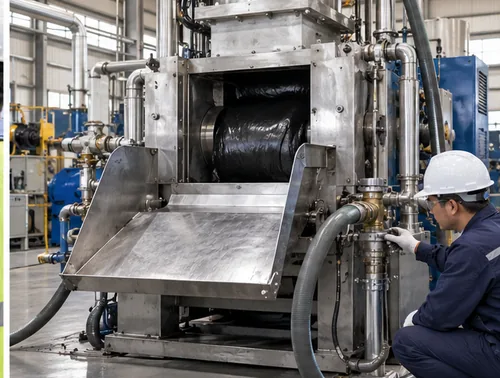
Confirm the roll weight, the lifting points and the clearance at the drive end. Measure the door and the route to the machine: a roll that cannot reach its bearings is a problem best discovered on paper. Check the foundation drawing for any pit or plinth that would obstruct withdrawal.
Ask the supplier for the roll removal procedure and the alignment tolerances. These should be part of the manual, not a conversation after the first change.
Planning the first change
Do a dry run before you need it. Remove a guard, set up the lifting gear and confirm the roll can be withdrawn and replaced without improvisation. Time it. That figure is the real cost of a roll change at your plant, and it belongs in your maintenance plan.
Our notes on roll crown and grinding history and access and lifting planning cover the checks that surround the handling plan.
Storing and handling spare rolls
A spare roll is a precision component, not a spare shaft. Store it horizontally on matched cradles so it cannot roll, with the journals capped and the surface protected from condensation. A roll that has been standing on a concrete floor for a year will need work before it can be fitted.
Record the diameter and crown of each roll you hold, and update the record after every regrind. Without that history you cannot tell which roll is which, or how much life remains in each.
Handle with soft slings, never a chain directly on the surface. A single nick in the chrome becomes a mark on every sheet the roll produces.
Label each roll with its diameter and last grinding date; a roll without history is a roll you cannot plan around.
Buying a calender? Vatsn Tecnic supplies new, used and refurbished rubber processing machinery. Ask for the roll handling procedure with the quotation, and we will help you check whether your building can support the change.
To read More about Rubber Making Machine Visit Here:
https://www.indiamart.com/vatsntecnic/profile.html
Frequently asked questions
How long does a roll change take?
It depends on the lifting method, the accessibility and whether the roll is a spare. With a crane and a spare, a shift is realistic; without either, days or weeks.
Can I change a roll without a crane?
Sometimes, using a roll-out trolley and a clear axial path. Confirm the weight and the path before assuming it is possible.
Do I need a spare roll?
If the machine runs continuously or the product is high value, yes. It converts an unplanned stoppage into a planned one.
How should a spare roll be stored?
On a cradle, dry, with bearing seats protected. A roll stored on the floor corrodes at the journals.
What is checked after a change?
Alignment, bearing seating, gap adjustment and a trial run. Alignment is the one most often skipped and most likely to cause a thickness problem.
Can the roll be reground instead of replaced?
Yes, up to a limit set by the original diameter and the crown design. Ask for the minimum diameter before relying on regrinding.
What clearance is needed at the drive end?
Enough to withdraw the roll plus the handling gear. Check the drawing rather than estimating on site.
Does a roll change affect the foundation?
It can, if a pit or plinth is in the withdrawal path. Check the foundation drawing before installation.