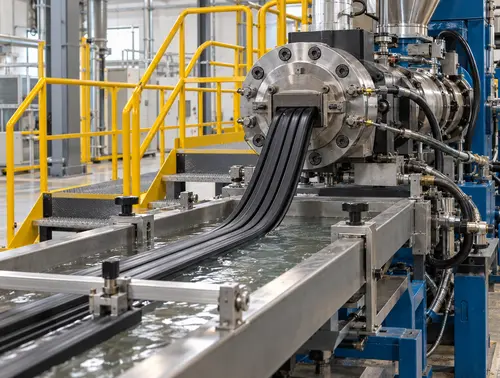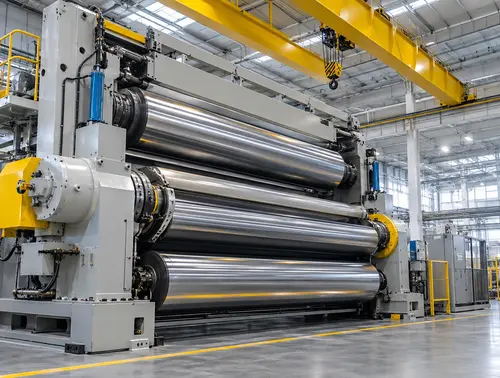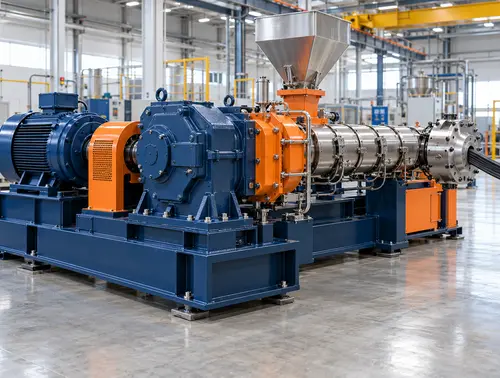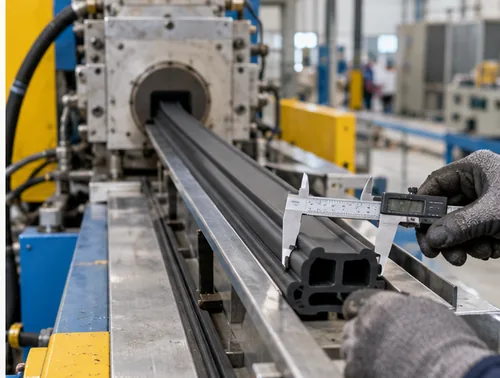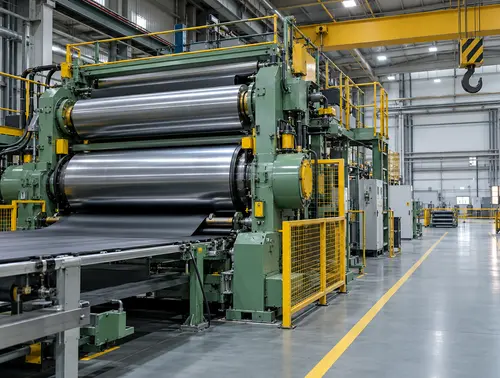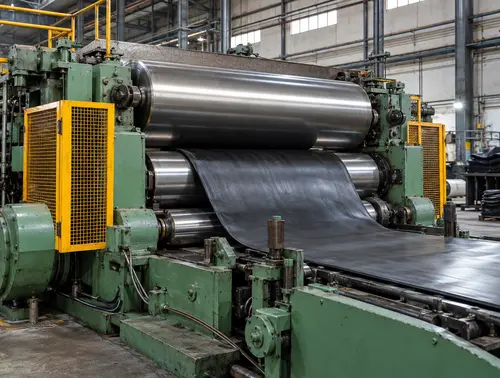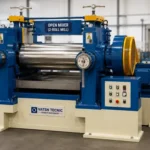
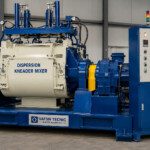

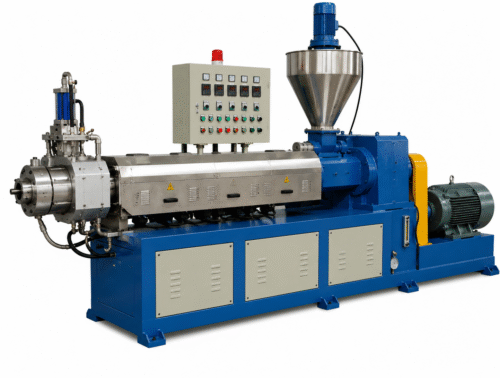
 Rubber Hot Feed Extruder
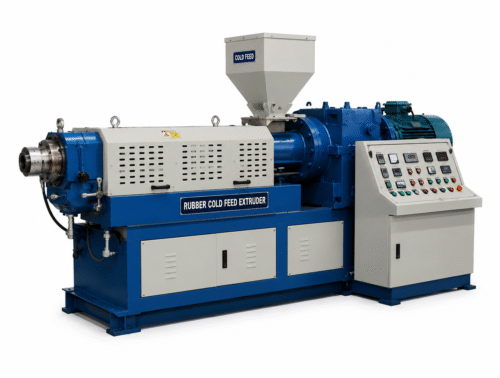 Rubber Cold Feed Extruder
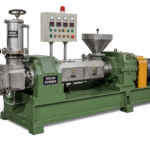 Rubber Strainer – Reclaim Extruder
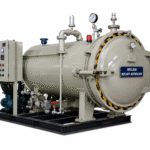 Reclaim Rotary Autoclave
 Compression Molding
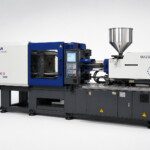 Injection Molding
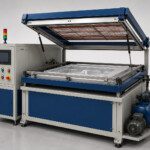 Vacuum Molding
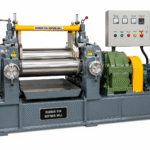 Rubber EVA Refiner Mill
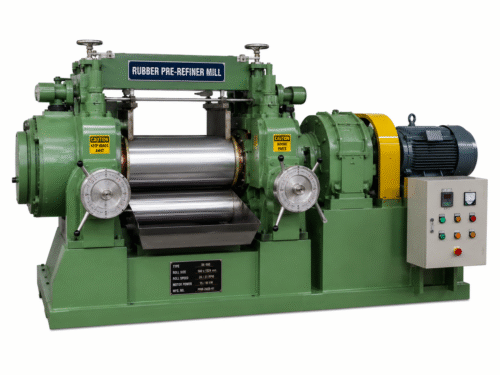 Rubber Pre-Refiner Mill
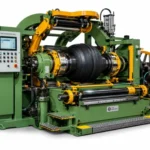
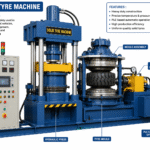
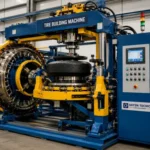 Tire Building Machine
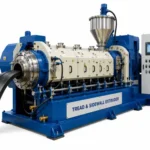 Tread & sidewall Extruder
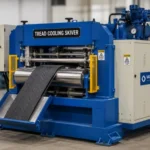 Tread Cooling skiver
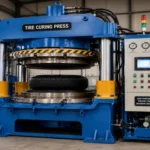 Tire curing press
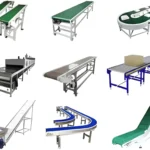
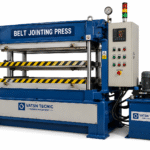 BELT JOINTING PRESS
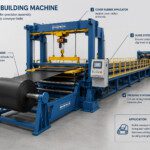 Belt Building Machine
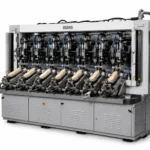
 Eva Footwear Injection Molding Machines
 Hawaii Slipper Sole Sheet Machine
 Eva Sole Sheet Splitting
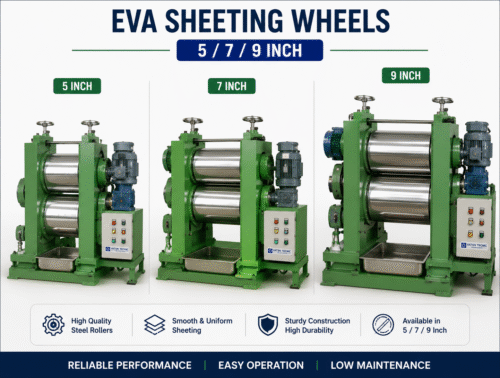 Eva Sheeting Wheels 5/7/9
 PVC Flooring Machine
 Plastic Pelletizing Line
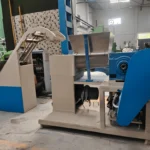 Filler / Masterbatch / PVC / TPR / EVA

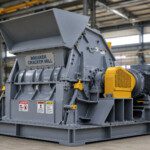 Breaker – Cracker Mill
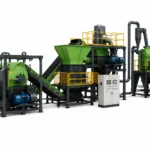 Shredder – Rasper Machines
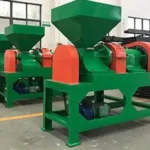 Waste Rubber Crumb Grinder Mill
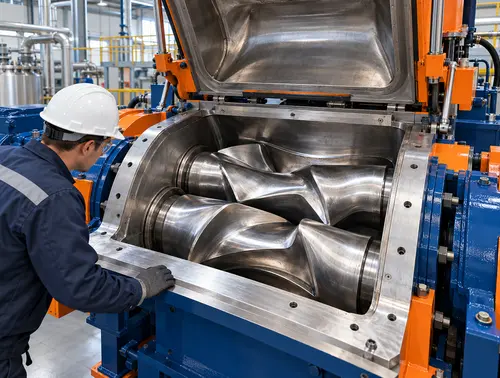
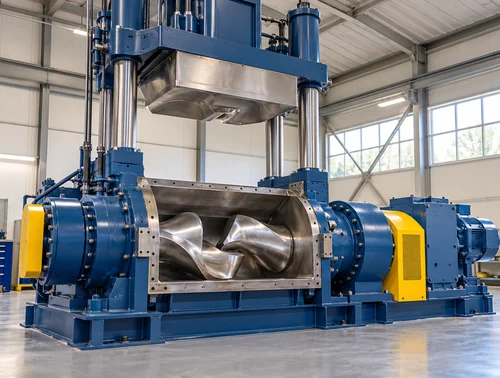
Trusted Rubber Dispersion Kneader in Bengaluru: Control Batch Temperature

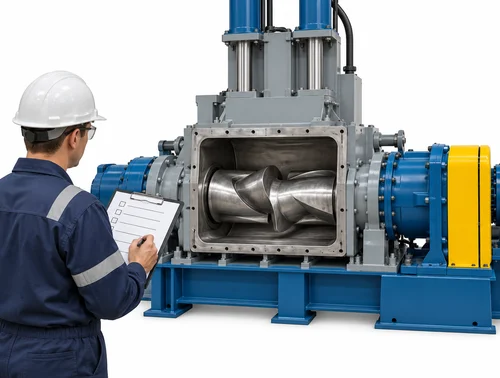
Quick answer: A rubber dispersion kneader in Bengaluru is controlled by its cooling water, not by its timer. If the water is warm or the flow uneven, the batch overheats, the cycle has to be shortened, and dispersion suffers — no matter how carefully the recipe is written.
Temperature is the variable operators fight all day. Buyers assessing a rubber dispersion kneader in Bengaluru should look at the cooling circuit as closely as the rotors, because a machine that cannot hold batch temperature cannot hold a recipe either.
This guide covers how the thermal circuit works, what to measure, and what to check before purchase.
Why batch temperature drives everything
Mixing generates heat through shear. The compound’s temperature rises through the cycle, and the discharge temperature sets a limit on how long the batch can be worked. If the temperature climbs too quickly, the operator shortens the cycle, and shorter cycles mean poorer dispersion.
So the cooling circuit is not a utility detail — it is the capacity limit of the machine. A kneader with a marginal circuit will always run conservative cycles, which looks like an operator problem but is a plant problem.
How the cooling circuit works
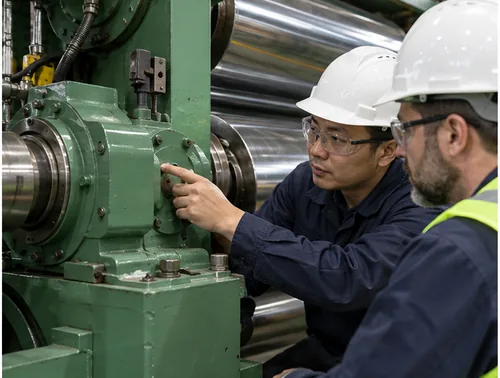
Water passes through the rotor cores, the chamber jacket and sometimes the door. Each path has its own flow and its own fouling risk. The circuit works only if all paths are open and the supply is cold enough.
Check the inlet temperature, the return temperature and the flow. A large difference between inlet and return means the water is absorbing a lot of heat, which is expected; a small difference with a hot batch means the flow is insufficient.
| Circuit type | Strength | Limitation | Watch for |
|---|---|---|---|
| Once-through | Simple, cold supply | Water consumption | Supply interruptions |
| Closed loop with chiller | Stable temperature | Chiller capacity and maintenance | Chiller shortfall in summer |
| Cooling tower loop | Low running cost | Approaches wet-bulb temperature | Warm water in humid weather |
Symptoms and causes
| Symptom | Likely cause | Check |
|---|---|---|
| Batch heats too fast | Insufficient flow or warm supply | Flow rate, inlet temperature |
| Uneven temperature across the batch | Blocked rotor core or jacket path | Return temperatures per path |
| Temperature creeps up over the shift | Tower or chiller losing capacity | Ambient and supply temperature |
| Condensation in the chamber | Supply too cold or humid air | Dew point and insulation |
What to inspect on a used machine
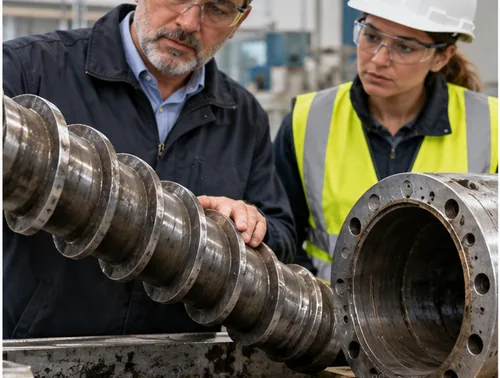
Look at the rotary unions for leaks and wear. Check that the internal passages are clear — scale and rubber residue build up over years and reduce flow without any visible sign. If the history is unknown, plan a flush before commissioning.
Confirm the water quality the machine expects. Hard water scales the passages; dirty water blocks them. A strainer on the supply is cheap insurance.
Planning the plant side
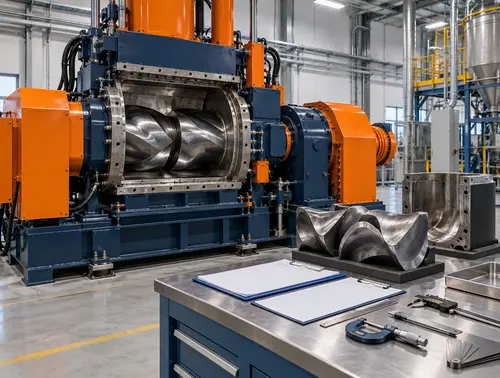
Bengaluru’s climate is mild, but plants often share a cooling system with other equipment. Check what else draws from the same loop and whether the kneader gets its share at peak load. A dedicated circuit is easier to control than a shared one.
Insulate the pipework, especially the return, and keep runs short. A long uninsulated run loses whatever cooling the water carried.
What to record during commissioning
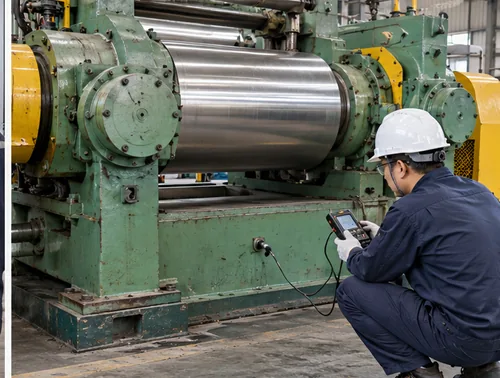
Log inlet and return temperature, flow and batch discharge temperature for the first ten batches. Those figures define the machine’s thermal envelope, and they are the reference for every later comparison.
Our notes on filler charging and dust control and batch cycle planning cover the other half of the same problem.
Water quality and fouling
Cooling passages are narrow, and narrow passages foul. Scale from hard water, rubber residue from a leaking union and general suspended solids all reduce flow long before anyone notices a temperature problem.
Fit a strainer on the supply and clean it on a schedule. Check the return temperature from each path individually: a path returning warmer than its neighbours is partially blocked, even if the total flow looks acceptable.
If the machine has been idle, flush before commissioning. Standing water in a rotor core corrodes the passage, and the corrosion products travel into the unions afterwards.
Finally, check the flow at the machine rather than at the pump. Pipework that was sized for another duty may deliver far less at the kneader, and the gauge at the pump will never show it.
Check the flow at the machine at commissioning and again after the first month, because fouling starts immediately.
Setting up a mixing line? Vatsn Tecnic supplies new, used and refurbished rubber processing machinery. Share your compound and batch size, and ask for the cooling requirement as part of the quotation rather than an afterthought.
To read More about Rubber Making Machine Visit Here:
https://www.indiamart.com/vatsntecnic/profile.html
Frequently asked questions
Why does batch temperature matter?
It limits how long the compound can be mixed. If temperature rises too fast, the cycle is shortened and dispersion suffers.
How much cooling water does a kneader need?
It depends on the batch size and the compound. Ask the manufacturer for the flow and temperature, then confirm your plant can supply it at peak conditions.
Can I use a cooling tower?
Yes, if the water stays cold enough in your climate. In humid weather a tower approaches wet-bulb temperature and may not be sufficient.
What causes uneven cooling?
A blocked rotor core or jacket passage. Compare return temperatures from each path to find the restriction.
How do I clean the passages?
Flush with a suitable descaling agent and check flow afterwards. Do not use aggressive chemicals on components they could attack.
Does insulation help?
Yes, on long pipe runs. It keeps the water cold and reduces condensation.
What if the batch is too cold?
Rare, but possible with an oversized circuit. The remedy is to control flow rather than run the circuit flat out.
How do I know the circuit is adequate?
By recording discharge temperatures across a shift. If they climb steadily, the circuit is marginal.