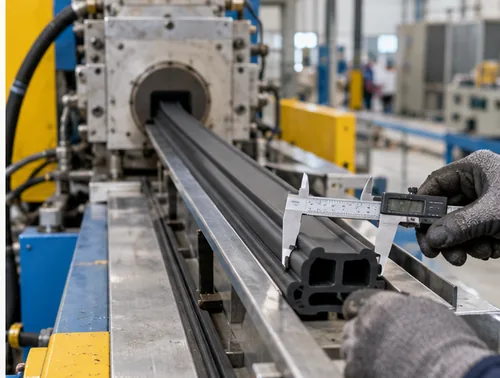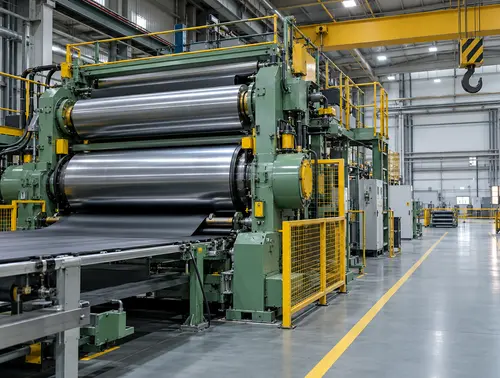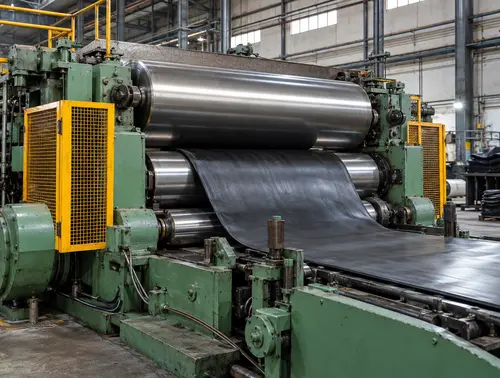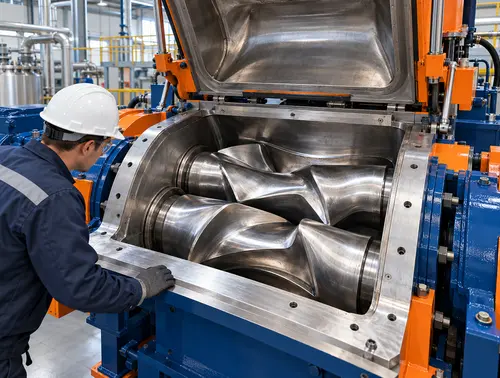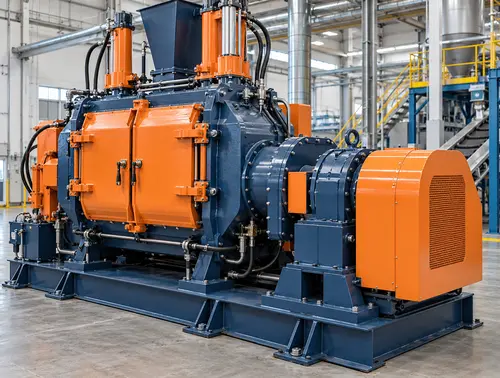
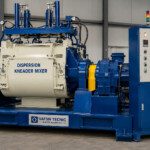
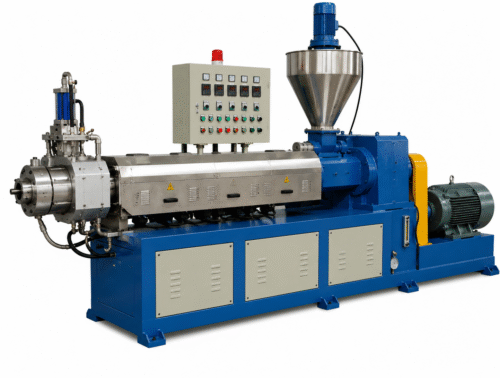
 Rubber Hot Feed Extruder
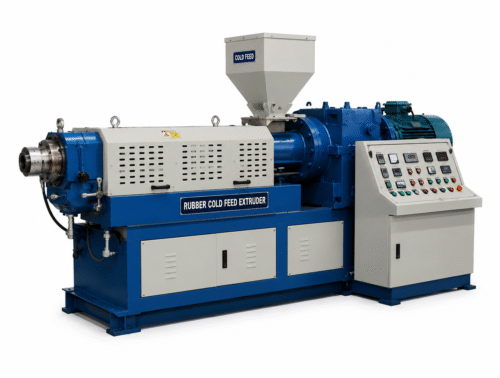 Rubber Cold Feed Extruder
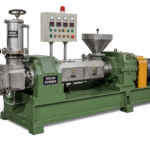 Rubber Strainer – Reclaim Extruder
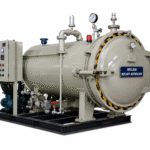 Reclaim Rotary Autoclave
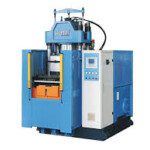 Compression Molding
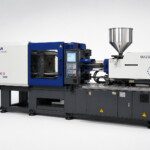 Injection Molding
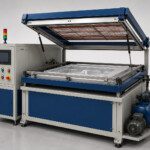 Vacuum Molding
 Rubber EVA Refiner Mill
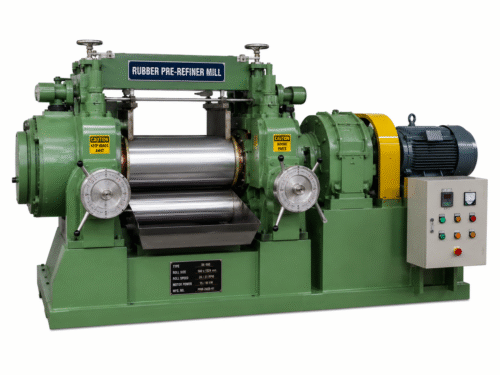 Rubber Pre-Refiner Mill
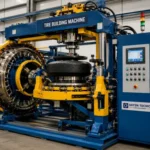 Tire Building Machine
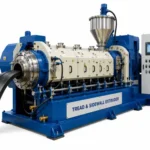 Tread & sidewall Extruder
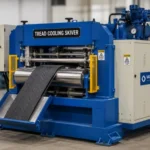 Tread Cooling skiver
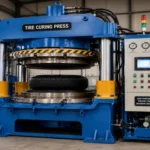 Tire curing press
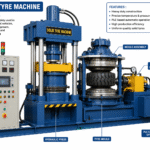
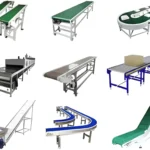
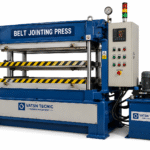 BELT JOINTING PRESS
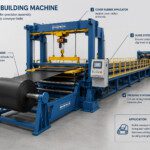 Belt Building Machine
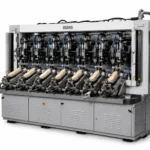
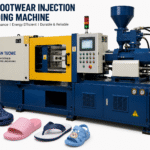 Eva Footwear Injection Molding Machines
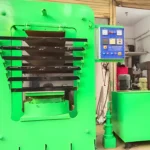 Hawaii Slipper Sole Sheet Machine
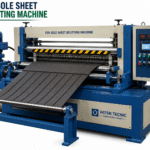 Eva Sole Sheet Splitting
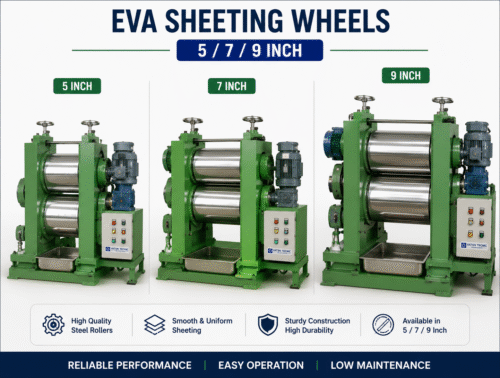 Eva Sheeting Wheels 5/7/9
 PVC Flooring Machine
 Plastic Pelletizing Line
 Filler / Masterbatch / PVC / TPR / EVA
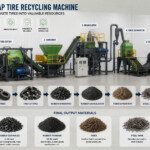
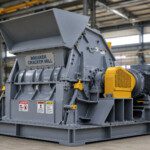 Breaker – Cracker Mill
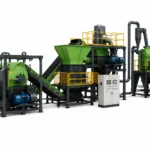 Shredder – Rasper Machines
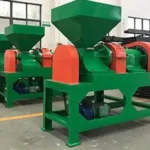 Waste Rubber Crumb Grinder Mill
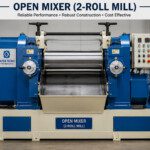
Compare Rubber Mixing Mill in Ningbo: Test the Brake Before You Buy

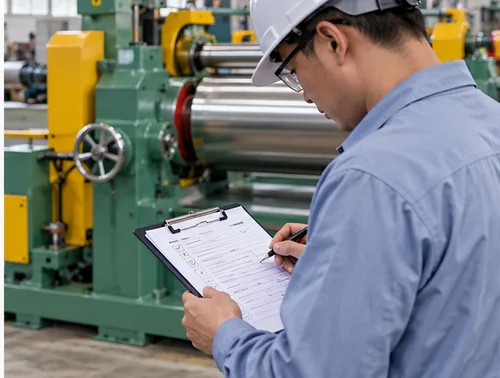
Quick answer: A rubber mixing mill in Ningbo must be able to stop its rolls fast and under control. The brake, the emergency stops and the nip guard work as one system, and a used mill that has lost any of the three is not a bargain at any price.
Mills are bought for their mixing, and their safety systems are treated as paperwork. On a two-roll mill the danger is concentrated in a narrow gap that pulls material in faster than a person can react. Buyers inspecting a rubber mixing mill in Ningbo should test the stopping system before they test anything else.
This guide explains what to test, how to measure it, and what a good answer looks like.
What the stopping system has to do
Cutting power is not stopping. A mill that coasts for thirty seconds after the emergency stop is still dangerous, because the rolls are still turning while someone may be reaching in. The brake has to bring the rolls to rest within a defined time, and that time should be documented.
The emergency stop must also be reachable from the operating position and from the opposite side, because the person most at risk is often the one leaning over the nip.
Components of the system
| Component | Function | Failure mode | How to test |
|---|---|---|---|
| Brake | Stops the rolls | Worn lining, oil contamination | Time the stop from full speed |
| Emergency stop | Cuts drive and applies brake | Button seized, circuit bypassed | Press from both sides |
| Nip guard | Prevents access | Removed, damaged, bypassed | Inspect and test interlock |
| Trip bar or curtain | Detects approach | Misaligned, taped over | Interrupt and confirm stop |
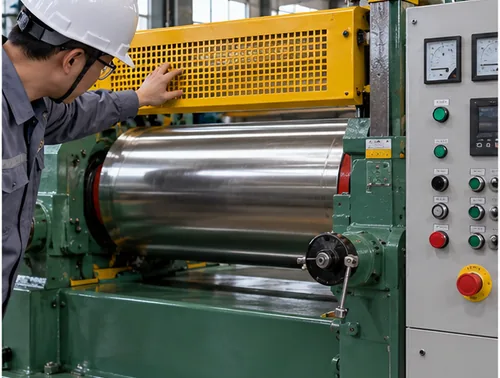
Measuring stopping time
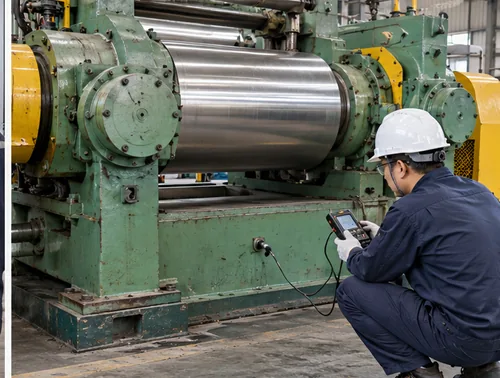
Run the mill at operating speed with no compound, then press the emergency stop and time how long the rolls take to come to rest. Repeat three times and record the longest figure, not the average. Then repeat from the opposite side.
If the mill has a brake that is applied by a spring and released by air or hydraulic pressure, check that the release is clean and the application is immediate. A brake that drags slightly while running will overheat and fade.
Comparing brake types
| Type | Strength | Limitation | Maintenance |
|---|---|---|---|
| Drum brake | Simple, familiar, repairable locally | Fade under repeated stops | Lining wear, drum condition |
| Disc brake | Better heat dissipation | Needs clean hydraulic or air supply | Pad wear, disc scoring |
| Plugging (electrical) | No mechanical wear parts | Depends on drive capability | Contactor and resistor condition |
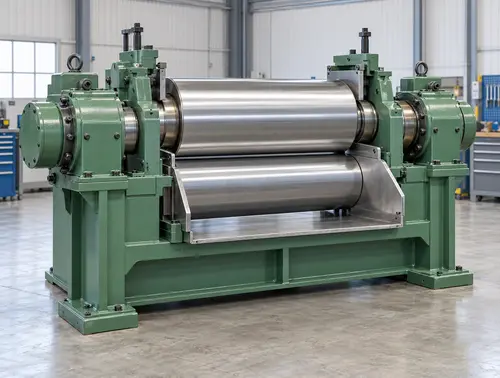
What to inspect on a used mill
Look at the brake lining thickness and the drum surface. Oil or grease on the lining means the brake will fade when it is needed. Check the linkage for wear that would delay application, and confirm the emergency stop circuit is intact rather than bypassed with a jumper.
Ask when the brake was last adjusted and whether the stopping time was recorded. A seller who cannot answer is not necessarily dishonest, but the machine becomes an inspection item rather than a documented one.
What to fix before running
If the stopping time is unknown or excessive, correct it before production. Replace the lining, adjust the linkage, repair the circuit and re-test. Document the result and repeat the test at each service interval.
Our notes on journal and bearing evidence and drive sizing cover the mechanical context around the brake.
Training and lockout
Write a short procedure covering who may operate the mill, when the brake must be tested, and how the machine is isolated for cleaning. Train the operators before the first production run and record who was trained.
Lockout matters more on a mill than on most machines, because cleaning happens close to the rolls. A guard that is removed for cleaning while the drive is live is the most common route to injury on this equipment.
Test the procedure: ask an operator to isolate the mill and show you. If the answer involves reaching past a guard, the procedure needs rewriting.
Keep the brake test in the same log as the bearing temperatures; a brake that drags shows up in both.
Record the stopping time on the machine itself as well as in the file, so the next operator knows the baseline without searching.
Inspecting a mill? Vatsn Tecnic supplies new, used and refurbished rubber processing machinery. Ask for the brake test with the inspection pack, and we will help you judge whether the mill is safe to run before it is shipped.
To read More about Rubber Making Machine Visit Here:
https://www.indiamart.com/vatsntecnic/profile.html
Frequently asked questions
How fast should a mixing mill stop?
Fast enough that a person cannot reach the nip after pressing the stop. Ask for the figure in writing and measure it yourself; there is no universal number that fits every mill.
Can I test the brake without running compound?
Yes. Run empty at operating speed and time the stop. That is the standard check and it is safer than testing under load.
What if the emergency stop is bypassed?
Treat it as a defect and repair it before running. A bypassed stop means the machine cannot be made safe by the operator.
Does the brake need regular adjustment?
Yes, mechanical brakes wear and linkages stretch. Add the adjustment to the service schedule and record the stopping time each time.
Is an electrical brake enough?
Sometimes, if the drive is designed for it. Confirm the stopping time by measurement rather than assuming the drive can do it.
What about the guard?
The nip must be guarded and the guard interlocked to the drive. A guard that can be removed without stopping the mill offers little protection.
Can the brake be upgraded?
Usually yes, but the drive and shaft may need modification. Compare the cost with the risk before deciding.
What documentation should I ask for?
The brake type, lining specification, adjustment procedure and the last recorded stopping time. These are simple items that most sellers can supply if asked.