
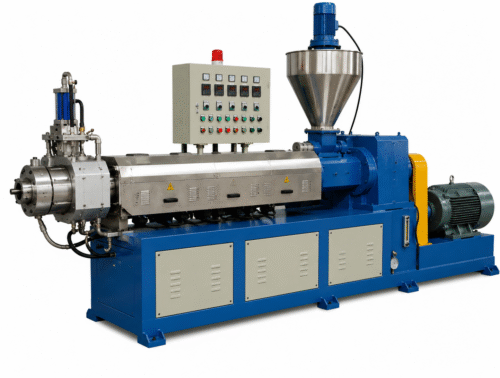
 Rubber Hot Feed Extruder
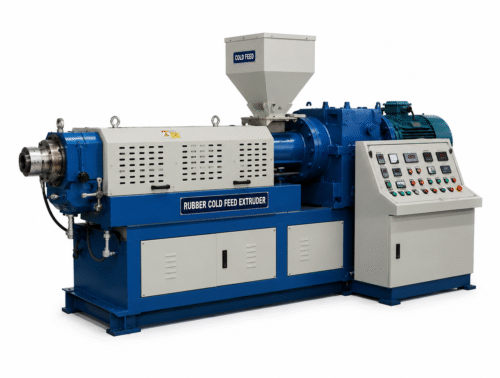 Rubber Cold Feed Extruder
 Rubber Strainer – Reclaim Extruder
 Reclaim Rotary Autoclave
 Compression Molding
 Injection Molding
 Vacuum Molding
 Rubber EVA Refiner Mill
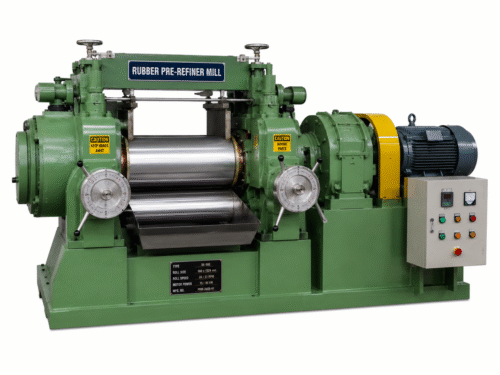 Rubber Pre-Refiner Mill
 Tire Building Machine
 Tread & sidewall Extruder
 Tread Cooling skiver
 Tire curing press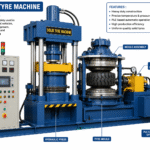
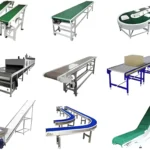
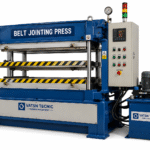 BELT JOINTING PRESS
 Belt Building Machine
 Eva Footwear Injection Molding Machines
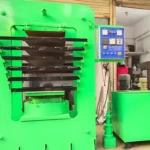 Hawaii Slipper Sole Sheet Machine
 Eva Sole Sheet Splitting
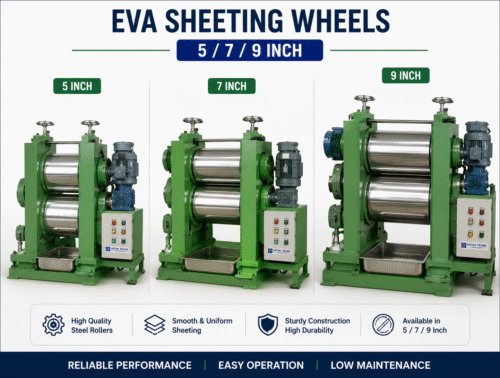 Eva Sheeting Wheels 5/7/9
 PVC Flooring Machine
 Plastic Pelletizing Line
 Filler / Masterbatch / PVC / TPR / EVA
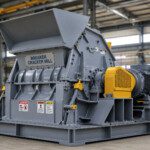 Breaker – Cracker Mill
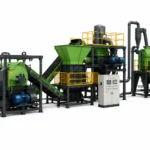 Shredder – Rasper Machines
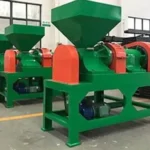 Waste Rubber Crumb Grinder Mill
Source Rubber Extruder Machine in Gujarat: Define the Complete Line Scope


Short answer: when sourcing a rubber extruder machine in Gujarat, define the whole production boundary before comparing quotations. The extruder alone may not include the feed arrangement, head and die, cooling, haul-off, cutting, controls, guarding, commissioning support, or documentation needed to make a usable line.
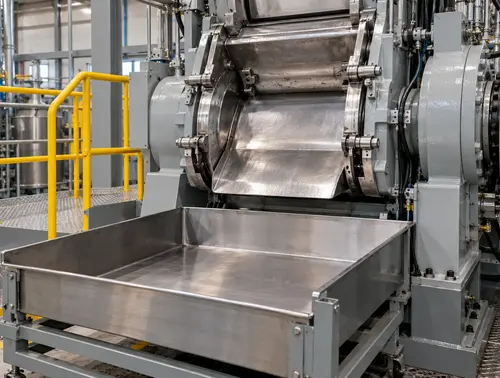
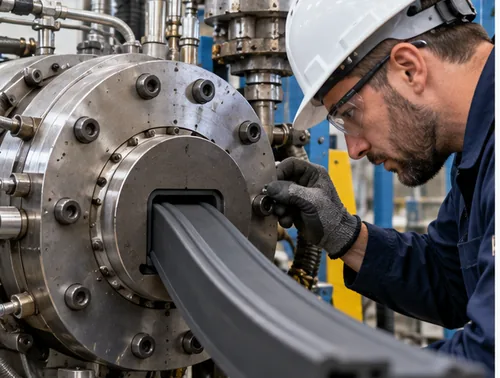
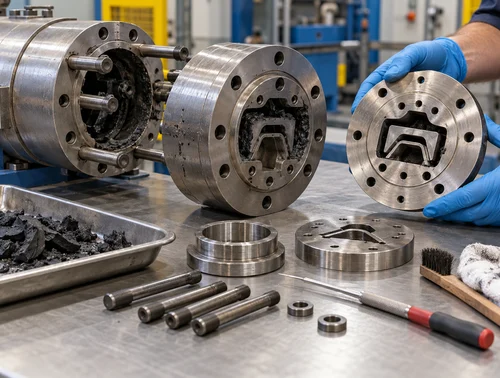
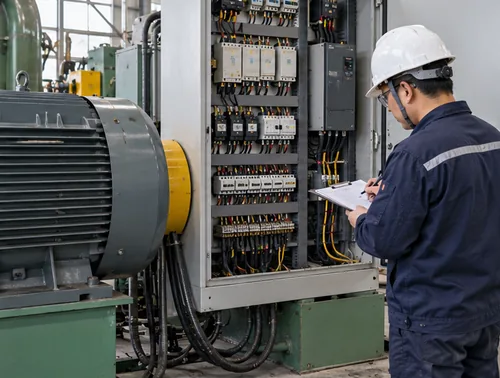
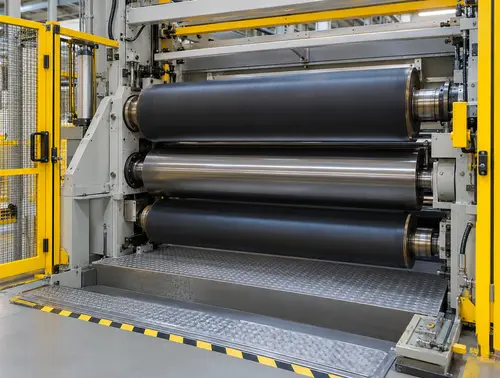
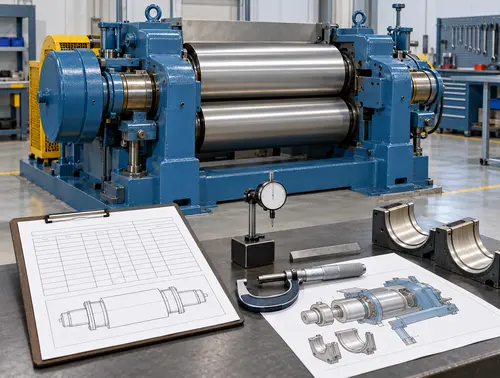
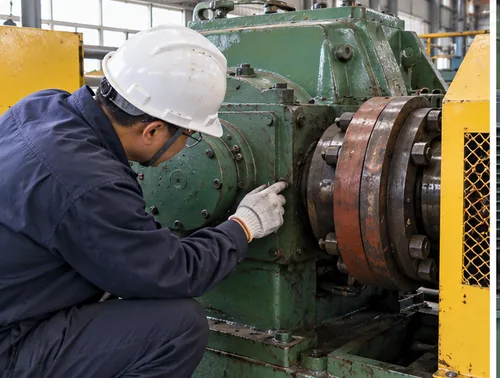
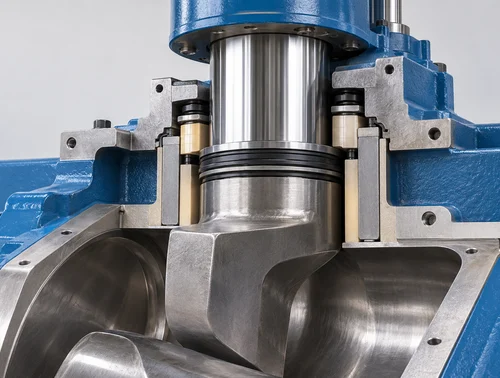
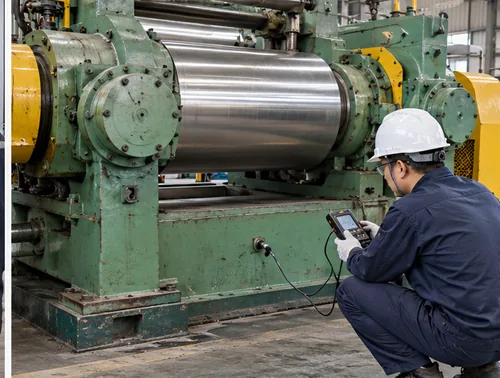
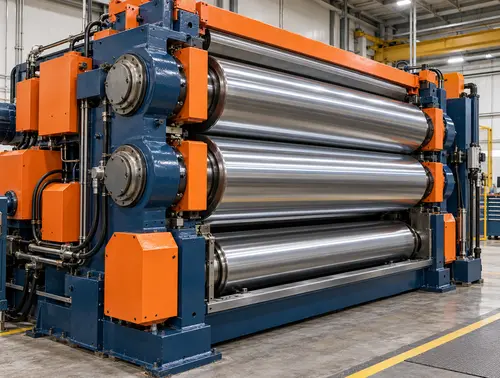
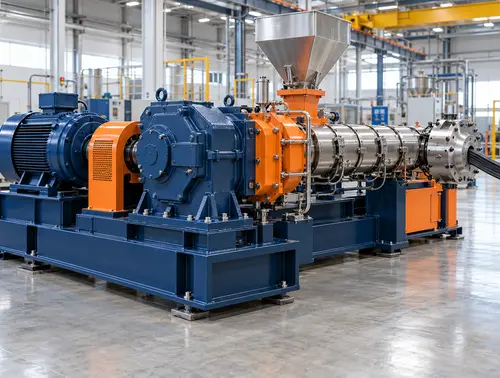
The images in this article are illustrative planning visuals. They do not show the condition or availability of a particular machine.
Why the complete line scope matters
Two offers can name a similar extruder yet cover very different responsibilities. One may stop at the machine discharge; another may include downstream handling and an integrated control philosophy. A low headline price therefore says little until the battery limits are clear. Start with the compound, intended profile or preform, feeding method, downstream destination, available utilities, floor layout, and acceptance method. That information lets a supplier state what is included, excluded, or dependent on a trial.
For background on machine families, browse Vatsn Tecnic’s rubber processing machinery. Buyers comparing used equipment can also review the practical screw and barrel wear inspection guide.

Define the rubber extruder machine in Gujarat boundary
Upstream feeding and compound condition
Record whether material arrives as strips, slabs, pellets, or another form, and who supplies any feeding conveyor, warming step, metal detection, or storage interface. State the range of compounds to be evaluated without assuming that one feed arrangement suits every formulation. Confirm whether the quoted scope includes the hopper, feed roll, guards, drive, and any connection to existing upstream equipment.
Extruder, head, and tooling interface
Ask the seller to identify the screw, barrel, drive, gearbox, temperature-control connections, instrumentation, and head included in the offer. The die is product-specific, so define whether the quote includes a production die, a trial die, or only the head interface. For used equipment, request measurable inspection evidence rather than relying on repainting. Useful evidence includes condition photographs, maintenance history where available, dimensional checks, and a clearly recorded no-load or material trial.
Downstream equipment and controls
The line after the die may require cooling, conveying, dimensional support, haul-off, cutting, weighing, marking, or winding. Identify each module, its control responsibility, and the hand-off point to your existing plant. Also specify who supplies interconnecting cables, pipework, platforms, guards, and safety interlocks. A single line drawing with numbered interfaces prevents more ambiguity than a long list of brand names.
| Scope item | Include when | Advantage | Limitation or trade-off |
|---|---|---|---|
| Feed system | Existing feed cannot match the material form | Clearer, coordinated material entry | Needs compound-specific confirmation |
| Head and trial die | A representative profile will be tested | Creates a defined acceptance reference | Does not prove every future die |
| Cooling and haul-off | Product needs supported downstream travel | Reduces interface gaps | Adds floor, utility, and control requirements |
| Cutter or winder | Finished form requires it | Completes the material path | Must match the actual product and speed window |
Build a quotation that can be compared
Issue the same enquiry pack to each shortlisted supplier. Include representative compound information that can safely be disclosed, target product family, sample drawings, available electrical supply, cooling-water arrangement, compressed-air availability, floor and access constraints, and the proposed acceptance location. Ask suppliers to return a marked-up scope sheet rather than only a commercial offer.
Do not accept an unsupported energy or output claim as a purchasing fact. Operating load depends on material, screw and head condition, process settings, and downstream resistance. The related guide on checking rubber-extruder energy claims explains how to frame evidence. For general machinery risk assessment principles, ISO provides an overview of ISO 12100 machinery safety; applicable Indian legal and plant requirements should be confirmed by the buyer’s competent safety team.

| Evidence stage | What to request | What it can show | What it cannot prove |
|---|---|---|---|
| Document review | Scope matrix, drawings, motor and utility data | Whether interfaces are defined | Actual processing suitability |
| Static inspection | Wear checks, guards, wiring and leak review | Visible condition and missing items | Stable material processing |
| Trial | Agreed compound, die, settings and observations | Performance under the recorded conditions | Every future compound or product |
| Dispatch review | Packing list, identification photos and documents | What is leaving the supplier | Site installation quality |
Plan site integration before dispatch
Confirm the transport split, lifting points, door clearances, foundation approach, maintenance access, and final line orientation. Assign responsibility for unloading, positioning, levelling, utilities, electrical termination, guarding completion, and start-up support. If a used line will be refurbished, define which work is completed before trial and which work remains for the site team. Photographs should be dated and tied to machine identification where practical.
Before approving a rubber extruder machine in Gujarat, place every unresolved interface in an open-action register with an owner and due point. This keeps a commercial assumption from becoming an installation surprise.
Use a staged acceptance plan
A sensible sequence is document review, static inspection, agreed trial, dispatch verification, installation checks, and site acceptance. Record the compound, die, settings, observation period, samples, and exceptions. If a full product trial is impossible, say so explicitly and use limited evidence without overstating it. Vatsn Tecnic can discuss the intended process and help prepare a machine-specific scope; send your product and site details through the contact page.
To read More about Rubber Making Machine Visit Here:
https://www.indiamart.com/vatsntecnic/profile.html
Frequently asked questions
1. Does an extruder quotation normally include the complete line?
Not necessarily. Ask for a written inclusion and exclusion list covering upstream, extruder, tooling, downstream, controls, guards, utilities, and services.
2. Should the die be included?
Include an agreed trial or production die when it is needed for acceptance, and define its drawing responsibility and ownership.
3. What compound information should be shared?
Share enough to establish feeding and processing needs, subject to your confidentiality rules. Avoid assuming that a trial with one compound represents all formulations.
4. How should used-machine wear be checked?
Request measurable screw and barrel checks, inspection photographs, drive and gearbox observations, and documented exceptions.
5. Is a no-load video sufficient?
No. It can demonstrate motion and obvious issues, but it cannot establish processing suitability under material load.
6. Who should define safety requirements?
The buyer and supplier should document responsibilities, while a competent local safety professional confirms applicable plant and legal requirements.
7. What should be agreed for commissioning?
State who provides labour, material, utilities, tooling, test instruments, settings, training, and acceptance records.
8. What is the best first step?
Prepare a one-page duty and interface sheet, then request comparable written scopes from qualified suppliers.