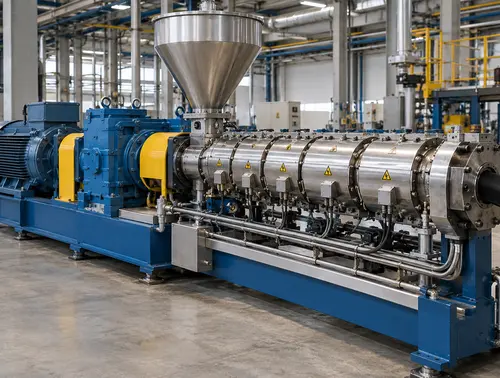
 Rubber Hot Feed Extruder
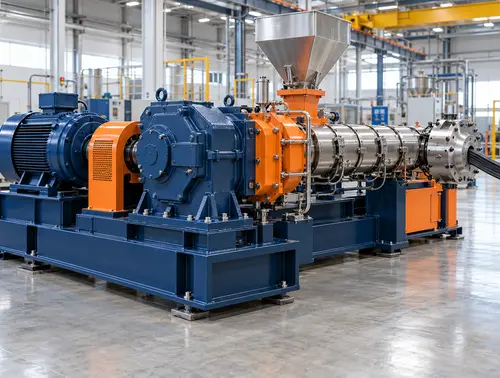
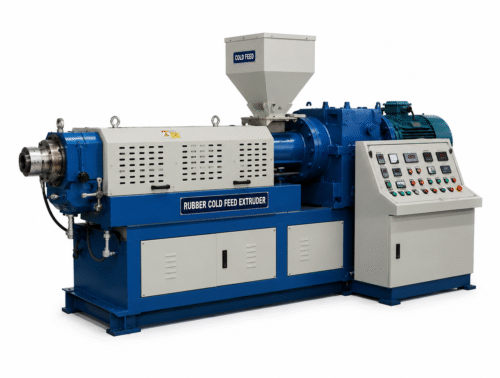 Rubber Cold Feed Extruder
 Rubber Strainer – Reclaim Extruder
 Reclaim Rotary Autoclave
 Compression Molding
 Injection Molding
 Vacuum Molding
 Rubber EVA Refiner Mill
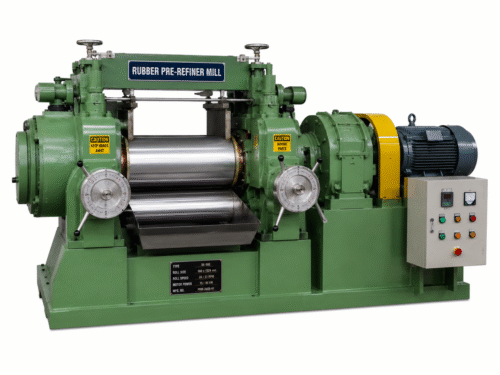 Rubber Pre-Refiner Mill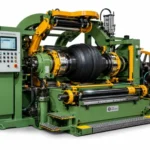
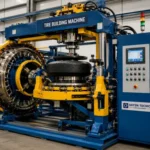 Tire Building Machine
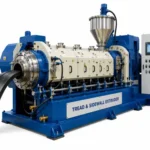 Tread & sidewall Extruder
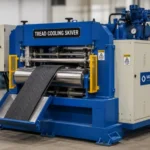 Tread Cooling skiver
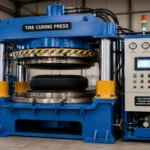 Tire curing press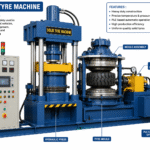
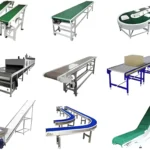
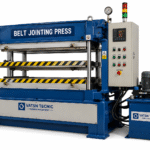 BELT JOINTING PRESS
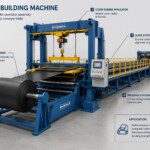 Belt Building Machine
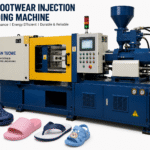 Eva Footwear Injection Molding Machines
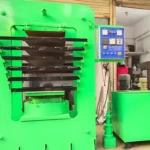 Hawaii Slipper Sole Sheet Machine
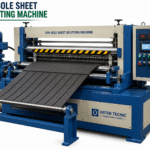 Eva Sole Sheet Splitting
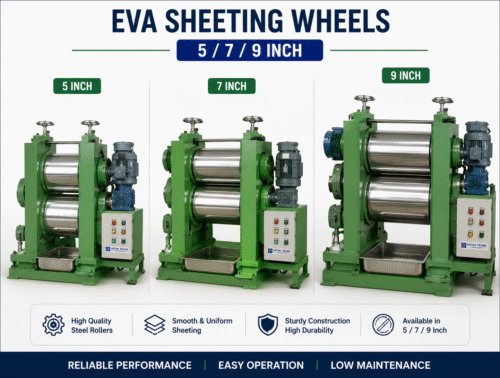 Eva Sheeting Wheels 5/7/9
 PVC Flooring Machine
 Plastic Pelletizing Line
 Filler / Masterbatch / PVC / TPR / EVA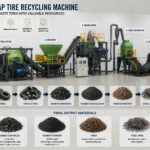
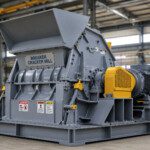 Breaker – Cracker Mill
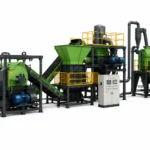 Shredder – Rasper Machines
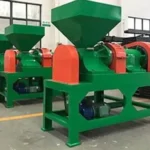 Waste Rubber Crumb Grinder Mill
Used Rubber Extruder Machine in Delhi: Screw and Barrel Wear Checks

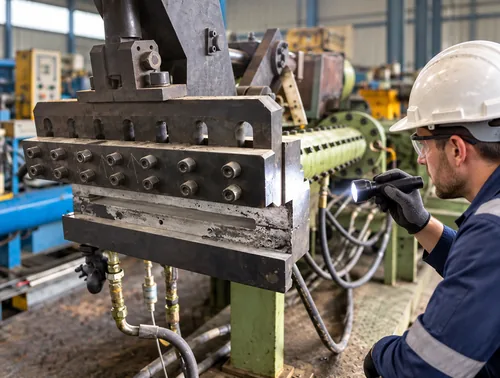
Before a used rubber extruder machine is bought in Delhi, its screw and barrel should be assessed against original dimensions and a representative production trial. A clean exterior or running motor cannot reveal internal wear. Ask about processed compounds, request maintenance records, and have a qualified technician measure the parts before the purchase is finalized.
This guide separates running checks from inspection and explains how findings affect the purchase.
Why screw and barrel wear matters in a used cold-feed rubber extruder
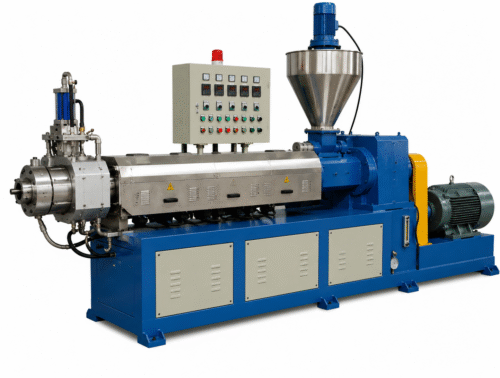
Prepared rubber is fed to a rotating screw, conveyed through the barrel, and formed through a die. Screw and head designs should suit the intended compound and profile.
Wear may change clearances. Output variation, unexpected heating, or poor profiles can also arise from feeding, dies, or settings. These symptoms warrant investigation, not automatic screw replacement. Judge findings against the maker’s design and your product requirements.
What to request before visiting the used rubber extruder
Request records before visiting. Missing documents should increase purchase uncertainty.
- Machine make, model, serial number, year, and the screw and barrel identification.
- Original drawings or maker specifications for screw diameter, barrel bore, and allowable wear.
- Maintenance, refurbishment, and screw or barrel replacement records.
- Previous compounds, applications, and any known contamination or abrasion issues.
- A recent running video and a proposed trial using a representative compound and die.
- Included equipment: feed arrangement, drive, controls, cooling system, head, dies, and guarding.
Confirm the quotation includes the die, controls, and any agreed repairs.
For a Delhi purchase, confirm the machine’s actual inspection location, transport route, loading arrangements, and who will handle installation. A seller serving Delhi need not hold the machine within the city. Written details help prevent confusion about the delivered price.
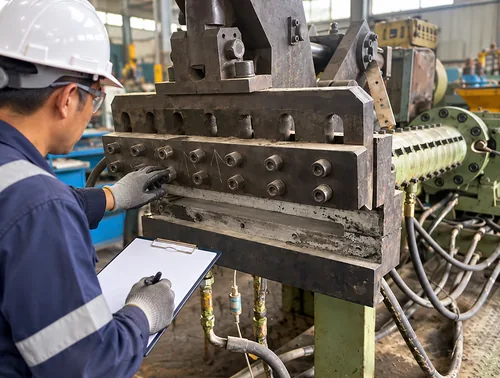
How to inspect a used extruder during a safe running trial
Arrange a trial with trained operators. Keep guards in place and observe away from feed and die openings. Use the intended compound and profile where practical.
Record the feed condition, setpoints, actual temperature readings, motor load, screw speed, and sample dimensions at steady conditions. Watch for irregular feeding, unexplained noise, vibration, leakage, unstable output, or inconsistent profile shape. A single observation can be misleading, so the test conditions and duration should be written down.
After conditions stabilize, compare repeated output samples with your acceptance criteria. A trial cannot establish internal clearances.
How screw and barrel wear should be measured
Internal inspection should be planned by a competent service technician. Before guarding is opened or parts are removed, the equipment should be isolated under the site’s applicable energy-control procedure. A running trial and a dismantled inspection are separate steps.
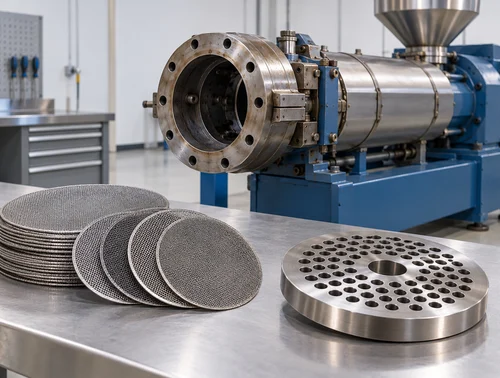
The screw should be cleaned using a method compatible with its surface. Its flight outside diameter can then be measured at documented axial positions, with several orientations checked where the maker specifies them. Scoring, chipped edges, coating loss, damaged drive features, and evidence of previous repair should be photographed.
The barrel bore should also be cleaned and measured at corresponding positions with suitable calibrated equipment. Measurements should be compared with the original drawing or maker’s accepted limits. The difference between the measured bore and screw dimensions must be interpreted with the actual screw design; a universal wear limit should not be guessed from a blog.
If no baseline dimensions are available, an independent assessment should be obtained before a high-value purchase. Apparent marks on the die head or housing are not a measurement of internal screw wear.
Used cold-feed rubber extruder: buying advantages and limits
| Factor | Potential advantage | Concern to verify |
|---|---|---|
| Investment | An existing machine may reduce initial equipment spending. | Repair, transport, tooling, and commissioning costs may be added. |
| Availability | A machine in stock may be inspected before purchase. | Its configuration may not suit the intended compound or profile. |
| Operating history | A running trial may reveal practical behavior. | Past wear and refurbishment records may be incomplete. |
| Serviceability | Known components may be repairable. | Screw, barrel, controls, or spares may require sourcing. |
Base the decision on commissioned cost and a documented acceptance test.
Starting a rubber extrusion business: opportunity and constraints
A cold-feed extruder may support profile, strip, or other rubber products when the complete process has been designed for them. The machine alone does not establish a profitable business. Compounding, dies, downstream handling, quality checks, skilled staff, and customers should be planned together.
| Business factor | Potential benefit | Practical constraint |
|---|---|---|
| Product range | Different dies may support several profiles. | Each product needs process validation and market demand. |
| Starting cost | Used equipment may lower the machinery purchase cost. | Working capital, utilities, tooling, and repairs remain necessary. |
| Production | A stable line can support repeatable supply. | Compound variation and downstream bottlenecks can affect output. |
| Growth | Products can be added after a proven process is established. | Quality systems, service capacity, and customers must grow too. |
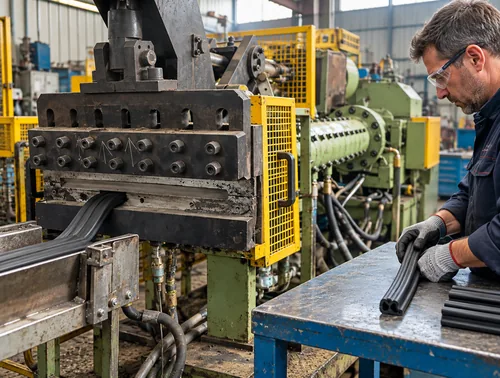
How to decide whether the used cold-feed extruder is worth buying
Three outcomes are possible. The machine may pass a documented trial and dimensional inspection; it may be viable after clearly priced repairs; or uncertainty may remain too high for the asking price. Written acceptance criteria should cover the intended compound, die, achievable stable output, measured wear, included parts, and commissioning responsibilities.
For context, review Vatsn Tecnic’s hot-feed extruder explanation to distinguish a different feed arrangement. Current cold-feed rubber extruder listings can be discussed with the seller, but a listing should not replace a machine-specific inspection.
Technical inspection methods are described by extruder manufacturer Davis-Standard for screw measurement and its barrel measurement guide. The relevant machine maker’s limits must still govern this rubber equipment.
To read More about Rubber Making Machine Visit Here:
https://www.indiamart.com/vatsntecnic/profile.html
Frequently asked questions about used rubber extruder inspection
Can screw wear be confirmed from an external photograph?
No. A photograph may show the head and housing, but internal wear must be assessed using appropriate access and measurements.
Does uneven output always mean the screw is worn?
No. Feed condition, settings, die condition, temperature control, and downstream equipment should also be checked.
Should a seller provide a running trial?
A representative trial should be requested where safe and practical. The compound, die, settings, and observed results should be documented.
What if original screw and barrel drawings are missing?
Ask the maker or a qualified specialist to establish an appropriate baseline. Avoid treating a guessed clearance as an acceptance limit.
Can a worn screw or barrel be repaired?
Some components may be refurbished or replaced, depending on design and condition. Get a written technical assessment and quotation before relying on that option.
Is a used cold-feed extruder enough to start production?
Usually not. Dies, utilities, compound supply, downstream handling, quality checks, staff, and customer demand must also be considered.
Must the machine be located in Delhi?
No. Confirm where it can actually be inspected and what transport to your site will cost.
Which costs should be compared beyond the asking price?
Compare inspection, repairs, dies, loading, transport, installation, utilities, and trial costs.
Need help evaluating a used cold-feed rubber extruder? Share the machine details, intended compound, product profile, and available inspection records with Vatsn Tecnic before a purchase decision is made.