

 Rubber Hot Feed Extruder
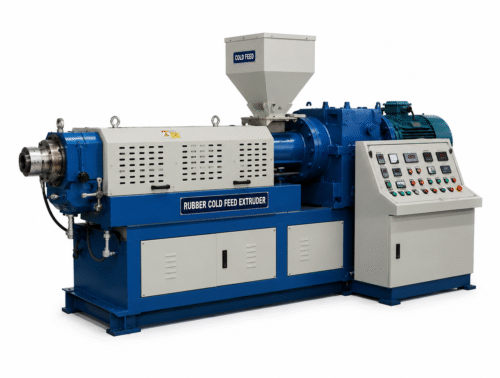 Rubber Cold Feed Extruder
 Rubber Strainer – Reclaim Extruder
 Reclaim Rotary Autoclave
 Compression Molding
 Injection Molding
 Vacuum Molding
 Rubber EVA Refiner Mill
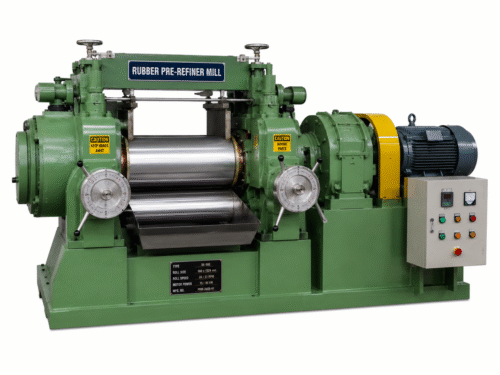 Rubber Pre-Refiner Mill
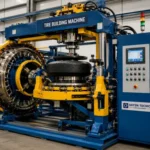 Tire Building Machine
 Tread & sidewall Extruder
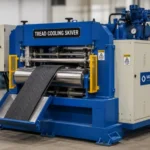 Tread Cooling skiver
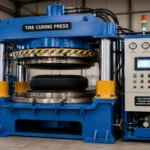 Tire curing press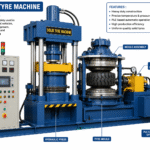
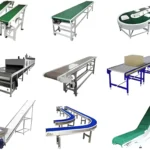
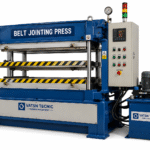 BELT JOINTING PRESS
 Belt Building Machine
 Eva Footwear Injection Molding Machines
 Hawaii Slipper Sole Sheet Machine
 Eva Sole Sheet Splitting
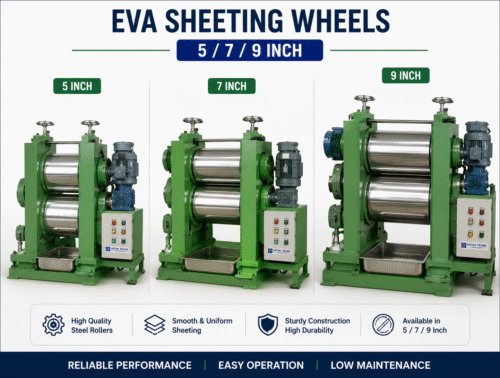 Eva Sheeting Wheels 5/7/9
 PVC Flooring Machine
 Plastic Pelletizing Line
 Filler / Masterbatch / PVC / TPR / EVA
 Breaker – Cracker Mill
 Shredder – Rasper Machines
 Waste Rubber Crumb Grinder Mill
Buy Rubber Calendar Machine in Bengaluru: Build a Complete Quotation Scope

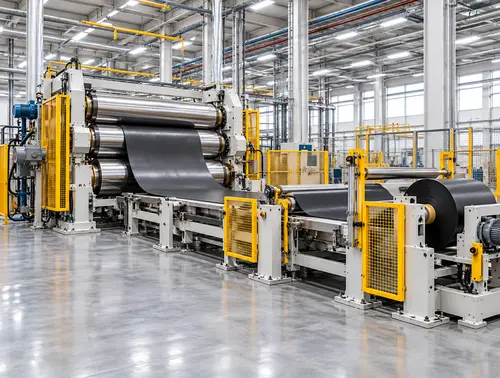
Short answer: a buyer considering a rubber calendar machine in Bengaluru should request a quotation for the required process line, not just a roll stand. The offer must identify feeding, roll-temperature services, take-off, cooling, winding, controls, guarding, installation interfaces, documents, and the limits of any trial.
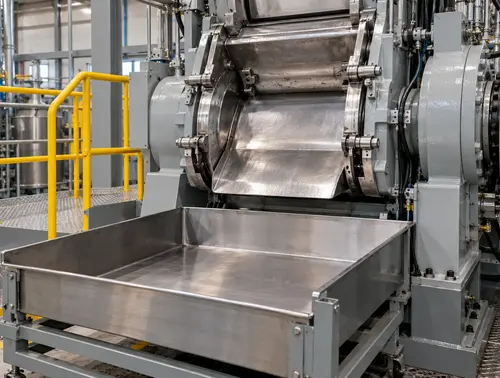
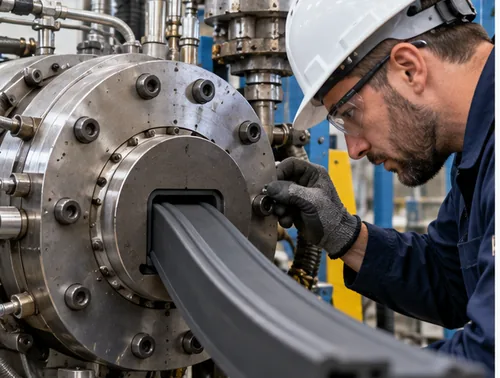
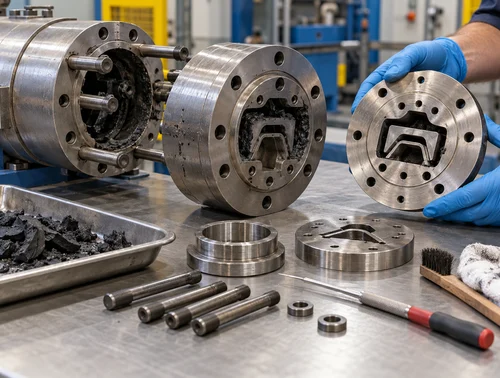
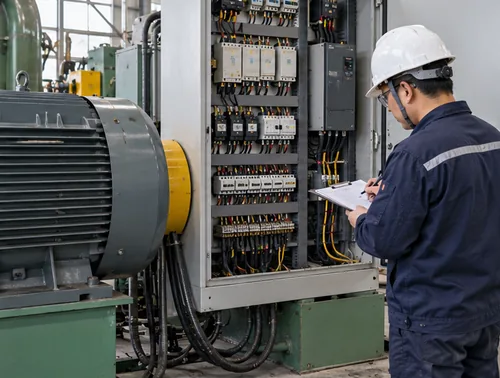
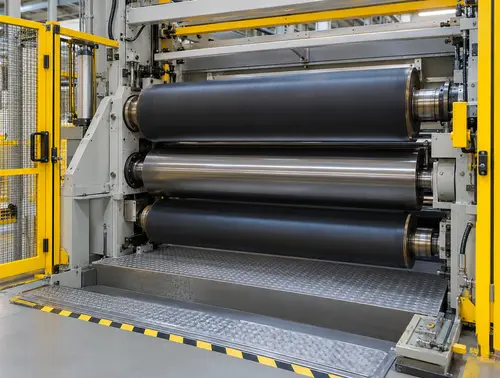
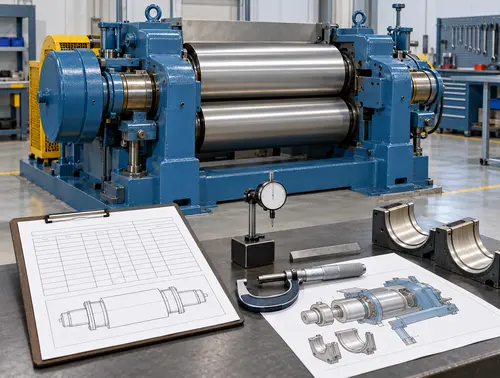
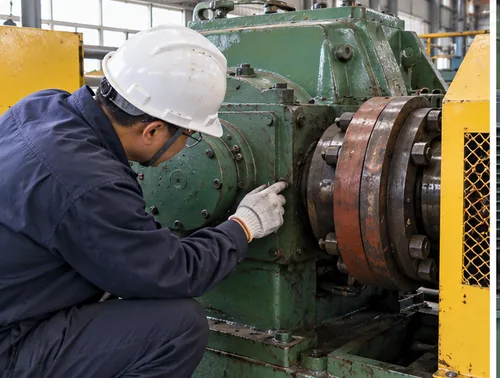
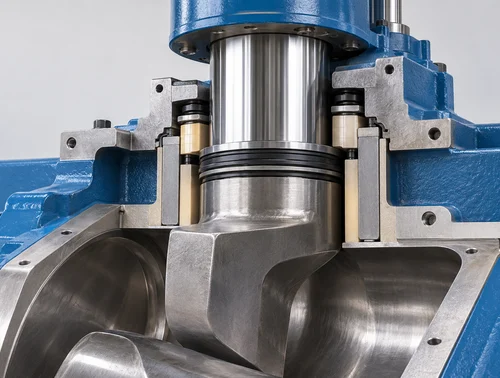
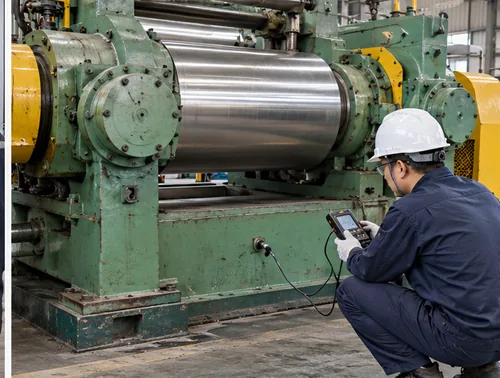
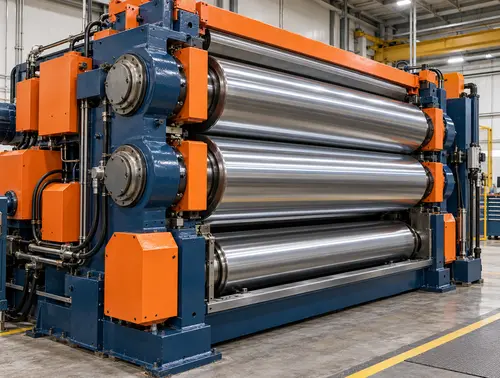
The images below are illustrative planning visuals and are not evidence of a specific machine’s condition or availability.
Start with the product and process route
A calender can be used in different process arrangements, and auxiliary needs change with the material and finished form. Define whether the intended work is a sheet, coating, frictioning, or another validated process. Provide representative material information, working-width requirement, thickness-control approach, upstream feed concept, and downstream handling expectation. Avoid treating an unsupported capacity or accuracy number as transferable across compounds and products.
Vatsn Tecnic’s rubber processing machinery category gives useful context. Buyers can also compare the earlier guides on roll inspection for a used rubber calendar and planning sheet and fabric process trials.
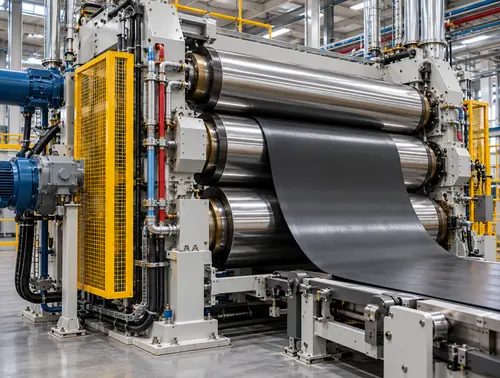
Define the rubber calendar machine in Bengaluru scope
Core machine and roll package
Record the roll arrangement, usable working area, drive configuration, gap-adjustment method, bearings, lubrication, guarding, and included instruments. Request condition evidence for the roll surfaces, journals, bearings, gears, and frame. If rolls will be refinished, define the work, inspection method, and evidence to be delivered. A polished surface alone does not demonstrate geometry or internal condition.
Feed, take-off, and winding modules
The quotation should show how prepared compound reaches the nip and how the emerging sheet or coated material is supported. Identify conveyors, guide rolls, cooling drums or conveyors, thickness measurement provisions, edge handling, liner handling, and winding or cutting. State which items are new, used, refurbished, excluded, or supplied by another party.
Utilities and control boundary
Clarify temperature-control units, piping manifolds, cooling water, electrical supply, compressed air, exhaust needs, and cable routes. Ask for a load list and a simple interface drawing. The controls scope should define the main panel, local stations, sensors, drives, emergency stops, interlocks, and handshakes with upstream and downstream units. Final safety validation remains a site responsibility shared with competent professionals.
| Quotation package | Useful when | Advantage | Limitation or trade-off |
|---|---|---|---|
| Roll stand only | Buyer already owns compatible auxiliaries | Lower scope and more reuse | Higher integration responsibility |
| Core plus temperature control | Existing utility equipment is unsuitable | Clearer thermal interface | Needs plant-water and layout checks |
| Line through take-off | Product needs controlled downstream support | Fewer mechanical hand-off gaps | Larger footprint and coordinated controls |
| Line through winding or cutting | Finished form is defined | More complete acceptance path | Must match material and product handling |
Make every supplier answer the same questions
Send a common enquiry sheet that separates mandatory requirements from preferences. Ask the supplier to mark every line included, excluded, optional, or requiring confirmation. Require a general arrangement drawing, component list, utility schedule, electrical scope, documentation list, proposed refurbishment work, trial plan, packing basis, delivery assumptions, and site-service terms. This format exposes differences that a total price cannot explain.
Use official safety standards only as frameworks, not as unsupported claims of compliance. ISO’s overview of machinery risk-assessment principles in ISO 12100 can inform questions, while Indian legal obligations and factory rules must be verified for the installation. Never infer conformity from an illustrative photo or an emergency-stop button alone.

| Review point | Preferred evidence | Decision supported | Residual uncertainty |
|---|---|---|---|
| Roll condition | Surface, dimensional, journal and bearing records | Whether further work is needed | Future life under unknown duty |
| Line interfaces | Layout, load list and marked scope drawing | Whether site services fit | Final field-routing details |
| Trial | Agreed material, settings, sample and exceptions log | Observed result under recorded conditions | Other compounds and products |
| Dispatch | Packing list and identification photographs | Whether quoted items are shipped | Installation and commissioning outcome |
Plan a realistic acceptance sequence
Begin with document review and static inspection. Resolve visible defects and verify guards, drives, controls, lubrication, roll surfaces, and utility connections before any agreed trial. During a trial, record the material, process arrangement, settings, sampling method, and observations. If the machine cannot be tested with the buyer’s material, define the limitation and the site-acceptance step that will address it.
Budget the interfaces, not only the machine
Allow for unloading, lifting, foundation or anchoring, levelling, utility connection, cable work, guarding completion, local inspection, trial material, skilled labour, and downtime. Also define manuals, drawings, spare-parts information, and training deliverables. A complete scope makes commercial comparison fairer and reduces last-minute additions.
Before approving a rubber calendar machine in Bengaluru, hold a joint scope review with production, maintenance, electrical, utilities, safety, quality, and purchasing. Each function should confirm the relevant interface and list any open assumption. Record the owner and due point for every unresolved item. This short review often exposes hidden work such as pipe routing, liner handling, access platforms, or a missing control handshake before it becomes a commissioning delay.
For a machine-specific discussion, send the product form, material route, available space, utilities, and acceptance expectations through the Vatsn Tecnic contact page.
To read More about Rubber Making Machine Visit Here:
https://www.indiamart.com/vatsntecnic/profile.html
Frequently asked questions
1. Is the roll stand a complete calender line?
No. Feeding, temperature control, take-off, cooling, winding or cutting, controls, guards, and site interfaces may be separate.
2. What should a quotation drawing show?
It should show the included modules, line direction, main dimensions, maintenance access, interfaces, and excluded plant connections.
3. Can one trial prove every product?
No. It shows performance only for the recorded material, arrangement, settings, and observation conditions.
4. Should temperature-control units be included?
Include them when existing services are incompatible or when coordinated supply reduces interface risk; otherwise define the exact connection duty.
5. What records help assess used rolls?
Request surface and dimensional findings, journal and bearing observations, repair history where available, and dated photographs.
6. Who supplies interconnecting guards?
The scope matrix should assign every fixed, movable, and interface guard; final site validation should confirm the complete line.
7. How should quotations be compared?
Normalize inclusions, condition, refurbishment, tests, services, documents, freight assumptions, and buyer-supplied work before comparing totals.
8. What information should the buyer send first?
Send the intended process, product form, material basics, working-width need, utilities, layout constraints, and acceptance expectations.