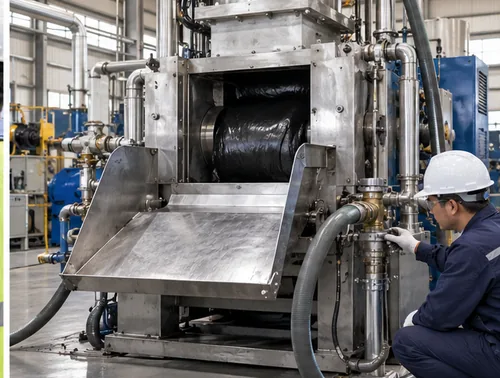
 Rubber Hot Feed Extruder
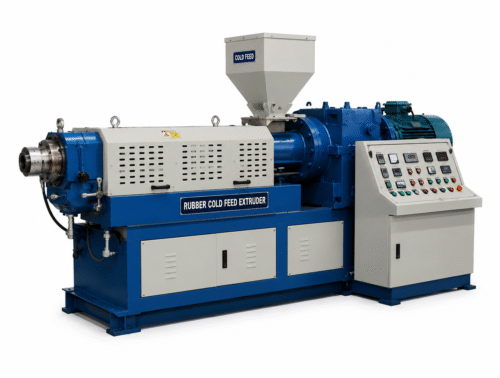 Rubber Cold Feed Extruder
 Rubber Strainer – Reclaim Extruder
 Reclaim Rotary Autoclave
 Compression Molding
 Injection Molding
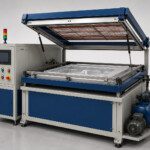 Vacuum Molding
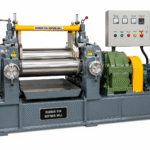 Rubber EVA Refiner Mill
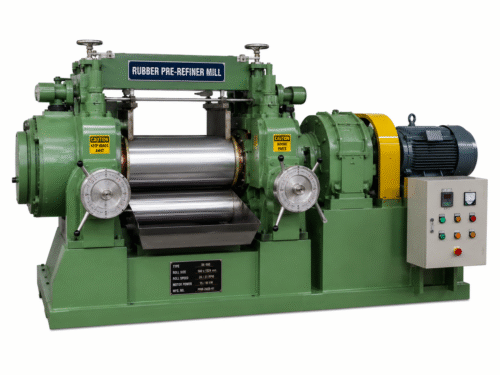 Rubber Pre-Refiner Mill
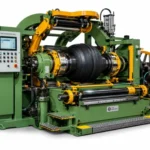
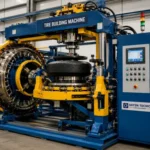 Tire Building Machine
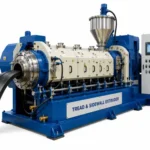 Tread & sidewall Extruder
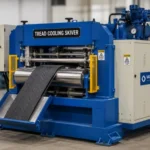 Tread Cooling skiver
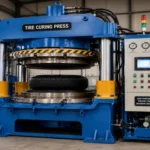 Tire curing press
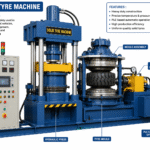
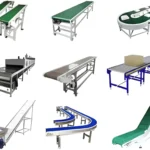
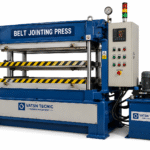 BELT JOINTING PRESS
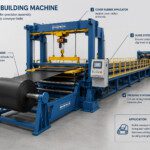 Belt Building Machine
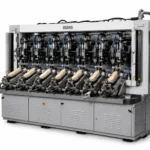
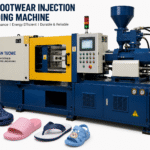 Eva Footwear Injection Molding Machines
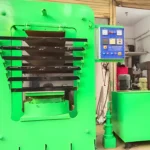 Hawaii Slipper Sole Sheet Machine
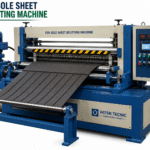 Eva Sole Sheet Splitting
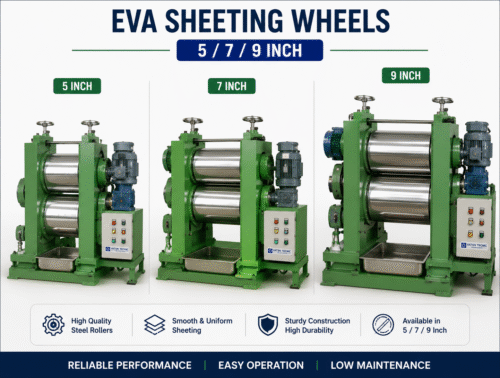 Eva Sheeting Wheels 5/7/9
 PVC Flooring Machine
 Plastic Pelletizing Line
 Filler / Masterbatch / PVC / TPR / EVA
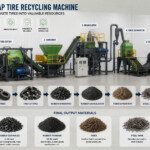
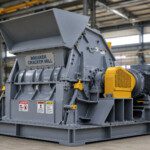 Breaker – Cracker Mill
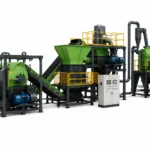 Shredder – Rasper Machines
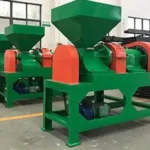 Waste Rubber Crumb Grinder Mill
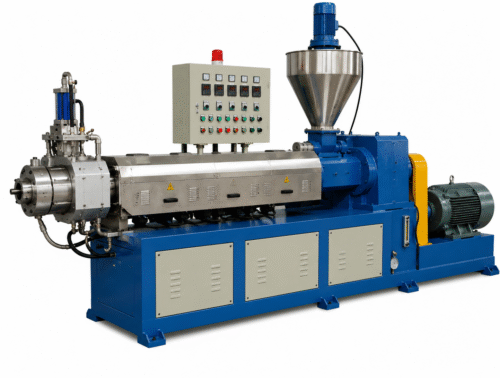
Source Rubber Extruder Machine in China: Check Voltage Before Shipping

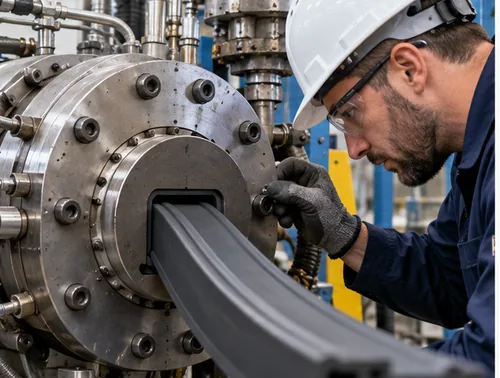
Quick answer: When you source a rubber extruder machine in China, check the voltage, frequency and phase before you check anything else. A machine built for a different supply may need new heaters, a transformer or a full panel, and that cost can exceed the saving on the machine.
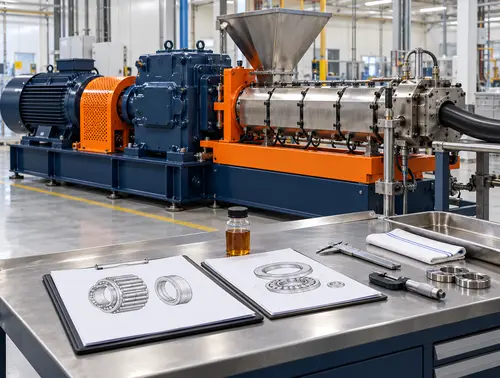
Cross-border buying rewards preparation. The mechanics of a Chinese-built extruder are usually straightforward; the electrical standard and the re-erection work are where budgets quietly break. Anyone sourcing a rubber extruder machine in China should treat the nameplate and the panel as the first inspection items.
This guide covers what to verify before shipping, how to plan re-erection, and the documentation that makes the difference between a working line and a stalled project.
Electrical standard comes first
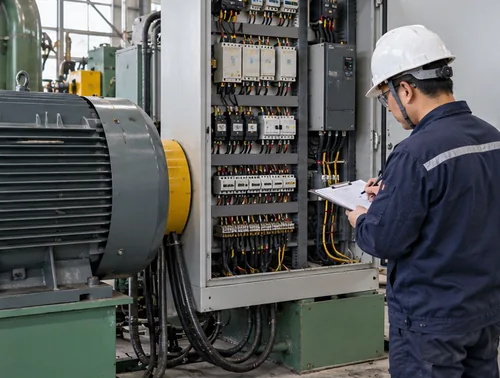
Ask for a photograph of the motor nameplate and the main panel schematic. The nameplate tells you voltage, frequency, rated current and insulation class; the schematic tells you how the heaters, contactors and safety circuits are arranged. Without both, you are guessing.
Motors and drives
A motor wound for one voltage and frequency may run on another, but not always at full rating. A variable-speed drive can accept different supplies if it is rated for them, but the drive’s input range and the motor’s insulation must match. Ask for the drive model and its input specification.
Heaters and controls
Heater bands are cheap to replace but easy to get wrong: voltage, wattage and physical size all matter. If the panel uses components that are not available locally, stock spares or plan a panel rebuild. Temperature controllers with unfamiliar menus slow commissioning and maintenance.
Electric supply comparison
| Item | Check | If it mismatches |
|---|---|---|
| Motor voltage | Nameplate vs site supply | Rewind, replace or add a transformer |
| Frequency | 50 Hz or 60 Hz | Speed and heating change; may need re-rating |
| Heater bands | Voltage and wattage | Replace; inexpensive but must be ordered |
| Panel components | Availability locally | Stock spares or rebuild the panel |
| Safety circuit | Emergency stop and interlocks | Re-wire to local practice before running |
What shipping does to a precision machine
An extruder is aligned in the factory and then travels thousands of kilometres. The barrel and gearbox are heavy, and the frame can distort if the machine is lifted from the wrong points. Ask for the lifting plan, confirm the points are marked, and photograph the machine before it is crated.
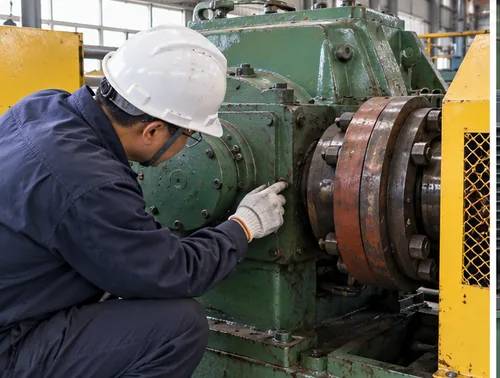
On arrival, check the coupling alignment, the barrel straightness and the panel for condensation. Do not energise a damp panel; dry it and test insulation first. Re-torque the foundation bolts after the machine has run warm for the first time, because thermal cycling settles the frame.
Shipping also affects the small things that stop a line: proximity switches knocked out of position, heater leads pulled loose, guards bent against the crate. Walk the machine with the packing list before you sign the delivery note, and photograph every discrepancy. A claim raised after the container is emptied is much harder to support than one raised on the dock, and the photographs are the only evidence most insurers will accept.
Re-erection checklist
| Stage | Action | Record |
|---|---|---|
| Uncrating | Photograph condition, check for transit damage | Photo set with date |
| Placement | Level and align to foundation drawing | Level readings |
| Coupling | Check alignment cold, recheck hot | Alignment figures |
| Electrical | Verify supply, insulation, rotation direction | Test sheet |
| Thermal | Bring each zone up and hold setpoint | Zone log |
| First run | Run with compound, check output and temperature | Run record |
Documentation and support
Ask for the manual in English, the electrical schematic, the spare parts list with part numbers, and the foundation drawing. Confirm whether the seller can provide remote support during commissioning and in what time zone. A supplier who answers questions during the sale but disappears after shipping leaves you dependent on local guesswork.
For related checks, see our notes on hot feed versus cold feed and thrust bearing and reducer records.
Confirm, too, who pays for the electrical modifications if the panel does not suit your supply. Settling that before the order is placed is far easier than negotiating it while the machine sits on your floor.
Keep the crating list and the inspection photographs with the machine documentation. When a part is missing three months later, the packing list is what settles whether it was ever shipped, and it takes a minute to file.
Importing an extruder? Vatsn Tecnic supplies new, used and refurbished rubber processing machinery and can help you specify the electrical standard before the order is placed, so the machine arrives ready for your supply.
To read More about Rubber Making Machine Visit Here:
https://www.indiamart.com/vatsntecnic/profile.html
Frequently asked questions
Can a 60 Hz machine run on 50 Hz supply?
It can run, but the motor speed drops and the cooling and torque characteristics change. Whether it is acceptable depends on the motor design and the load. Ask the manufacturer rather than assuming.
Do I need a transformer?
Only if the motor or panel cannot be reconfigured for your supply. Compare the cost of a transformer with the cost of replacing the motor and heaters; sometimes replacement is cheaper.
What should I check on arrival?
Transit damage, coupling alignment, barrel condition, panel moisture and insulation resistance. Photograph everything before uncrating fully.
Is it worth buying from China?
It can be, when the specification matches your supply and the documentation is complete. The risk is not the origin; it is an incomplete specification and missing drawings.
How long does re-erection take?
Allow several days for placement, alignment and electrical checks, plus time for thermal tuning and the first production run. Plan for the panel work to take longer than expected.
Who should do the electrical work?
A local electrician familiar with your supply and safety practice, working from the schematic. Do not rely on improvisation during commissioning.
What spare parts should I order with the machine?
Heater bands, thermocouples, contactors, seals and screens. These are inexpensive at the point of order and slow to source later.
How do I verify the machine before shipment?
Ask for a video of it running, photographs of the nameplates, and a third-party inspection if the value justifies it. Confirm the crating method and the lifting points.