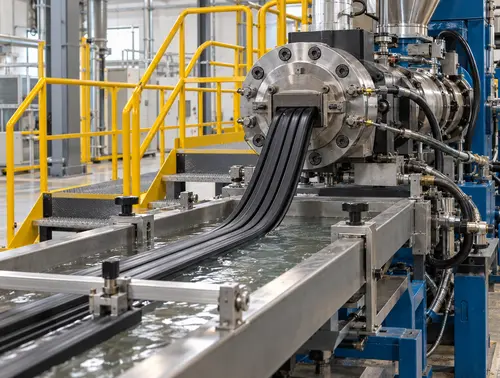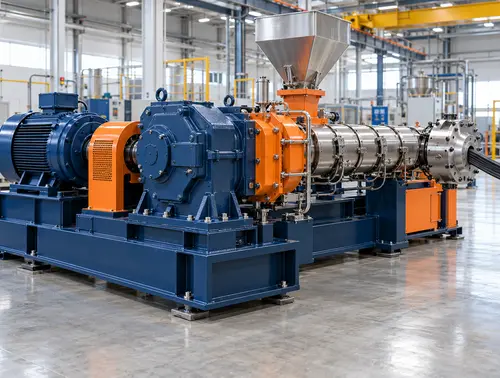
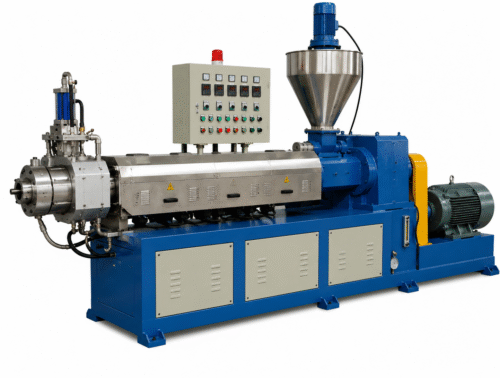
 Rubber Hot Feed Extruder
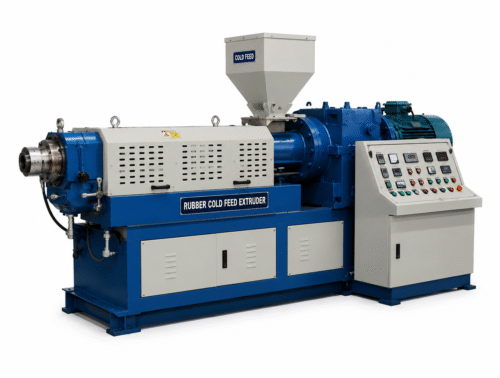 Rubber Cold Feed Extruder
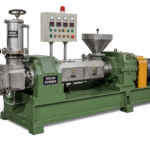 Rubber Strainer – Reclaim Extruder
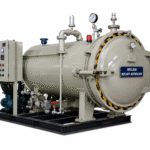 Reclaim Rotary Autoclave
 Compression Molding
 Injection Molding
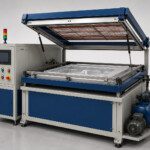 Vacuum Molding
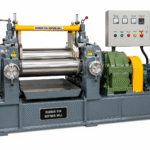 Rubber EVA Refiner Mill
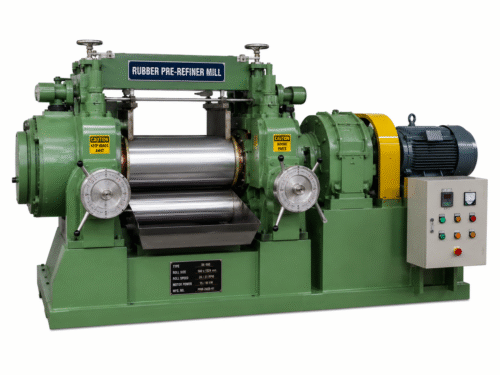 Rubber Pre-Refiner Mill
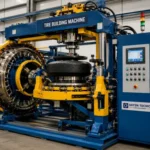 Tire Building Machine
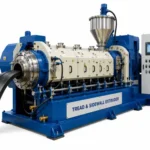 Tread & sidewall Extruder
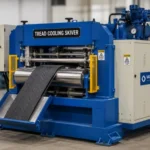 Tread Cooling skiver
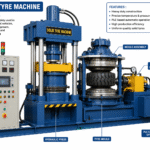
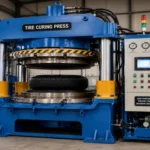 Tire curing press
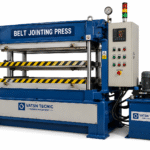 BELT JOINTING PRESS
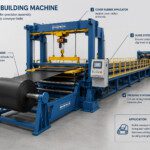 Belt Building Machine
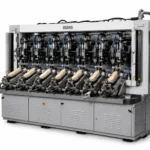
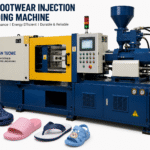 Eva Footwear Injection Molding Machines
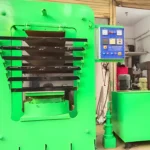 Hawaii Slipper Sole Sheet Machine
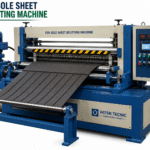 Eva Sole Sheet Splitting
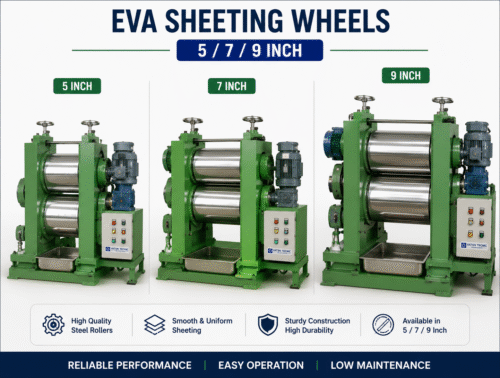 Eva Sheeting Wheels 5/7/9
 PVC Flooring Machine
 Plastic Pelletizing Line
 Filler / Masterbatch / PVC / TPR / EVA
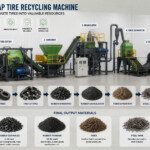
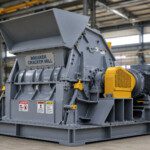 Breaker – Cracker Mill
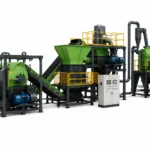 Shredder – Rasper Machines
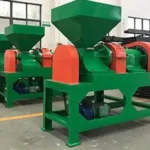 Waste Rubber Crumb Grinder Mill
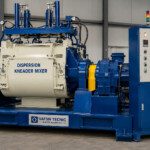
Refurbished Rubber Dispersion Kneader in Vietnam: Plan the Wear Parts

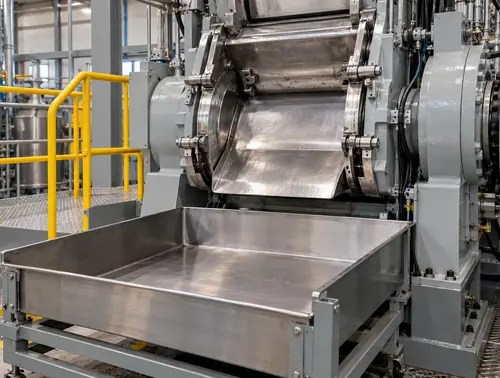
Quick answer: A refurbished rubber dispersion kneader in Vietnam is only a good buy if you can source its wear parts. Before you pay, list the parts that wear, confirm which are standard, and price a full set — the machine is cheap only if the spares are obtainable.
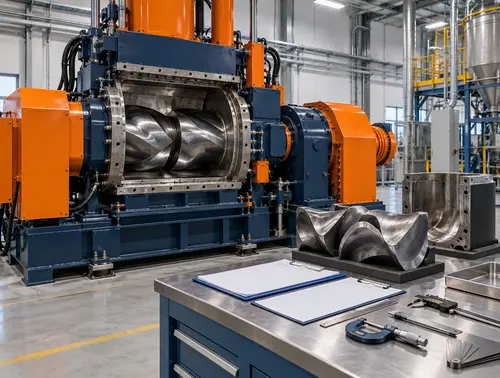
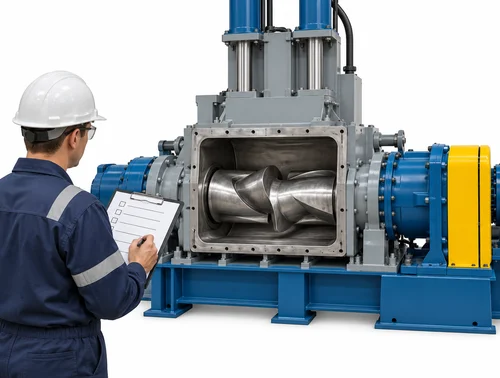
Kneaders wear in predictable places: the rotors, the chamber liner, the ram seals and the discharge door. A rubber dispersion kneader in Vietnam bought without a spares plan often sits idle for weeks waiting for a part that could have been ordered with the machine.
This guide explains what wears, how to judge whether a part is standard or proprietary, and how to build a spares package that keeps the machine running.
The parts that actually wear
Mixing is abrasive. Compound containing carbon black and fillers slowly removes material from the surfaces it touches, and the clearances that make the kneader work open up. The wear is gradual, so operators compensate by adding time to the cycle until quality drifts and the cause is no longer obvious.
Rotors and chamber
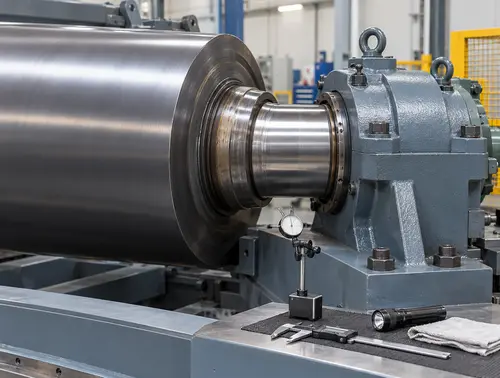
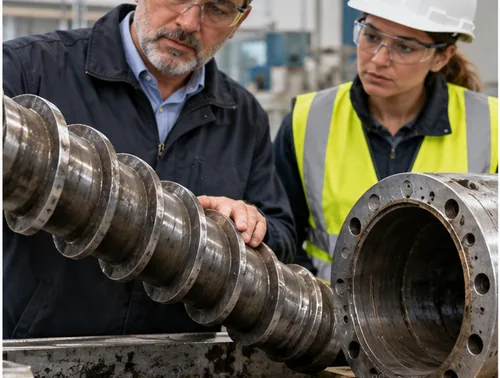
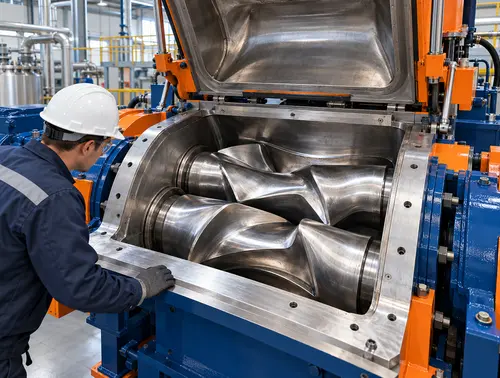
Rotor tips and the chamber liner are the first to go. Check tip clearance and look for polishing, grooves and hard-facing repairs. A rotor that has been rebuilt by welding may be serviceable, but only if the profile was restored correctly; a poorly rebuilt rotor mixes badly and stresses the drive.
Ram, seals and door
The ram seals keep compound out of the guide and pressure in the chamber. The discharge door seal decides how cleanly the batch leaves. Both are consumables and both should be available as spares.
Wear parts and sourcing
| Part | Sign it needs attention | Sourcing risk |
|---|---|---|
| Rotor tips / hard facing | Falling dispersion quality, longer cycles | High — needs a specialist workshop |
| Chamber liner | Visible grooves, clearance growth | Medium — often machined locally |
| Ram seals and guides | Compound in the guide, uneven ram travel | Low — usually standard profiles |
| Door seal and clamp seals | Leaks at discharge, hardening | Low — standard items |
| Coupling and drive elements | Noise, backlash, vibration | Medium — depends on the drive |
OEM parts or local fabrication
| Route | Advantage | Risk |
|---|---|---|
| OEM parts | Correct fit and material | Cost and lead time across borders |
| Local fabrication | Fast and cheaper | Material and tolerance may not match |
| Reverse-engineered copies | Cheap for simple parts | Unsafe for pressure and drive components |
What to ask the seller
- Which parts were replaced during refurbishment, with dates and invoices.
- Which parts are original and which are copies.
- Whether drawings exist for rotors, liner and door.
- Whether the manufacturer is still trading and supplying spares.
- The lead time for a rotor, a liner and a set of seals.
If the manufacturer is gone, the drawings decide whether the machine is maintainable. A kneader with no drawings is a machine that will be rebuilt by measurement, which is slow and expensive.
Planning for a plant in Vietnam
Confirm local machining capacity before you buy: who can machine a liner, who can rebuild a rotor, and what tolerance they can hold. Visit the workshop if possible. A supplier who says yes on the phone may not have the equipment when the part arrives.
Also check the electrical standard and the availability of seal profiles locally. These are small items that stop production when they fail. Our notes on rotor and chamber wear and ram seals and guides go deeper on the inspection side.
Budget for the first year of spares as part of the purchase, not as an afterthought. A realistic package covers the consumables you know will fail and the one structural part that would stop production if it did. Put the cost beside the machine price when you compare two offers; the cheaper machine with an unavailable rotor is the more expensive choice.
Confirm the delivery time for each spare in writing, not just the price. A part that arrives in six weeks is not a spare; it is a shutdown, and the quote should tell you which items carry that risk.
Finally, ask the seller to identify which parts are no longer available from any source. Every older machine has at least one; knowing which it is before purchase turns a future emergency into a planned purchase.
Buying a kneader? Vatsn Tecnic supplies new, used and refurbished rubber processing machinery. Ask for the spares list and the wear history with the quotation, and we will help you compare machines on lifetime cost rather than price alone.
To read More about Rubber Making Machine Visit Here:
https://www.indiamart.com/vatsntecnic/profile.html
Frequently asked questions
How long do kneader rotors last?
It depends on the compound, the filler loading and the operating discipline. Abrasive compounds wear rotors faster. Ask for the machine’s history and inspect tip clearance rather than relying on an age estimate.
Can a worn rotor be rebuilt?
Often yes, by rebuilding the tip and restoring the profile. The quality of the rebuild matters: a rotor that is built up without restoring the profile will mix poorly and load the drive unevenly.
Which spares should I buy with the machine?
Ram seals, door seals, clamp seals, a set of bearings and a spare coupling element. Add a rotor or liner if the current ones are near the end of their life.
Are local copies of seals acceptable?
For low-pressure seals, usually yes if the material suits the compound. For pressure and drive components, use the correct part or a certified equivalent.
What if the manufacturer no longer exists?
You need drawings or a workshop capable of measuring and reproducing parts. Without either, the machine’s maintenance cost becomes unpredictable.
How do I check the chamber liner?
Look for grooves and steps, measure clearance against the rotor, and check whether the liner has been replaced or repaired. A lined chamber that has been welded is a risk.
Does refurbishment include new seals?
It should, but confirm in writing. A refurbishment that reused old seals is not complete, and the first failure will come sooner than expected.
How do I compare two used kneaders?
Compare wear measurements, the spares list, drawing availability and the local support route. Price alone tells you nothing about the cost of the next two years.