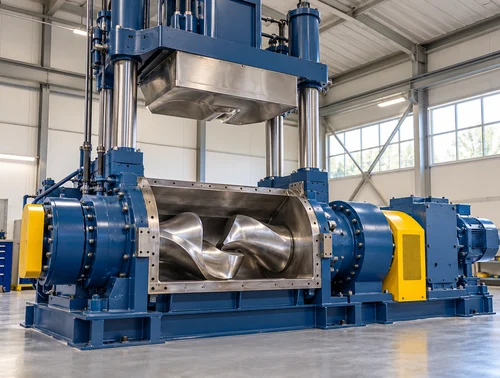

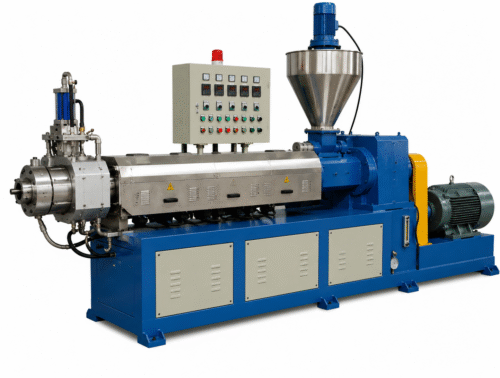
 Rubber Hot Feed Extruder
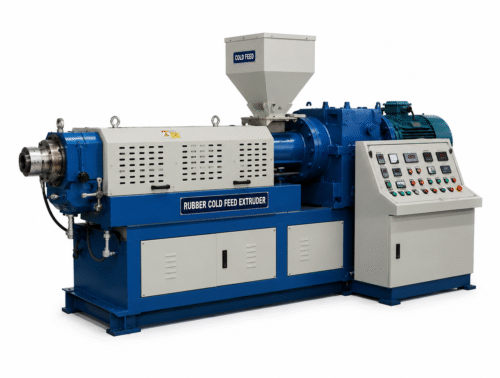 Rubber Cold Feed Extruder
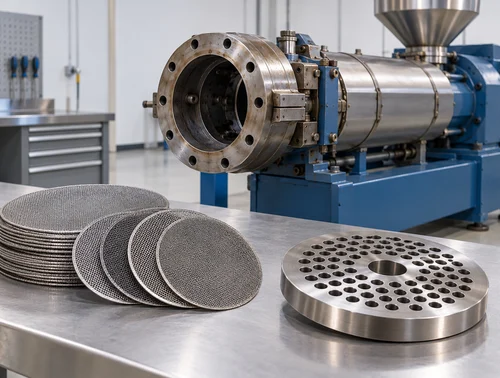
 Rubber Strainer – Reclaim Extruder
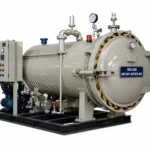 Reclaim Rotary Autoclave
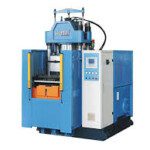 Compression Molding
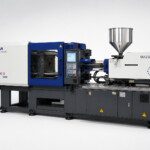 Injection Molding
 Vacuum Molding
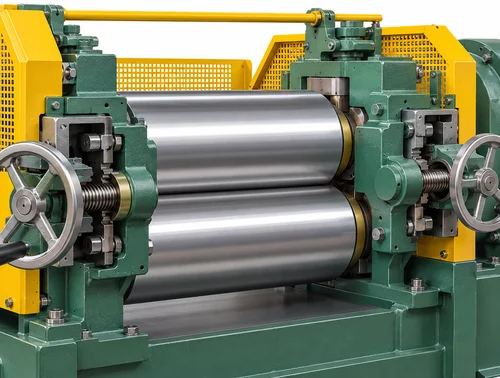
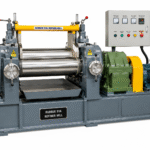 Rubber EVA Refiner Mill
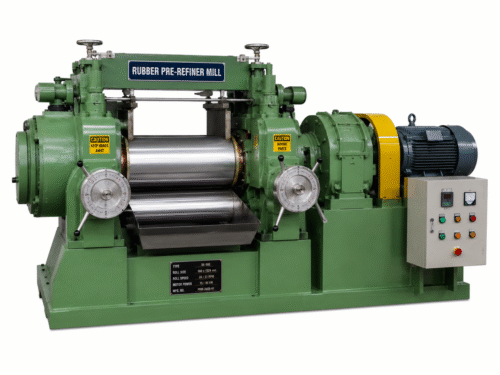 Rubber Pre-Refiner Mill
 Tire Building Machine
 Tread & sidewall Extruder
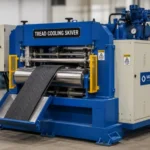 Tread Cooling skiver
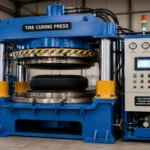 Tire curing press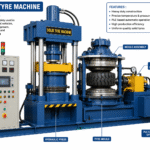
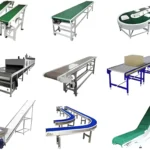
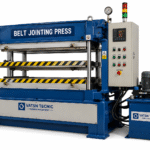 BELT JOINTING PRESS
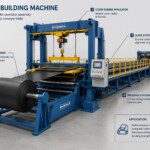 Belt Building Machine
 Eva Footwear Injection Molding Machines
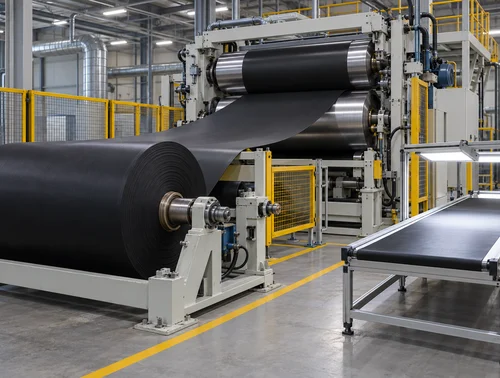
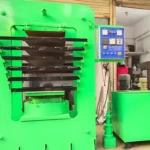 Hawaii Slipper Sole Sheet Machine
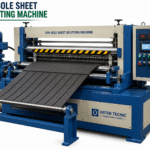 Eva Sole Sheet Splitting
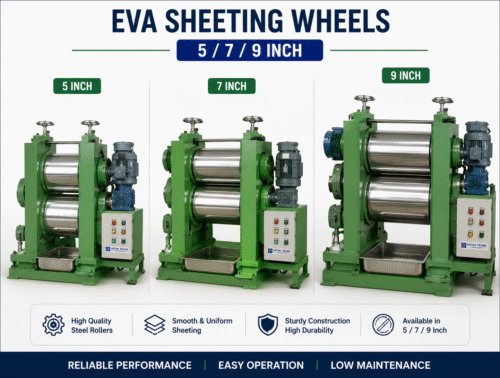 Eva Sheeting Wheels 5/7/9
 PVC Flooring Machine
 Plastic Pelletizing Line
 Filler / Masterbatch / PVC / TPR / EVA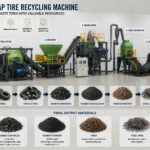
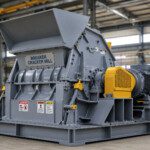 Breaker – Cracker Mill
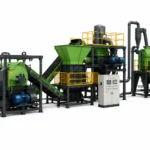 Shredder – Rasper Machines
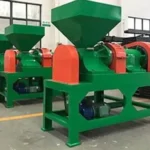 Waste Rubber Crumb Grinder Mill
Trusted Rubber Extruder Machine in Turkey: Check Thrust Bearing and Reducer Records

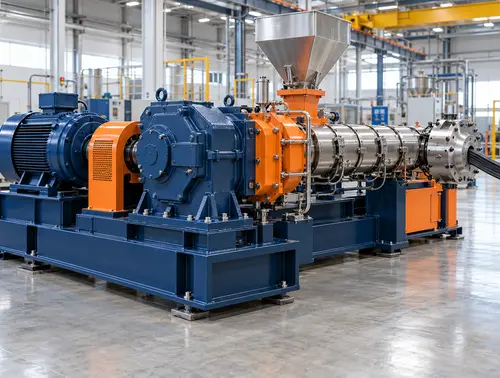
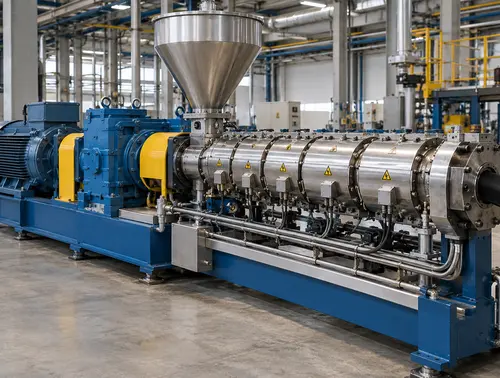
A trusted rubber extruder machine in Turkey should be assessed through the complete load path from motor and reducer to thrust-bearing arrangement and screw, supported by service and lubricant evidence. A smooth idle video cannot reproduce axial process load. Buyers should therefore separate what a controlled run demonstrates from what requires records, inspection or specialist measurement.
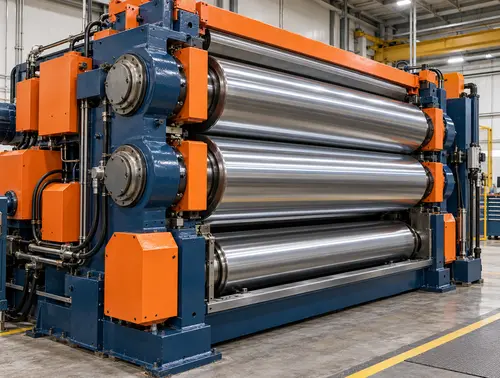
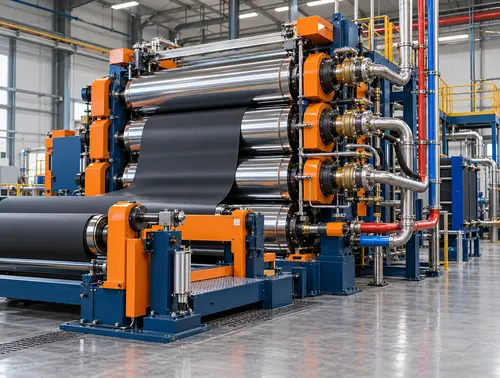
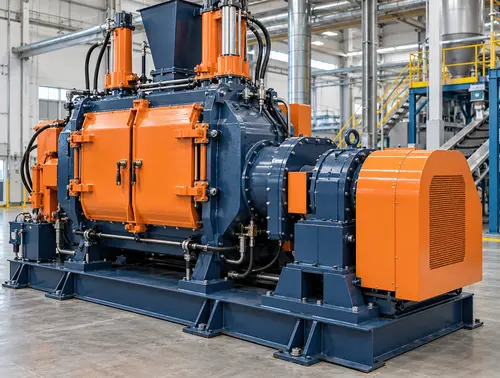
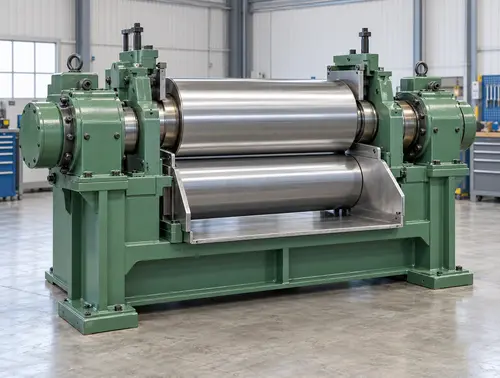
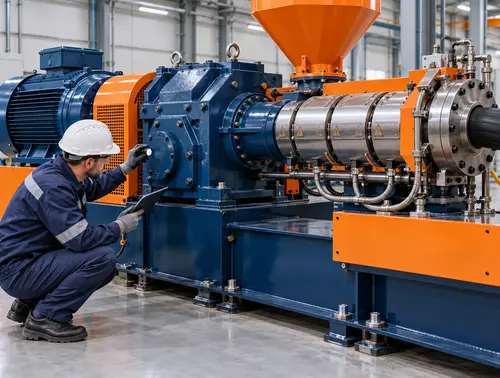
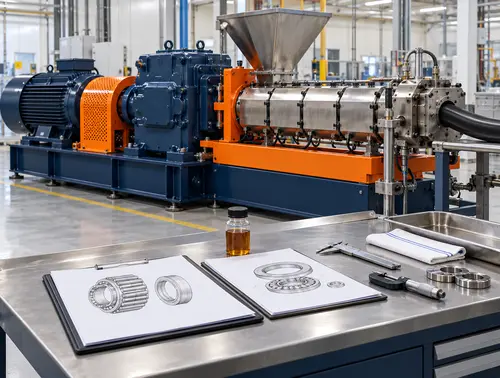
Images in this article are illustrative planning visuals. They do not prove the condition or availability of a specific machine.
How to evaluate trusted rubber extruder machine in Turkey
Use the following checks to connect machine condition, inspection evidence and commercial responsibility without treating an unsupported claim as a verified fact.
Understand why the thrust path belongs in the purchase scope
Extrusion pressure creates axial load that must be carried through the screw drive and its engineered thrust arrangement. The exact design varies, so the buyer should identify the reducer, coupling, output arrangement and bearing housing from machine-specific drawings or tags. Do not assume a standard industrial gearbox is equivalent to an extruder drive. The commercial scope should state what is included and what cannot be verified before dismantling.
Collect service history before interpreting condition
Request lubricant type, change history, filter or breather work, seal replacements, bearing repairs, gear work and any unusual-noise investigation. Match invoices and photographs to the offered equipment identity. Long storage, water entry or unrecorded oil mixing can change the risk even when the casing appears clean. Missing records should lead to an inspection plan, not an invented diagnosis.
Inspect the reducer and bearing area safely
After approved isolation, examine oil level indicators, breathers, seals, inspection covers, mounting feet, coupling guards and foundations. Note leaks, contamination, metallic residue around drains or magnets when accessible, discoloured paint, loose fasteners and previous repair marks. Internal inspection should be performed only through a competent procedure that prevents contamination and respects the manufacturer’s instructions.
Define what a controlled run can show
Record motor current where safely available, speed condition, run duration, oil level, casing temperatures at repeatable points, noise observations and leakage. If material is processed, document the compound, screw, head, die, pressure instrumentation and feed condition. A run may reveal abnormal behaviour, but it cannot guarantee remaining bearing life. Avoid loading a machine whose lubrication or safety condition is unresolved.
Use measurements only with an agreed method
Radial or axial movement checks, vibration readings and oil analysis can be useful when instruments, locations and conditions are documented. Results must be interpreted against appropriate machine information or competent specialist judgement. One unexplained reading should not be used as a universal pass or fail. Repeatability and traceability matter more than a number copied from another extruder.
Translate drive uncertainty into quotation language
List inspections, oil service, seals, bearing investigation, gear repair, alignment, coupling work and commissioning separately. State whether the machine is sold as-is, conditionally accepted or delivered after defined work. Include spare references and handling instructions where available. A precise open-item register prevents the broad word ‘tested’ from masking the limitations of an unloaded run.
Compare the evidence before committing
| Evidence or route | Practical advantage | Limitation or trade-off |
|---|---|---|
| Reducer identity and drawings | Confirms offered drive arrangement | Does not prove current condition |
| Lubricant and repair records | Shows maintenance traceability | Missing entries create uncertainty |
| Controlled run log | Documents behaviour under stated conditions | Idle load differs from extrusion load |
| Specialist movement or oil checks | Adds targeted condition evidence | Needs correct method and interpretation |
The comparison should be read with the offered machine’s actual access, records and intended duty. An unavailable item should be labelled unavailable rather than replaced with an assumption.
Choose a purchase scope that assigns risk
| Scope | Advantage | Trade-off |
|---|---|---|
| As-is with planned drive overhaul | Buyer controls rebuild scope | Highest post-purchase uncertainty |
| Seller completes listed repairs | Clearer delivery expectation | Verification and parts standard must be agreed |
| Conditional acceptance after loaded trial | More process-relevant evidence | Needs material, tooling and safe utilities |
| Third-party drive inspection | Independent technical record | Access may still limit conclusions |
Whichever route is selected, acceptance should refer to named evidence, stated test conditions and an open-item register. This keeps commercial language aligned with what was actually verified.
Practical buyer checklist
- Confirm the exact offered machine identity before using any record.
- Define safe access, isolation and witness responsibilities.
- Record instruments, locations, conditions and limitations.
- Separate visible condition from measured or documented condition.
- Assign every repair, exclusion and missing document to an owner.
- Retain dated photographs and the final accepted scope.
For related planning, review this Vatsn Tecnic buyer guide. Safe inspection and maintenance planning should follow competent procedures; the UK Health and Safety Executive provides general safe-maintenance guidance. These references support the method, but the offered machine still requires its own assessment.
Request a machine-specific review
Send Vatsn Tecnic the machine identity, intended product, available records, photographs and test constraints. The team can help organise the enquiry around observable evidence and a written scope. Avoid committing on photographs, a location label or an unsupported performance promise alone.
To read More about Rubber Making Machine Visit Here:
https://www.indiamart.com/vatsntecnic/profile.html
Buyer FAQs
Can an idle extruder prove the thrust bearing is healthy?
No. It can show basic running behaviour but not the full axial load experienced during extrusion.
Should gearbox oil be replaced before the trial?
Follow a competent plan. Sampling may be useful before replacement, while unsafe or contaminated oil may require service first.
What records matter most?
Drive identity, lubricant history, seal and bearing work, gear repairs, abnormal-noise investigations and dated run evidence.
Can vibration alone decide acceptance?
No. It must be measured and interpreted in the context of speed, load, location, machine design and other evidence.
What if the reducer plate is unreadable?
Record that gap and use drawings, dimensions and specialist identification before ordering parts or accepting claims.
Should the screw and barrel be reviewed separately?
Yes. Drive condition and process-component wear interact commercially but require their own inspection evidence.
Who owns alignment after relocation?
Assign responsibility for reference marking, transport protection, installation alignment and commissioning in writing.
What should an enquiry include?
Send photographs of the drive arrangement, tags, available service records, intended compound, tooling and trial limitations.
Conclusion
trusted rubber extruder machine in Turkey enquiries should lead to a decision record that distinguishes verified facts, open questions and assigned corrective work. When the buyer defines evidence before price negotiation, the quotation becomes easier to compare and the destination team receives a more useful handover.