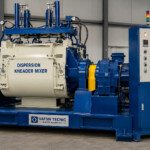

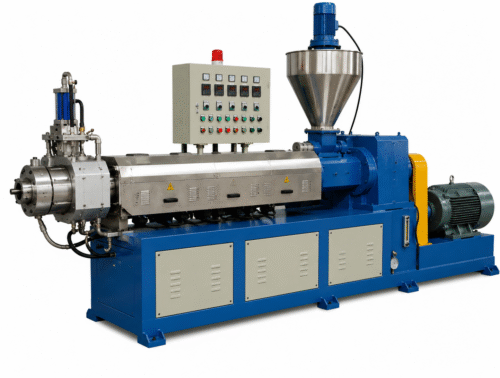
 Rubber Hot Feed Extruder
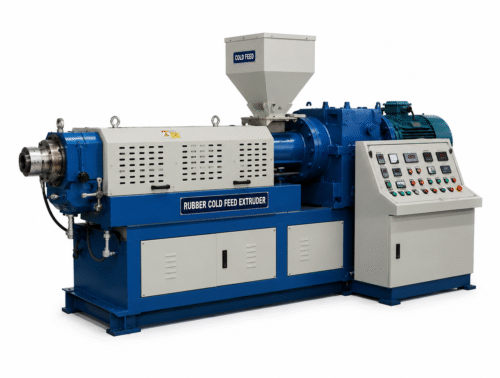 Rubber Cold Feed Extruder
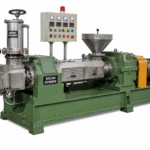 Rubber Strainer – Reclaim Extruder
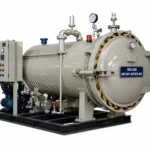 Reclaim Rotary Autoclave
 Compression Molding
 Injection Molding
 Vacuum Molding
 Rubber EVA Refiner Mill
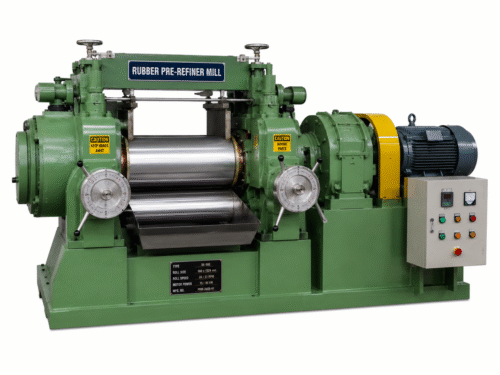 Rubber Pre-Refiner Mill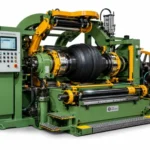
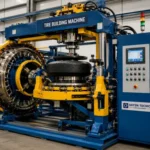 Tire Building Machine
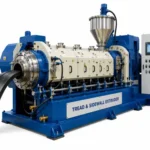 Tread & sidewall Extruder
 Tread Cooling skiver
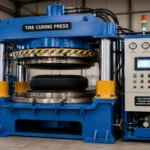 Tire curing press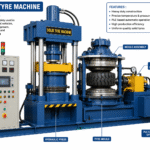
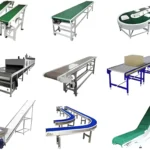
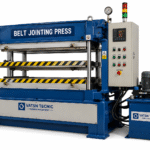 BELT JOINTING PRESS
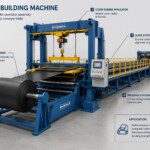 Belt Building Machine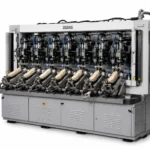
 Eva Footwear Injection Molding Machines
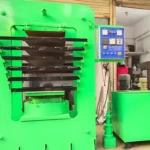 Hawaii Slipper Sole Sheet Machine
 Eva Sole Sheet Splitting
 Eva Sheeting Wheels 5/7/9
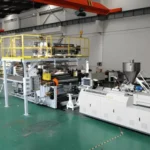 PVC Flooring Machine
 Plastic Pelletizing Line
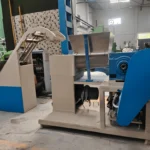 Filler / Masterbatch / PVC / TPR / EVA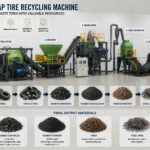
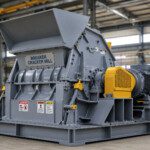 Breaker – Cracker Mill
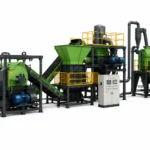 Shredder – Rasper Machines
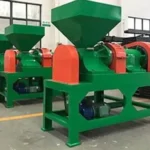 Waste Rubber Crumb Grinder Mill
Reconditioned Rubber Mixing Mill in Mumbai: Verify Safeguards Before Trial

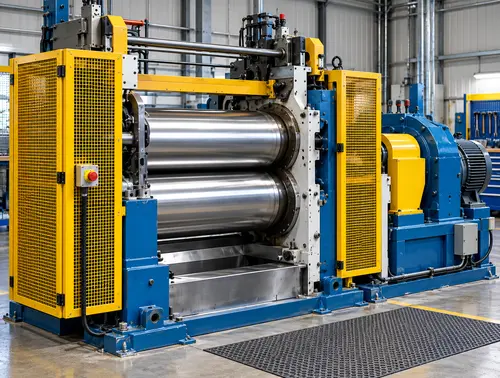
Short answer: before trialling a reconditioned rubber mixing mill in Mumbai, verify the safeguards, stopping arrangements, drive isolation, roll and bearing condition, cooling connections, controls, and documented refurbishment scope. A fresh coat of paint is not evidence that the mill is safe or mechanically ready.
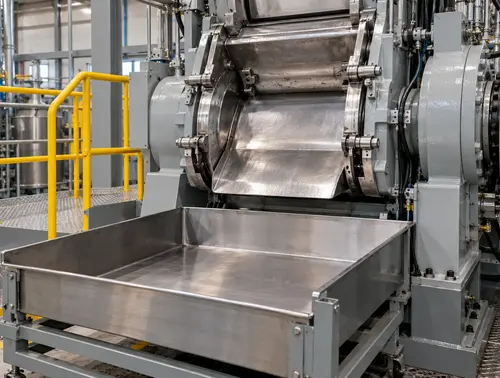
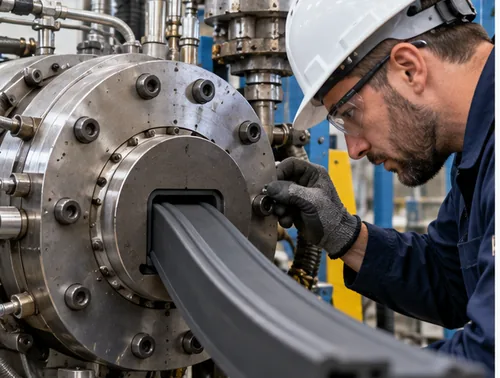
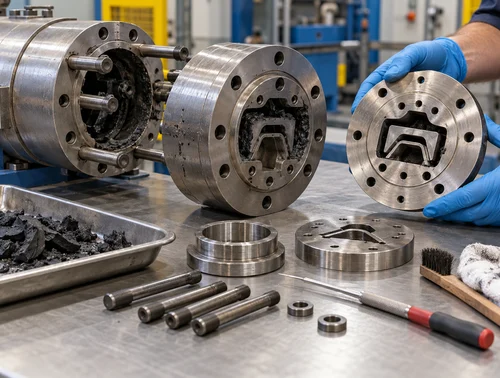
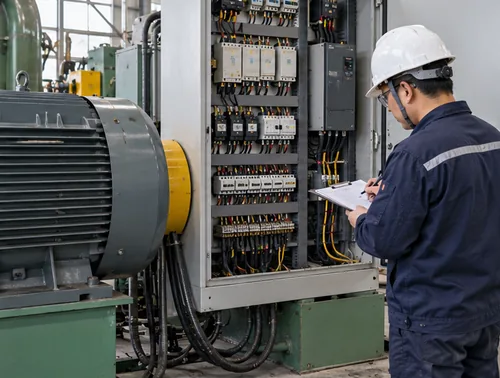
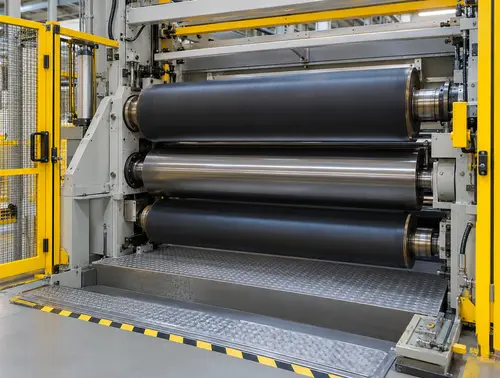
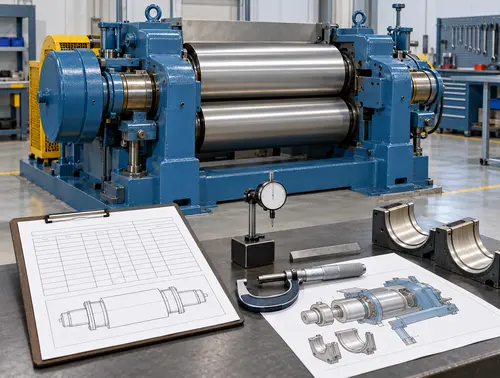
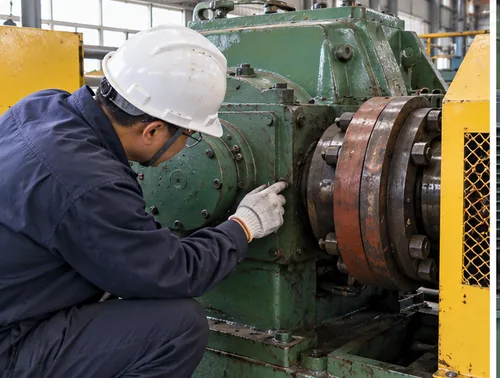
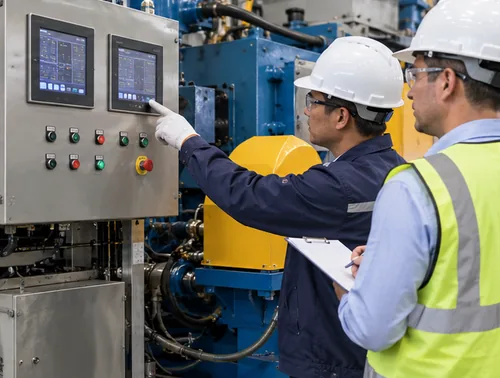
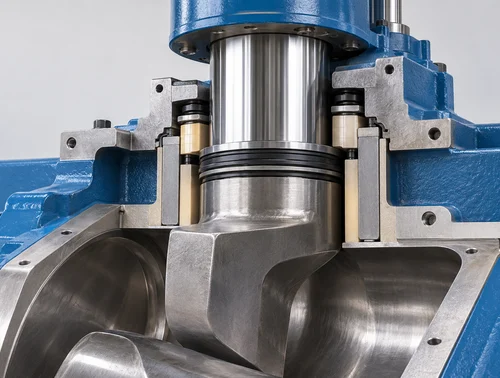
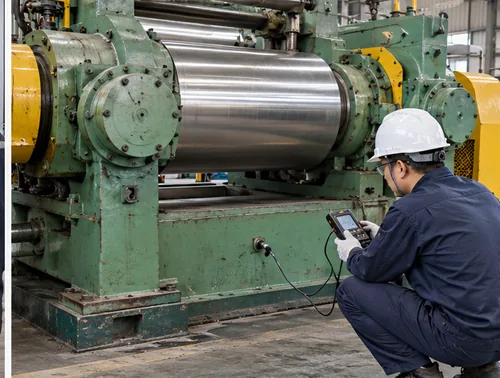
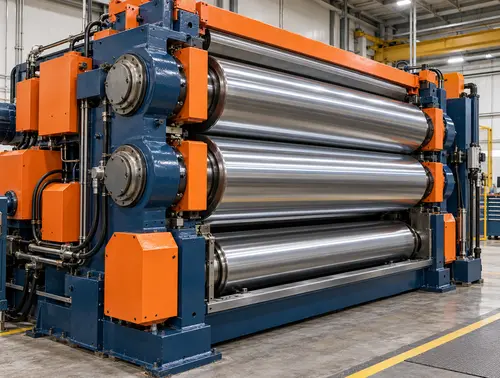
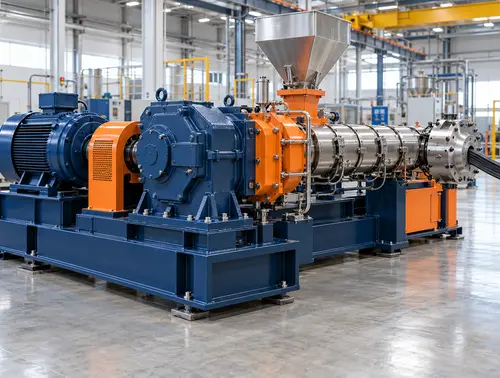
These images are illustrative inspection visuals. They do not certify or prove the condition of any specific mill.
Separate appearance from acceptance evidence
Reconditioning can range from cleaning and repainting to documented mechanical, electrical, and safety work. Ask the seller to list each completed task, replaced component, inspection, and remaining exception. Link photographs and readings to the machine identity and date where practical. The buyer’s competent team must still confirm applicable Indian legal, electrical, factory, and safety requirements at the final installation.
For general purchasing context, read Vatsn Tecnic’s guide on how to choose a rubber mixing mill. The installation and handover checklist covers the later site stage.
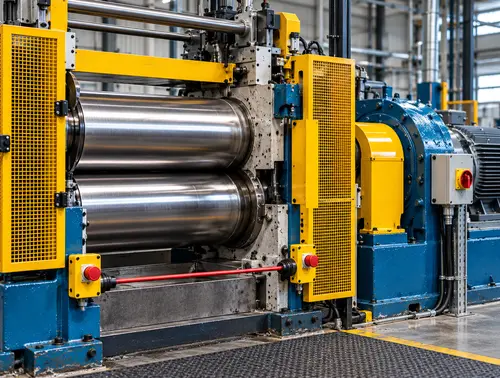
Inspect the reconditioned rubber mixing mill in Mumbai
Rolls, bearings, and drive train
With the machine safely isolated, review roll surfaces, journals, bearing areas, lubrication points, couplings, gears or gearbox, motor, foundation features, and signs of leakage or abnormal repair. Request measured findings where they are relevant and available. During an authorized test, competent personnel should record noise, vibration, temperature observations, control response, and any exception without entering hazardous areas.
Guards and access control
Confirm guarding around the drive, transmission, and other dangerous moving parts. Review how normal feeding, adjustment, cleaning, and maintenance tasks are intended to be performed. A guard that is present but interferes with routine work may be bypassed later, so usability matters. Any removable or movable guard and its interlock should be included in the functional test plan.
Emergency stopping and isolation
Identify every stop device, trip bar or equivalent safeguarding feature, its reachable area, reset logic, and test method. Verify the electrical isolator, lockout provision, stored-energy risks, and restart behaviour. An emergency stop is supplementary protection; it does not replace fixed guarding, safe procedures, training, or verified stopping performance.
| Inspection item | Useful evidence | Advantage | Limitation |
|---|---|---|---|
| Roll and bearing condition | Measurements, photos and observed test behaviour | Supports mechanical planning | Cannot guarantee future life |
| Drive guarding | Coverage review and access test | Shows exposed hazard points | Must be reassessed after installation |
| Stopping devices | Functional test and recorded response | Confirms operation at test time | Does not replace all safeguards |
| Isolation | Device identification and lockout review | Supports safer maintenance planning | Site energy sources may differ |
Use recognized guidance carefully
The US Occupational Safety and Health Administration publishes a specific mills and calenders standard describing safeguarding concepts such as stopping controls. It is a useful technical reference, not a substitute for Indian requirements. ISO also outlines general machinery risk assessment and risk reduction principles. Ask a qualified local safety professional to determine what applies to the machine and factory.
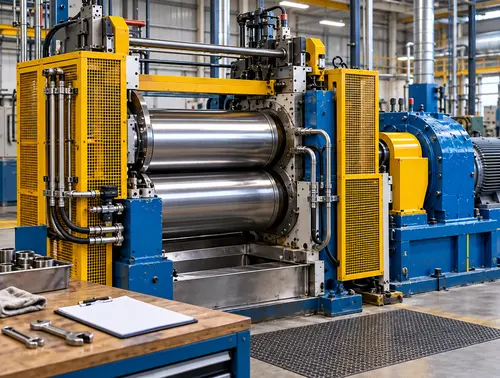
Agree the trial before anyone starts the mill
Create a written pre-start checklist covering installation condition, guarding, controls, isolation, lubrication, cooling, test area, trained personnel, emergency plan, and authorization. Define whether the trial is no-load or uses an agreed compound. Record material, settings, observation points, stop tests, and exceptions. Never place a person near a nip or moving drive merely to create inspection footage.
| Acceptance stage | Proceed only when | Record | Stop or defer when |
|---|---|---|---|
| Static review | Machine is isolated and access controlled | Condition, missing parts and scope exceptions | Identity or safe access is uncertain |
| Pre-start | Guards, controls, utilities and roles are checked | Signed checklist and test boundaries | A critical safeguard is incomplete |
| Functional test | Competent operators follow an agreed plan | Control, stopping and condition observations | Abnormal noise, heat, leakage or control response appears |
| Site handover | Installation and local validation are complete | Training, drawings, exceptions and sign-off | Open safety-critical actions remain |
Define refurbishment and remaining work
The purchase order should distinguish completed work, work to be done before dispatch, optional work, and buyer responsibility. Include the motor and starter, electrical panel, wiring, guards, cooling manifold, lubrication, foundation items, documentation, spares, dismantling, packing, transport split, installation, and commissioning. If original documents are unavailable, say so and agree which replacement drawings or labels will be prepared.
Make the commercial decision on verified scope
Compare machines only after normalizing condition, safeguarding, repair work, tests, documentation, logistics, installation, and open risks. Price should follow that comparison, not replace it. A limited trial may support a decision, but the report should plainly state what was not tested.
Before approving a reconditioned rubber mixing mill in Mumbai, bring production, maintenance, electrical, safety, and purchasing representatives into one documented review. Assign each unresolved repair, guard, control, drawing, transport, and installation item to either seller or buyer. State when it must be closed: before trial, before dispatch, before energization, or before production. This makes the acceptance gate visible and prevents a non-critical cosmetic task from obscuring an open safety-critical action.
To discuss a mill against your compound, installation space, utilities, and acceptance needs, use the Vatsn Tecnic contact page.
To read More about Rubber Making Machine Visit Here:
https://www.indiamart.com/vatsntecnic/profile.html
Frequently asked questions
1. Does reconditioned mean fully rebuilt?
No. The term is not enough; request an itemized work scope, evidence, exceptions, and test record.
2. Is repainting useful evidence?
It may improve appearance and corrosion protection, but it does not establish roll, bearing, drive, electrical, or safety condition.
3. Should emergency stops be tested?
Yes, by competent personnel under a controlled plan, along with reset and restart behaviour and other safeguarding functions.
4. Can a remote video replace inspection?
No. It can support screening but cannot replace measurements, safe physical inspection, records, and site validation.
5. What should stop a trial?
Incomplete critical guarding, uncertain isolation, unsafe access, abnormal machine behaviour, or an uncontrolled test area should stop or defer it.
6. Who confirms legal compliance?
The buyer should involve qualified local professionals and authorities as required; a seller photograph cannot establish compliance.
7. What records should be handed over?
Request available drawings, component data, refurbishment records, test results, spare-parts information, and an open-action list.
8. When should site acceptance occur?
After installation, utilities, guarding, controls, risk review, training, and agreed functional checks are complete.