
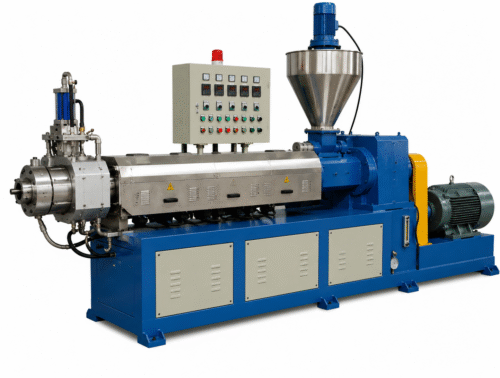
 Rubber Hot Feed Extruder
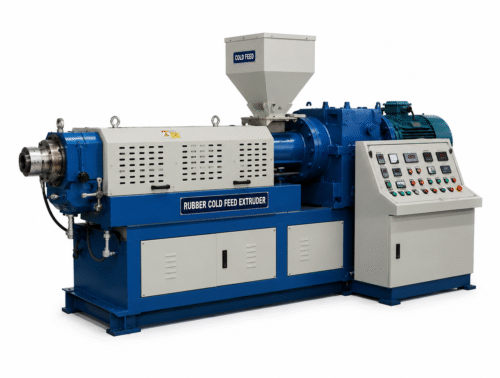 Rubber Cold Feed Extruder
 Rubber Strainer – Reclaim Extruder
 Reclaim Rotary Autoclave
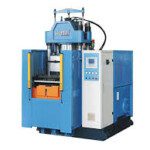 Compression Molding
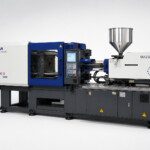 Injection Molding
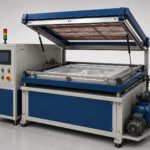 Vacuum Molding
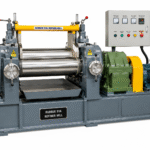 Rubber EVA Refiner Mill
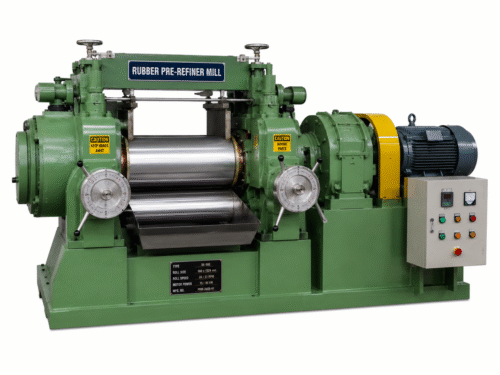 Rubber Pre-Refiner Mill
 Tire Building Machine
 Tread & sidewall Extruder
 Tread Cooling skiver
 Tire curing press
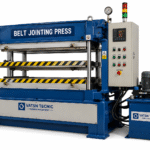 BELT JOINTING PRESS
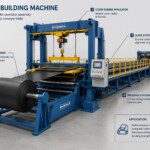 Belt Building Machine
 Eva Footwear Injection Molding Machines
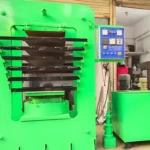 Hawaii Slipper Sole Sheet Machine
 Eva Sole Sheet Splitting
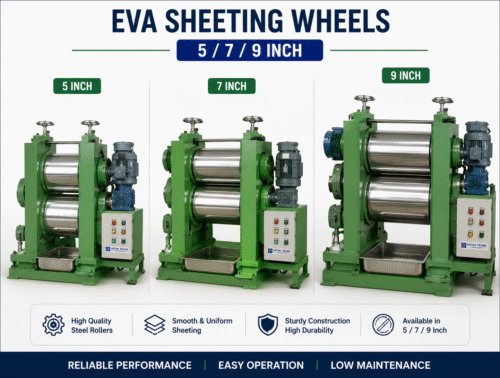 Eva Sheeting Wheels 5/7/9
 PVC Flooring Machine
 Plastic Pelletizing Line
 Filler / Masterbatch / PVC / TPR / EVA
 Breaker – Cracker Mill
 Shredder – Rasper Machines
 Waste Rubber Crumb Grinder Mill
Explore Rubber Dispersion Kneader in Gujarat: Plan Compound Changeovers


Short answer: when evaluating a rubber dispersion kneader in Gujarat for frequent compound changes, ask for a documented changeover method and evidence from representative trials. Cleaning access, discharge design, material sequence, tools, inspection points, waste handling, and acceptance criteria matter more than an unsupported promise of a “quick clean.”
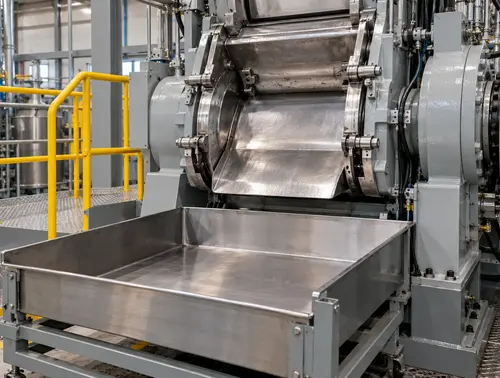
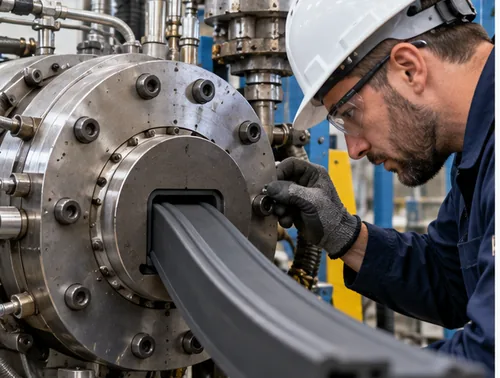
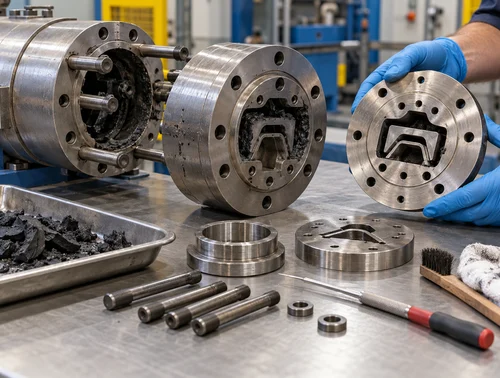
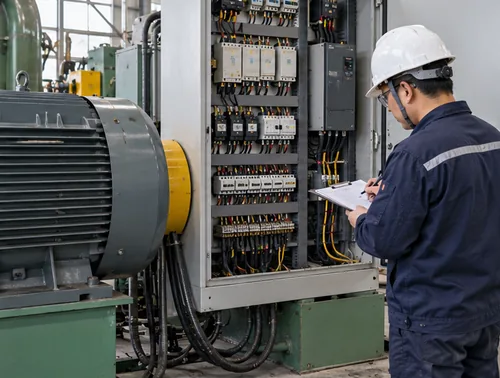
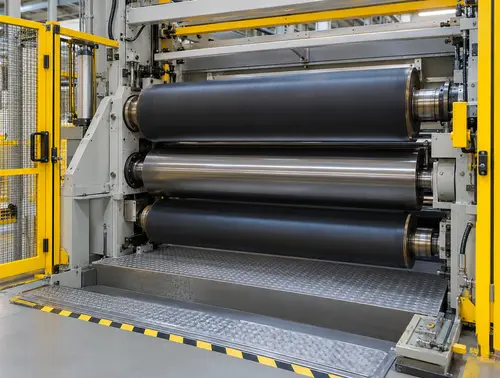
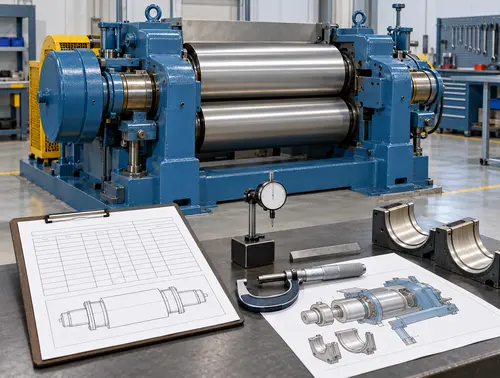
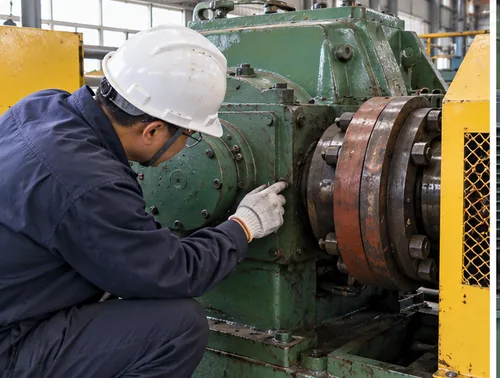
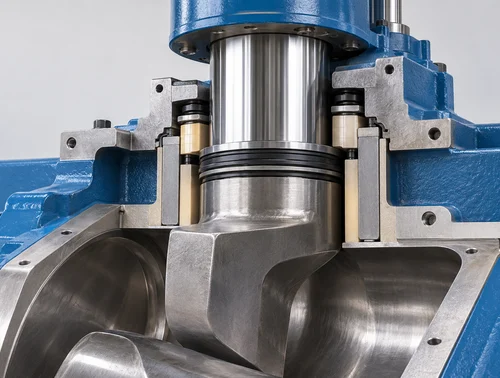
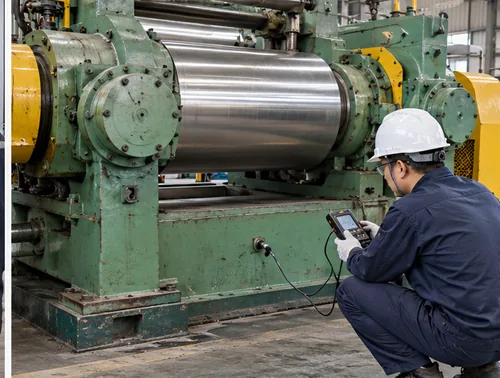
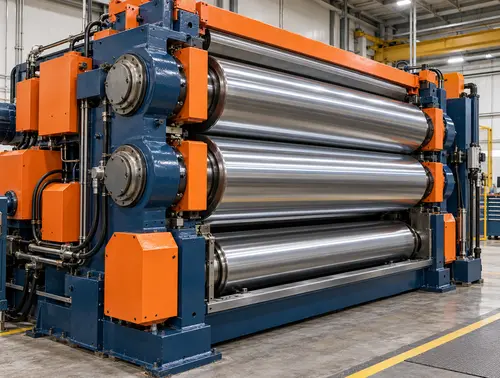
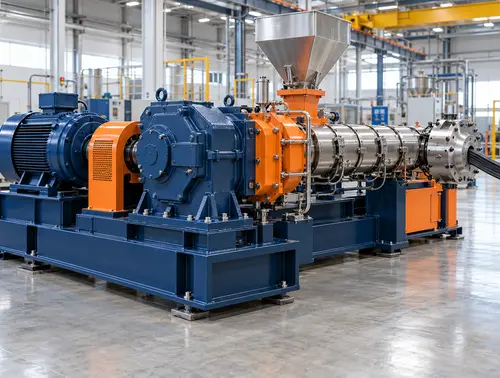
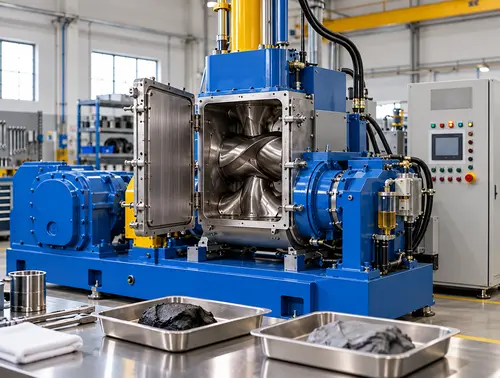
The images are illustrative planning visuals. They do not demonstrate the cleanliness, condition, or availability of a particular kneader.
Why changeover planning belongs in machine selection
Residual material can affect colour, appearance, downstream processing, or other buyer-defined quality characteristics. The level of control needed depends on the compound sequence and the buyer’s quality system. A supplier should not invent a universal cleaning time or guarantee without trials. Instead, define the risk, the inspection method, and the evidence required for the intended range of products.
For related buyer checks, compare the guide on refurbishment evidence for a dispersion kneader and today’s article on validating usable kneader batch size.
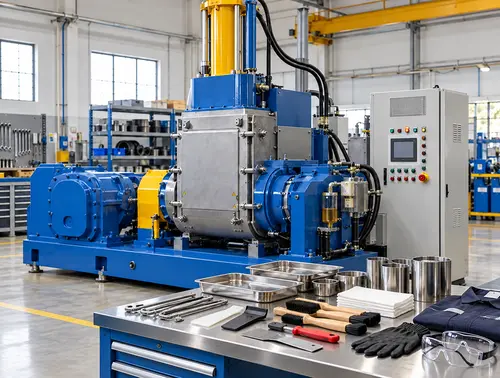
Assess the rubber dispersion kneader in Gujarat
Map potential retention areas
Review the chamber, rotors, ram area, feed throat, seals, discharge door, chute, and any connected dust or feeding equipment. Ask which areas are visible without dismantling and which require safe isolation and authorized access. Condition, surface damage, gaps, and leakage can influence retention, but their significance should be assessed through inspection and representative use rather than assumption.
Define the compound sequence
List the important transitions: dark to light, filled to less-filled, compatible to sensitive, or any sequence identified by the buyer. Sometimes production sequencing reduces the cleaning burden; in other cases a dedicated clean, purge material, or deeper intervention may be needed. The correct choice is formulation- and quality-specific, so it must be approved by the buyer’s technical team.
Specify tools and safe access
Agree the permitted cleaning tools, collection trays, protective equipment, isolation steps, and waste route. Avoid methods that can damage surfaces, introduce foreign material, expose workers to hazardous motion, or conflict with compound safety information. The seller should describe access limitations, while the plant establishes the final safe-work procedure.
| Changeover approach | Useful when | Advantage | Limitation or trade-off |
|---|---|---|---|
| Production sequencing | Compounds are technically compatible | May reduce intervention and waste | Needs technical approval and planning discipline |
| Defined purge | A validated purge material and method exist | Can reach normal material pathways | Adds material use and may not reach every area |
| Manual clean under isolation | Accessible retained material must be removed | Allows focused visual work | Requires safe access, time, tools, and verification |
| Deeper maintenance clean | Routine methods cannot meet the criterion | Provides broader access | More downtime and skilled work |
Turn “clean” into an acceptance criterion
Use a written standard appropriate to the product. It may combine visual inspection of defined areas, a recorded flush or sample sequence, and downstream quality checks chosen by the buyer. State sample locations, number or sequence, comparison method, decision owner, and how exceptions are handled. Avoid using an arbitrary photograph as proof; lighting, access, and unseen areas can hide retained material.
For general quality-system thinking, ISO explains the purpose of ISO 9001 quality management. That overview does not prescribe a rubber-kneader cleaning method, but it supports the value of controlled processes and records. Compound-specific health, safety, and disposal information should come from the relevant supplier documents and competent plant personnel.
| Evidence | What to record | Decision supported | What remains uncertain |
|---|---|---|---|
| Pre-clean inspection | Prior compound, visible retention and machine state | Starting condition | Material in hidden areas |
| Method record | Sequence, tools, isolation and material used | Whether the agreed process was followed | Effectiveness beyond inspected points |
| Post-clean check | Defined areas, samples and exceptions | Pass or further action under the criterion | Other compound transitions |
| Trend log | Changeover type, time, waste and recurring issues | Future improvement priorities | Performance after unrecorded changes |
Include changeover needs in the quotation
Ask the supplier to identify access points, discharge arrangement, seal and door condition, included cleaning tools, guards and interlocks, available drawings, and proposed demonstration. Define who supplies compound, purge material, labour, waste containers, test equipment, and quality evaluation. For a used machine, include refurbishment tasks that affect leakage, surface condition, discharge closure, and safe access.
Run a representative demonstration
Where practical, choose a transition that reflects a meaningful buyer risk. Record the starting batch, changeover procedure, settings, observations, samples, and exceptions. A successful demonstration supports only the recorded conditions; it does not guarantee every formulation or sequence. If an on-site trial is deferred, preserve the open acceptance item in the purchase order.
Use records to improve the routine
After installation, log the compound sequence, method, duration, waste, findings, and corrective action. Repeated retention at the same location may justify a maintenance review or procedure change. Keep machine changes under control so that a previously validated routine is reconsidered when seals, surfaces, controls, or connected equipment change.
For a rubber dispersion kneader in Gujarat, preserve the approved changeover sheet with the trial record so later teams can distinguish evidence from assumption.
To discuss kneader condition, compound-change needs, available space, and acceptance evidence, contact Vatsn Tecnic through the official contact page.
To read More about Rubber Making Machine Visit Here:
https://www.indiamart.com/vatsntecnic/profile.html
Frequently asked questions
1. Can a supplier promise one cleaning time for every compound?
No. Method and time depend on the sequence, machine condition, quality criterion, access, and approved materials.
2. Is visual inspection enough?
It may be one element, but unseen areas and product risk can require a documented sample or downstream quality check.
3. Should purge material be used?
Only when technically approved for the compounds and process, with its limits, handling, and disposal clearly defined.
4. What machine areas deserve attention?
Review the chamber, rotors, ram and feed region, seals, discharge door, chute, and connected feeding or collection equipment.
5. Can cleaning be done while the machine moves?
Cleaning access must follow the plant’s authorized isolation and safe-work procedure; hazardous motion should never be used for convenience.
6. What should a demonstration record?
Record prior and next compounds, method, tools, settings, observations, samples, waste, exceptions, and decision owner.
7. Does one successful changeover prove all transitions?
No. It supports the specific recorded transition and conditions, not every future formulation.
8. How can recurring contamination be reduced?
Use trend records to identify retention points, then review sequencing, procedures, seals, surfaces, maintenance, and connected equipment.