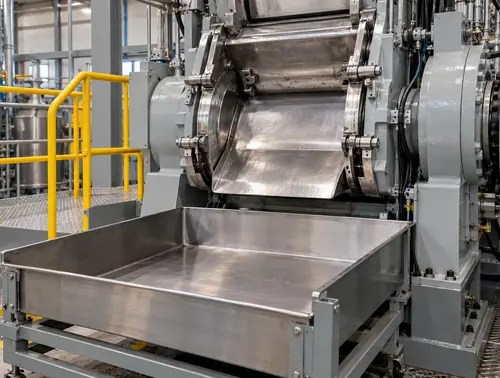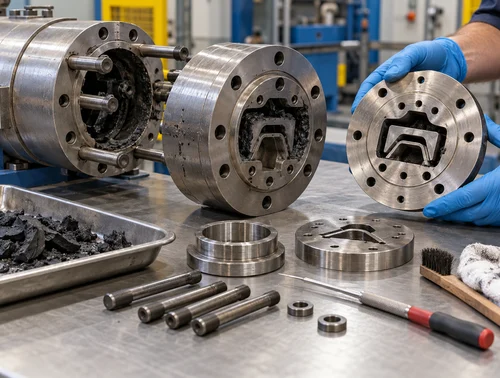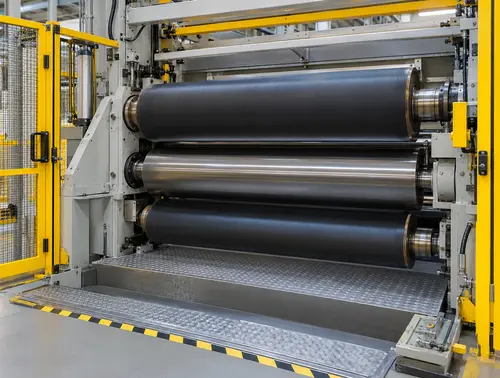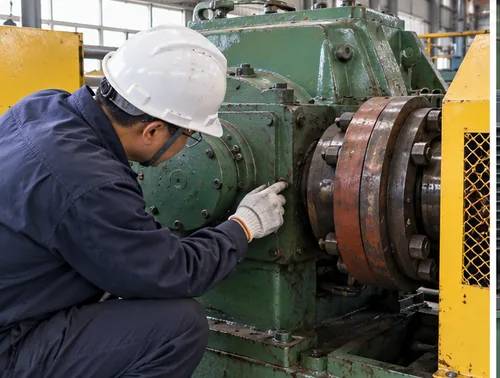
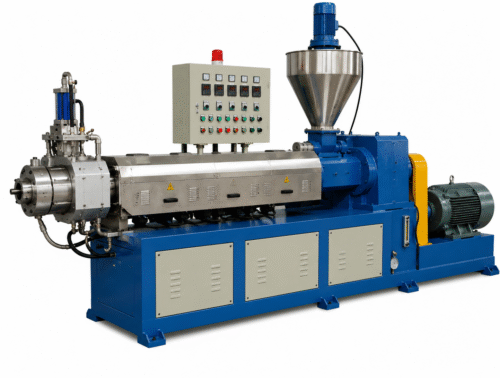
 Rubber Hot Feed Extruder
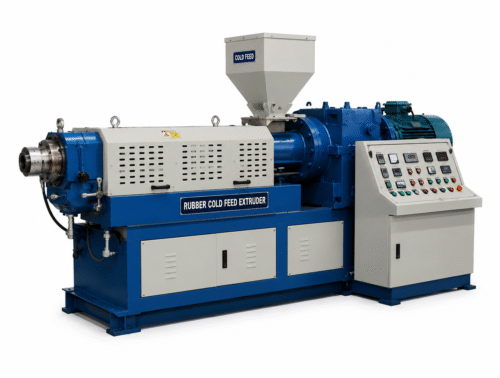 Rubber Cold Feed Extruder
 Rubber Strainer – Reclaim Extruder
 Reclaim Rotary Autoclave
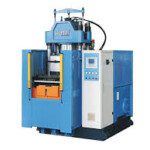 Compression Molding
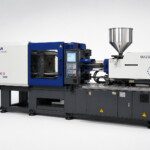 Injection Molding
 Vacuum Molding
 Rubber EVA Refiner Mill
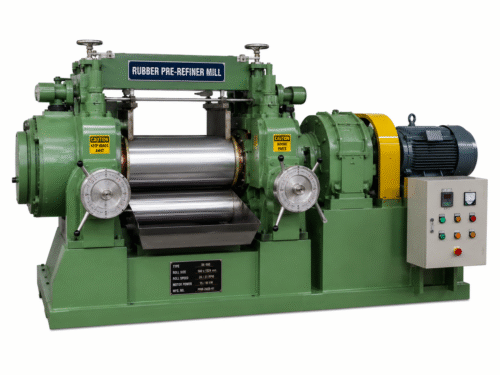 Rubber Pre-Refiner Mill
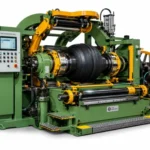
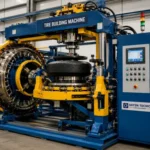 Tire Building Machine
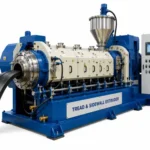 Tread & sidewall Extruder
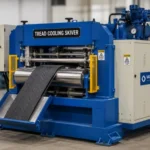 Tread Cooling skiver
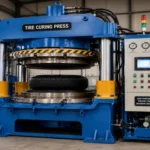 Tire curing press
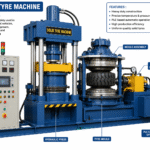

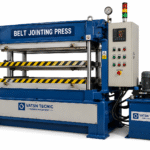 BELT JOINTING PRESS
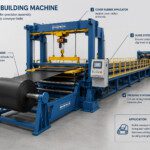 Belt Building Machine
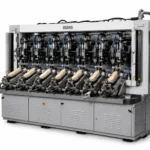
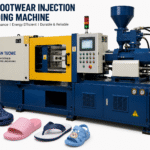 Eva Footwear Injection Molding Machines
 Hawaii Slipper Sole Sheet Machine
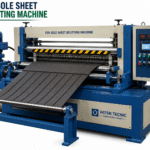 Eva Sole Sheet Splitting
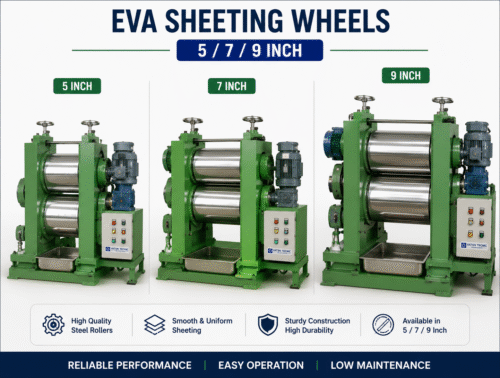 Eva Sheeting Wheels 5/7/9
 PVC Flooring Machine
 Plastic Pelletizing Line
 Filler / Masterbatch / PVC / TPR / EVA

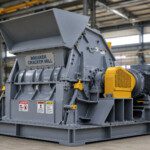 Breaker – Cracker Mill
 Shredder – Rasper Machines
 Waste Rubber Crumb Grinder Mill
Industrial Rubber Mixing Mill in Turkey: Size the Drive to the Batch

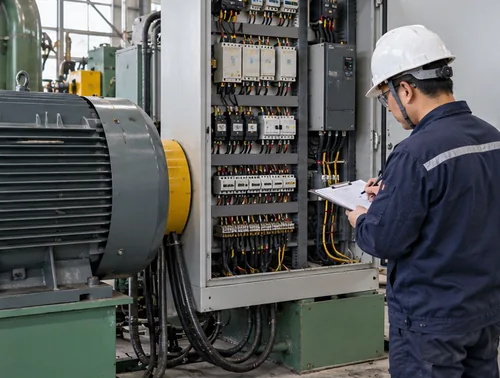
Quick answer: An industrial rubber mixing mill in Turkey should be sized from the batch weight and the compound, not from the motor on the nameplate. An oversized drive wastes power on every batch; an undersized one overheats, stalls and wears out early.
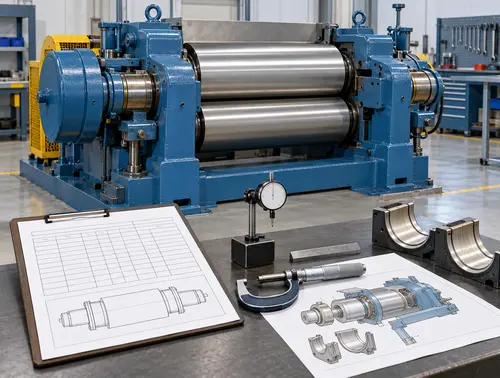
Drive sizing is the least visible decision in a mill purchase and one of the most expensive to get wrong. A rubber mixing mill in Turkey that is too powerful for its batch runs inefficiently, while one that is too small will not develop the shear the compound needs and will run hot all day.
This guide covers how to match the drive to the batch, what to measure, and the evidence that tells you whether a used mill is correctly sized for your work.
Why drive sizing matters more than it looks
A mixing mill does work by shearing compound in the gap between two rolls. The torque required depends on the compound, the batch weight, the gap and the temperature. The motor and gearbox must deliver that torque over the whole batch without overheating.
If the drive is oversized, the mill runs at a low load factor, which is inefficient and can make the friction ratio harder to control. If it is undersized, the motor draws high current, the thermal overload trips, and production stops. Neither problem is visible in a catalogue.
Start from the batch
Establish the batch weight you intend to run and the compound family. A hard compound with high filler loading needs more torque than a soft one. Ask the supplier what batch range the machine was designed for, and compare it with your own production plan rather than with the machine’s maximum.
Then the drive
Confirm the motor rating, the gearbox ratio and the coupling arrangement. Ask for the motor’s service factor and insulation class, and whether the mill uses a fluid coupling or a variable-speed drive. Each choice changes the starting behaviour and the protection settings.
Drive arrangements compared
| Arrangement | Strength | Limitation | Best fit |
|---|---|---|---|
| Direct-on-line with fluid coupling | Simple, robust, low electronics | High starting current, fixed speed | Stable supply, single compound |
| Soft starter | Reduced starting current | No speed control | Weak supply, fixed recipe |
| Variable-speed drive | Controlled start and speed | Electronics need cooling and clean power | Multiple compounds, fluctuating supply |
Matching symptoms to causes
| Symptom | Likely cause | What to check |
|---|---|---|
| Motor trips mid-batch | Undersized drive or overload setting too low | Current profile over the batch, overload setting |
| Mill runs hot on light batches | Oversized drive at low load factor, or cooling problem | Roll temperature, cooling flow, load factor |
| Uneven friction ratio | Drive or gearbox mismatch | Roll speeds, gearbox ratio, coupling slip |
| Vibration under load | Coupling wear or alignment | Alignment, coupling condition, foundation bolts |
Measuring instead of guessing
If the mill is running, ask for a current log across a full batch: the shape of the curve tells you whether the drive is comfortable or struggling. A current that climbs steadily and sits near the rating for most of the batch indicates a drive working at its limit. A current that barely moves indicates an oversized drive.
If the mill is not running, ask for the motor rating, the batch range the machine was used for, and the compound types. Then compare with your own plan. A machine from a plant making soft compounds may be badly sized for hard, highly filled stock even if the tonnage looks similar.
Installation and utilities in Turkey
Confirm the supply voltage and starting current with your electrical contractor, and check whether the local supply can take a direct-on-line start. If not, budget for a soft starter or a drive rather than discovering the problem on commissioning day.
Ask for the motor windings to be tested before dispatch if the machine has been idle. Insulation that has absorbed damp during storage fails shortly after load is applied, and a rewind in Turkey costs more than the test.
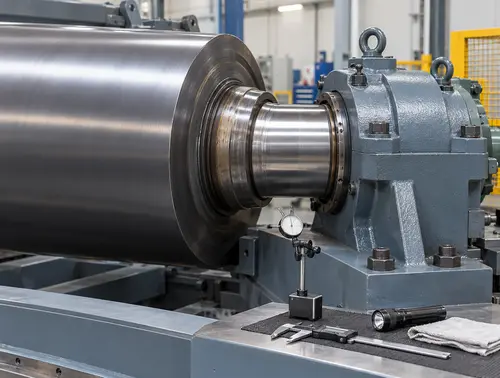
Cooling water matters as much as power. Confirm the flow and temperature the rolls need and check that the plant can supply it during summer conditions. Our notes on journal and bearing evidence and roll gap repeatability cover the mechanical checks that go with the drive.
Sizing a mill? Vatsn Tecnic supplies new, used and refurbished rubber processing machinery. Tell us your batch weight and compound type, and we will help you check whether a machine’s drive suits the work before you buy it.
To read More about Rubber Making Machine Visit Here:
https://www.indiamart.com/vatsntecnic/profile.html
Frequently asked questions
How do I know if a mill is correctly sized?
Compare the batch range it was designed for with your own production plan, then check the current profile over a batch. A drive that sits near its rating for most of the cycle has little margin.
Can I run a smaller batch on a large mill?
Physically yes, but the mill may not develop enough shear at low load and the batch may be difficult to control. Very small batches on a large mill are often uneconomic.
Is a variable-speed drive worth it?
It is when you run several compounds or have a supply that struggles with direct-on-line starting. For a single recipe on a stable supply, a fluid coupling is simpler.
What causes a motor to trip mid-batch?
Usually an undersized drive, a compound that is harder than the mill was set up for, or an overload setting that is too tight. Check the current log before changing settings.
How important is the gearbox ratio?
It sets the roll speed and the torque at the rolls. A mismatched ratio changes the friction and the mixing behaviour, so confirm it matches the intended application.
Can the drive be upgraded later?
Sometimes, but it usually means a new motor, starter and possibly a gearbox. It is cheaper to buy the right drive initially than to retrofit.
What electrical supply does a mill need?
It depends on the motor and starting method. Confirm voltage, current and starting capacity with your electrical contractor before delivery.
How do I compare two used mills?
Compare drive size against your batch plan, roll condition, gap repeatability and cooling capacity. A larger motor is not automatically better.