
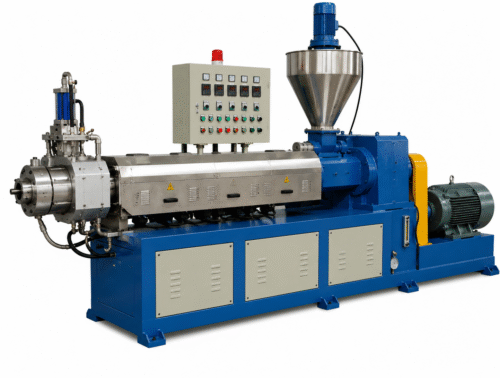
 Rubber Hot Feed Extruder
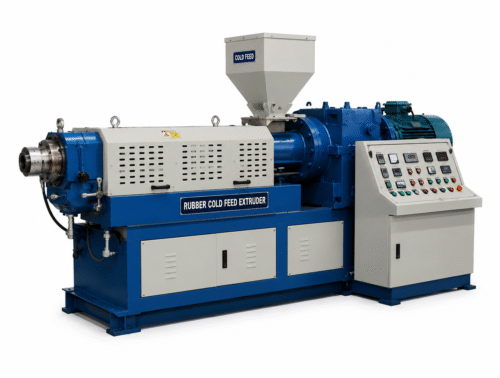 Rubber Cold Feed Extruder
 Rubber Strainer – Reclaim Extruder
 Reclaim Rotary Autoclave
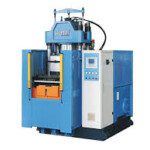 Compression Molding
 Injection Molding
 Vacuum Molding
 Rubber EVA Refiner Mill
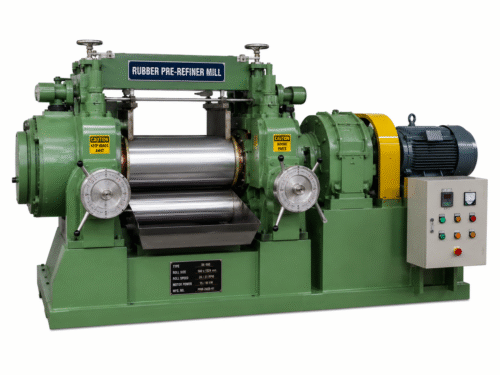 Rubber Pre-Refiner Mill
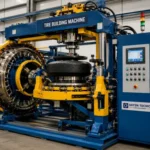 Tire Building Machine
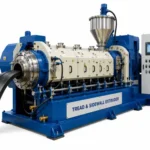 Tread & sidewall Extruder
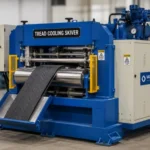 Tread Cooling skiver
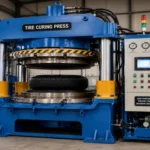 Tire curing press
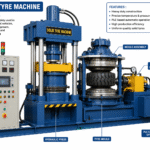
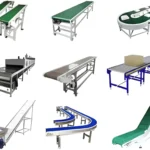
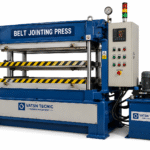 BELT JOINTING PRESS
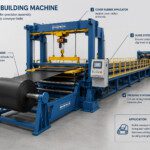 Belt Building Machine
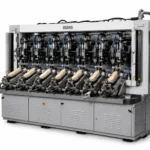
 Eva Footwear Injection Molding Machines
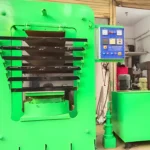 Hawaii Slipper Sole Sheet Machine
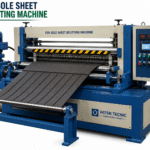 Eva Sole Sheet Splitting
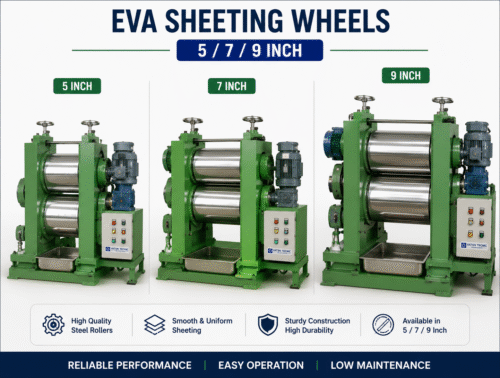 Eva Sheeting Wheels 5/7/9
 PVC Flooring Machine
 Plastic Pelletizing Line
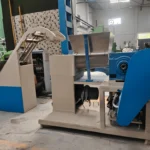 Filler / Masterbatch / PVC / TPR / EVA

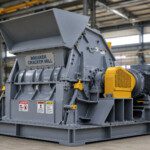 Breaker – Cracker Mill
 Shredder – Rasper Machines
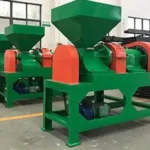 Waste Rubber Crumb Grinder Mill
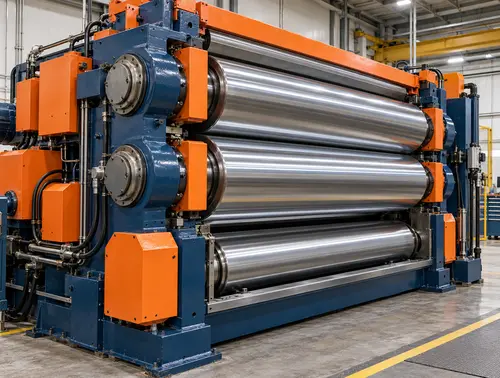
Trusted Rubber Calendar Machine in Indore: Guard the Nip Before You Run

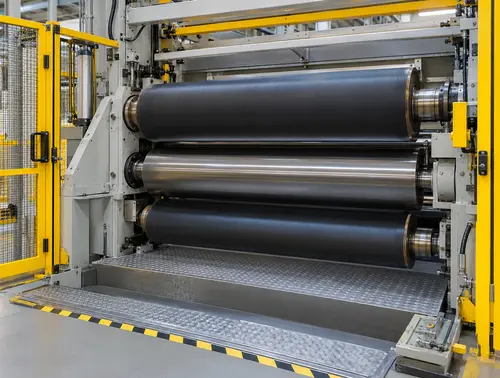
Quick answer: Before you buy a rubber calendar machine in Indore, inspect the nip guarding, the emergency stop and the brake together. A calender pulls material in at the rolls with enough force to injure, and a used machine often arrives with its guards removed or bypassed.
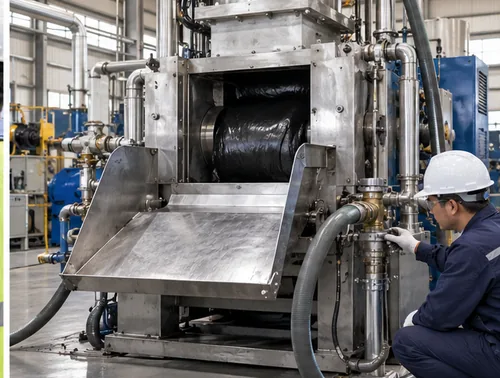
Safety is usually treated as a compliance item at the end of a purchase. On a calender it should be the first inspection, because the machine’s whole purpose is to draw material through a narrowing gap. A rubber calendar machine in Indore that is mechanically sound but badly guarded is a machine that will eventually hurt someone.
This guide covers what to check, what evidence to ask for, and how to plan guarding before the machine is installed rather than after.
Why the nip is the defining risk
The rolls turn toward each other and pull the sheet through. Anything that touches the sheet near the gap is drawn in faster than a person can react. That is why calender guarding is not a fence around the machine but a set of devices at the roll entry, the edges and the drive.
Guarding at the roll entry
A fixed guard should prevent hands reaching the nip from above and from the front. Where the process requires access, a trip device or a light curtain stops the rolls before a person can reach the gap. Ask whether the original guard is present and whether the interlocks still function; on used machines they are frequently bypassed to keep production running.
Stopping and braking
An emergency stop that cuts power but lets the rolls coast is not adequate. The calender needs a brake that brings the rolls to rest quickly, and the stopping time should be documented. Test it: press the stop and watch how long the rolls take to stop, then write the figure down.
Inspection checklist
- Nip guards: present, fixed, undamaged, correct gap to the rolls.
- Interlocks: guard open stops the drive, not just alarms.
- Emergency stops: reachable from both sides, all functioning.
- Brake: operates, stopping time recorded, linings in good condition.
- Edge trim and knife guards: present and adjusted.
- Control panel: no bypassed circuits, no taped-over contacts.
- Documentation: manual, schematic, risk assessment if available.
Guard options compared
| Option | Strength | Limitation | Where it suits |
|---|---|---|---|
| Fixed guard | Simple, no maintenance, hard to defeat | Slows threading and cleaning | Stable product, infrequent changes |
| Interlocked guard | Access for cleaning with automatic stop | Interlock can be bypassed if poorly managed | Frequent cleaning and product changes |
| Light curtain or trip bar | Fast access, stops before contact | Needs alignment and periodic testing | High-throughput lines |
Reading the evidence on a used machine
| What you see | What it proves | What it does not prove |
|---|---|---|
| Guard present and bolted | Physical barrier exists | That the interlock still stops the drive |
| Emergency stop button fitted | A button exists | That it is wired or that the brake works |
| New paint on the frame | Cosmetic work was done | Anything about safety devices |
| Manual supplied | Documentation exists | That the machine matches it |
Planning guards before installation
Guard design depends on the layout: which side the operator stands, where the sheet is threaded, and how the take-off is arranged. Decide this before the foundation is poured, because retrofitting a light curtain around an installed calender is more expensive than building the frame with the mounts in place.
Include the guards in the quotation as a separate line. A supplier who prices the machine without guarding is not offering a complete installation, and the gap will be discovered by an inspector rather than by the project team.
Training and lockout
Write a short safe-operating procedure: who may thread the machine, when the rolls must be stopped, how the machine is isolated for cleaning, and what to do if a guard is damaged. Train the operators before the first production run and keep a record. On a calender, the difference between a near miss and an injury is usually a procedure that was never written down.
For the mechanical side of the same machine, see our notes on access and lifting planning and fabric adhesion evidence.
Buying a calender? Vatsn Tecnic supplies new, used and refurbished rubber processing machinery. Ask for the guard arrangement and stopping evidence as part of the inspection, and we will help you compare machines on more than price.
To read More about Rubber Making Machine Visit Here:
https://www.indiamart.com/vatsntecnic/profile.html

Frequently asked questions
Are guards legally required on a calender?
Machinery safety rules in most jurisdictions require guarding at dangerous moving parts. The exact obligation depends on where you operate, but the practical rule is simple: the nip must not be reachable during normal operation.
Can I run a used calender without guards?
No, and you should not accept one in that condition. Guards are part of the machine’s safe state. Budget for them before purchase rather than discovering the cost during installation.
How fast should the rolls stop?
Fast enough that a person cannot reach the nip after pressing the stop. The supplier should state a stopping time and you should measure it. If no figure exists, treat it as an open item.
What is the difference between a trip bar and a light curtain?
A trip bar is a physical bar that stops the machine when pushed. A light curtain detects a hand breaking an invisible plane. Both work; the choice depends on access frequency and layout.
Do interlocks fail often?
They fail or get bypassed more often than they fail mechanically. The common problem is a guard switch defeated to avoid nuisance stops, which removes the protection entirely.
What documentation should come with the machine?
Operating manual, electrical schematic, guard drawings and, where available, the original risk assessment. These are needed to maintain the safety devices and to demonstrate compliance.
Can guarding be added after installation?
Yes, but it is more expensive and often compromises access. Plan the guard mounts and the layout before the foundation work.
How do I check the brake?
Run the rolls at operating speed, press the emergency stop and time how long they take to come to rest. Repeat from both operator positions and record the result.