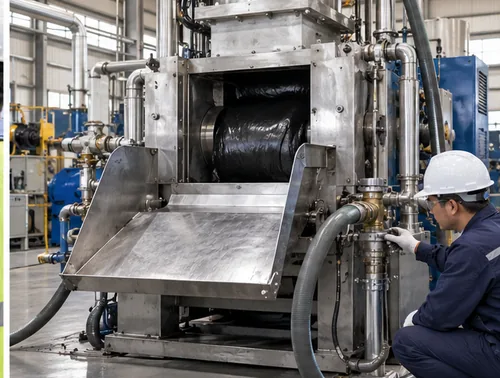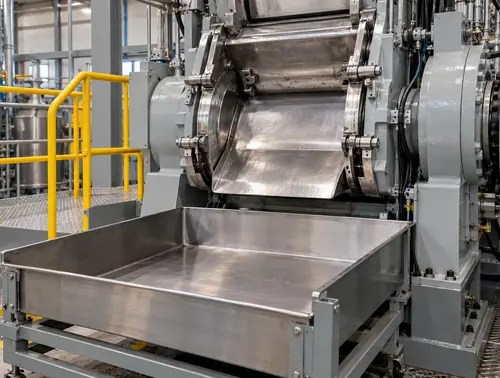
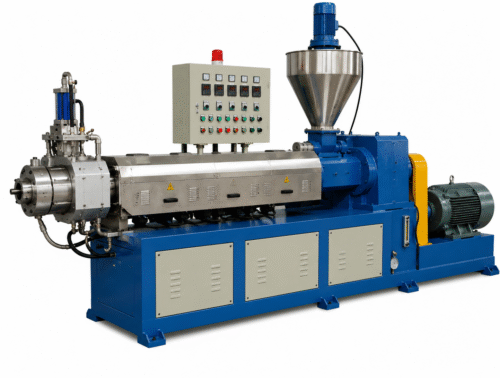
 Rubber Hot Feed Extruder
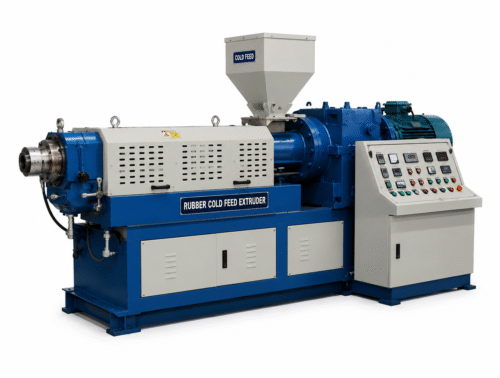 Rubber Cold Feed Extruder
 Rubber Strainer – Reclaim Extruder
 Reclaim Rotary Autoclave
 Compression Molding
 Injection Molding
 Vacuum Molding
 Rubber EVA Refiner Mill
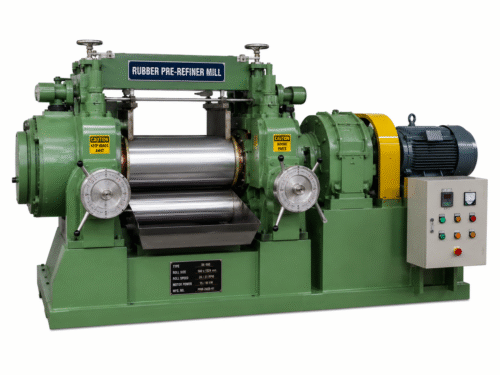 Rubber Pre-Refiner Mill
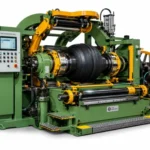
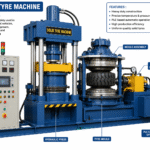
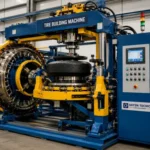 Tire Building Machine
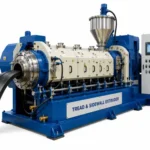 Tread & sidewall Extruder
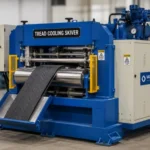 Tread Cooling skiver
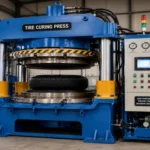 Tire curing press
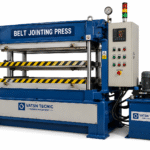 BELT JOINTING PRESS
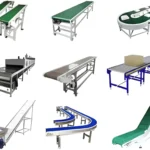
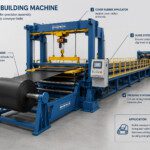 Belt Building Machine
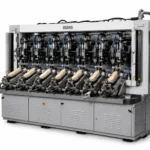
 Eva Footwear Injection Molding Machines
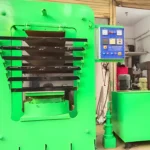 Hawaii Slipper Sole Sheet Machine
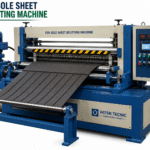 Eva Sole Sheet Splitting
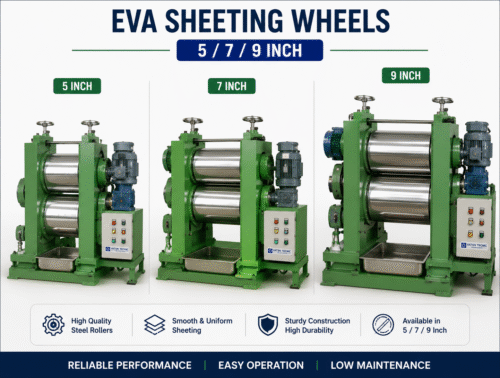 Eva Sheeting Wheels 5/7/9
 PVC Flooring Machine
 Plastic Pelletizing Line
 Filler / Masterbatch / PVC / TPR / EVA
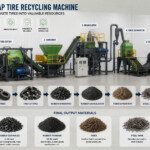
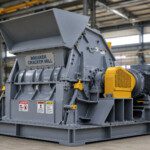 Breaker – Cracker Mill
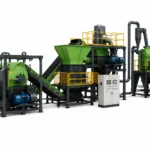 Shredder – Rasper Machines
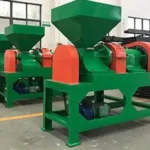 Waste Rubber Crumb Grinder Mill
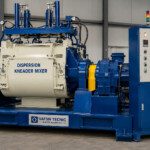
Industrial Rubber Dispersion Kneader in Osaka: Verify Recipe Control

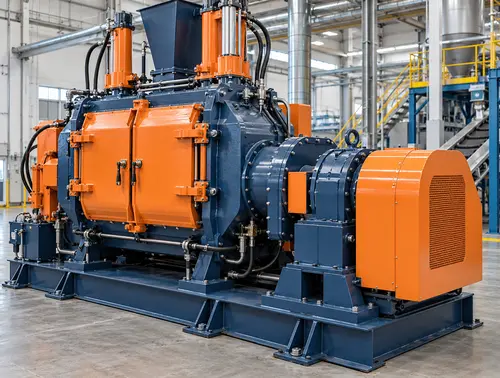
Quick answer: When you buy a rubber dispersion kneader in Osaka, verify that the recipe control transfers with the machine. A controller full of the previous owner’s recipes is worthless if nobody can read it, and worse if the parameters were never documented.
Japanese machinery is well built, and kneaders from Osaka are no exception. The risk is not mechanical — it is the layer of control that sits on top of the mechanics. A rubber dispersion kneader in Osaka that arrives with a locked or undocumented controller costs weeks of trial batches to re-tune.
This guide covers what “recipe transfer” means, what to demand before shipping, and how to rebuild control knowledge if it is missing.
What recipe control actually holds
A kneader controller stores more than temperatures. It holds the ram sequence and pressures, the mixing times per step, the discharge conditions and the alarms. Each of those affects the batch. Without the parameter list, you can run the machine but you cannot reproduce a known-good batch.
The controller also encodes the logic of the cycle: what happens first, what interlocks exist, when the door opens. That logic is process knowledge, and it is often more valuable than the machine itself.
Documentation to demand
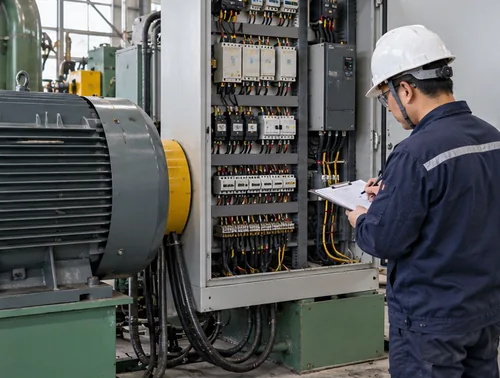
Ask for the parameter list, the I/O list, the alarm list and the program backup file. Then confirm the software version and whether the backup can be restored without the original vendor. A backup you cannot restore is not a backup.
What can and cannot be transferred
| Asset | Transferable? | What to request |
|---|---|---|
| Parameter list | Yes, if documented | Printed or file copy |
| Program backup | Usually | Native file plus version number |
| Recipes | Yes, if unlocked | Export or screenshots |
| Vendor support | Rarely across borders | Local programmer identified before purchase |
When the controller is locked
Some machines are delivered with a password-protected controller or a proprietary system. That is not necessarily a problem, but it changes the risk. If you cannot access parameters, you cannot adjust the process without the vendor, and the vendor may be thousands of kilometres away.
| Situation | Risk | Practical response |
|---|---|---|
| Open PLC with backup | Low | Store the backup off-machine and document it |
| Locked PLC | Medium | Negotiate the password or a support agreement |
| Proprietary controller | High | Price in a controller replacement before buying |
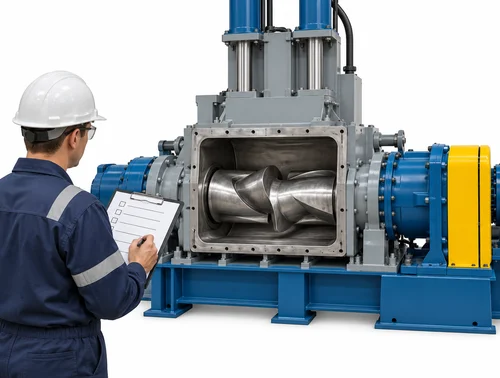
Rebuilding control knowledge
If the documentation is incomplete, plan a tuning exercise: run a batch, record every setpoint and every observed temperature, then change one variable at a time. Treat the first weeks as commissioning rather than production, and keep the results in a single log that the operators can read.
Identify a local controls engineer before the machine arrives. This is the single most useful preparation step, and it is usually overlooked until the first fault.
What to put in the contract
List the documentation as deliverables with the machine, not as a later request. Include a clause that the program backup is supplied in a restorable format. Our notes on wear parts planning and cooling circuit checks cover the physical side of the same machine.
Building a local support plan
Identify three people before delivery: an electrician who can work on the controller, a programmer who can restore the backup, and a mechanical fitter who can service the ram and door. Confirm each has seen the documentation and knows who to call.
Agree a response path with the vendor for the first ninety days. Cross-border support works when the roles are clear and fails when everyone assumes someone else is responsible. Put the escalation contact in writing, with time zones and expected response times.
Keep a spare of the controller’s storage medium if it uses one, and test the restore procedure on a bench before you need it in production. A backup that has never been restored is a hope, not a plan.
Document the restore procedure step by step, in the order the technician will follow it, and keep a printed copy in the panel. During a breakdown nobody wants to search a shared drive for a manual.
Ask the vendor to walk your technician through one restore on the machine before shipping. Watching it once is worth more than a written procedure nobody has tested.
Finally, agree in writing what happens if the controller fails after the warranty ends. A named service partner, a stocked spare module and a documented restore path turn a crisis into a maintenance task, and the conversation is much easier before the machine is installed.
Buying a kneader? Vatsn Tecnic supplies new, used and refurbished rubber processing machinery. Ask for the control documentation as part of the inspection pack, and we will help you assess whether the machine can be maintained locally.
To read More about Rubber Making Machine Visit Here:
https://www.indiamart.com/vatsntecnic/profile.html
Frequently asked questions
Why is the controller important on a kneader?
It holds the ram sequence, temperatures and timings that define the batch. Without the parameters, you can run the machine but not reproduce a known result.
Can I copy recipes from the old controller?
Usually, by export or by recording each screen. Do it before shipping, while the machine still runs.
What if the vendor will not share the program?
Then price a controller replacement into the purchase, or negotiate a support agreement. Do not assume access will come later.
Is a Japanese controller hard to support in India?
It depends on the platform. Common PLC brands are widely supported; proprietary systems are not. Check before buying.
What is an I/O list?
The map of every input and output to its terminal and function. It is essential for fault-finding and for any future modification.
How long does re-tuning take?
It depends on the compound and how much documentation exists. With a parameter list, days; without one, weeks of trial batches.
Should I keep the old recipes?
Yes, as a starting point, even if you intend to change them. They encode the previous process and are useful reference.
What else should be documented?
Mechanical settings that interact with control: ram pressure, door clearance and seal condition. Record them with the controller parameters.