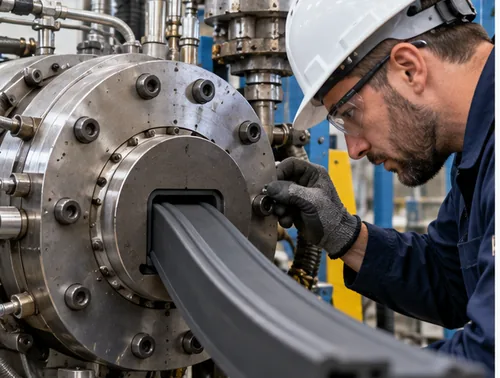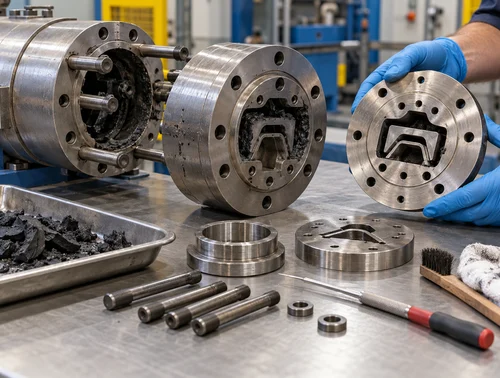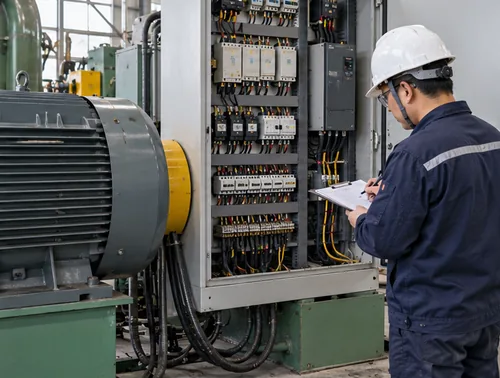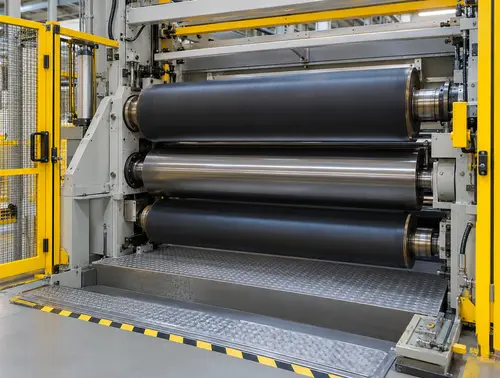
 Rubber Hot Feed Extruder
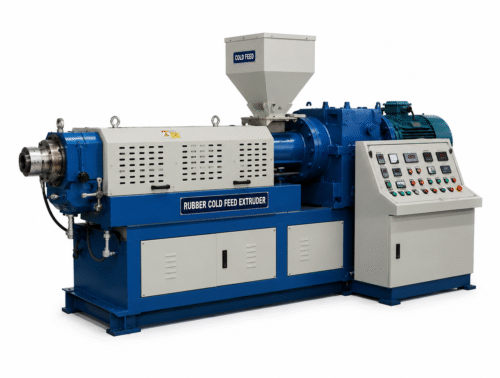 Rubber Cold Feed Extruder
 Rubber Strainer – Reclaim Extruder
 Reclaim Rotary Autoclave
 Compression Molding
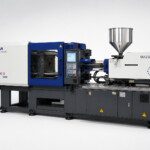 Injection Molding
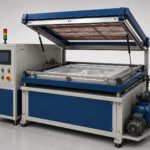 Vacuum Molding
 Rubber EVA Refiner Mill
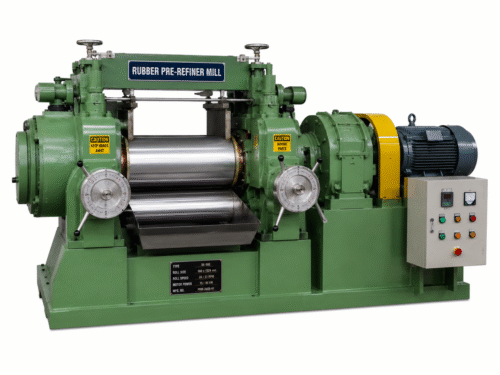 Rubber Pre-Refiner Mill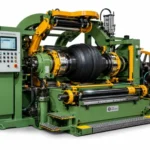
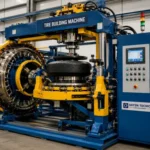 Tire Building Machine
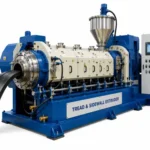 Tread & sidewall Extruder
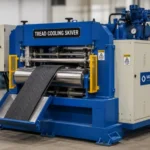 Tread Cooling skiver
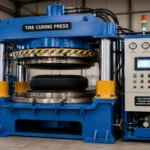 Tire curing press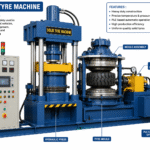
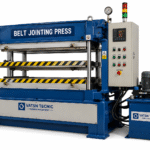 BELT JOINTING PRESS
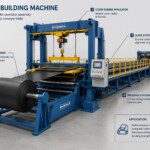 Belt Building Machine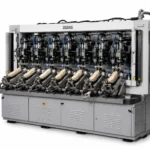
 Eva Footwear Injection Molding Machines
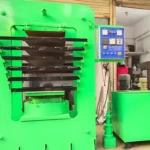 Hawaii Slipper Sole Sheet Machine
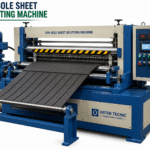 Eva Sole Sheet Splitting
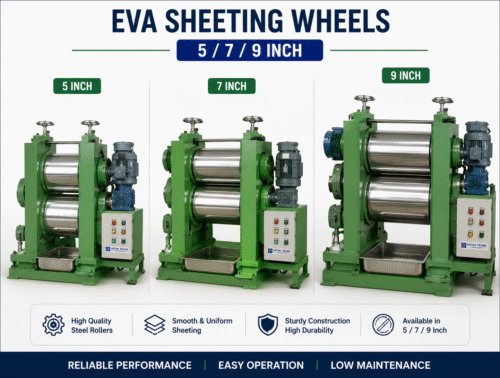 Eva Sheeting Wheels 5/7/9
 PVC Flooring Machine
 Plastic Pelletizing Line
 Filler / Masterbatch / PVC / TPR / EVA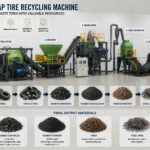
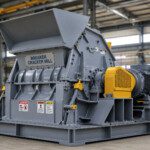 Breaker – Cracker Mill
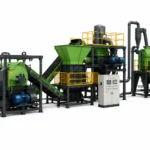 Shredder – Rasper Machines
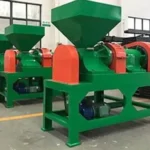 Waste Rubber Crumb Grinder Mill
Explore Rubber Extruder Machine in Haryana: Verify Startup and Restart Waste

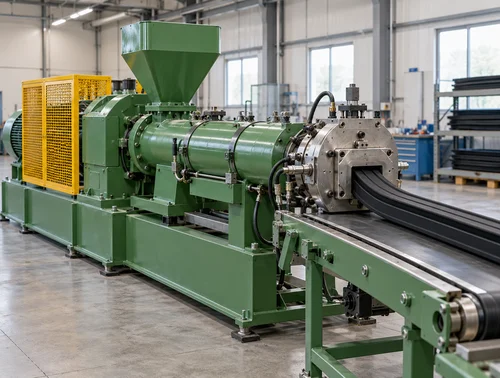
To explore rubber extruder machine in Haryana offers, ask suppliers to demonstrate startup and restart quality as well as steady running. Define when output becomes acceptable, how offcuts are separated, and what evidence supports the claim. A smooth profile shown after adjustments does not reveal the material lost before stable production begins.
Explore rubber extruder machine in Haryana: define startup evidence
Startup is the transition from an approved prepared condition to accepted production. A restart follows an interruption under the manufacturer’s procedure. These events may expose a buying risk that a steady-state demonstration misses. This guide provides a purchase-trial checklist, not operating temperatures, screw settings, purge instructions or a universal restart procedure.
Give suppliers the intended product family, compound description, profile requirements and downstream process. Identify whether the trial will represent a normal beginning, planned pause or other permitted condition. Let competent operators and compound specialists establish the approved method. Do not request an improvised demonstration that exceeds the machine’s instructions.
Agree what acceptable output means
Define acceptance using your product specification. Identify the relevant dimensional, surface or laboratory checks and who releases the material. State whether approval is required at the die exit, after cooling, after curing or at another agreed stage. Measurements at different stages should not be treated as interchangeable without evidence.
The National Skill Development Corporation’s rubber extruder operator resource includes extrusion and quality topics. Its training materials are useful background. They cannot substitute for the offered machine’s instructions or your compound-specific process approval.
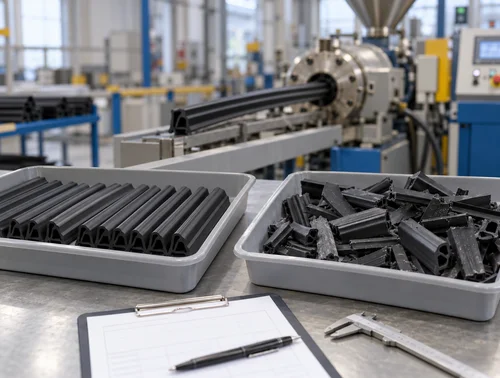
Compare a complete trial with a steady-run demonstration
| Demonstration | Buying advantage | Limitation |
|---|---|---|
| Steady running only | Shows output under stabilized conditions | May hide preparation and initial rejects |
| Recorded normal startup | Documents the path to accepted output | Applies only to the stated material and preparation |
| Approved restart test | Shows recovery after a defined interruption | Does not establish recovery from every fault |
| Repeated representative trials | Helps assess consistency under agreed conditions | Needs comparable inputs and complete records |
When you explore rubber extruder machine in Haryana quotations, ask how startup evidence is included in acceptance. Keep initial offcuts, trial samples and accepted output separately identified. Record material fed, output disposition and any balance difference using your approved measurement approach. Never publish a reject percentage without an actual supported test.
Record adjustments and interruptions
Log the sequence of authorised adjustments with timestamps and sample references. If several changes happen together, note that the cause of improvement remains uncertain. Document pauses, blocked downstream flow and other events that affect the result. A shortened edited video cannot replace a complete witnessed record.
Plan a representative witness test
- Confirm the extruder, tooling and downstream equipment identities.
- Approve the trial material and preparation conditions.
- Agree the quality checks and release authority.
- Witness the normal approved startup sequence.
- Identify and measure initial material disposition.
- Record when output first meets the agreed requirement.
- Observe a permitted restart scenario with competent operators.
- Preserve samples, results and unresolved deviations.
Scorch is premature curing of rubber compound. Processing conditions and material history matter, so a generic claim of “no scorch” is inadequate. Ask your compound specialist which evidence is needed for the proposed duty. If material shows a problem, record and investigate it through the approved procedure rather than adjusting beyond authorised limits.
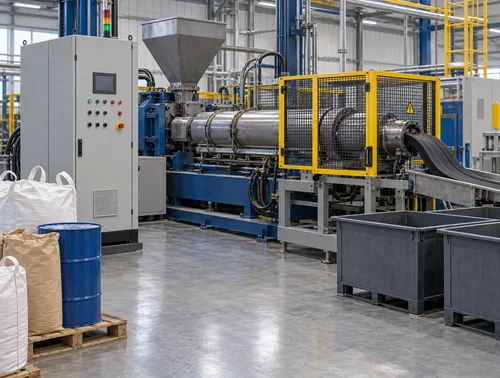
Compare useful records before buying
| Record | Useful advantage | Remaining limitation |
|---|---|---|
| Startup timeline | Links events to acceptance decisions | Requires clear start and finish definitions |
| Reject and accepted-material record | Shows actual trial disposition | Does not guarantee future waste levels |
| Quality results linked to samples | Supports the release decision | Depends on suitable sampling and test methods |
| Restart exception list | Identifies recovery gaps before handover | Needs named correction and retest responsibility |
Include the surrounding line and training
Give each rejected sample a reason and a time reference. Distinguish dimensional rejection, surface problems, unapproved material and samples consumed by testing. These categories support a useful comparison without treating every offcut as evidence of a machine fault. Confirm whether material can be reused only through your approved quality procedure. Do not assume that reintroducing rejected rubber is acceptable for every recipe or customer requirement.
An extruder’s stable output can still be rejected if take-off, cooling, handling or curing is unsuitable. State the complete trial boundary. Identify the supplier responsible for each interface and document what is excluded. A machine-only demonstration cannot verify the completed line’s startup behaviour.
Request operating instructions, approved preparation and shutdown procedures, training scope and support contacts. Review access and isolation with competent personnel. The US OSHA machine-guarding overview supplies general background; local requirements and manufacturer instructions govern the installation.
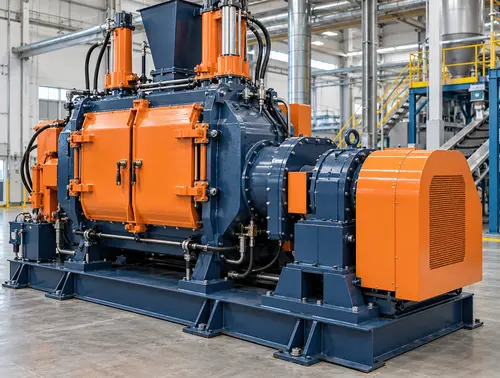
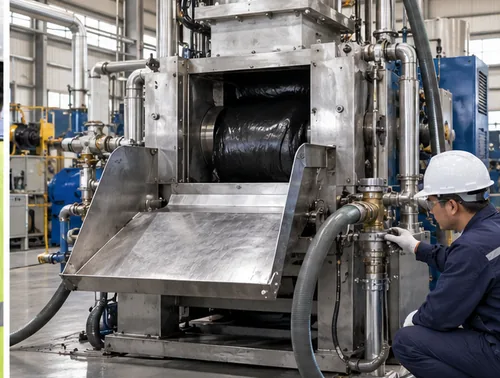
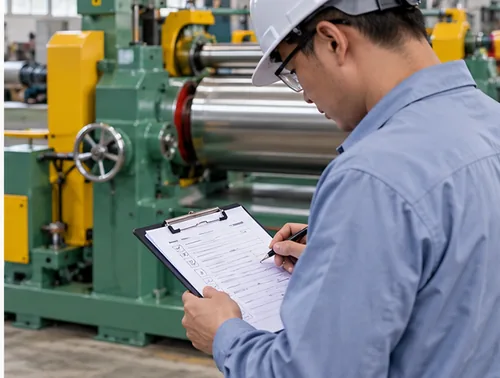
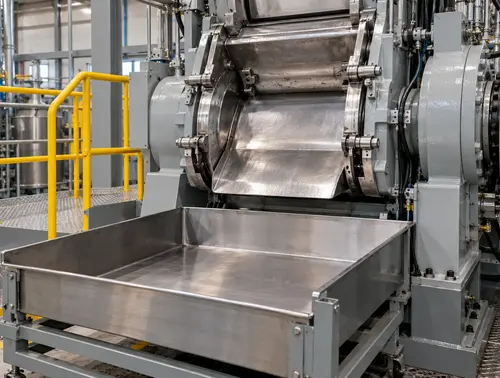
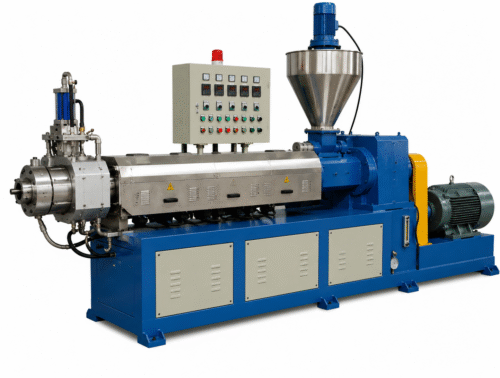
For complementary decisions, read Vatsn Tecnic’s complete extrusion-line scope guide and tooling ownership guide. Generated images are illustrative and do not establish condition, availability or performance of a particular extruder.
Assign responsibility for keeping the trial record after handover. Preserve the accepted material identity, tooling version, quality method and exceptions together. If a later complaint arises, this record helps distinguish a changed input or specification from a claim that the original purchase trial established every future operating condition.
To read More about Rubber Making Machine Visit Here:
https://www.indiamart.com/vatsntecnic/profile.html
Buyer FAQs
Does steady output prove startup performance?
No. Observe the transition and record material disposition before accepted production.
Can suppliers guarantee zero startup waste?
Do not accept an unsupported guarantee. Ask for evidence under your agreed trial conditions.
What counts as startup waste?
Define rejected or non-saleable trial material using your quality and accounting requirements.
Should a restart be demonstrated?
Include a relevant permitted scenario using the approved procedure and competent personnel.
Can one compound represent every product?
Not automatically. Identify materially different duties that require additional evidence.
Should downstream equipment be included?
Yes, when your acceptance requirement concerns the finished output of the complete line.
What if the trial fails?
Record the deviation, agreed correction and retest scope before accepting the disputed claim.
What should I send Vatsn Tecnic?
Send the product requirements, material description, downstream scope and proposed startup acceptance brief.
Key takeaways and next step
Agree accepted-output criteria, witness transitions and preserve complete results. To explore rubber extruder machine in Haryana options, ask Vatsn Tecnic for a clearly scoped trial that includes startup, an approved restart and the actual downstream quality requirement.