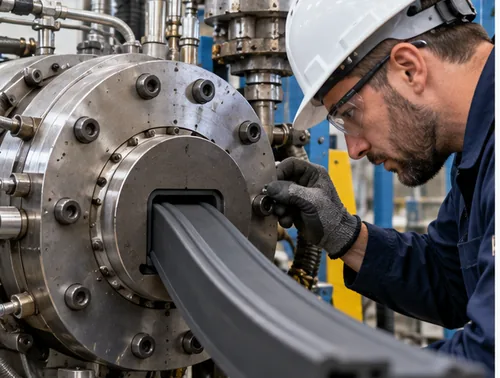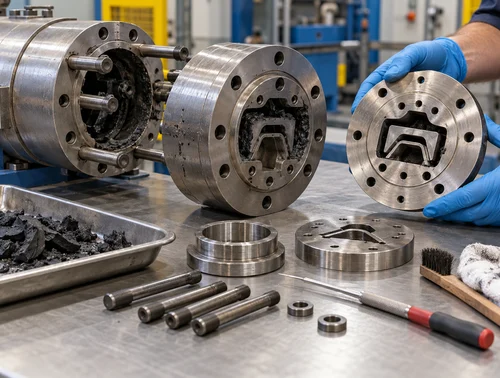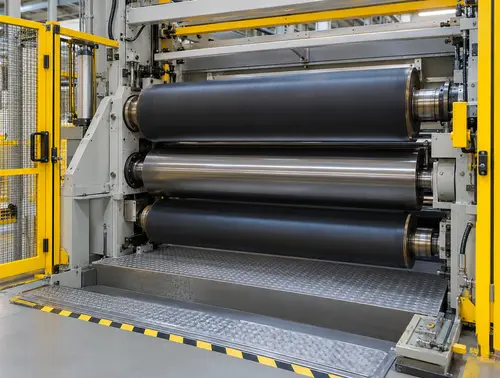


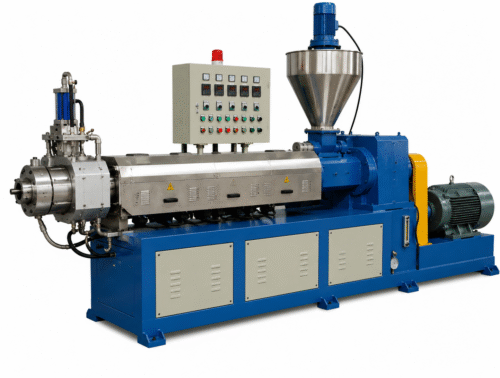
 Rubber Hot Feed Extruder
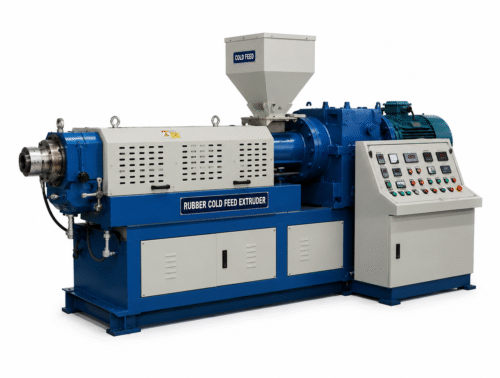 Rubber Cold Feed Extruder
 Rubber Strainer – Reclaim Extruder
 Reclaim Rotary Autoclave
 Compression Molding
 Injection Molding
 Vacuum Molding
 Rubber EVA Refiner Mill
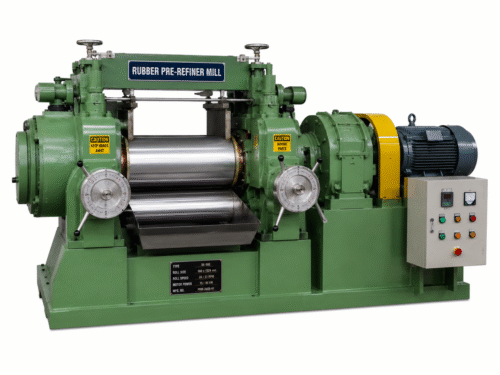 Rubber Pre-Refiner Mill
 Tire Building Machine
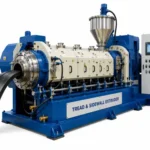 Tread & sidewall Extruder
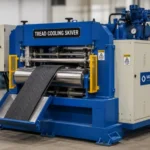 Tread Cooling skiver
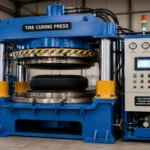 Tire curing press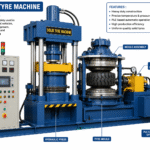
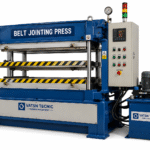 BELT JOINTING PRESS
 Belt Building Machine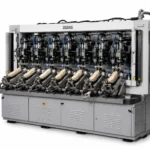
 Eva Footwear Injection Molding Machines
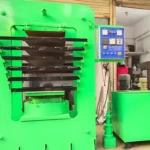 Hawaii Slipper Sole Sheet Machine
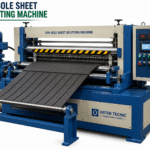 Eva Sole Sheet Splitting
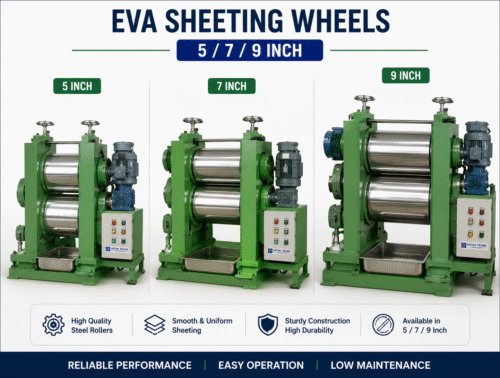 Eva Sheeting Wheels 5/7/9
 PVC Flooring Machine
 Plastic Pelletizing Line
 Filler / Masterbatch / PVC / TPR / EVA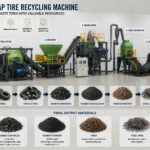
 Breaker – Cracker Mill
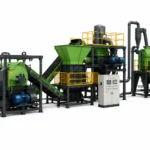 Shredder – Rasper Machines
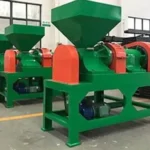 Waste Rubber Crumb Grinder Mill
Source Rubber Mixing Mill in Delhi: Verify Batch Traceability at Sheet Handover

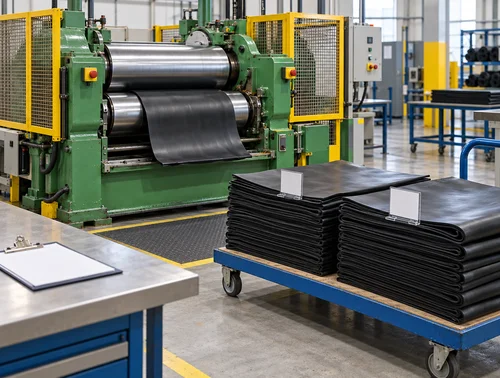
When you source rubber mixing mill in Delhi equipment, check how each rubber batch remains identifiable after sheeting and handover. Agree the batch identifier, material record, sample links and release status before purchase. A capable mill cannot preserve traceability by itself if sheets, trolleys and quality records become separated during transfer.
Source rubber mixing mill in Delhi: define traceability at handover
Batch traceability means being able to connect identified material with its relevant production and quality records. At a mixing mill, the practical question is how the output retains that connection when it leaves the machine. This guide addresses the record and handover interface rather than mill size, installation or spare-parts selection.
Start with your existing quality requirements. Identify the upstream compound record, the mill operation and the downstream receiver. Define who creates an identifier, who checks it and who releases material. Avoid assuming that a handwritten card or barcode automatically creates a complete system. The record must stay connected to the correct material.
Map every place identity can be lost
Walk the intended process from incoming compound to finished sheets, sample collection, stacking, trolley movement and downstream consumption. Mark split batches, multiple stacks, residual material and rejected sheets. These events need defined recording rules. A diagram based only on normal production can miss the exception that later causes an investigation.
MESNAC describes barcode, RFID and manufacturing information systems within its intelligent mixing solution. These are examples of integration approaches, not evidence that every mill includes them. Ask each seller to state the actual identification and data functions supplied with the offered equipment.
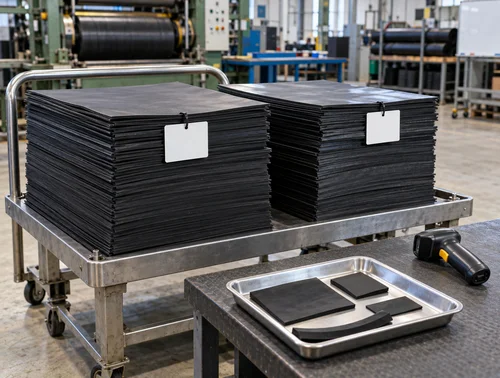
Compare identification methods
| Method | Buying advantage | Limitation to resolve |
|---|---|---|
| Controlled paper record and batch card | Can support a straightforward documented process | Requires consistent completion and material-card discipline |
| Barcode identification | Can reduce manual copying when correctly integrated | Needs readable labels, scanners and matching records |
| RFID identification | May support defined automated identification points | Compatibility, reader coverage and integration need testing |
| Integrated production system | Can connect production and quality information | Depends on reliable interfaces, ownership and exception handling |
When you source rubber mixing mill in Delhi proposals, choose the method that fits your process and team. An elaborate system with unclear responsibilities may be less useful than a simple controlled record. Require a demonstration of the complete handover rather than a screen showing an isolated batch number.
Specify the minimum record
Define material or batch identity, machine identity, operation reference, date and time, responsible operator, output containers and sample references. Add quality status and the person authorised to release it. Keep formulation details only where your approved system requires them. Avoid collecting unnecessary confidential information in visible trolley labels.
Test normal production and exceptions
- Create an identified trial batch under the agreed process.
- Link incoming material to the mill operation record.
- Identify sheets or stacks according to the approved rule.
- Take a sample and confirm its link to the batch.
- Record a permitted split into two receiving containers.
- Mark held or rejected material distinctly.
- Transfer the accepted stack to the downstream receiver.
- Retrieve the matching record from the material identifier.
Use a controlled trial to demonstrate a missing or unreadable identifier. Agree whether material is held, reidentified under approval or rejected. Do not simply recreate a label from memory. Document who can correct a record, how corrections are reviewed and what audit information remains available.
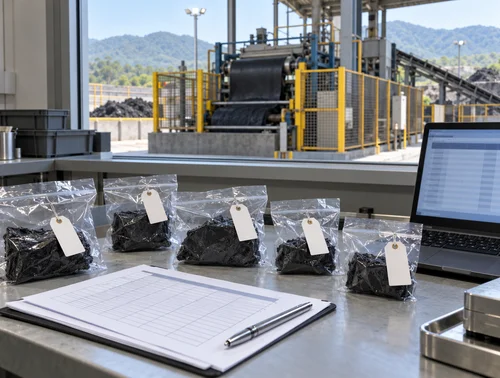
Compare evidence that supports acceptance
| Evidence | Useful advantage | Remaining limitation |
|---|---|---|
| Readable stack identifier | Connects visible material to a reference | Does not prove the underlying record is correct |
| Sample-to-batch link | Supports investigation of quality results | Needs controlled sample collection and handling |
| Witnessed split-batch record | Shows identity through an exception | Must also work in actual operator routines |
| Retrieved handover history | Shows material movement and status | Requires retention, access and backup responsibilities |
Put system responsibilities into the quotation
List any supplied label printer, scanner, computer, software, network interface and integration service separately. Specify training, record export, support and retention responsibilities. Do not assume that buying a mill includes a production database or software licence. Ask who owns the records and how they remain accessible if a supplier relationship changes.
Where paper records are used, agree storage, revision control and retrieval. Where digital records are used, agree user roles, backups and correction history within your existing policies. Test retrieval of a trial record during acceptance. A promise that data is stored somewhere does not establish useful traceability.
Check physical label suitability in the actual environment without inventing a generic durability rating. Ask whether the identifier remains legible through handling, stacking and the approved storage conditions. Ensure marking does not contaminate the rubber or conflict with customer requirements. Have the quality team approve the chosen approach.
Connect handover with the wider purchase
Review the batch-size evidence guide and machine documentation handover guide for complementary checks. The first concerns usable processing capacity; the second concerns machine documents. Batch traceability adds the link between each material movement and its own quality evidence.
Generated images are illustrative and cannot prove that a particular mill includes identification equipment or software. Verify the actual offered scope and trial results. Do not promise compliance with a certification or customer audit without reviewing the applicable requirement and supporting evidence.
To read More about Rubber Making Machine Visit Here:
https://www.indiamart.com/vatsntecnic/profile.html
Buyer FAQs
Does a mill automatically include traceability software?
No. Confirm supplied hardware, software and integration services in the quotation.
Is a barcode enough?
No. It must resolve to the correct material and controlled production record.
Can paper records work?
Yes, when they satisfy your requirements and are completed, retained and retrieved consistently.
How should split batches be handled?
Assign linked identifiers and quantities using your approved rule for each receiving container.
Should rejected sheets retain their identity?
Yes. Keep the batch connection and clearly record the material’s disposition.
What if an identifier is missing?
Follow an approved hold and investigation procedure rather than guessing the identity.
Who should own the records?
Specify ownership, access, retention and export responsibility before buying the system.
What should Vatsn Tecnic receive?
Send your material flow, identification rules, quality-release requirements and proposed handover test.
Key takeaways and next step
Preserve material identity through sheeting, samples, splits and release. To source rubber mixing mill in Delhi options, request a complete scope and witnessed traceability handover that your operators and quality team can maintain.