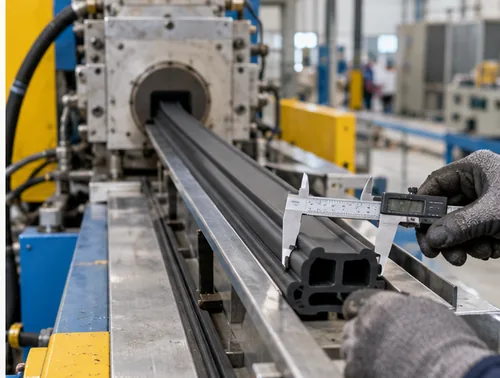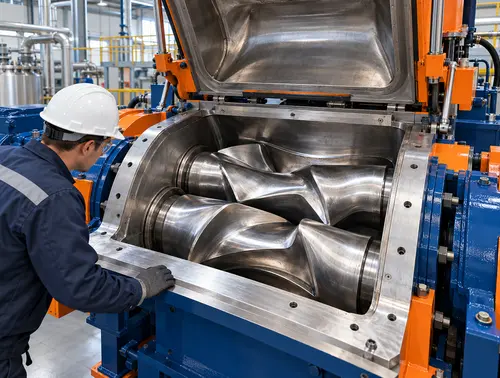


 Rubber Hot Feed Extruder
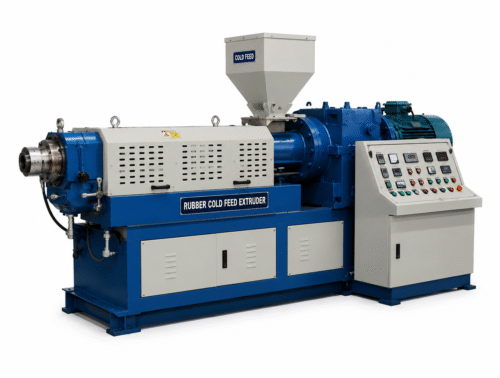 Rubber Cold Feed Extruder
 Rubber Strainer – Reclaim Extruder
 Reclaim Rotary Autoclave
 Compression Molding
 Injection Molding
 Vacuum Molding
 Rubber EVA Refiner Mill
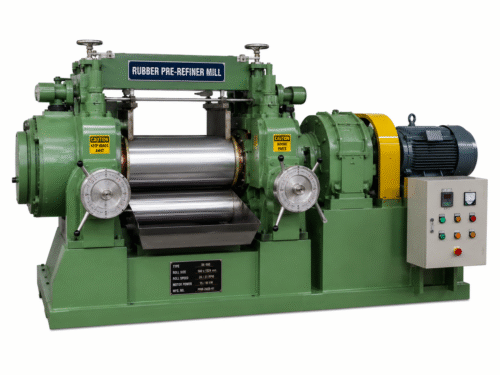 Rubber Pre-Refiner Mill
 Tire Building Machine
 Tread & sidewall Extruder
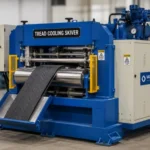 Tread Cooling skiver
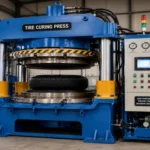 Tire curing press
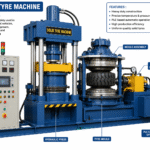
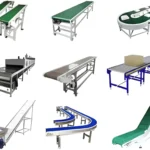
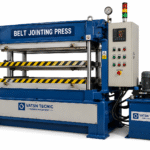 BELT JOINTING PRESS
 Belt Building Machine
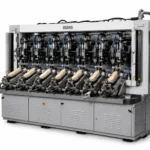
 Eva Footwear Injection Molding Machines
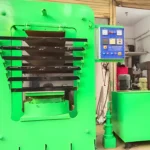 Hawaii Slipper Sole Sheet Machine
 Eva Sole Sheet Splitting
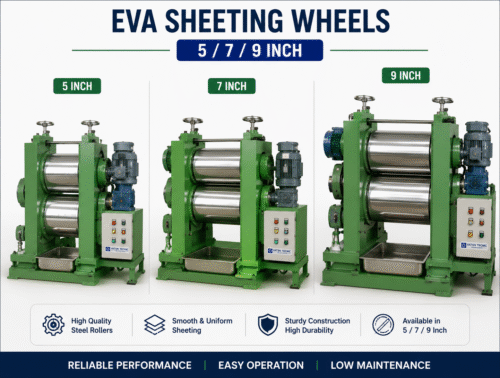 Eva Sheeting Wheels 5/7/9
 PVC Flooring Machine
 Plastic Pelletizing Line
 Filler / Masterbatch / PVC / TPR / EVA

 Breaker – Cracker Mill
 Shredder – Rasper Machines
 Waste Rubber Crumb Grinder Mill
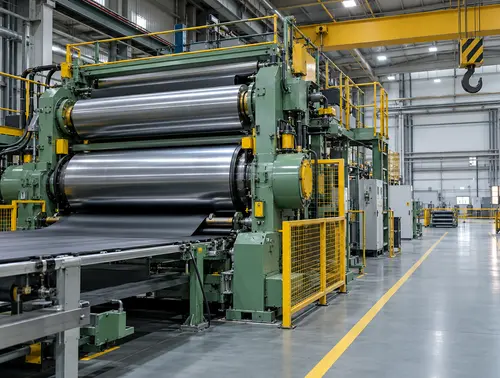
Trusted Rubber Calendar Machine in Patna: Bearing and Lubrication Checks

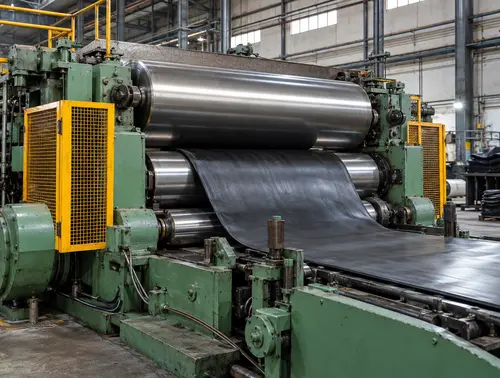
Quick answer: A rubber calendar machine in Patna fails at its bearings long before it fails at its rolls. Heat, load and contaminated lubricant destroy bearing life quietly, and a calender with tired bearings cannot hold a consistent sheet thickness no matter how carefully the rolls are ground.
Bearings are the least visible part of a calender and the most expensive to replace unexpectedly. Buyers evaluating a rubber calendar machine in Patna should ask about bearing condition and lubrication history before they look at the roll surfaces, because the rolls can be reground while a failed bearing usually takes the housing with it.
This guide covers what to inspect, what the lubrication record should show, and how to plan spares.
Why bearings fail first
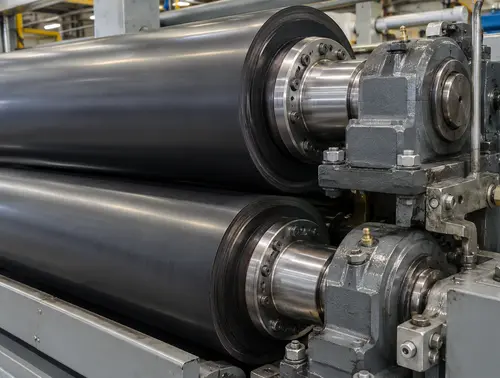
Rolls are heavy, they run hot and they carry the separating force of the process. The bearing at each roll end sees that load continuously, in a housing that is difficult to cool and easy to contaminate. Grease that has absorbed water, or oil that has stopped flowing, turns a bearing into a heat source within hours.
Once a bearing runs hot, the housing distorts and the roll alignment changes. The sheet then varies across its width, and the operator compensates by adjusting the roll gap — which loads the bearing further.
Lubrication regimes compared
| Regime | Strength | Limitation | Watch for |
|---|---|---|---|
| Grease | Simple, seals well, less frequent | Hard to inspect, can channel | Over-greasing and seal damage |
| Circulating oil | Cooling effect, easy sampling | Needs a system and monitoring | Leaks, low pressure, contamination |
| Oil mist | Continuous supply, low friction | Needs dry air and correct settings | Blocked nozzles, oil carryover |
Whichever regime the machine uses, the record matters more than the type. A grease schedule with dates and quantities tells you whether the machine was maintained; an oil sample with particle counts tells you what is happening inside it.
Reading bearing condition
Start with temperature. Run the machine at operating speed and measure each housing. A bearing running significantly hotter than its neighbours is already in trouble. Then listen: a whine that changes with speed, or a rumble that appears under load, is a bearing telling you its condition.
Check the lubricant. Grease that has turned dark or gritty, or oil with visible particles, means wear is under way. If the machine has an oil system, ask for the last sample report and compare the particle counts over time.
What the evidence means
| Evidence | Likely meaning | Action |
|---|---|---|
| One housing runs hot | Bearing wear or inadequate lubrication | Sample, inspect, plan replacement |
| Oil with metal particles | Active wear | Investigate before further running |
| Grease leaking past seals | Over-greasing or seal failure | Correct the quantity, replace seals |
| Repeat shimming of housings | Housing or bearing seat damage | Measure the seat, not just the bearing |
Spare planning
Ask which bearing part numbers are fitted and whether they are standard. A calender that uses proprietary bearings is a calender with a long downtime risk. Confirm the lead time for a set, and price it before purchase rather than after a failure.
Keep at least one spare of the most loaded bearing position if the machine runs continuously. The cost is small compared with the production lost waiting for a delivery.
Commissioning and the first month
Record baseline temperatures at each housing during commissioning, at a known speed and load. Those figures become your reference: when a housing later runs five degrees hotter, you will know it, which is exactly what a baseline is for.
Re-torque and re-check alignment after the first weeks of running, because thermal cycling settles the frame. Our notes on roll crown and grinding history and cooling and winding lines cover the adjacent checks.
Starting an oil sampling programme
If the machine has a circulating oil system, sample at a fixed interval and at a fixed point. Consistency matters more than frequency: a sample taken from a different location each time cannot be compared with the last one.
Record particle counts and water content alongside the date and running hours. Two or three samples establish a trend, and the trend is what tells you a bearing is starting to fail long before the temperature rises.
Keep the reports with the machine. When you sell it, a documented oil history is worth more than a fresh coat of paint.
Buying a calender? Vatsn Tecnic supplies new, used and refurbished rubber processing machinery. Ask for the bearing record and lubrication history with the inspection pack, and we will help you judge the machine on condition rather than appearance.
To read More about Rubber Making Machine Visit Here:
https://www.indiamart.com/vatsntecnic/profile.html
Frequently asked questions
How often should calender bearings be greased?
It depends on the duty and the seal design. Ask the manufacturer for the interval, then record each application. Over-greasing is as damaging as under-greasing because it can force seals out.
Can I check bearings without dismantling?
Yes, by temperature, noise and lubricant sampling. Vibration measurement adds detail if you have the instrument and a baseline to compare against.
What temperature is too hot?
There is no universal figure; what matters is the difference between housings and the trend over time. Record a baseline and watch for change.
Are sealed bearings better?
They suit dusty environments but cannot be relubricated. Open bearings with good seals allow sampling but demand discipline.
What causes a bearing to fail early?
Contamination, misalignment, incorrect lubricant or over-loading. All four leave evidence, which is why sampling matters.
Should I replace all bearings at once?
Not necessarily. Replace the failed position and inspect its neighbours. Replacing everything is expensive and can introduce new faults if the work is rushed.
What spare parts should I hold?
One bearing set for the most loaded position, seals and the correct lubricant. Proprietary items need longer lead times, so order them early.
Does bearing condition affect sheet quality?
Yes. A distorted housing changes roll alignment, which shows up as thickness variation across the sheet.