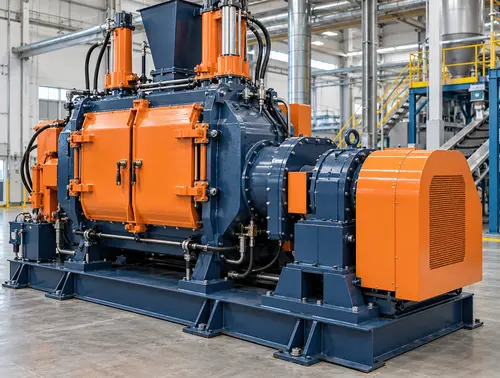

 Rubber Hot Feed Extruder
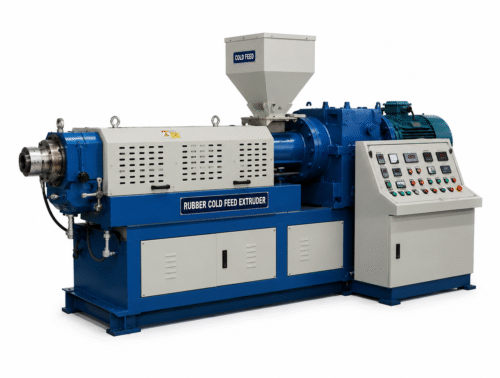 Rubber Cold Feed Extruder
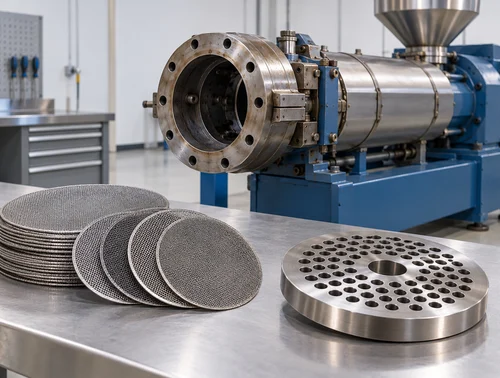
 Rubber Strainer – Reclaim Extruder
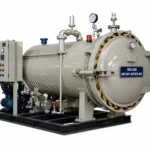 Reclaim Rotary Autoclave
 Compression Molding
 Injection Molding
 Vacuum Molding
 Rubber EVA Refiner Mill
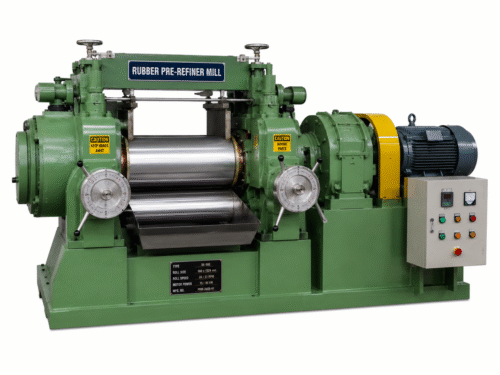 Rubber Pre-Refiner Mill
 Tire Building Machine
 Tread & sidewall Extruder
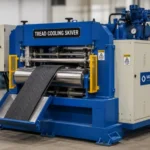 Tread Cooling skiver
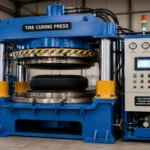 Tire curing press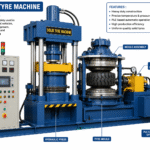
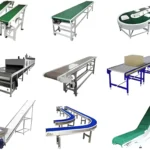
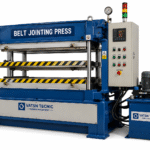 BELT JOINTING PRESS
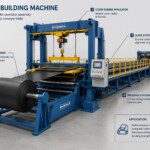 Belt Building Machine
 Eva Footwear Injection Molding Machines
 Hawaii Slipper Sole Sheet Machine
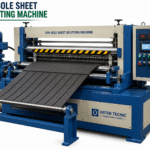 Eva Sole Sheet Splitting
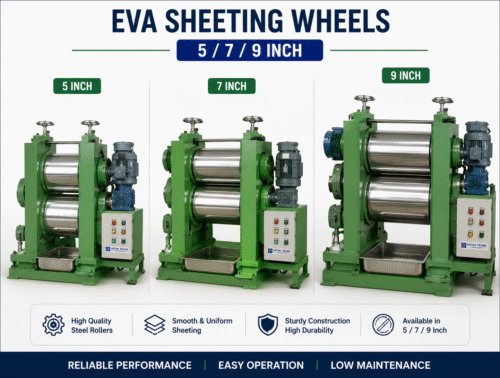 Eva Sheeting Wheels 5/7/9
 PVC Flooring Machine
 Plastic Pelletizing Line
 Filler / Masterbatch / PVC / TPR / EVA
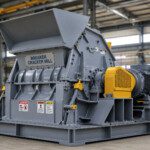 Breaker – Cracker Mill
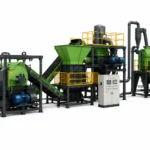 Shredder – Rasper Machines
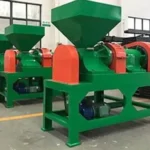 Waste Rubber Crumb Grinder Mill
Used Rubber Calendar Machine in Taiwan: Verify Roll Crown and Grinding History

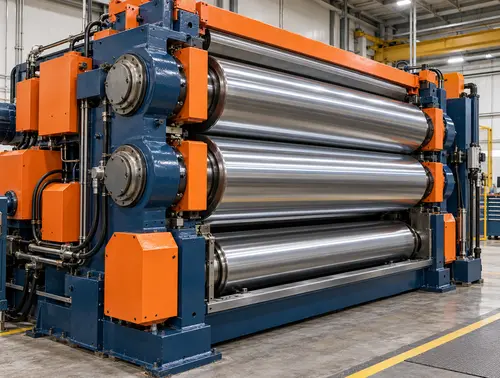
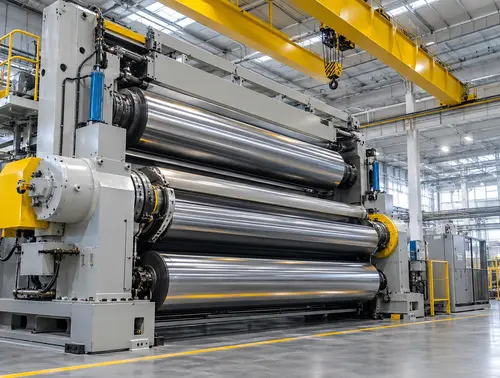
A used rubber calendar machine in Taiwan should be evaluated through current roll dimensions, crown or profile information, grinding history and process-relevant trial evidence. A reflective surface does not establish geometry. Buyers need to know how much material has been removed, whether the present profile suits the intended product, and which dimensional facts remain unavailable.
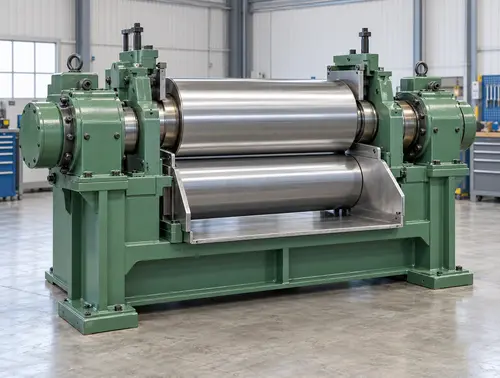
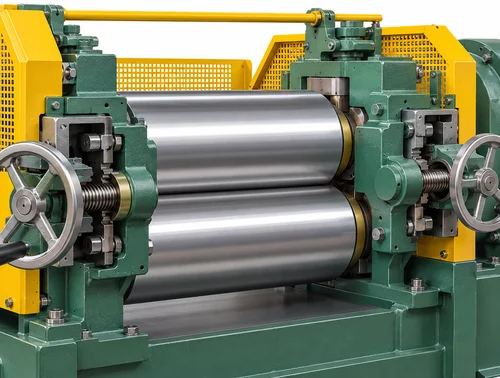
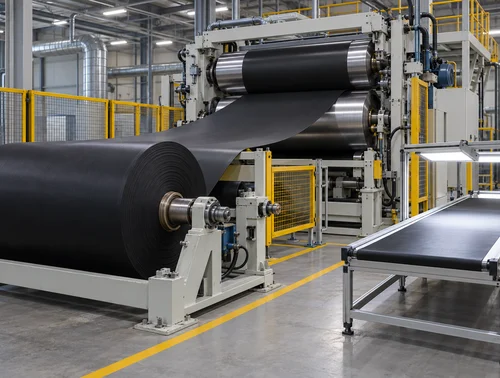
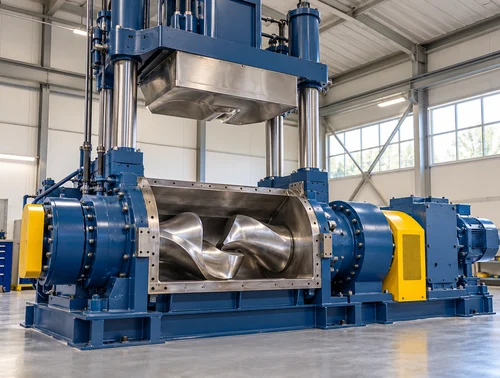
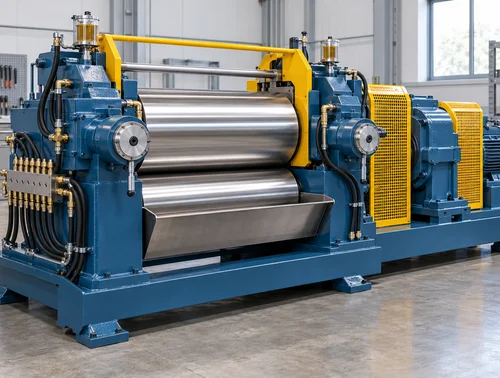
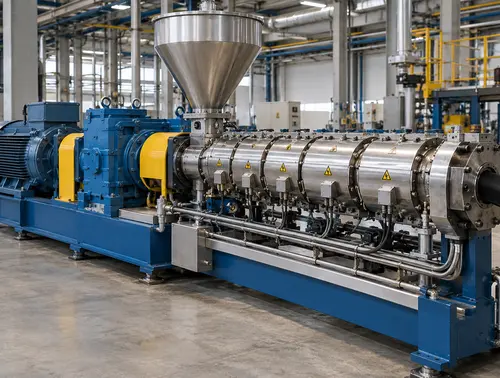
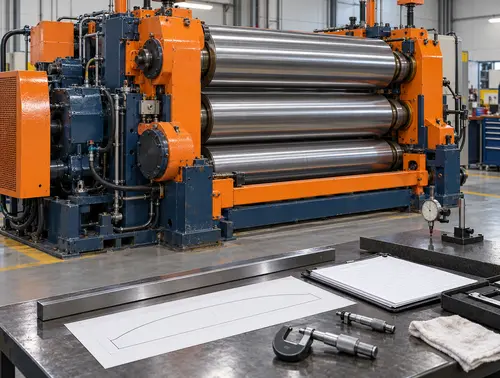
Images in this article are illustrative planning visuals. They do not prove the condition or availability of a specific machine.
How to evaluate used rubber calendar machine in Taiwan
Use the following checks to connect machine condition, inspection evidence and commercial responsibility without treating an unsupported claim as a verified fact.
Why roll history affects more than appearance
Calender rolls create a controlled nip across a working width. Diameter, profile, surface finish, runout, journal condition and alignment all influence the resulting sheet or coated web. Previous grinding may have corrected damage or changed the roll geometry. The buyer should not label all regrinding as negative; the task is to establish the present condition and its suitability for the intended process.
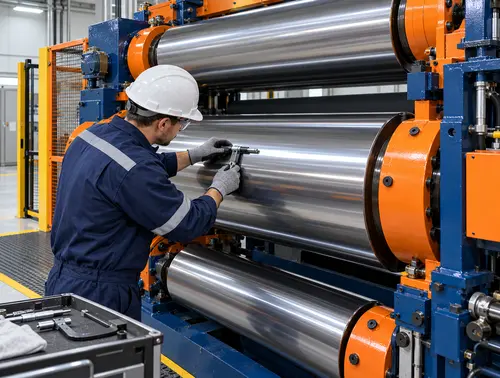
Build a roll identity and grinding timeline
Assign a consistent identifier to each roll and record its position, diameter, working face, journal photographs and available drawing number. Ask for grinding invoices, inspection certificates, profile plots, surface-finish records and chrome or coating history. Match dates and roll identifiers carefully. If documents cannot be linked to the offered roll, treat them as background rather than proof.
Inspect surface condition with a defect map
Clean the rolls through an approved safe procedure and suitable material. Under consistent lighting, map pits, scratches, corrosion, staining, repaired areas, edge damage and coating loss. Use scale references in photographs without placing loose objects in hazardous positions. A defect map helps a grinding specialist assess the next step, but photographs alone cannot determine depth, hardness or dimensional acceptability.
Plan dimensional checks that answer the buyer’s question
Agree which diameters, profile positions, runout points, journal features and surface-finish readings are needed. Record instruments, calibration status, machine temperature and setup. Crown must be interpreted for the roll design and process; it is not a generic positive or negative number. When original drawings are missing, a specialist can document the present profile and state the limits of comparison.
Connect geometry to a process trial
Define material, width, nip sequence, roll temperatures, line speed, tension interfaces and sampling plan. Record the sheet or web at agreed cross-machine positions using the buyer’s evaluation method. If connected take-off or winding equipment is absent, state how that limits the result. A short trial supports a decision only when machine condition and process conditions are documented together.
Make grinding responsibility commercially clear
The quotation should say whether rolls are supplied as inspected, reground to an agreed profile, polished, coated or left for destination work. Identify who approves the target profile, who verifies final dimensions and who protects the surfaces during packing. Include any available remaining-diameter information without making an unsupported prediction of future grinding cycles.
Compare the evidence before committing
| Evidence or route | Practical advantage | Limitation or trade-off |
|---|---|---|
| Grinding timeline | Explains previous dimensional work | Documents must match the exact roll |
| Profile and diameter record | Shows present geometry | Needs process-specific interpretation |
| Surface defect map | Locates visible damage | Cannot prove depth or hardness |
| Process trial samples | Connects condition to stated duty | Results depend on trial setup |
The comparison should be read with the offered machine’s actual access, records and intended duty. An unavailable item should be labelled unavailable rather than replaced with an assumption.
Choose a purchase scope that assigns risk
| Scope | Advantage | Trade-off |
|---|---|---|
| Buy as inspected | Buyer selects service provider | Geometry risk remains with buyer |
| Seller completes agreed regrind | Machine arrives closer to defined condition | Target profile and verification must be written |
| Specialist roll survey before purchase | Improves dimensional evidence | Adds access, time and cost |
| Trial with retained samples | Supports cross-width comparison | May be limited by missing line equipment |
Whichever route is selected, acceptance should refer to named evidence, stated test conditions and an open-item register. This keeps commercial language aligned with what was actually verified.
Practical buyer checklist
- Confirm the exact offered machine identity before using any record.
- Define safe access, isolation and witness responsibilities.
- Record instruments, locations, conditions and limitations.
- Separate visible condition from measured or documented condition.
- Assign every repair, exclusion and missing document to an owner.
- Retain dated photographs and the final accepted scope.
For related planning, review this Vatsn Tecnic buyer guide. Safe inspection and maintenance planning should follow competent procedures; the UK Health and Safety Executive provides general safe-maintenance guidance. These references support the method, but the offered machine still requires its own assessment.
Request a machine-specific review
Send Vatsn Tecnic the machine identity, intended product, available records, photographs and test constraints. The team can help organise the enquiry around observable evidence and a written scope. Avoid committing on photographs, a location label or an unsupported performance promise alone.
To read More about Rubber Making Machine Visit Here:
https://www.indiamart.com/vatsntecnic/profile.html
Buyer FAQs
Does a mirror-like roll surface prove correct crown?
No. Surface appearance and dimensional profile are separate inspection questions.
Is every reground roll unsuitable?
No. Regrinding can restore a surface, but the current dimensions, profile and process suitability must be verified.
What records should identify each roll?
Use position, dimensions, photographs, drawing or serial references and consistent roll labels.
Can crown be checked with one diameter reading?
No. A profile requires measurements at defined positions using a repeatable method.
Should hardness be tested before purchase?
Only when relevant, safely accessible and interpreted by competent specialists using an agreed method.
What if the original roll drawing is missing?
Document present geometry and clearly state that comparison with the original design is unavailable.
How should rolls be protected for transport?
Agree cleaning, corrosion protection, surface wrapping, blocking and handling points without damaging working faces.
What should be included in the enquiry?
Share intended product, width, process duty, roll records, defect photographs, dimensional data and available trial conditions.
Conclusion
used rubber calendar machine in Taiwan enquiries should lead to a decision record that distinguishes verified facts, open questions and assigned corrective work. When the buyer defines evidence before price negotiation, the quotation becomes easier to compare and the destination team receives a more useful handover.