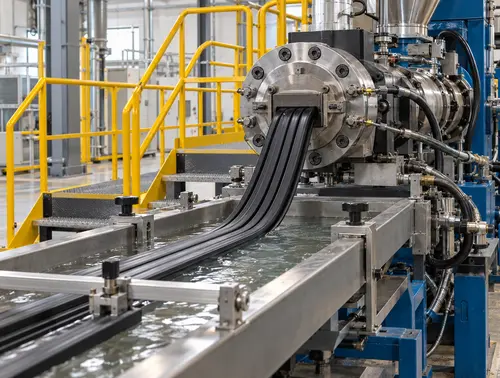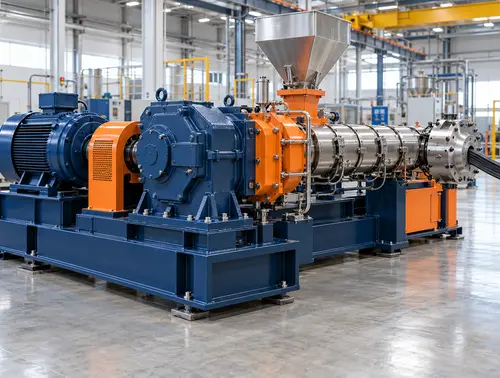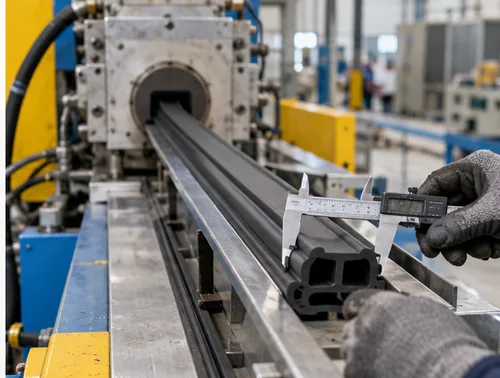

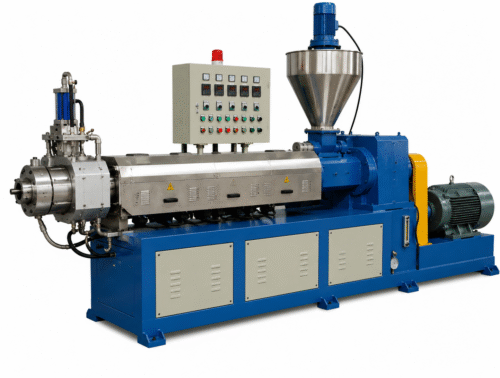
 Rubber Hot Feed Extruder
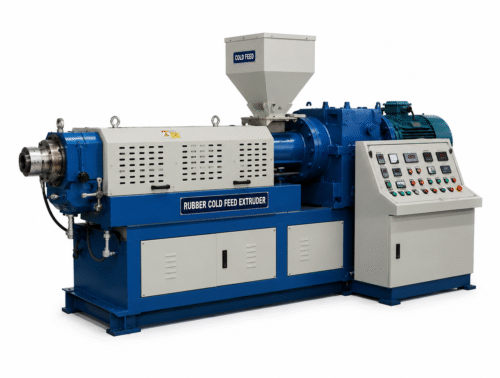 Rubber Cold Feed Extruder
 Rubber Strainer – Reclaim Extruder
 Reclaim Rotary Autoclave
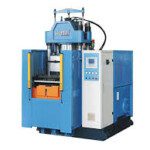 Compression Molding
 Injection Molding
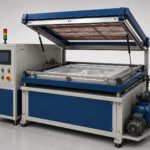 Vacuum Molding
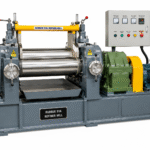 Rubber EVA Refiner Mill
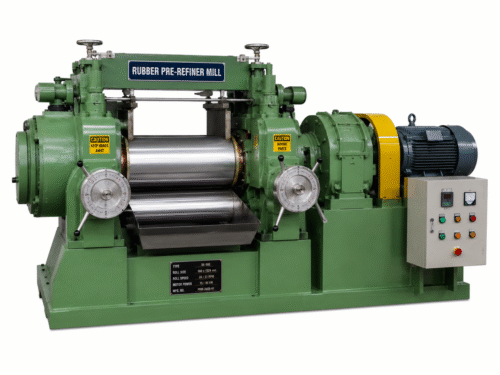 Rubber Pre-Refiner Mill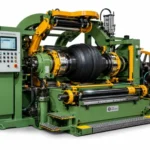
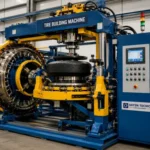 Tire Building Machine
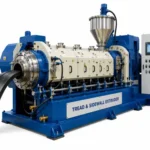 Tread & sidewall Extruder
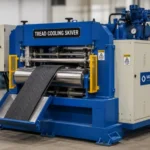 Tread Cooling skiver
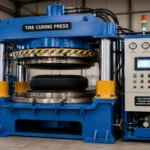 Tire curing press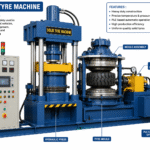
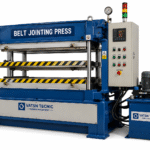 BELT JOINTING PRESS
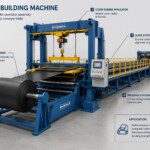 Belt Building Machine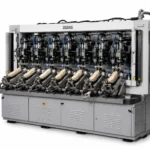
 Eva Footwear Injection Molding Machines
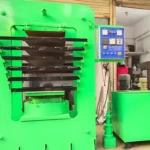 Hawaii Slipper Sole Sheet Machine
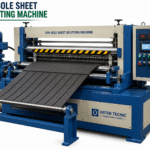 Eva Sole Sheet Splitting
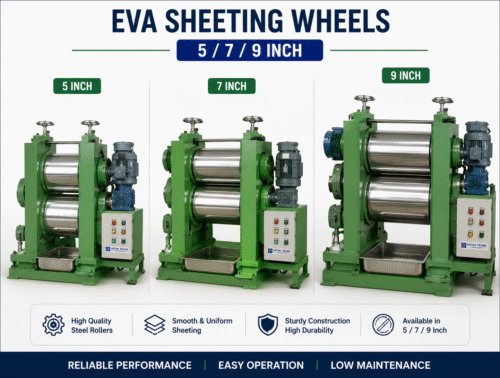 Eva Sheeting Wheels 5/7/9
 PVC Flooring Machine
 Plastic Pelletizing Line
 Filler / Masterbatch / PVC / TPR / EVA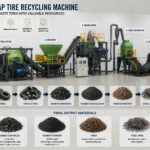
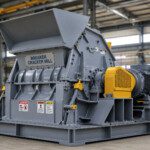 Breaker – Cracker Mill
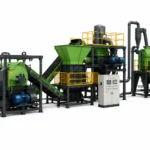 Shredder – Rasper Machines
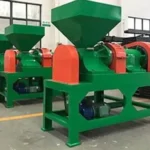 Waste Rubber Crumb Grinder Mill
Source Rubber Calendar Machine in Mumbai: Plan Access and Lifting

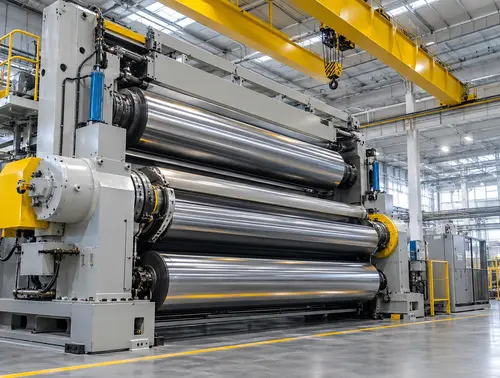
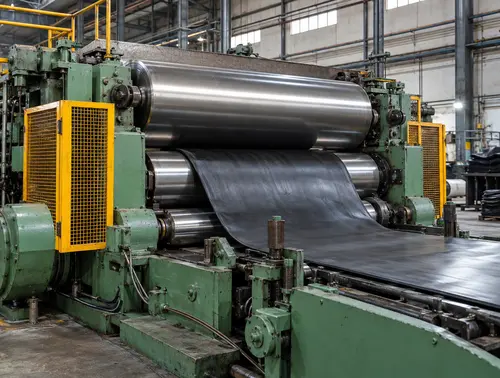
source rubber calendar machine in Mumbai should be selected through a written scope, observable inspection evidence and a realistic plan for installation. The useful question is not whether a machine looks complete, but whether its exact configuration, interfaces and test limits fit the intended process. This guide shows how to compare evidence without inventing capacity, condition or performance claims.
Survey the complete installed envelope
Record the machine footprint plus drive, control, stock guide, take-off, access platform and any adjacent equipment included in the offer. Measure maintenance and removal space, not only the base dimensions.
Photograph obstructions, floor levels, doors and the available route to the loading point. A machine that fits on a drawing may still be difficult to dismantle or move because of roll length, lifting points or restricted turning space.
Plan roll and bearing access
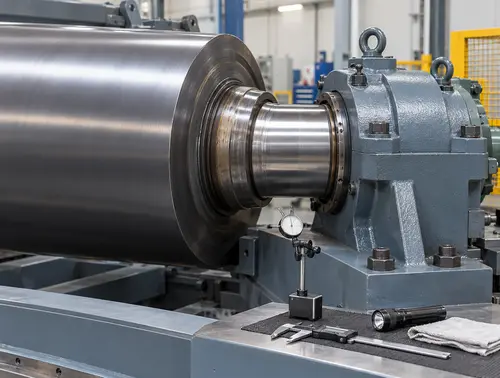
Identify how covers, bearing housings, rolls and drive components are accessed for inspection and future service. Ask which special supports, tools or lifting beams exist and whether they are included.
Do not assume improvised lifting marks are rated points. Lifting plans must be prepared by competent persons using verified weights, centres of gravity, equipment ratings and site conditions.
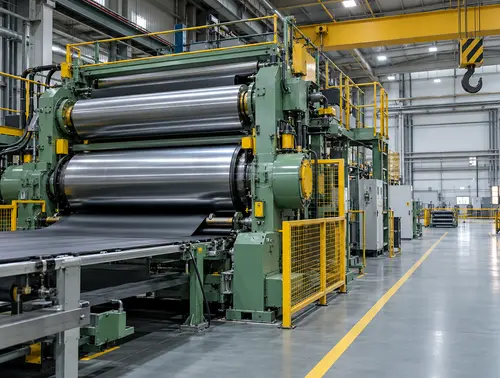
Define dismantling and preservation
Before dismantling, mark alignment references, cable ends, piping, guards and component orientation. Protect polished rolls and machined surfaces from impact, contamination and corrosion using an agreed preservation method.
When you source rubber calendar machine in Mumbai, link each package to a numbered packing list and photographs. Separate loose instruments, fasteners and fragile controls so the receiving team can identify them without guesswork.
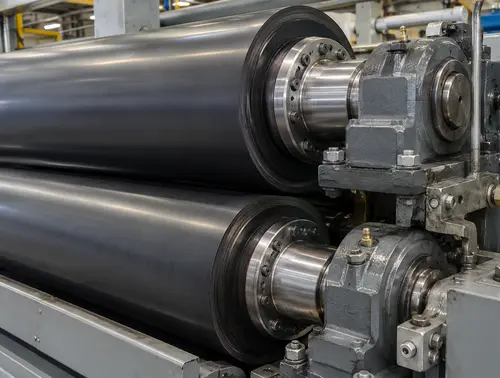
Check receiving-site access early
Review gate widths, turning paths, floor capacity, unloading area, crane or rigging access, foundation readiness and assembly clearances. Assign responsibility for every interface before dispatch.
The handover should distinguish transport preservation from commissioning readiness. Reassembly, alignment, guarding, utilities and controlled trials require fresh verification after relocation.
Compare the available evidence
| Access item | Evidence to collect | Consequence if missed |
|---|---|---|
| Installed envelope | Measured layout and photographs | Machine or maintenance space may not fit |
| Roll removal path | Clearance and lifting concept | Future service becomes difficult |
| Loading route | Door, floor and turning survey | Dispatch delay or unsafe improvisation |
| Packing | Numbered list and preservation record | Missing or damaged components |
Use an accepted, rejected, open or not-applicable status for each line. Attach the photograph, reading, drawing or test note supporting the decision. If a function cannot be checked safely, record the limitation instead of converting missing evidence into an assumption.
Compare commercial approaches
| Dismantling approach | Advantages | Limitations |
|---|---|---|
| Documented modular dismantling | Traceable and easier to reassemble | Requires time and disciplined marking |
| Large assembled lift | Fewer disconnected interfaces | Needs verified weight, rigging and access |
| Mixed shipment | Can suit practical transport limits | Demands strong package identification |
The lowest machine quotation is not automatically the lowest installed cost. Separate machine scope, accessories, dismantling, packing, freight, unloading, foundation work, utilities, installation, trial support, training and taxes. Assign every important exclusion to a named party before payment.
Documents to attach to the quotation
- Machine identity and current configuration
- Included and excluded assemblies
- Inspection and trial method
- Open-item register with owners
- Available utility and foundation information
- Packing, transport and receiving responsibilities
- Payment milestones linked to observable evidence where suitable
- Technical contact and handover documents
Before making a final decision on source rubber calendar machine in Mumbai, ask the seller to distinguish verified facts from estimates and unavailable information. Keep the purchase record tied to the exact machine, the intended material and the receiving site.
Vatsn Tecnic can help buyers organize inspection questions, compare documented scope and plan installation support. Review how we work, see our technical services, or use the contact page to discuss the intended process. Safety, electrical, lifting and foundation decisions must remain with competent persons following site rules and applicable requirements.
For general machinery-safety principles, buyers may also review the International Labour Organization safety and health resources. This reference provides general guidance and does not certify any offered machine.
To read More about Rubber Making Machine Visit Here:
https://www.indiamart.com/vatsntecnic/profile.html
Buyer FAQs
Is machine footprint enough for layout approval?
No. Include maintenance, roll-removal, drive and operator access.
Can existing lifting lugs be assumed safe?
No. Their capacity and condition require competent verification.
How should rolls be protected?
Use an agreed method that prevents impact, contamination and corrosion.
Should alignment marks be recorded?
Yes, with photographs and component identifiers before dismantling.
What if exact weights are unavailable?
Treat that as a critical planning gap and obtain competent assessment.
Does careful packing prove commissioning readiness?
No. Installation and trials still require receiving-site checks.
Who owns unloading risk?
The contract should name responsibilities for transport, unloading and rigging.
What should accompany each package?
A unique number, contents list, photographs and handling instructions.
Prepare a route and preservation dossier
Combine the measured dismantling route, package dimensions, known weights, handling restrictions and receiving-site route in one dossier. Flag every value that remains unverified. Competent rigging personnel should use verified information and their own assessment; the dossier is a planning record, not a substitute for a lifting plan.
Include close photographs of polished roll surfaces before protection, after packing and at receipt. Record the preservation material and inspection interval. Keep small fasteners, sensors and labelled cable ends in identified containers rather than loose inside the main frame.
Schedule receiving inspection before installation work begins. Check packaging condition, package numbers, corrosion protection and visible damage, then preserve the evidence for any transport discussion.
Keep the final route dossier with the purchase record and give the controlled revision to the rigging and receiving teams. If the route, packaging or lifting concept changes, update the revision rather than circulating informal notes. Clear document ownership helps prevent an outdated measurement or unverified weight from being treated as current.
Key takeaway
Choose the machine only after identity, interfaces, safe test evidence and commercial responsibilities are clear. Keep unresolved points visible in the quotation and commissioning plan. A concise evidence pack is more useful than broad claims because it helps the buyer compare options, prepare the site and avoid preventable gaps after dispatch.