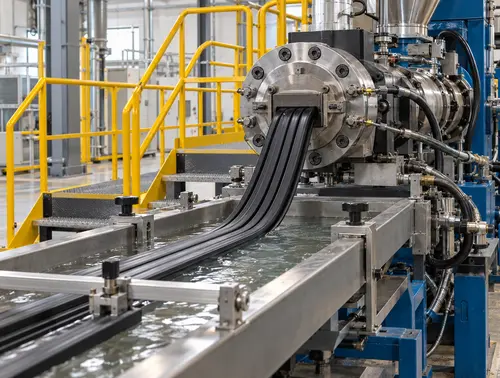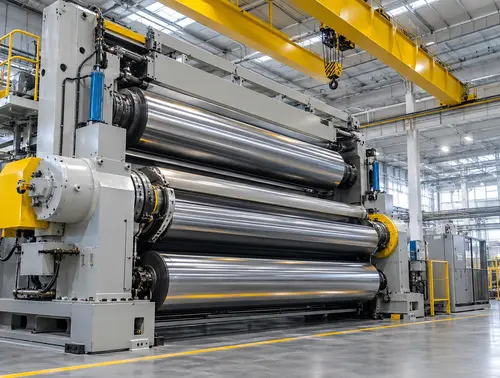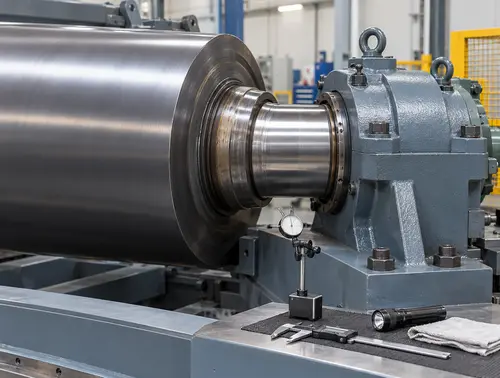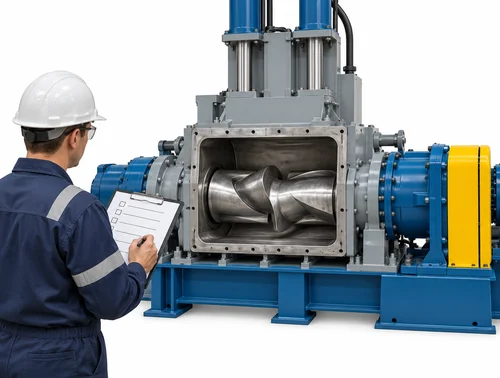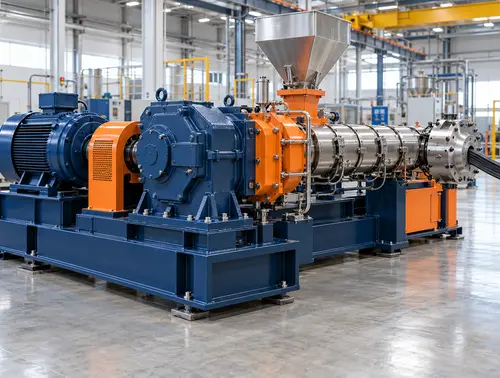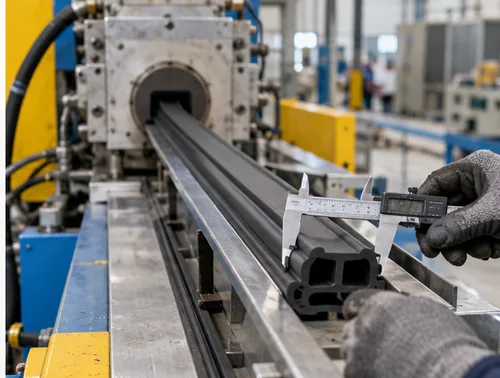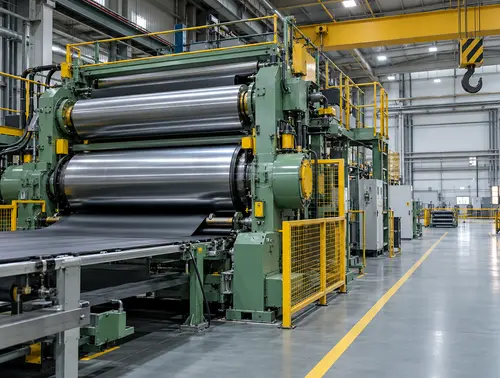
 Rubber Hot Feed Extruder
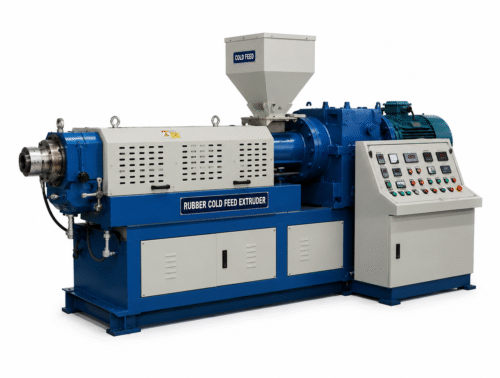 Rubber Cold Feed Extruder
 Rubber Strainer – Reclaim Extruder
 Reclaim Rotary Autoclave
 Compression Molding
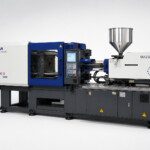 Injection Molding
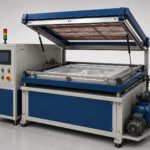 Vacuum Molding
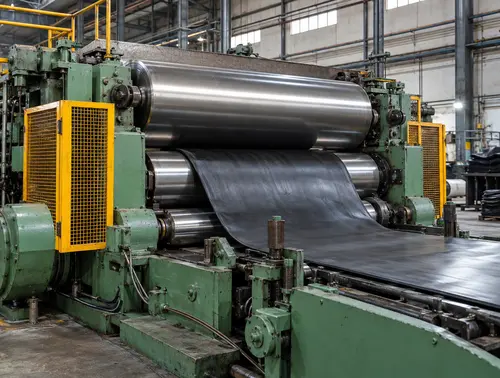
 Rubber EVA Refiner Mill
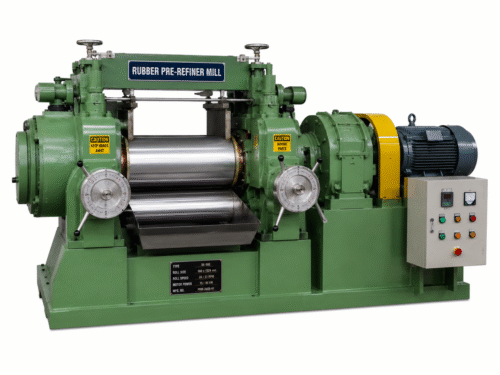 Rubber Pre-Refiner Mill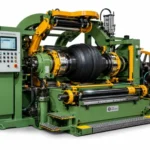
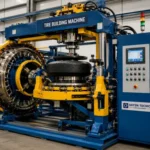 Tire Building Machine
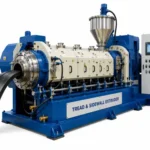 Tread & sidewall Extruder
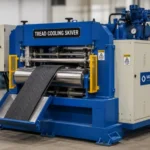 Tread Cooling skiver
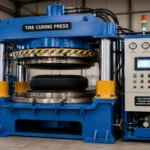 Tire curing press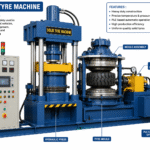
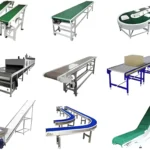
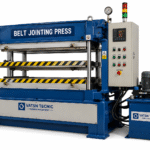 BELT JOINTING PRESS
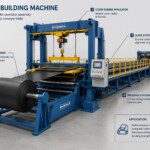 Belt Building Machine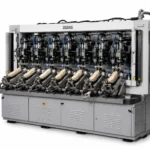
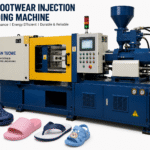 Eva Footwear Injection Molding Machines
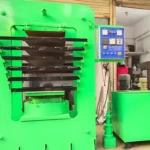 Hawaii Slipper Sole Sheet Machine
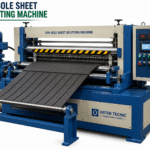 Eva Sole Sheet Splitting
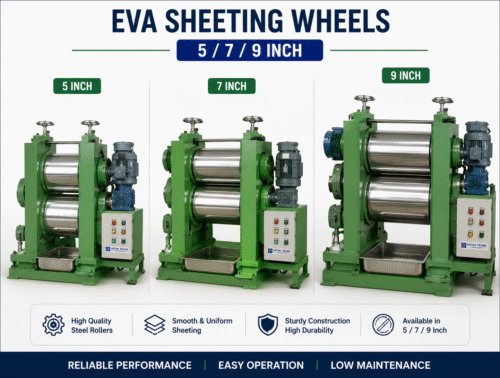 Eva Sheeting Wheels 5/7/9
 PVC Flooring Machine
 Plastic Pelletizing Line
 Filler / Masterbatch / PVC / TPR / EVA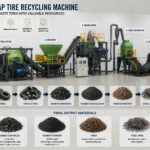
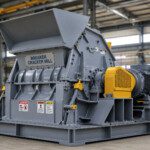 Breaker – Cracker Mill
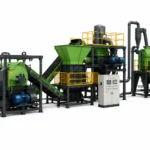 Shredder – Rasper Machines
 Waste Rubber Crumb Grinder Mill
How to Start a Rubber Factory in India: Cost, Machines & Profit (2026 Guide)

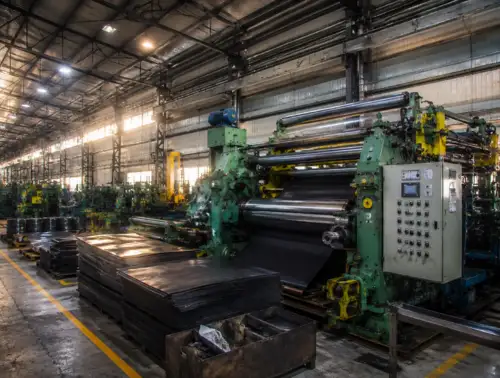
India’s rubber manufacturing sector continues to attract entrepreneurs as demand for automotive, footwear, industrial, and consumer rubber products grows. The rubber factory startup guide has become an essential topic for investors planning to establish manufacturing units in 2026.
Lower equipment costs, government support for MSMEs, and the growing availability of quality used machinery have made factory ownership more accessible. This report explains the investment, machinery requirements, profitability, and future opportunities for starting a rubber manufacturing business in India.
Everything you must know includes in this rubber factory startup guide
India has witnessed increasing investment in rubber manufacturing facilities during the past few years. Rising demand from the automobile, construction, footwear, and industrial sectors has encouraged businesses to establish new production units.
Moreover, manufacturers are increasingly purchasing refurbished machinery to reduce startup costs without compromising production quality. Consequently, the rubber factory startup guide is attracting attention from first-time entrepreneurs and existing manufacturers alike.
Rubber factory startup guide for new entrepreneurs
Industry experts believe that modern machinery, combined with efficient factory planning, can significantly improve production capacity. Entrepreneurs are now exploring both new and used machinery before making investment decisions.
India ranks among the world’s largest producers and consumers of rubber products. Demand continues to rise because of expanding automobile manufacturing, infrastructure development, and footwear production.
Historically, establishing a rubber factory required significant capital investment. However, the growing refurbished machinery market has reduced financial barriers.
Therefore, the rubber factory startup guide has become increasingly relevant for MSMEs and startup manufacturers.
Rubber factory startup guide — The Bigger Picture
Government initiatives encouraging domestic manufacturing have strengthened India’s industrial ecosystem. Additionally, financial schemes for MSMEs help businesses purchase machinery and modernize production facilities.
Key Details You Should Know
- Factory size generally starts from 4,000–10,000 square feet.
- Rubber mixing equipment forms the foundation of production.
- Semi-automatic machines reduce initial investment.
- Automatic production lines increase long-term profitability.
- Industrial power connections improve operational efficiency.
- Skilled operators remain essential for quality production.
- Factory approvals vary according to state regulations.
According to engineers at Vatsntecnic, selecting machinery based on production goals is more important than purchasing the most expensive equipment.
Rubber factory startup guide with estimated investment
| Factory Scale | Estimated Investment |
|---|---|
| Small Unit | ₹20–40 Lakhs |
| Medium Factory | ₹50 Lakhs–₹1.5 Crore |
| Large Manufacturing Plant | ₹2–5 Crore+ |
Investment depends on land, machinery, utilities, manpower, and automation level.
Machinery Comparison Chart
| Machine Category | Approximate Investment | Profit Potential | Business Advantage |
| Rubber Kneader | Medium | High | Uniform rubber mixing |
| Rubber Mixing Mill | Medium | High | Compound preparation |
| Rubber Extruder | High | Very High | Continuous product manufacturing |
| Hydraulic Press | Medium | Medium | Multi-purpose molding |
| Tire Building Machine | High | Very High | Tire manufacturing |
| Used Rubber Machinery | Low | Medium-High | Lower startup investment |
Essential Machines Required
A standard rubber factory generally includes:
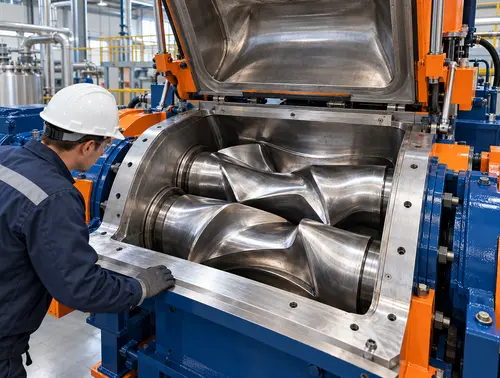
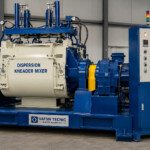
- Rubber Kneader Machine
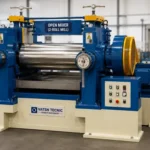
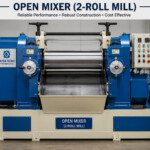
- Rubber Mixing Mill
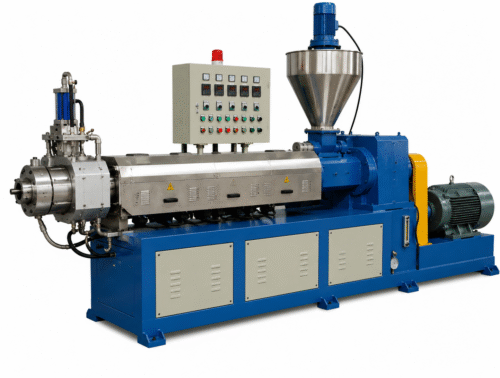
- Rubber Extruder
- Hydraulic Compression Press
- Batch Off Machine
- Calender Machine
- Rubber Strainer
- Cooling Conveyor
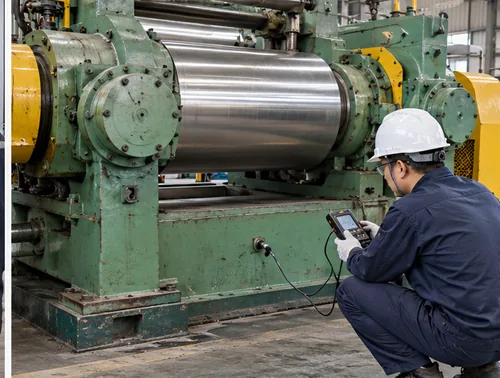
- Testing Equipment
- Air Compressor
The exact machinery depends on the products being manufactured.
Rubber factory startup guide and cost breakdown
| Expense | Approximate Cost |
| Land & Building | 25–40% |
| Machinery | 35–45% |
| Installation | 5–10% |
| Raw Material | 10–20% |
| Licenses | 2–5% |
Impact and Industry Response
Industry suppliers report increasing inquiries for refurbished machinery because businesses aim to minimize initial capital expenditure.
Furthermore, financing institutions have shown greater interest in supporting manufacturing startups through MSME schemes.
How Rubber factory startup guide Is Affecting Manufacturers
Small manufacturers now compete with larger factories by investing in efficient used machinery. Modern production methods also improve product quality and reduce waste.
Benefits Chart
| Benefit | Impact on Production |
| Automated Mixing | Better product consistency |
| Used Machinery | Lower investment cost |
| Modern Extruders | Faster production |
| Quality Testing | Reduced rejection rate |
| Skilled Operators | Higher productivity |
| Preventive Maintenance | Less machine downtime |
Real Factory Case Study
A footwear component manufacturer in Haryana upgraded its production line using refurbished rubber machinery supplied by Vatsntecnic.
The plant replaced aging mixing equipment with a rebuilt kneader and a modern mixing mill. Within six months, production consistency improved significantly.
Factory operators also reported lower maintenance costs and reduced material wastage. According to the production engineer, choosing refurbished industrial machinery allowed the company to expand capacity without making a large capital investment.
The engineering team emphasized that proper machine installation, preventive maintenance, and operator training played a major role in achieving these improvements.
Growing Opportunity
India’s rubber industry continues expanding because of increasing demand for automotive tires, footwear, conveyor belts, seals, gaskets, and industrial rubber products.
Government initiatives supporting domestic manufacturing and MSME development have created additional opportunities for entrepreneurs.
Export demand also continues rising, making rubber manufacturing an attractive long-term business.
Future of the Rubber Factory Industry
Automation will continue transforming rubber manufacturing over the next decade.
Manufacturers are expected to adopt:
- AI-based quality inspection
- Smart factory monitoring
- Energy-efficient machinery
- Predictive maintenance systems
- Sustainable rubber processing
- Industry 4.0 production lines
Businesses investing in modern machinery today are likely to remain more competitive in the future.
Conclusion on Rubber factory startup guide
Starting a rubber factory in India has become more practical than ever before. Growing industrial demand, improved machinery availability, and government support create strong business opportunities for entrepreneurs.
A carefully planned investment strategy, efficient machinery selection, and skilled workforce can significantly improve profitability. Both new and refurbished machinery now offer reliable production capabilities for manufacturers at different investment levels.
Companies that focus on productivity, quality control, and preventive maintenance are better positioned for long-term growth. As India’s manufacturing sector expands, the rubber industry is expected to remain one of the country’s strongest industrial opportunities through 2026 and beyond.
For More Information Visit Here
https://www.indiamart.com/vatsntecnic/profile.html
Frequently Asked Questions
How much investment is required to start a rubber factory?
A small factory generally requires ₹20–40 lakhs, while larger automated plants may exceed ₹2 crore.
Which machines are essential?
Rubber kneader, mixing mill, extruder, hydraulic press, and testing equipment are the primary machines.
Is buying used machinery profitable?
Yes. High-quality refurbished machinery significantly reduces startup investment while maintaining production efficiency.
Can MSMEs receive government support?
Yes. Several central and state government schemes support manufacturing businesses through subsidies and financial assistance.
Which products can a rubber factory manufacture?
Rubber sheets, seals, gaskets, footwear soles, conveyor belts, tubes, industrial components, and molded products.
Is the rubber manufacturing business profitable?
With efficient production planning and market demand, rubber manufacturing can offer attractive long-term profitability.