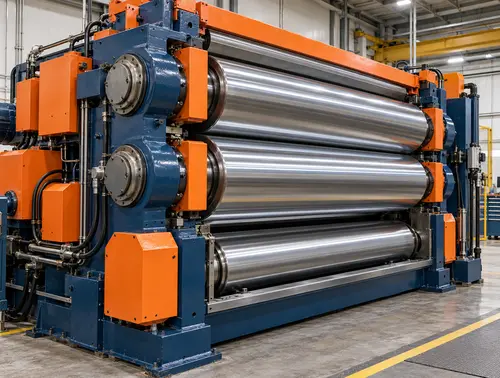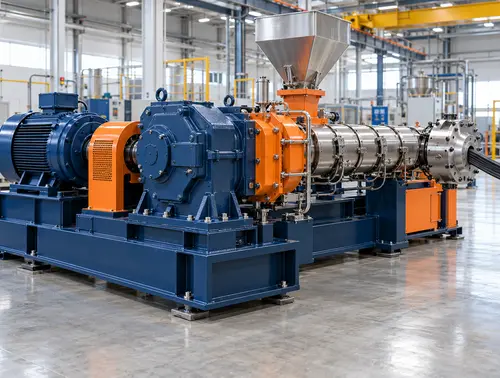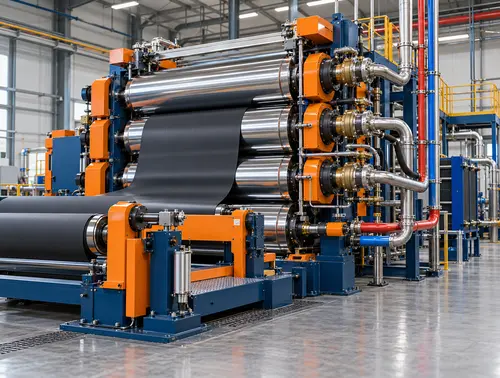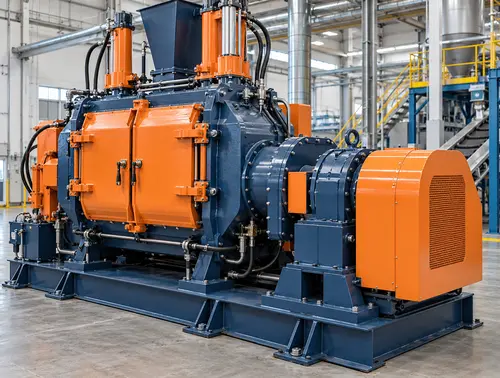
 Rubber Hot Feed Extruder
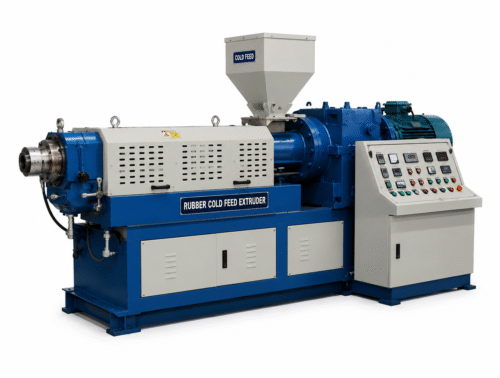 Rubber Cold Feed Extruder
 Rubber Strainer – Reclaim Extruder
 Reclaim Rotary Autoclave
 Compression Molding
 Injection Molding
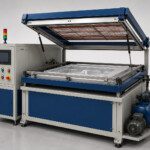 Vacuum Molding
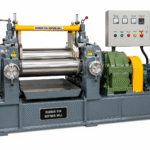 Rubber EVA Refiner Mill
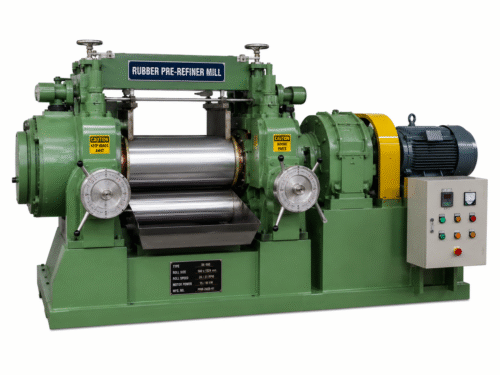 Rubber Pre-Refiner Mill
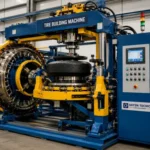 Tire Building Machine
 Tread & sidewall Extruder
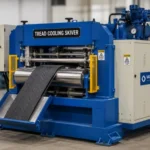 Tread Cooling skiver
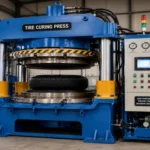 Tire curing press
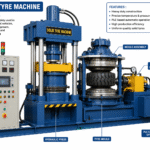
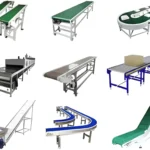
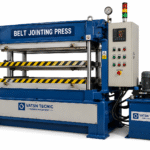 BELT JOINTING PRESS
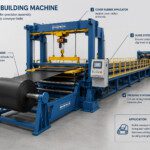 Belt Building Machine

 Eva Footwear Injection Molding Machines
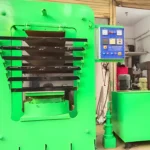 Hawaii Slipper Sole Sheet Machine
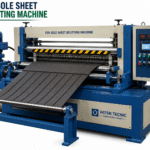 Eva Sole Sheet Splitting
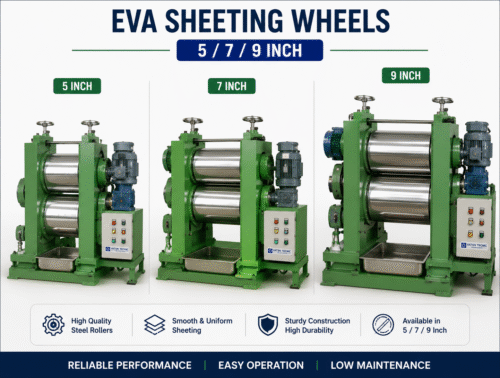 Eva Sheeting Wheels 5/7/9
 PVC Flooring Machine
 Plastic Pelletizing Line
 Filler / Masterbatch / PVC / TPR / EVA

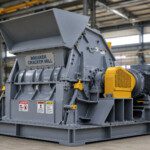 Breaker – Cracker Mill
 Shredder – Rasper Machines
 Waste Rubber Crumb Grinder Mill
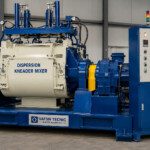
Buy Rubber Dispersion Kneader in Jaipur: Check the Discharge Door Seal

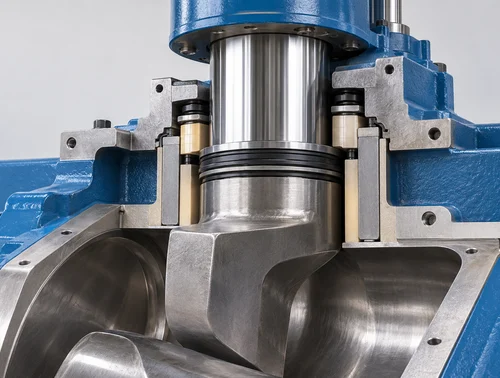
Quick answer: When you buy a rubber dispersion kneader in Jaipur, inspect the discharge door before anything else. Door sealing faces, hinge wear and hydraulic clamping decide how much compound you lose per batch, and they are the most expensive parts to remake on a used machine.
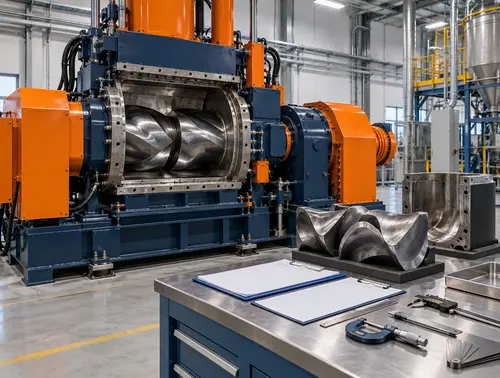
A rubber dispersion kneader in Jaipur is bought for its mixing action, but it is judged in production by what happens at the discharge. A door that does not seal cleanly leaks compound under the ram pressure, hardens in the gap, and slowly damages the very surfaces that make the seal. Buyers who inspect the rotors and ignore the door usually discover the problem in the first week of running.
This guide explains what to check, how to test the door before purchase, and what a fair quotation should separate out.
Why the discharge door deserves the first hour of inspection
The mixing chamber is a pressure vessel in everything but name. The ram pushes down, the rotors shear, and the only thing holding the batch in place is the door and its seal. Any gap becomes a place where compound cools, cures and turns into a hard wedge. Once that happens, the door no longer closes flat, and the leak gets worse with every batch.
Sealing faces and clamping
Look at the sealing face as a machined surface, not as a painted panel. It should be flat, free of gouges and free of weld repair. Check the hinge pins for ovality and the hydraulic or pneumatic clamp for a smooth, complete stroke. Ask whether the clamp has a mechanical lock, because a kneader that relies only on hydraulic pressure will open slightly when the power drops.
Signs that the door has been leaking
Leaks leave evidence. Look for hardened compound in the hinge area, staining down the door frame, and a tidemark of cured rubber along the seal line. On the machine’s own history, ask whether the door seal has been replaced, how often, and whether the seat was machined at the same time.
Inspection checklist before you commit
- Door face: flatness, gouges, weld repairs, seal groove condition.
- Hinge and pivot: play, ovality, lubrication points still present.
- Clamp: full stroke, holding pressure, mechanical lock, hose condition.
- Chamber: wear at the door end, because that is where the batch sits longest.
- Rotors: tip clearance and surface condition, viewed with the door open.
- Ram: guide wear, seal condition, and whether the ram drops evenly.
- Thermal circuit: whether the door and chamber are cored and whether the unions are intact.
- Records: maintenance history, seal replacements, any machining of the seat.
Photograph each item and attach the record to the purchase order. The same evidence-led approach applies to rotor and chamber wear and to ram seals and guides.
Drop door or slide door: what changes for the buyer
| Door type | Strength | Limitation | Where it suits |
|---|---|---|---|
| Drop door | Large clear opening, fast discharge, simple geometry | Hinge and clamp carry the whole sealing load | High-volume batches, frequent colour changes |
| Slide door | Even clamping, less reliance on hinge alignment | Slide ways wear and need clean guiding | Dusty plants, heavy batches, tight sealing |
Reading wear evidence correctly
| What you see | Likely cause | What to do |
|---|---|---|
| Hardened bead along the seal line | Chronic leak, door not clamping fully | Machine the seat, replace seal, check clamp pressure |
| Shiny worn patch at one corner | Hinge misalignment or bent door | Realign hinge, check door flatness before sealing |
| Fresh weld on the door frame | Previous crack repair | Ask for the repair report and inspect the weld toe |
| Oil film around the clamp | Seal failure in the cylinder | Repack or replace the cylinder before commissioning |
Running a trial batch before you pay
If power is available, run a small batch and watch the door through the whole cycle. Look for compound extruding at the seal line, listen for the clamp creeping, and check the door temperature afterwards. A door that runs hot at one corner is telling you the seal is not seating evenly.
If a trial is impossible, ask for a video of the machine running with the door in view, and for the last batch record. A seller who cannot produce either is asking you to accept a risk that belongs with them.
What the quotation should separate
Ask for door seal, hinge pins, clamp cylinder seals and any seat machining as separate line items. These are the parts you will replace first, and knowing their cost tells you more about the real price than the headline figure does. Confirm whether the supplier will support alignment after installation, because a door that is refitted on site without alignment will leak again.
Comparing machines? Vatsn Tecnic supplies new, used and refurbished rubber processing machinery and can arrange inspection evidence before dispatch. Send the machine details and the batch sizes you intend to run, and ask for a written scope.
To read More about Rubber Making Machine Visit Here:
https://www.indiamart.com/vatsntecnic/profile.html
Frequently asked questions
Why does the discharge door matter more than the rotors?
Rotors wear slowly and predictably; a leaking door damages itself quickly and causes batch loss on every cycle. It is also the most expensive area to re-machine, so it carries more risk in a used purchase.
How can I tell if the door seal is worn without running the machine?
Look for a hardened bead along the seal line, staining below the hinge, and gouges on the sealing face. Ask how often the seal was replaced and whether the seat was machined at the same time.
Can a leaking door be repaired on site?
Seals and clamp cylinders can usually be replaced in place. Machining the seat normally needs the door removed and a machine shop, so confirm access and lifting before you plan the work.
Is a drop door better than a slide door?
It depends on your batch pattern. Drop doors give a large clear opening and fast discharge but load the hinge. Slide doors clamp more evenly but need clean, well-maintained ways.
What should a trial batch prove?
That the door seals under full ram pressure, the clamp does not creep, and the discharge is clean. Watch the seal line during mixing and check door temperature immediately afterwards.
Does the door affect compound quality?
Yes. Compound that sits in a leaking gap cures and can be dragged back into the next batch, causing contamination and inconsistent dispersion. A clean door is part of quality control, not just housekeeping.
What spare parts should I order with the machine?
At minimum a door seal, clamp cylinder seals and hinge pins. If the seat needs machining, arrange it before shipping so the machine arrives ready to align and run.
How do I verify the machine’s history?
Ask for maintenance records, seal replacement dates and any machining reports. Cross-check them against the physical evidence on the door and hinge, and record the findings in the purchase order.