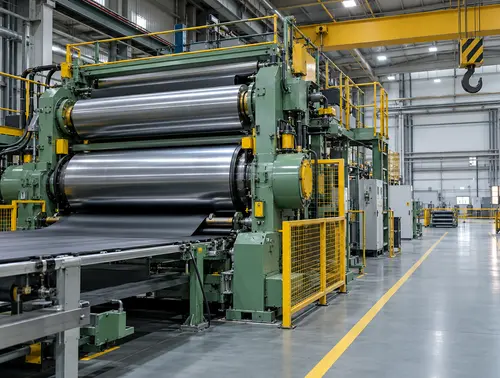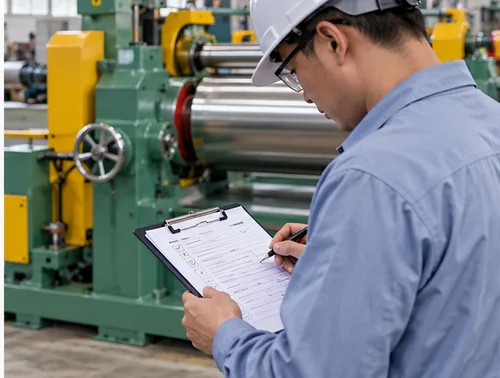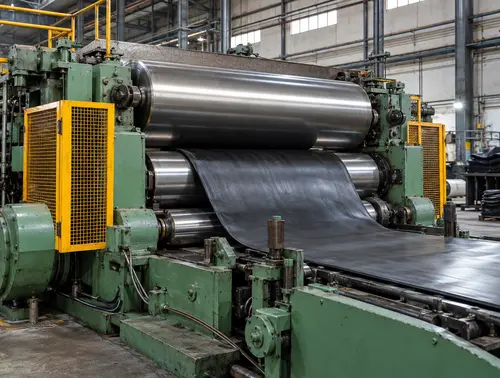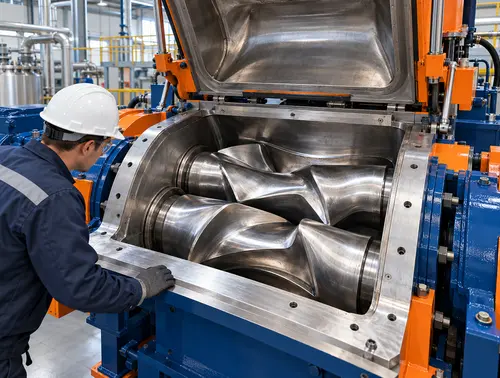
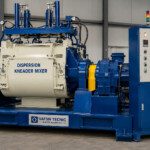

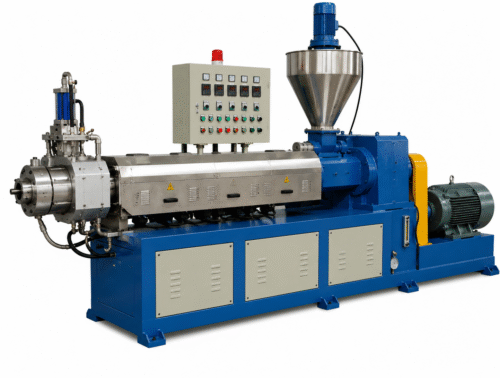
 Rubber Hot Feed Extruder
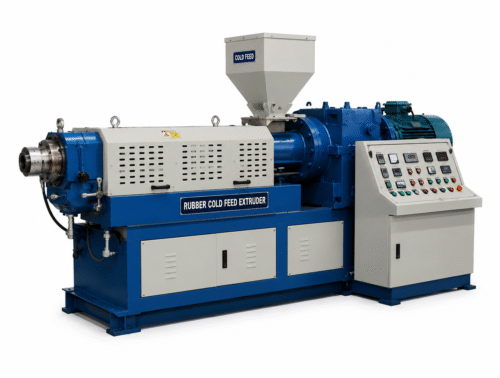 Rubber Cold Feed Extruder
 Rubber Strainer – Reclaim Extruder
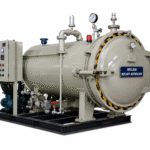 Reclaim Rotary Autoclave
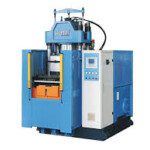 Compression Molding
 Injection Molding
 Vacuum Molding
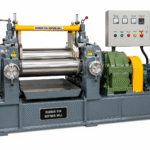 Rubber EVA Refiner Mill
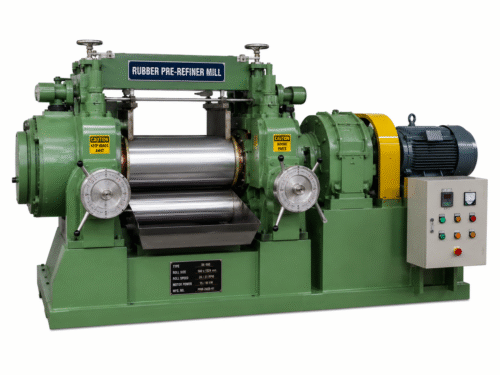 Rubber Pre-Refiner Mill
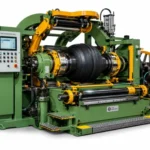
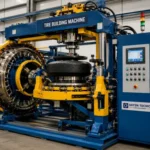 Tire Building Machine
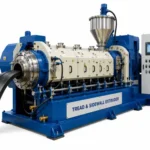 Tread & sidewall Extruder
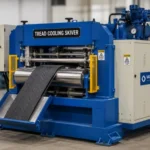 Tread Cooling skiver
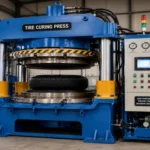 Tire curing press
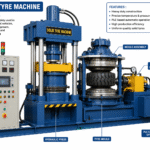
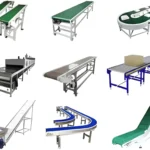
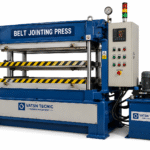 BELT JOINTING PRESS
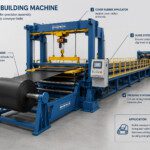 Belt Building Machine
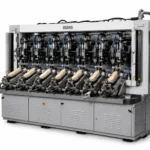
 Eva Footwear Injection Molding Machines
 Hawaii Slipper Sole Sheet Machine
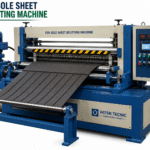 Eva Sole Sheet Splitting
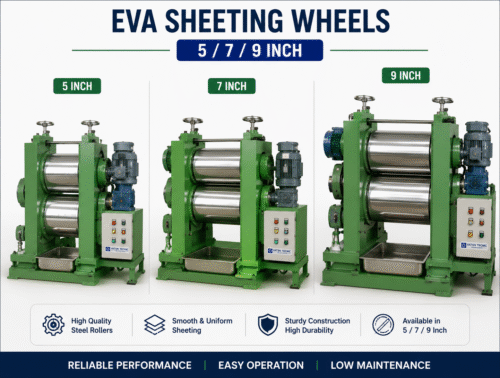 Eva Sheeting Wheels 5/7/9
 PVC Flooring Machine
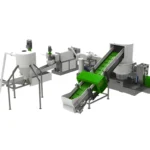 Plastic Pelletizing Line
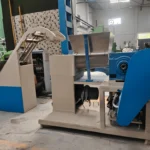 Filler / Masterbatch / PVC / TPR / EVA

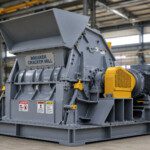 Breaker – Cracker Mill
 Shredder – Rasper Machines
 Waste Rubber Crumb Grinder Mill
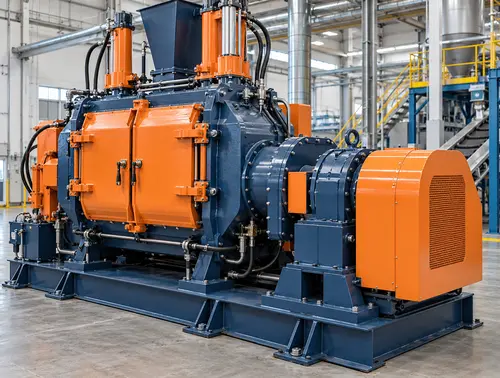
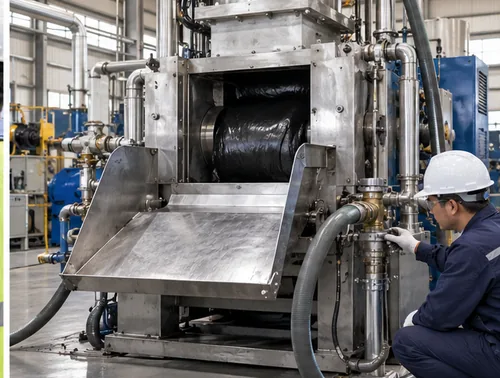
Industrial Rubber Extruder Machine in Nagoya: Balance the Energy Budget

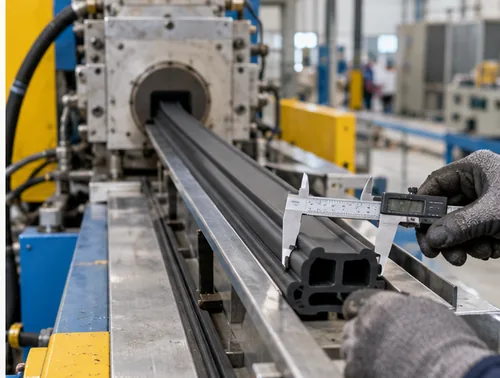
Quick answer: A rubber extruder machine in Nagoya should be judged on its energy budget, not just its output. Barrel heaters, drive losses and cooling all consume power, and a machine with an unbalanced thermal design spends more energy holding temperature than it does making product.
Extrusion is a continuous process, so inefficiency compounds every hour. Buyers comparing a rubber extruder machine in Nagoya should ask where the energy goes: into the compound, into the barrel, or out through the cooling water. The answer explains both the running cost and the stability of the product.
This guide covers what to measure, how the zones interact, and what to check before committing.
Where the energy goes
Three things consume power: the drive that turns the screw, the heaters that bring the barrel to temperature, and the pumps and fans that keep everything cool. In steady running, the drive contributes more heat than people expect, because the work of pushing and shearing the compound is converted into heat inside the barrel.
That is why a well-designed extruder sometimes needs cooling rather than heating in the metering zone. If the controller is fighting the drive, the machine is wasting energy at both ends.
Heating and cooling balance
| Zone | Typical demand | What imbalance looks like | Check |
|---|---|---|---|
| Feed | Heating | Cold compound, unstable feed | Heater output and sensor position |
| Compression | Heating, then neutral | Temperature drift as speed changes | Cooling capacity and control response |
| Metering | Cooling at speed | Overheating, scorch risk | Cooling flow and setpoint strategy |
| Die | Heating | Freeze-off or die lines | Die heater coverage and insulation |
A machine that holds temperature well at low speed but drifts at production speed has a cooling limitation, not a control fault. That distinction matters when you are deciding what to buy.
Measuring before you buy
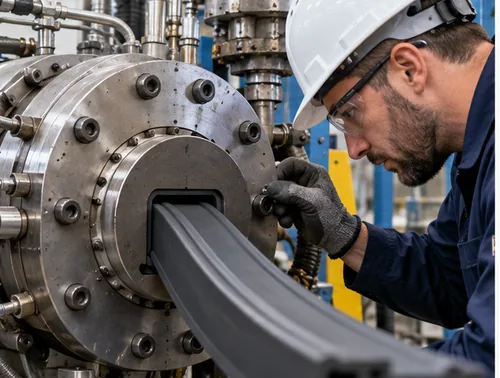
Ask for a run at production speed with a representative compound, and record the drive current, the barrel temperatures and the cooling water flow and return temperature. Those four figures describe the machine’s thermal behaviour better than any specification sheet.
If a run is impossible, ask for the connected load, the heater ratings and the cooling requirement. Compare the connected load with the output the seller claims; a machine drawing far more power than its output suggests is either inefficient or oversized.
Comparing drive options
| Option | Energy behaviour | Strength | Limitation |
|---|---|---|---|
| Fixed speed with throttle | Runs at design point, wastes at low rate | Simple, robust | Poor part-load efficiency |
| Variable-speed drive | Matches output to demand | Better part-load, softer start | Electronics need protection |
| Direct drive, no gearbox | Fewer losses | Compact, efficient | Torque limited at low speed |
Utilities and insulation
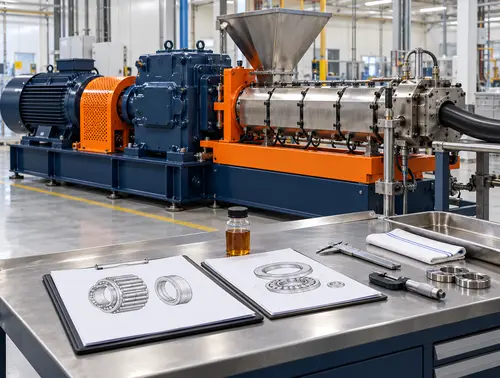
Insulate the barrel and the die where the design allows, and check that the insulation has not been removed for access and never replaced. Bare hot surfaces lose energy continuously and make the working area uncomfortable.
Confirm the cooling water temperature available at your plant. A machine designed for cold water will struggle in a warm plant, and the controller will compensate by reducing speed — which looks like a capacity problem but is a utility problem.
What to put in the agreement
Ask for the connected load, the heater ratings, the cooling requirement and the expected stock temperature at the die. Record them. After commissioning, compare the actual figures with the agreed ones; that comparison is your evidence if the machine does not perform.
Our notes on screw geometry and temperature zone control go deeper into the two factors that dominate energy use.
Part-load running and scheduling
Most extruders spend part of their life below design output, and that is where efficiency diverges. A fixed-speed machine throttled down wastes energy; a variable-speed drive recovers some of it, but only if the control is set up to follow demand rather than hold a single speed.
Look at your production pattern before choosing. If you run one product at full rate for long periods, the fixed-speed machine is simpler and no less efficient. If you run several products at varying rates, the drive pays for itself in both energy and start quality.
Record actual running hours at each rate for the first month; that record is what a future energy review will be based on.
Insulate the die as carefully as the barrel; the die loses heat continuously while it waits for compound.
Comparing extruders? Vatsn Tecnic supplies new, used and refurbished rubber processing machinery. Share your compound and output target, and ask for the energy figures alongside the mechanical specification.
To read More about Rubber Making Machine Visit Here:
https://www.indiamart.com/vatsntecnic/profile.html
Frequently asked questions
How much energy does an extruder use?
It depends on the drive, the compound and the output. Ask for the connected load and measure the actual current at production speed rather than relying on a generic figure.
Why does the barrel need cooling?
Because the drive and the shearing action generate heat. At production speed the metering zone often needs cooling to hold temperature, not heating.
Does insulation matter?
Yes. Bare barrel surfaces lose energy continuously and heat the working area. Insulation that was removed for access is often never replaced.
Is a variable-speed drive more efficient?
At part load, usually. At full load the difference is small. Consider how often you run below capacity before paying for it.
What stock temperature should I expect?
It depends on the compound and the die. Ask for the figure at the die for your compound, then verify it on the trial run.
Can I reduce energy by changing the screw?
Sometimes, if the geometry is mismatched to the compound. A screw that over-works the rubber wastes energy as heat.
What should I record at commissioning?
Current, zone temperatures, cooling flow and return temperature, and output. That baseline is how you detect deterioration later.
Does the die affect energy use?
Yes. A restrictive die raises pressure and drive load. Die design and screw geometry have to suit each other.