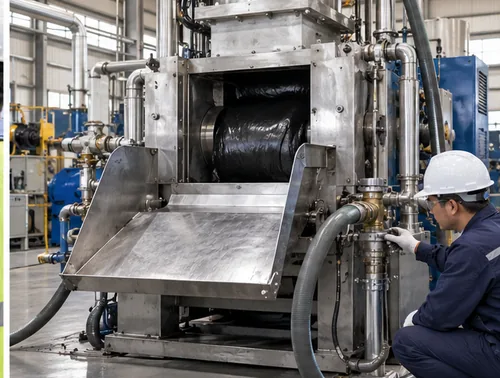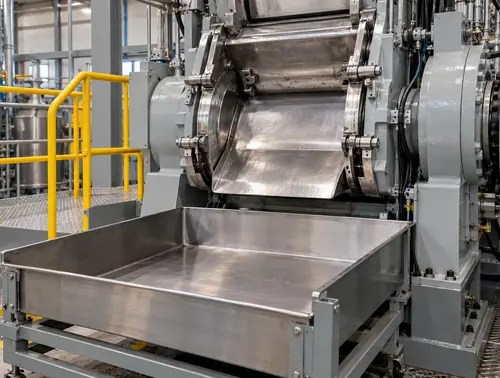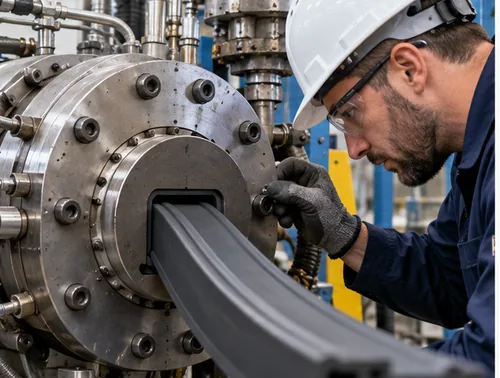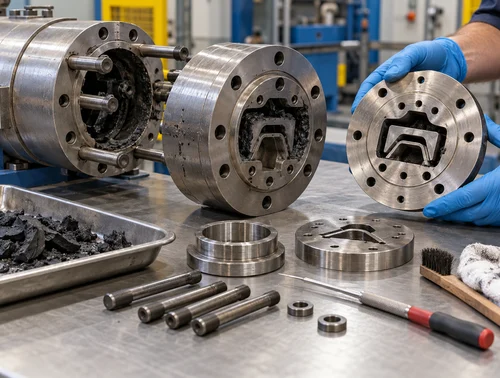

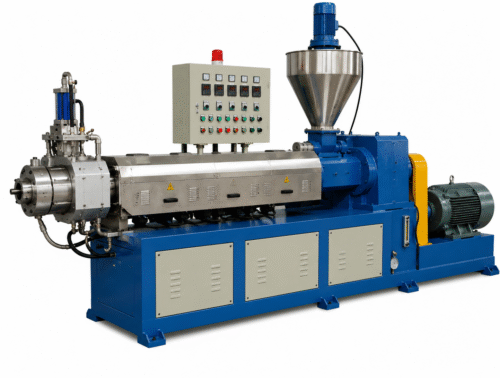
 Rubber Hot Feed Extruder
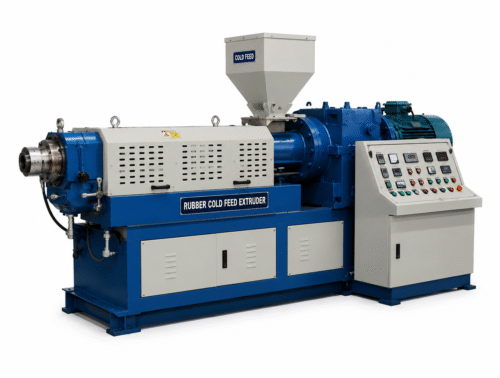 Rubber Cold Feed Extruder
 Rubber Strainer – Reclaim Extruder
 Reclaim Rotary Autoclave
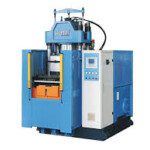 Compression Molding
 Injection Molding
 Vacuum Molding
 Rubber EVA Refiner Mill
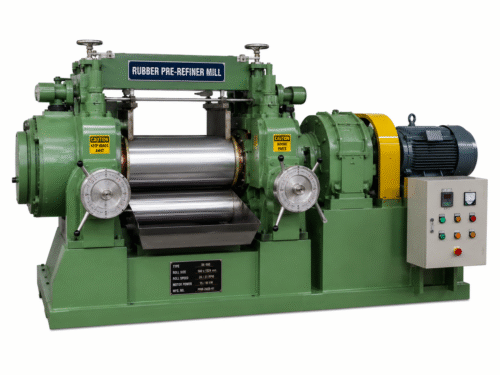 Rubber Pre-Refiner Mill
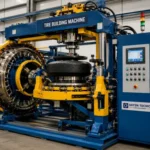 Tire Building Machine
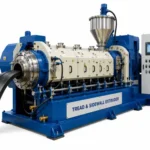 Tread & sidewall Extruder
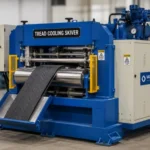 Tread Cooling skiver
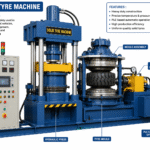
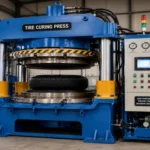 Tire curing press

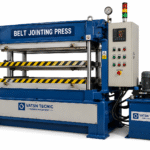 BELT JOINTING PRESS
 Belt Building Machine

 Eva Footwear Injection Molding Machines
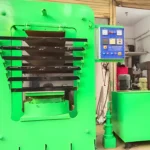 Hawaii Slipper Sole Sheet Machine
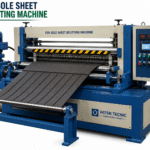 Eva Sole Sheet Splitting
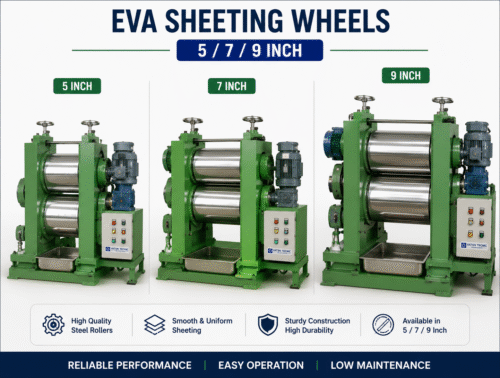 Eva Sheeting Wheels 5/7/9
 PVC Flooring Machine
 Plastic Pelletizing Line
 Filler / Masterbatch / PVC / TPR / EVA

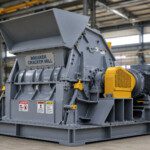 Breaker – Cracker Mill
 Shredder – Rasper Machines
 Waste Rubber Crumb Grinder Mill
Buy Rubber Mixing Mill in Bengaluru: Plan Mill Room Ventilation First


Quick answer: A rubber mixing mill in Bengaluru needs airflow planned before the mill is installed, not after the first complaint. Extract fume at the nip, keep make-up air moving across the mill room, and size the ducting so the mill does not sit in a dead corner of the shed.
Mixing generates heat, fume and fine filler dust. In a closed industrial shed, all three accumulate. Operators work beside the mill for a full shift, and the compound itself absorbs the consequences: a mill room that runs hot forces shorter cycles and wider temperature swings between batches. Planning extraction for a rubber mixing mill in Bengaluru is therefore a production decision as much as a compliance one.
This guide covers what to extract, where to put the hoods, and what to settle with the supplier before the foundation is marked out.
Why the mill room needs airflow before the mill arrives
Retrofitting ducting into a working mill room is expensive and disruptive. Ducts have to cross crane paths, avoid the roll change zone and reach the roof without blocking maintenance access. Deciding the route after installation usually produces a compromise that satisfies nobody.
Airflow also interacts with the machine. A mill standing in still air runs hotter at the bearings and the rolls, and the operator standing beside it feels that heat all shift. Once the layout is fixed, the cheap options are gone.
What fume and dust control actually removes
Two different problems need two different answers. Fume is hot and rises from the nip; dust is fine, light and spreads sideways when bags are opened or when compound is cut. A single hood over the mill will not capture both.
Fume extraction works best close to the source, with a hood that follows the nip and enough capture velocity to take the plume before it spreads into the shed. Dust control works better with local extraction at the weighing and feeding points, plus general ventilation that keeps the background concentration down.
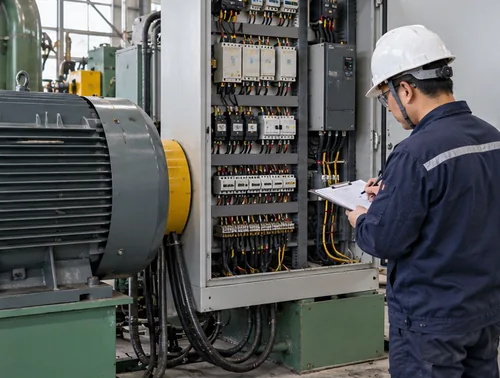
Choosing extraction for a Bengaluru plant
Bengaluru’s climate is gentler than a coastal plant but the sheds are often tightly built, and that makes air changes matter more. Start from the volume of the room, the number of mills and the shift pattern, then work back to a fan specification with your ventilation contractor.
| Approach | Strength | Limitation | Best fit |
|---|---|---|---|
| Local nip hood plus roof extraction | Captures fume at source, least dilution | Needs duct routing and roof access | Single or double mill rooms |
| General roof ventilation only | Cheap, simple, no ductwork near the mill | High background fume, poor capture | Large sheds with low mill density |
| Enclosed cabin with extraction | Best operator protection | Restricts access and visibility | High-output lines, tight spaces |
Inspection and quotation scope
Ask the supplier what the mill emits and where: the nip, the guides, the discharge and the stock blender if one is fitted. A quotation should state whether guards and hoods are included, who provides the ducting, and whether the fan and motor are in scope.
| Item | Confirm | Evidence |
|---|---|---|
| Hood design | Fits the mill without blocking roll changes | Outline drawing with hood |
| Duct route | Clears crane and maintenance access | Layout drawing |
| Fan sizing | Matches room volume and capture distance | Ventilation calculation |
| Make-up air | Supply matches extraction rate | Door and louvre schedule |
| Discharge point | Does not re-enter the shed | Roof plan |
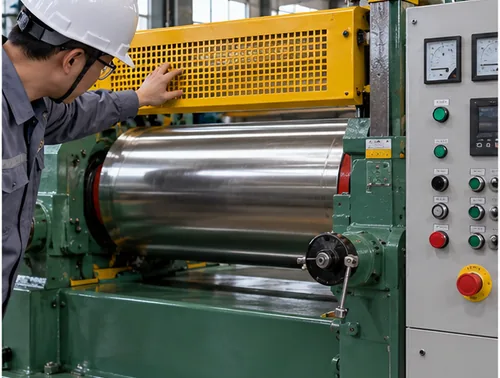
Commissioning and housekeeping
Balance the system after installation rather than assuming the fan will do what the drawing says. Check capture at the nip with the mill running, then check the background level at the operator position. If the shed has openings on one side only, the fan will pull air from wherever it can, including back through the discharge.
Set a cleaning routine for the hoods and ducts. Filler dust settles on horizontal surfaces, and a partially blocked hood loses capture without any obvious sign. Cleaning is cheaper than rebuilding the system.
Keep the extraction drawing with the mill documentation. When the ducting is modified later, or a second mill is added to the same shed, that drawing is what shows whether the fan still has capacity for the extra load.
For the mechanical checks that go with the layout, see journal and bearing evidence and foundation and drive readiness.
Planning a mill installation? Vatsn Tecnic supplies new, used and refurbished rubber processing machinery. Share your shed layout and mill size, and ask for the hood and guard arrangement as part of the quotation rather than as an afterthought.
To read More about Rubber Making Machine Visit Here:
https://www.indiamart.com/vatsntecnic/profile.html
Frequently asked questions
Is extraction legally required for a mixing mill?
Workplace exposure rules in most jurisdictions require control of fume and dust. The exact obligation depends on where you operate, but practical control at the nip is the sensible baseline regardless.
Can extraction be added after the mill is installed?
Yes, but it is more expensive and usually compromises either the duct route or the maintenance access. Plan it with the layout.
How much air does a mill room need?
That depends on room volume, mill count, compound type and shift pattern. Ask a ventilation contractor to calculate it and check the calculation against the hood design.
Why does make-up air matter?
A room under negative pressure pulls air from uncontrolled openings, which can bring dust back in and starve the hoods. Supply air has to be part of the design.
Does extraction affect compound quality?
It can help by removing fume and keeping the room cooler, but excessive draught at the nip can disturb the band on the roll. Balance capture against stability.
What about noise from the fan?
Fans add noise, and a mill room is already loud. Position the fan away from operator positions and check the noise level after installation.
Should the hood be fixed or adjustable?
An adjustable hood follows the nip as roll wear changes the band position. Fixed hoods are simpler but lose capture as conditions change.
What should the supplier include?
Hoods, guards and the interface points for ducting, with a drawing showing how they fit the mill. Ducting itself is usually a separate contract.