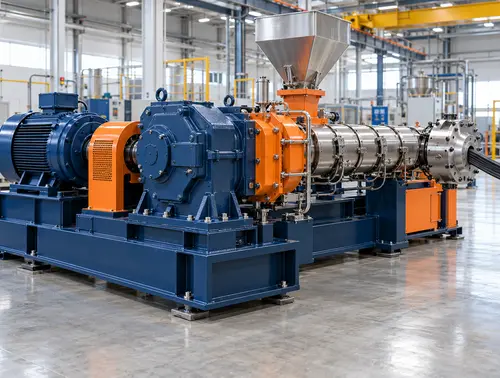
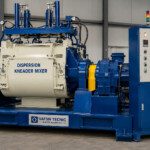
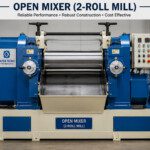
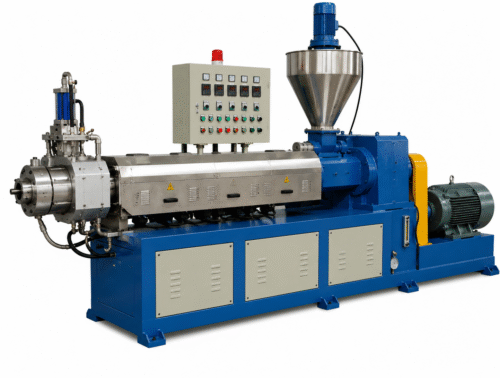
 Rubber Hot Feed Extruder
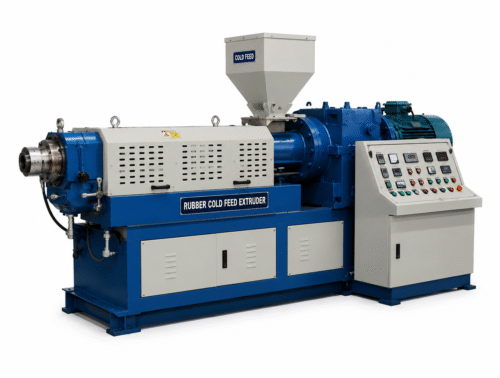 Rubber Cold Feed Extruder
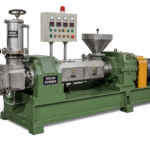 Rubber Strainer – Reclaim Extruder
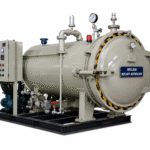 Reclaim Rotary Autoclave
 Compression Molding
 Injection Molding
 Vacuum Molding
 Rubber EVA Refiner Mill
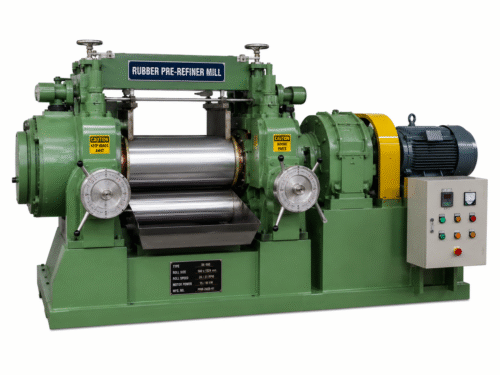 Rubber Pre-Refiner Mill
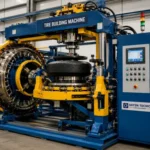 Tire Building Machine
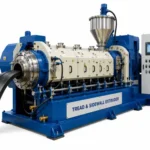 Tread & sidewall Extruder
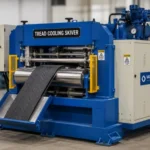 Tread Cooling skiver
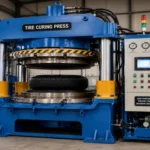 Tire curing press
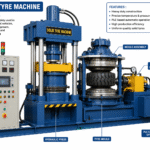
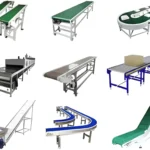
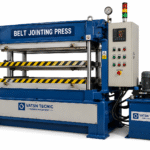 BELT JOINTING PRESS
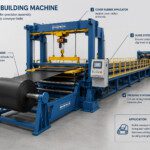 Belt Building Machine
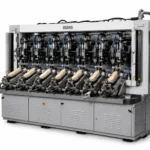
 Eva Footwear Injection Molding Machines
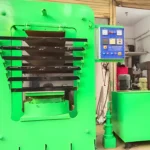 Hawaii Slipper Sole Sheet Machine
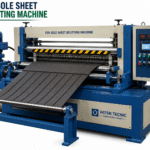 Eva Sole Sheet Splitting
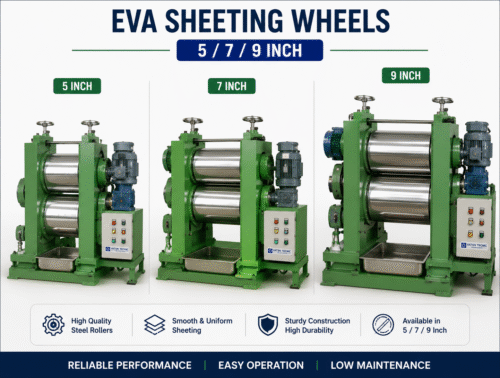 Eva Sheeting Wheels 5/7/9
 PVC Flooring Machine
 Plastic Pelletizing Line
 Filler / Masterbatch / PVC / TPR / EVA

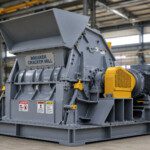 Breaker – Cracker Mill
 Shredder – Rasper Machines
 Waste Rubber Crumb Grinder Mill
Refurbished Rubber Extruder Machine in Poland: Screw and Barrel Wear

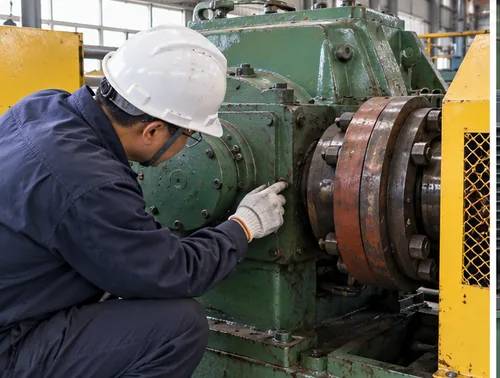
Quick answer: A used rubber extruder machine in Poland is worth buying when the screw and barrel still have usable clearance and the drive has documented service history. Measure wear, check the strainer and head, and confirm spares availability before you agree a price.
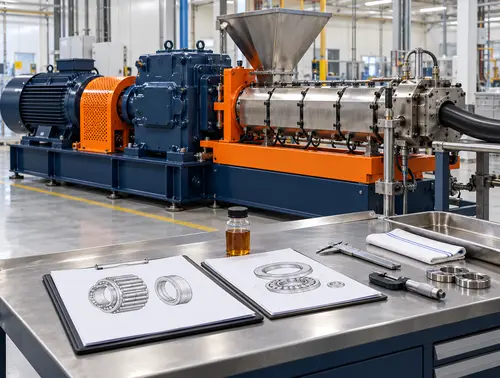
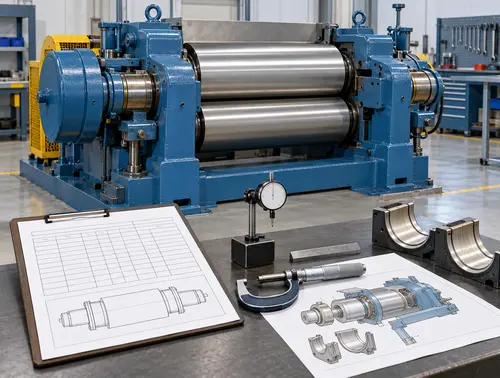
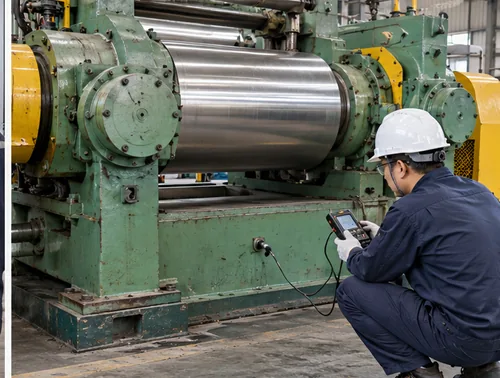
Extruders are deceptively simple machines. A screw turns inside a barrel, rubber moves forward, and a profile comes out. The difficulty is that almost all the wear is hidden inside the barrel, and a machine that looks clean outside can be worn out where it matters. Anyone buying a rubber extruder machine in Poland should plan to measure, not to judge by appearance.
This guide explains where the wear happens, how to measure it without a full teardown, and which records make a used extruder a reasonable purchase rather than a gamble.
Where an extruder actually wears
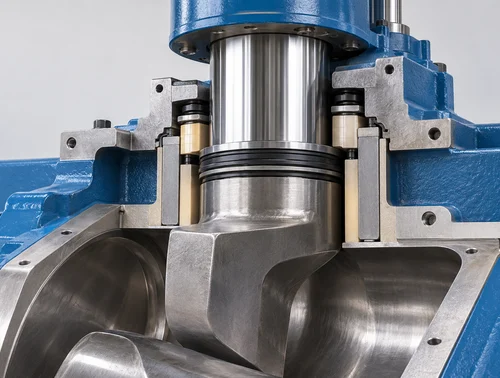
The screw flights and the barrel bore wear against each other, and the clearance between them grows. As clearance increases, material slips backwards instead of moving forward. Output falls, stock temperature rises, and the machine works harder to produce less. The effect is gradual, which is why sellers often do not know their machine is worn.
Measuring clearance
Ask for the screw diameter measured at the feed, metering and compression sections, and the barrel bore measured at the same points. Compare them with the original drawings. If the drawings are missing, at least compare the measurements along the screw: a consistent figure suggests even wear, while a step change suggests local damage or a repaired section.
Signs in the product and the machine
Surge in the extrudate, inconsistent dimensions, and a stock that scorches before it reaches the die are all symptoms of excessive clearance or poor temperature control. On the machine, look for a polished band on the screw flights, scoring in the barrel, and bluing from overheating.
Inspection checklist
- Screw: flight wear, polishing, cracks at the root, hard-facing condition.
- Barrel: bore scoring, straightness, liner condition if lined.
- Thrust bearing: play, noise, oil condition and whether it has been replaced.
- Gearbox: oil analysis, backlash, leaks at the output seal.
- Head and die: sealing faces, die condition, availability of alternatives.
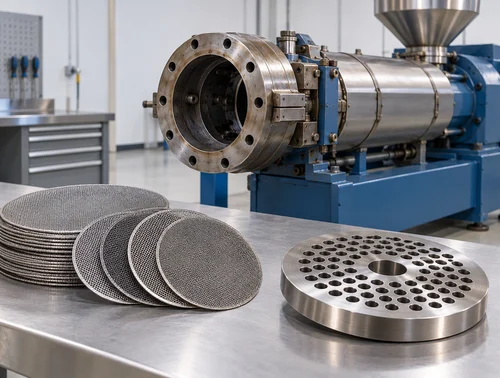
- Strainer: screen changer operation, hydraulic condition, spare screens.
- Temperature control: zones working, sensors calibrated, cooling capacity.
- Drive: motor condition, coupling, starting method, panel documentation.
The same logic is covered in our notes on thrust bearing and reducer records and on filtration screen scope.
Matching the machine to the process
| Decision | What it changes | What to confirm |
|---|---|---|
| Hot feed or cold feed | Compound preparation, output stability | Whether your mixing line can supply the right feed form |
| Vented or unvented barrel | Moisture removal, compound quality | Whether your compound needs devolatilisation |
| Strainer or plain head | Contamination control | Screen size and change frequency you need |
| Fixed or variable speed | Profile control, starting load | Supply capacity and product range |
Reading a used machine’s evidence
| Evidence | What it means | Question to ask |
|---|---|---|
| Recent screw photographs with a scale | Seller is confident about wear | When were diameters last measured? |
| New thrust bearing in the invoice history | Known weak point addressed | Was the bearing matched to the load? |
| Barrel with visible scoring | Possible abrasive contamination | Was the liner replaced or honed? |
| No temperature records | Zones may have been run hot | Can the panel show historical setpoints? |
Spares and support after the border
An extruder bought from Poland will need screens, seals, heaters and possibly a screw at some point. Before you buy, confirm that the screw geometry is standard enough for a local workshop to reproduce, or that the original manufacturer still supplies parts. A machine with a proprietary screw and no spares path is a machine you will rebuild from scratch.
Also confirm the electrical standard. Motors and heaters may be built for a different voltage and frequency, and a panel that needs replacing adds cost that is easy to overlook when comparing prices.
What to put in the purchase agreement
State the measured screw and barrel figures in the agreement, not just the machine model. If the seller claims a recent rebuild, ask for the invoice and the measurements taken at that time. A written wear figure gives you a reference point if the machine arrives with less life than promised.
Shortlisting extruders? Vatsn Tecnic supplies new, used and refurbished rubber processing machinery and can help you compare condition evidence across machines. Send your profile and compound details for a written assessment.
To read More about Rubber Making Machine Visit Here:
https://www.indiamart.com/vatsntecnic/profile.html
Frequently asked questions
How much screw wear is acceptable in a used extruder?
It depends on the original clearance and the product. What matters is the measured clearance against the drawing. Ask for figures and compare them; a machine with no measurements is an unknown, not a bargain.
Can a worn screw be rebuilt?
Often yes, by hard-facing or by building up the flights and regrinding. The cost depends on the geometry and the availability of a workshop that can hold the tolerance. Confirm this before purchase if wear is significant.
What causes barrel scoring?
Abrasive contamination, metal-to-metal contact after a bearing failure, or running with insufficient clearance. Scoring reduces output and can worsen quickly, so inspect the bore with a light and a borescope where possible.
Is a vented extruder necessary?
Only if your compound needs moisture or volatile removal. A vented barrel adds complexity and cost, so confirm the requirement from your compound rather than buying capacity you will not use.
What should I check on the gearbox?
Oil condition and analysis, backlash, leaks at the output seal, and whether the unit has been rebuilt. The gearbox and thrust bearing carry the extrusion load, so their history matters as much as the screw.
Can I run a Polish machine on Indian power?
Often yes, but confirm motor voltage, frequency and heater ratings. A machine built for 50 Hz at a different voltage may need a transformer, new heaters or a new panel, and that cost belongs in your comparison.
How do I test output before buying?
Run the machine with a representative compound and measure output and stock temperature over a fixed period. If a trial is impossible, ask for recent production records and video of the machine running.
What spares should I stock?
Screens, heater bands, thermocouples, seals and a spare die for your main profile. These are inexpensive and stop a minor failure from becoming a week of downtime.