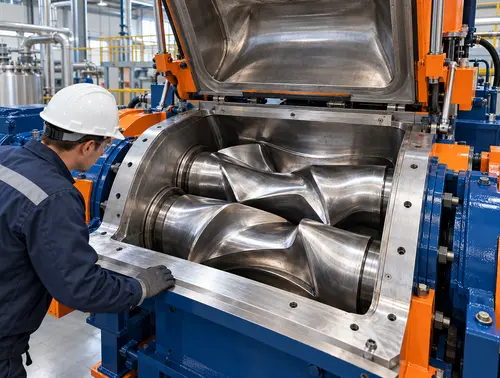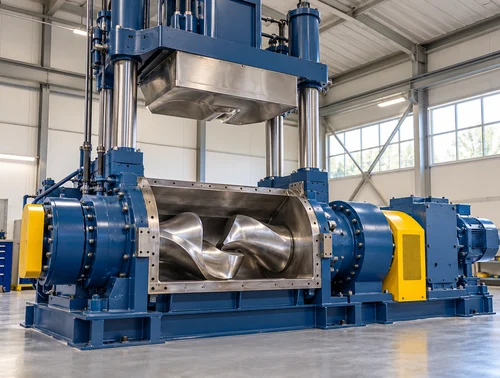
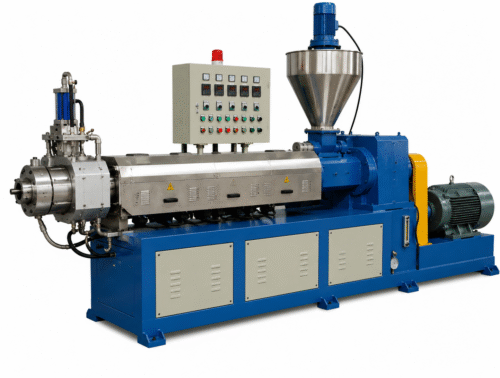
 Rubber Hot Feed Extruder
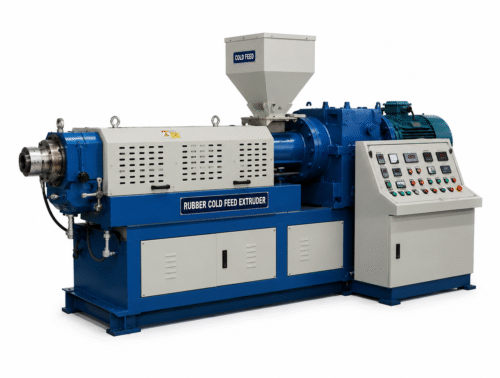 Rubber Cold Feed Extruder
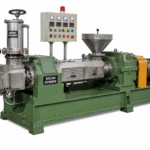 Rubber Strainer – Reclaim Extruder
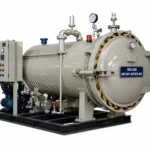 Reclaim Rotary Autoclave
 Compression Molding
 Injection Molding
 Vacuum Molding
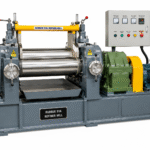 Rubber EVA Refiner Mill
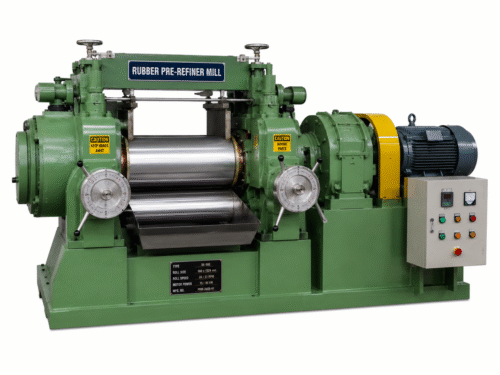 Rubber Pre-Refiner Mill
 Tire Building Machine
 Tread & sidewall Extruder
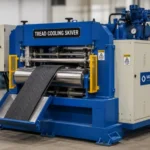 Tread Cooling skiver
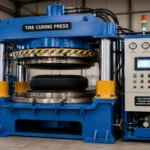 Tire curing press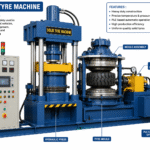
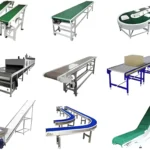
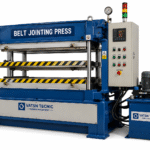 BELT JOINTING PRESS
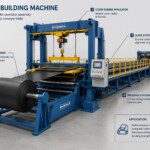 Belt Building Machine
 Eva Footwear Injection Molding Machines
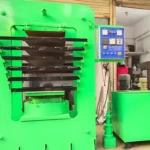 Hawaii Slipper Sole Sheet Machine
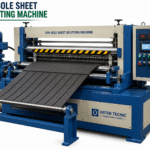 Eva Sole Sheet Splitting
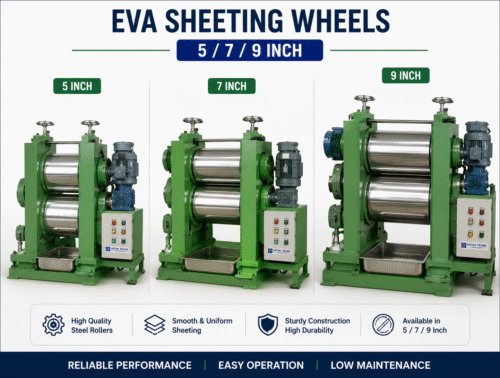 Eva Sheeting Wheels 5/7/9
 PVC Flooring Machine
 Plastic Pelletizing Line
 Filler / Masterbatch / PVC / TPR / EVA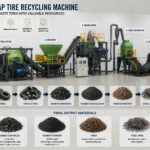
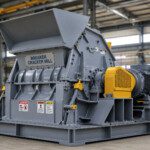 Breaker – Cracker Mill
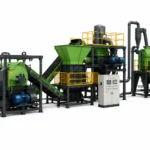 Shredder – Rasper Machines
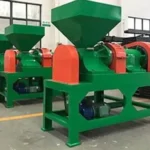 Waste Rubber Crumb Grinder Mill
Seller of Conveyor Belt Machine in Vasco da Gama

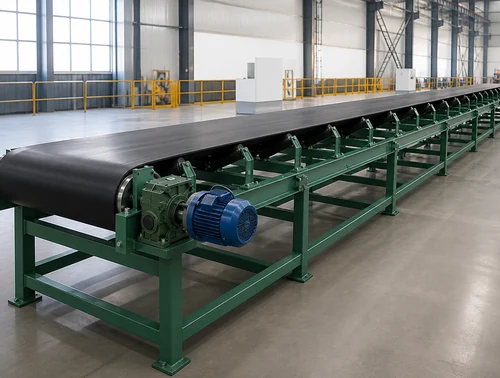
A Conveyor Belt Machine Vasco supplier should be selected after the conveyed material, throughput, belt length, incline, layout, utilities, and safety requirements have been documented. For a buyer in Vasco da Gama, an appropriate conveyor is not chosen from price alone: belt construction, drive sizing, rollers, loading points, and support after installation should be matched to the actual handling duty.
Conveyor belt machines are used to move bulk or unit material between defined process points. They may be applied in rubber processing, packaging, warehousing, mining, manufacturing, and material-recovery operations. Reliable movement is supported when the belt, pulleys, idlers, frame, controls, and transfer zones are designed as one system. A written application review should therefore be completed before any purchase is approved.
Conveyor Belt Machine Vasco: start with the operating duty
The conveyed material should be described carefully. Weight, particle size or product dimensions, moisture, abrasiveness, temperature, loading method, discharge method, and required tonnes or units per hour should be recorded. These characteristics influence belt width and grade, frame construction, roller spacing, skirt arrangement, belt speed, pulley diameter, motor power, and chute geometry. A capacity figure should always be checked against the buyer’s own material, not accepted as a generic claim.
Length, incline, elevation change, transfer points, supporting structure, and maintenance access must also be considered. At a coastal location, the expected environment should be discussed, including appropriate finishes and enclosure needs where relevant. Power supply, controls, sensors, dust management, drainage, guarding, access routes, and the integration point with upstream or downstream machinery should be confirmed before a quotation is compared.
How should a Conveyor Belt Machine Vasco seller be evaluated?
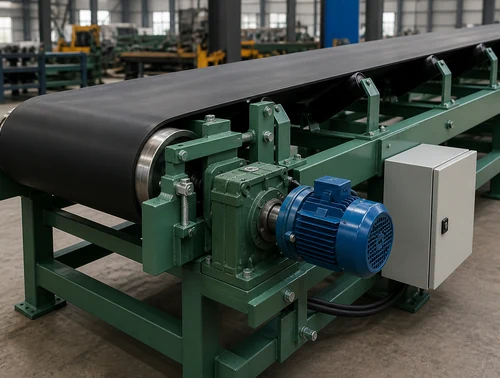
A seller should be evaluated through documented engineering and defined service scope rather than a broad ranking statement. A useful technical specification identifies belt width and type, conveyor length, frame finish, idler arrangement, drive motor and gearbox, speed, inclination, loading capacity, controls, guarding, and supplied accessories. It should be clear whether electrical controls, sensors, pull-cord devices, belt-cleaning components, platforms, and installation assistance are included.
A layout drawing should be requested before the system is ordered. Photos or video of comparable equipment, a bill of supply, a utility list, inspection information, and an expected commissioning process can be requested as supporting evidence. Delivery responsibilities, packing, warranty, recommended spares, operator orientation, and service response should be recorded in writing. In this way, quotations can be compared on the same technical and commercial scope.
Comparison chart: buying a conveyor belt machine
| Potential benefit | Possible drawback | How it should be managed |
|---|---|---|
| Material flow can be made more consistent between work stages. | Capital cost and site preparation are required. | Include supports, electrical work, guards, controls, and commissioning in the budget. |
| Manual handling may be reduced in a planned operation. | Incorrect loading can cause tracking issues and belt wear. | Confirm transfer design, guides, and loading distribution before manufacture. |
| Throughput can be supported by a continuous process. | Drive power and belt grade must suit the material and incline. | Use actual load, speed, and duty data in the design review. |
| Condition can be monitored using suitable sensors and controls. | Belts, rollers, and gear drives need periodic maintenance. | Plan inspection intervals and essential spare parts from the start. |
Can a conveyor-system business be developed in Vasco da Gama?
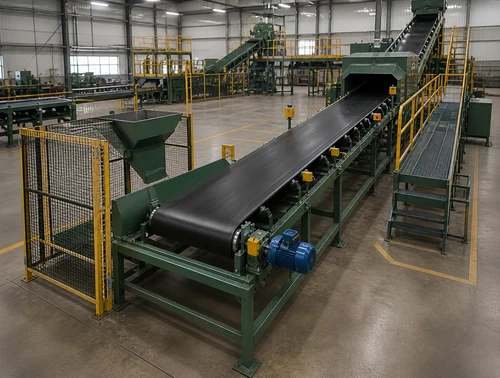
A conveyor-system fabrication, integration, or service business can be developed where dependable industrial demand, suitable engineering knowledge, competent installation support, and working capital are available. The Conveyor Belt Machine Vasco unit should be treated as part of a complete material-handling solution. Site survey, structure, loading and discharge points, electrical integration, guarding, testing, and after-sales service should all be included in project planning.
Demand should be validated by the customer’s actual application. Warehouses, packaging lines, mines, marine-related handling, rubber plants, and process industries can all require different belts, frames, controls, and safety provisions. Drawings, duty data, and acceptance criteria should be retained for each job. A universal profit figure should not be assumed: margin is influenced by design accuracy, material cost, project duration, installation complexity, payment terms, rework, and service obligations.
Comparison chart: starting a conveyor-system operation
| Business opportunity | Business challenge | Practical control |
|---|---|---|
| Custom layouts can be supplied to varied industrial users. | Every site may create different engineering and access requirements. | Use documented site surveys and approved layout drawings. |
| Installation and maintenance can lead to repeat service work. | A delayed response can disrupt a customer’s operation. | Establish spare-parts stock and a clear service process. |
| Value can be added through controls and safety integration. | Electrical and guarding work must be competently executed. | Use qualified teams and validate applicable site requirements. |
| Capacity can increase once references are established. | Long project cycles can affect cash flow. | Use milestones, clear scopes, and controlled purchasing. |
Conveyor Belt Machine Vasco safety, installation, and maintenance
Safety should be included in the purchase decision, not added after installation. Guards at nip points, emergency stops, safe isolation, pull-cord devices where appropriate, access to maintenance areas, and clear housekeeping practices should be demonstrated before handover. The system should be operated by trained personnel only. Site, electrical, and workplace obligations should be checked by the buyer or a qualified professional.
Preventive maintenance should be scheduled for belt tracking and tension, rollers, pulleys, drives, gearboxes, sensors, electrical connections, and structural fasteners. Belt damage, unusual noise, heat, vibration, and material spillage should be recorded and investigated. With these routines, downtime can be reduced and the operating life of a Conveyor Belt Machine Vasco installation can be protected.
Making a responsible seller enquiry
Vatsn Tecnic can be considered during a seller comparison where the documented configuration and support scope meet the project need. A productive enquiry should include conveyed material, throughput, belt width and length, incline, loading and discharge points, available power, layout, controls, and any site constraints. A suitable conveyor arrangement can then be discussed from evidence instead of assumption.
For more equipment information, visit the Vatsn Tecnic website.
For supplier information, visit Vatsn Tecnic on IndiaMART.
To read more about rubber-making machinery, visit here.
Frequently asked questions
What is a conveyor belt machine used for?
It is used to move bulk or unit material continuously between planned loading and discharge points.
How is belt width selected?
It should be selected from the material, required throughput, belt speed, loading method, and available layout space.
What information is needed for a quotation?
Material details, capacity, belt width and length, incline, loading points, discharge points, power supply, and layout should be provided.
What affects conveyor belt service life?
Correct tracking, tension, loading, belt grade, cleaning, and regular maintenance all affect its service life.
Which safety features should be considered?
Guards, emergency stops, safe isolation, pull-cord devices where appropriate, access controls, and operator training should be considered.
How can a seller be compared fairly?
Compare the written specification, included scope, support, warranty, drawings, safety components, spares, and commissioning terms—not only the price.
Editorial note: This guide supports an informed industrial purchase. Final conveyor selection, structural design, safety arrangements, and operating settings should be validated for the buyer’s own site and application.