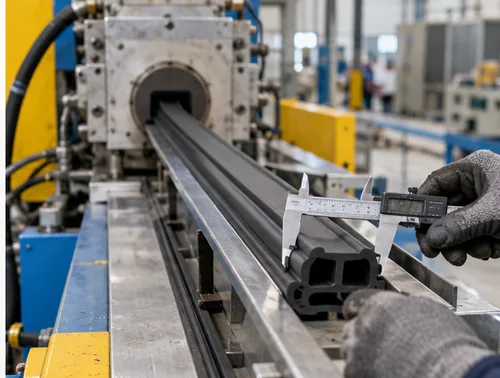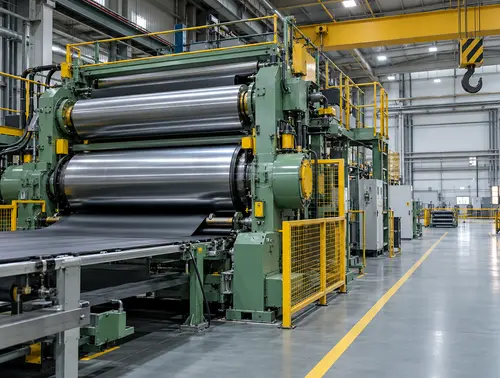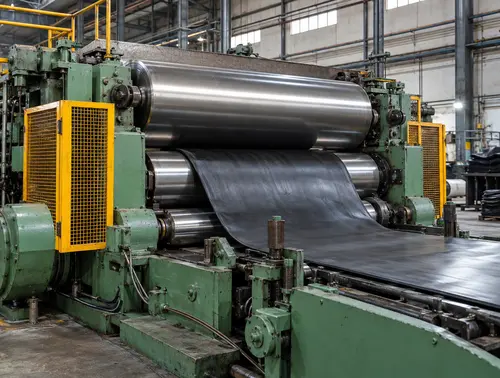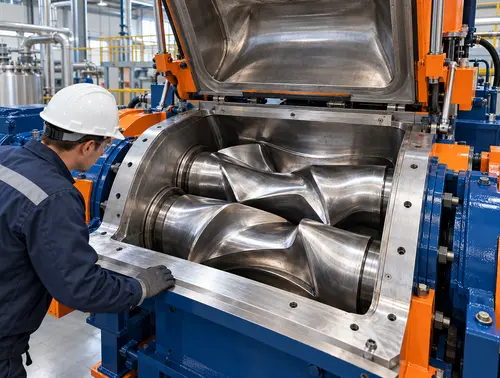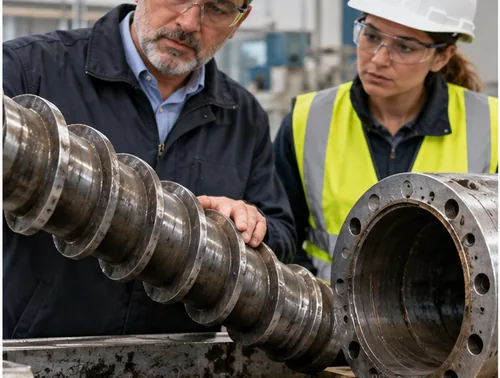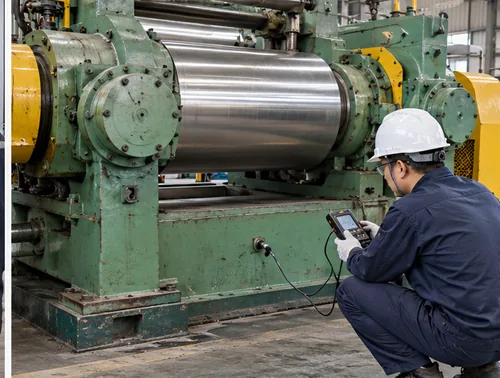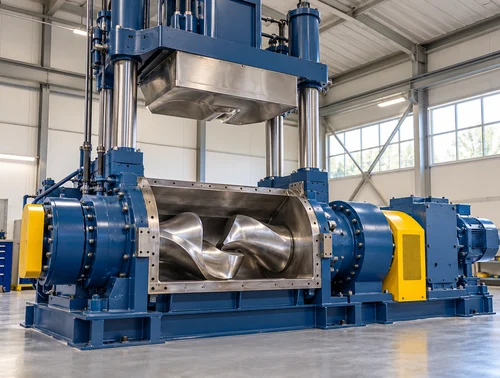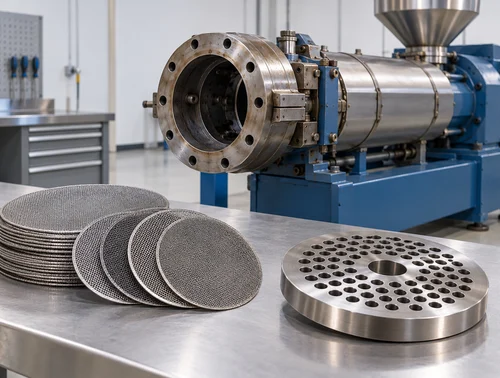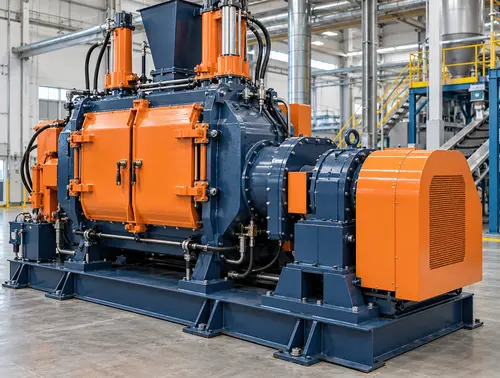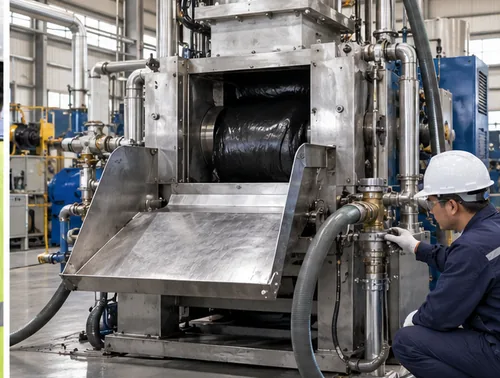
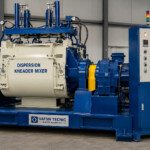
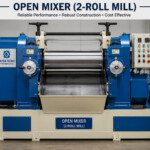
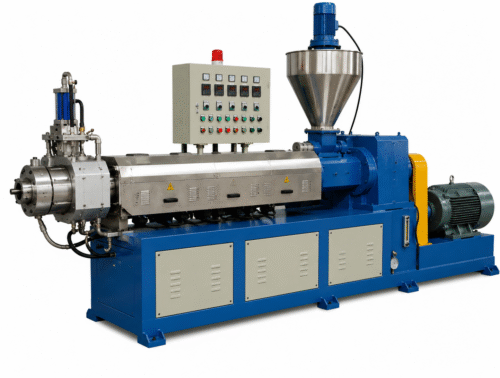
 Rubber Hot Feed Extruder
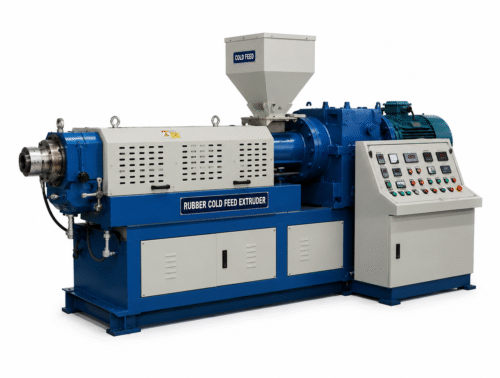 Rubber Cold Feed Extruder
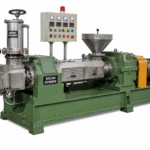 Rubber Strainer – Reclaim Extruder
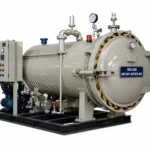 Reclaim Rotary Autoclave
 Compression Molding
 Injection Molding
 Vacuum Molding
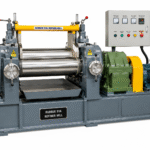 Rubber EVA Refiner Mill
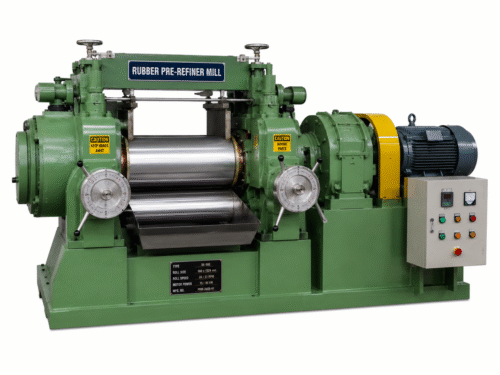 Rubber Pre-Refiner Mill
 Tire Building Machine
 Tread & sidewall Extruder
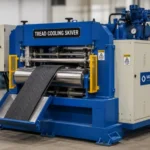 Tread Cooling skiver
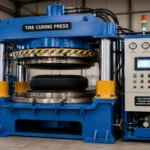 Tire curing press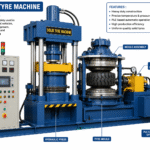
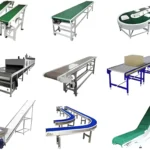
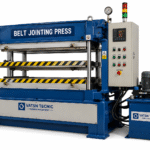 BELT JOINTING PRESS
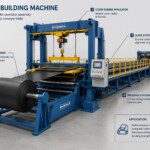 Belt Building Machine
 Eva Footwear Injection Molding Machines
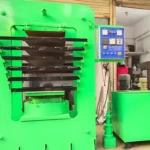 Hawaii Slipper Sole Sheet Machine
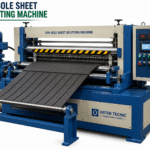 Eva Sole Sheet Splitting
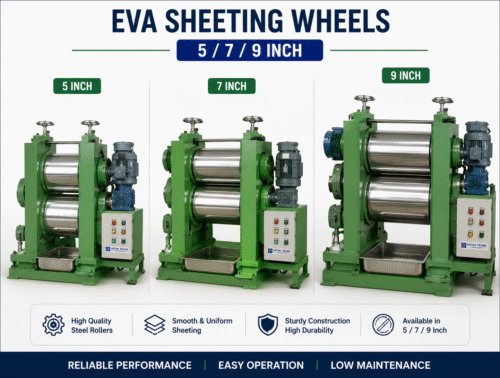 Eva Sheeting Wheels 5/7/9
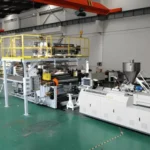 PVC Flooring Machine
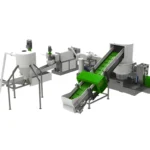 Plastic Pelletizing Line
 Filler / Masterbatch / PVC / TPR / EVA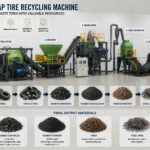
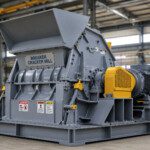 Breaker – Cracker Mill
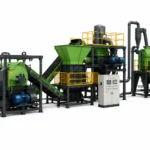 Shredder – Rasper Machines
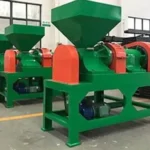 Waste Rubber Crumb Grinder Mill
Guide for Conveyor Belt Machine Exporter in Raipur

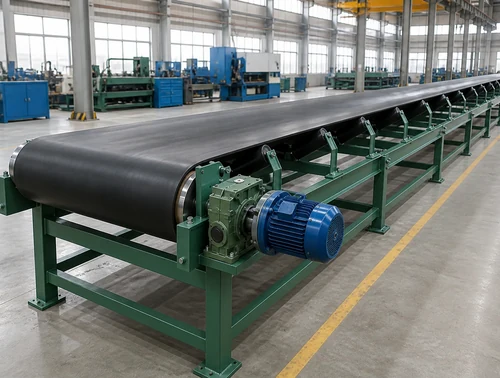
A Conveyor Belt Machine Raipur purchase should be based on the conveyed material, load, speed, conveyor length, layout, site safety, and export-support scope—not on price alone. For buyers planning a system from Raipur, the right conveyor can be selected when belt construction, drive capacity, idler spacing, loading arrangement, and documentation have been matched to the actual material-handling duty.
An industrial belt conveyor is used to move bulk or unit material between defined points. It may be included in a rubber-processing plant, warehouse, packing line, mining operation, or general manufacturing workflow. Stable performance is affected by belt tracking, loading distribution, pulley design, frame rigidity, drive selection, and routine maintenance. A supplier comparison should therefore be made from a written duty specification.
Conveyor Belt Machine Raipur: which specifications should be defined?
The conveyed material should first be described. Weight per metre, particle size or product dimensions, moisture, temperature, abrasiveness, incline, loading points, discharge arrangement, and required throughput should be recorded. These conditions can affect belt width, belt grade, frame construction, idler type, pulley lagging, drive power, and transfer-chute design. A stated capacity should be checked against the buyer’s real material and operating conditions.
Available electrical supply, floor or support structure, access for installation, guarding, dust control, drainage, and the integration point with upstream and downstream equipment should be assessed. It should be confirmed whether the scope includes drives, electrical controls, sensors, emergency stops, belt-cleaning arrangements, platforms, guards, installation guidance, commissioning, and recommended spares. A drawing of the planned layout is normally valuable before the order is finalised.
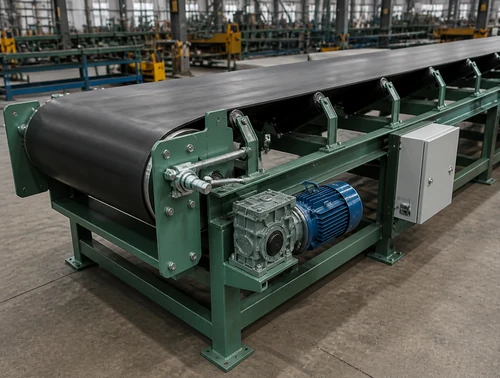
How should a Conveyor Belt Machine Raipur exporter be assessed?
An exporter should be evaluated on documented configuration, packing, shipping readiness, and technical support—not on an unverified ranking claim. A specification sheet should state belt width and type, conveyor length, frame finish, idler arrangement, drive motor and gearbox, speed, inclination, loading capacity, controls, safety features, and included accessories. Delivery terms, export packing, documents, installation responsibility, warranty, commissioning support, and service response should be stated clearly.
Layout drawings, a bill of scope, photos or video of the offered equipment, inspection information, packing details, and a utility list can be requested. Where a demonstration is possible, the material, throughput, loading method, and acceptance criteria should be agreed in advance. This approach helps like-for-like comparisons to be made and reduces the risk that essential components are omitted from the price.
Comparison chart: buying a conveyor belt machine
| Potential advantage | Possible limitation | Practical control |
|---|---|---|
| Material movement can be made more consistent. | Initial equipment and installation costs are required. | Budget for structure, electrical work, guards, controls, and commissioning. |
| Handling effort can be reduced in a planned workflow. | Incorrect loading can cause mistracking or belt wear. | Confirm loading zones, guides, and tracking provisions during design. |
| Throughput can be supported between process stages. | Drive power and belt grade must fit the duty. | Use the actual material, load, speed, and incline in calculations. |
| System condition can be monitored through suitable controls. | Rollers, belt, and drive parts require maintenance. | Schedule inspections and retain critical spares. |
Can a conveyor-system business be developed in Raipur?
A material-handling or conveyor-integration business can be developed where there is dependable industrial demand, layout knowledge, capable fabrication or service support, and working capital. The Conveyor Belt Machine Raipur equipment should be viewed as one element of a complete solution. Customer site surveys, material analysis, structural support, electrical integration, guarding, installation, and after-sales service should be planned together.
Customer requirements should be validated by application: warehouses, process lines, agricultural handling, mines, packaging, and rubber-processing facilities can require very different belts and frames. Site measurements, duty records, and a clear acceptance test should be retained. Capacity can be expanded after reliable design, safety processes, and service response have been established; a universal profit figure should not be assumed from an equipment quotation.
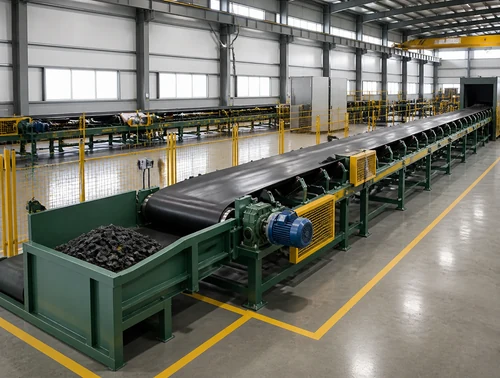
Comparison chart: starting a conveyor-system operation
| Business opportunity | Business challenge | Practical control |
|---|---|---|
| Custom layouts can serve varied industrial applications. | Each site can require different engineering and access planning. | Use documented surveys and approved layout drawings. |
| Installation and service can create repeat customer work. | Service delays can affect customer operations. | Define spare-parts, response, and maintenance processes early. |
| Value can be added through safety and controls integration. | Guarding and electrical work require competent execution. | Use qualified teams and verify applicable site requirements. |
| Project capacity can grow as references are built. | Cash flow can be affected by long project cycles. | Use milestone planning, clear scope, and controlled purchasing. |
Conveyor Belt Machine Raipur safety and maintenance
Safety should be treated as a fundamental requirement. Guards at nip points, emergency stops, pull-cord devices where appropriate, isolation procedures, safe access, and housekeeping should be verified before handover. The conveyor should be operated by trained personnel only. Applicable site, electrical, and workplace rules should be reviewed by the buyer or a qualified professional.
Preventive maintenance should be scheduled for belt tracking, tension, roller condition, pulleys, drives, gearboxes, sensors, electrical connections, and guards. Inspection findings should be recorded so that wear can be addressed before an avoidable shutdown is caused. These routines can protect the long-term value of a Conveyor Belt Machine Raipur installation.
Making a responsible exporter enquiry
Vatsn Tecnic can be included in an exporter comparison where the documented configuration and support scope meet the project requirement. A useful enquiry should state the material, throughput, belt width, length, incline, loading and discharge points, available power, site layout, and required controls. A suitable arrangement can then be discussed from evidence rather than assumption.
For supplier information, visit Vatsn Tecnic on IndiaMART.
To read more about rubber-making machinery, visit here.
Frequently asked questions
What is a conveyor belt machine used for?
It is used to move bulk or unit material continuously between defined loading and discharge points.
How is the required belt width selected?
It should be selected from material characteristics, throughput, belt speed, loading method, and available layout space.
Which details are needed for a quotation?
Material, capacity, belt width and length, incline, loading points, discharge points, power supply, and site layout should be supplied.
What affects conveyor belt life?
Correct tracking, loading, tension, belt grade, cleaning, and routine maintenance all affect service life.
What export documents should be checked?
The seller should clarify the agreed invoice, packing list, transport documents, technical documents, warranty scope, and any destination-specific requirements.
How can conveyor safety be improved?
Suitable guards, emergency stops, pull-cord devices where required, operator training, and planned inspection should be used.
Editorial note: This guide supports an informed industrial purchase. Final conveyor selection, structural design, safety arrangements, and export compliance should be validated for the buyer’s site and application.