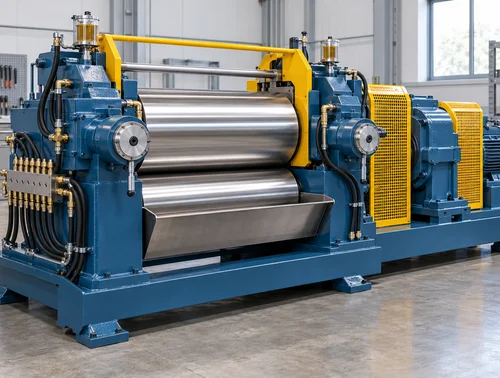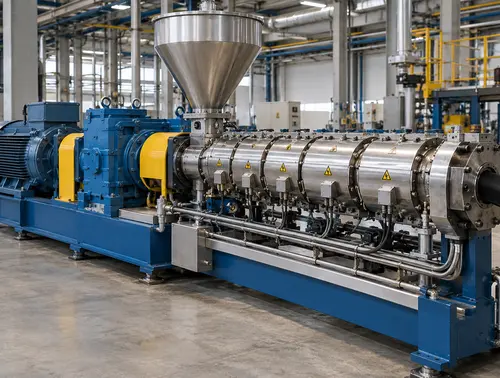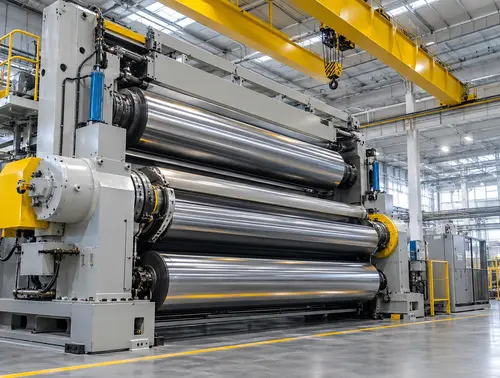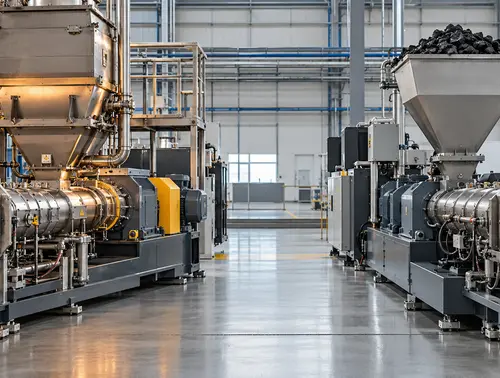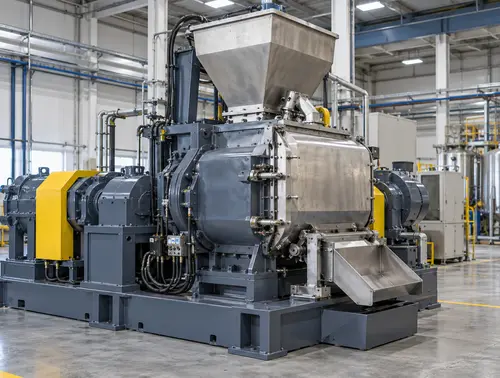
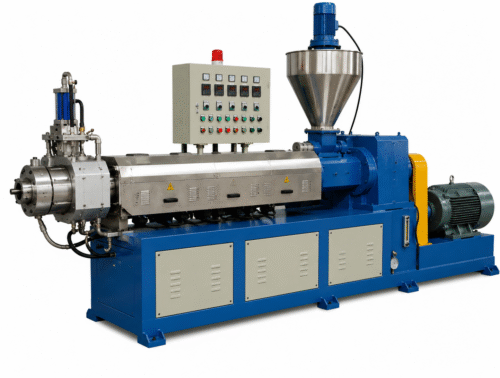
 Rubber Hot Feed Extruder
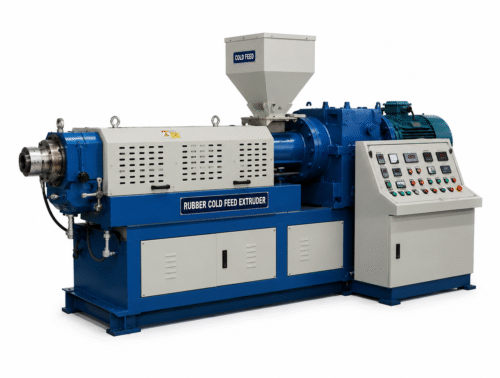 Rubber Cold Feed Extruder
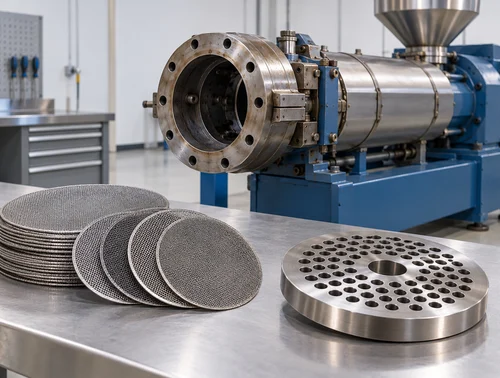
 Rubber Strainer – Reclaim Extruder
 Reclaim Rotary Autoclave
 Compression Molding
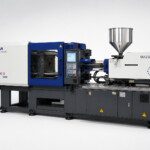 Injection Molding
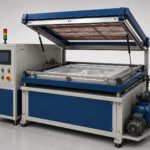 Vacuum Molding
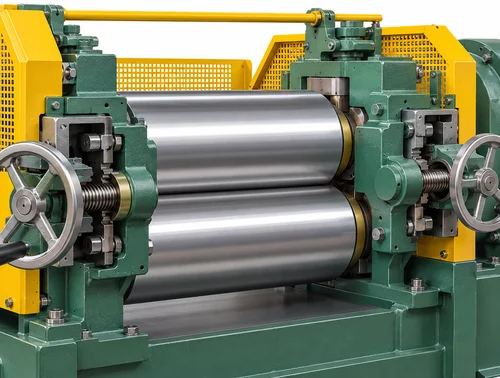
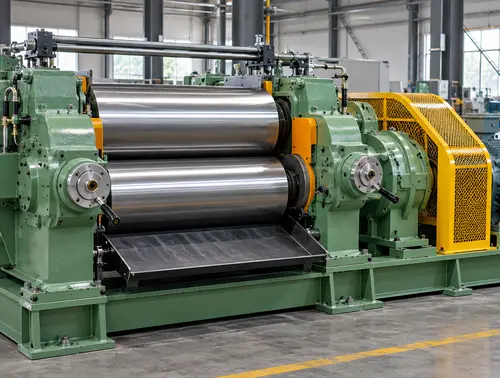
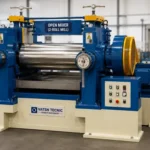
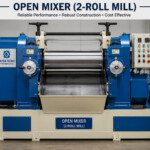
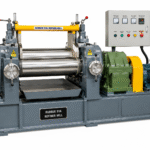 Rubber EVA Refiner Mill
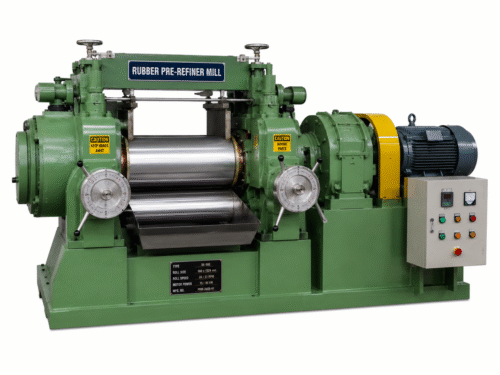 Rubber Pre-Refiner Mill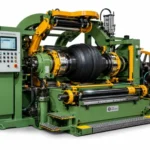
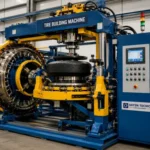 Tire Building Machine
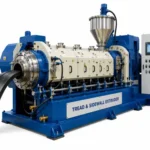 Tread & sidewall Extruder
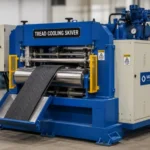 Tread Cooling skiver
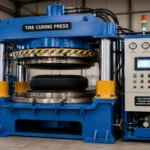 Tire curing press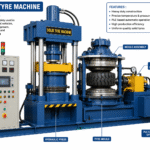
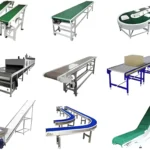
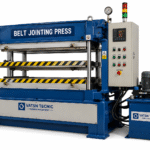 BELT JOINTING PRESS
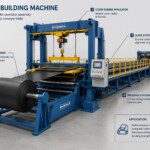 Belt Building Machine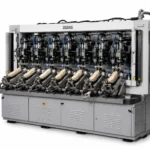
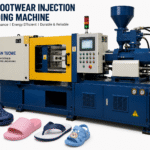 Eva Footwear Injection Molding Machines
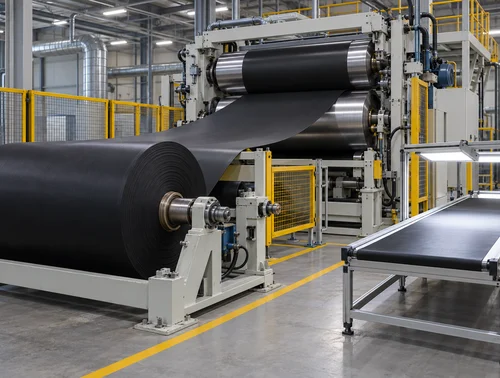
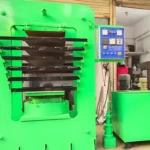 Hawaii Slipper Sole Sheet Machine
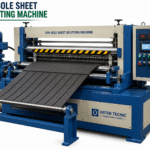 Eva Sole Sheet Splitting
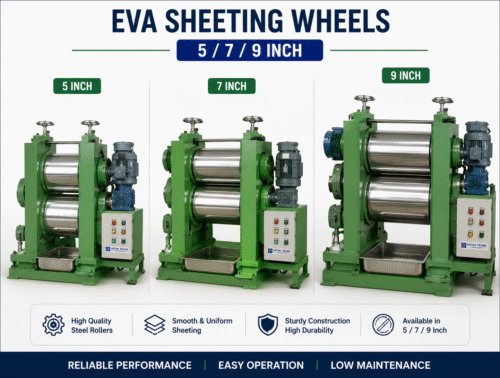 Eva Sheeting Wheels 5/7/9
 PVC Flooring Machine
 Plastic Pelletizing Line
 Filler / Masterbatch / PVC / TPR / EVA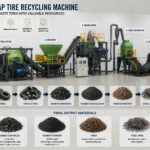
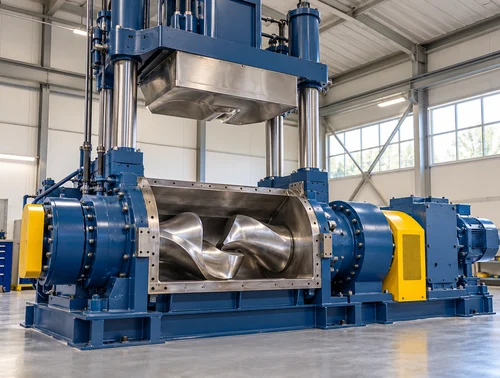
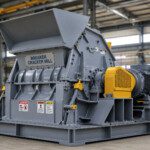 Breaker – Cracker Mill
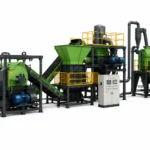 Shredder – Rasper Machines
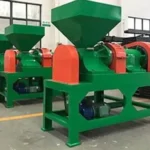 Waste Rubber Crumb Grinder Mill
How to start shoes manufacturing business

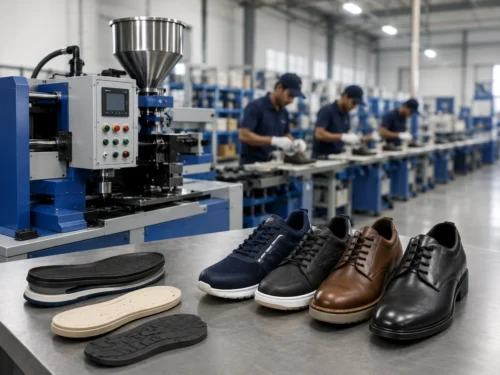
How to Start Shoes Manufacturing Business because consumers demand affordable, durable, and comfortable shoes. Therefore, starting a shoe manufacturing business offers strong long-term growth opportunities for entrepreneurs. The industry serves domestic retailers, wholesalers, exporters, e-commerce brands, and institutional buyers. However, success depends on selecting the right machinery, planning investments, sourcing quality raw materials, and building an efficient production setup. This guide explains the production process, investment, machinery, profitability, government support, and expert tips to help you establish a successful shoe manufacturing business.
Production Process Shoes Manufacturing Overview
A shoe manufacturing unit combines cutting, stitching, molding, finishing, and packaging operations into one streamlined workflow. Modern factories use advanced machinery to improve quality, reduce production time, and minimize material wastage. Moreover, an optimized production process, efficient industrial manufacturing steps, proper production system development, reliable machine-making process, modern equipment production units, and a well-planned industrial system production line help manufacturers increase profitability while maintaining consistent product quality.
How to Start Shoes Manufacturing Business & Machine Comparison
| Machine Category | Approximate Investment | Profit Potential | Business Advantage |
|---|---|---|---|
| Small Manual Unit | ₹15–30 Lakhs | Moderate | Low investment |
| Semi Automatic Plant | ₹30–60 Lakhs | High | Better productivity |
| Fully Automatic Plant | ₹60 Lakhs–₹2 Crores | Very High | Higher production |
| Complete Footwear Factory | ₹2–5 Crores | Excellent | Large-scale manufacturing |
How to Start Shoes Manufacturing Business & Production Benefits
| Benefit | Impact on Production |
|---|---|
| Automated Cutting | Faster production |
| Precision Molding | Better product quality |
| Reduced Waste | Lower production cost |
| Quality Inspection | Fewer defects |
| Continuous Workflow | Higher efficiency |
| Energy Efficient Machines | Lower electricity bills |
| Digital Monitoring | Better planning |
| Skilled Automation | Higher profitability |
Why Purchase from VatsnTecnic?
VatsnTecnic provides practical guidance based on real industrial experience. Every recommendation focuses on machinery performance, production efficiency, quality inspection, and long-term business growth. Buyers receive expert support before and after purchasing machinery.
Moreover, choosing the right machinery creates a strong foundation for a profitable manufacturing business.
Industrial Manufacturing Steps Shoes Required Machinery
Starting a shoe manufacturing unit requires multiple machines depending on production capacity.
- Hydraulic Cutting Machine
- Sole Press Machine
- EVA Injection Molding Machine
- PVC Injection Machine
- Stitching Machine
- Toe Lasting Machine
- Heel Lasting Machine
- Sole Attaching Machine
- Buffing Machine
- Finishing Machine
- Air Compressor
- Conveyor System
- Material Mixing Equipment
- Cooling System
- Packaging Machine
Furthermore, when starting a Shoes Manufacturing Business. Modern machinery improves product consistency while reducing labor dependency.
Production System Development Raw Materials
High-quality raw materials determine footwear durability and customer satisfaction. Manufacturers should purchase reliable materials from trusted suppliers to ensure consistent production quality.
Common raw materials include EVA granules, PVC compounds, rubber sheets, synthetic leather, PU chemicals, adhesives, foam sheets, textile fabrics, shoe soles, insoles, threads, eyelets, laces, packaging boxes, and branding labels. Consequently, better materials reduce rejection rates and improve product performance.
Machine-Making Process Investment Planning
Investment depends on factory size, machinery, automation level, and production capacity. Small manufacturers can begin with limited machinery and gradually expand operations. Moreover, purchasing quality used machinery lowers initial investment while maintaining production efficiency.
Typical investment includes factory setup, machinery, electrical installation, molds, raw materials, manpower, quality testing equipment, packaging, and working capital. Therefore, businesses should prepare a detailed financial plan before production begins.
Equipment Production Units Major Industrial Areas
India offers several footwear manufacturing clusters.
- Agra
- Kanpur
- Delhi
- Bahadurgarh
- Chennai
- Ranipet
- Ambur
- Vellore
- Kolkata
- Howrah
- Noida
- Gurugram
- Ludhiana
- Jalandhar
- Surat
Moreover, these regions support efficient supplier networks, logistics, skilled manpower, and industrial infrastructure.
Industrial System Production Line Production Process
The production process begins with product design and material selection. Manufacturers prepare cutting patterns before processing leather, EVA, PVC, or rubber materials. Cutting machines produce precise components for uppers, insoles, and soles.
Operators stitch upper sections before attaching them to molded soles. Injection molding or compression molding creates durable footwear with accurate dimensions. Furthermore, finishing machines polish every product before quality inspection and packaging.
Industrial manufacturing steps become faster through automation. Consequently, manufacturers improve output while maintaining consistent product quality.
Production Process Business Benefits
Starting a shoe manufacturing business offers several long-term advantages.
- Growing domestic demand
- Increasing export opportunities
- High production scalability
- Better employment generation
- Wide product range
- Strong wholesale market
- Expanding online sales
- Private label manufacturing
- OEM production opportunities
- Long-term business growth
- Good return on investment
- Repeat customer demand
Additionally, automation helps manufacturers improve efficiency while lowering operational costs.
Industrial Manufacturing Steps Transportation and Manpower
Reliable logistics and skilled manpower play an important role in successful footwear manufacturing.
India offers extensive highway connectivity, railway freight services, seaports, airports, industrial corridors, and warehousing facilities. Furthermore, experienced machine operators, designers, quality inspectors, electricians, engineers, and maintenance technicians remain available across major industrial regions.
Therefore, manufacturers maintain smooth production with fewer operational delays.
Production System Development Government Support
Government schemes encourage manufacturing investments across India.
- MSME Registration
- PMEGP
- Startup India
- Mudra Loan
- CGTMSE
- Stand-Up India
- State Industrial Subsidies
- Export Promotion Schemes
- Technology Upgradation Support
- Skill India Training
- NSIC Assistance
- Digital MSME Programs
Consequently, these schemes reduce financial burden while supporting industrial expansion.
Machine-Making Process Related Products
A shoe manufacturing unit produces various footwear products.
- School Shoes
- Sports Shoes
- Safety Shoes
- Formal Shoes
- Casual Shoes
- Leather Shoes
- EVA Slippers
- Sandals
- PVC Footwear
- Industrial Safety Boots
- Hospital Footwear
- Work Shoes
- Hiking Shoes
- Children’s Shoes
- Fashion Footwear
Moreover, manufacturers can expand product lines according to market demand.
Equipment Production Units Future Opportunities
India’s footwear market continues growing because consumers seek affordable and comfortable products. Additionally, exports continue increasing through global demand for quality footwear.
Manufacturers investing in automation improve production capacity while reducing costs. Furthermore, sustainable materials and energy-efficient machinery create additional business opportunities. Therefore, modern shoe manufacturing remains a profitable long-term investment.
Industrial System Production Line Expert Buying Tips
- Choose machinery matching production goals.
- Compare automation levels carefully.
- Verify machine condition before purchase.
- Check power consumption.
- Inspect hydraulic systems.
- Confirm spare part availability.
- Review maintenance history.
- Evaluate production capacity.
- Select quality molds.
- Calculate operating costs.
- Train machine operators.
- Buy from experienced machinery suppliers.
https://www.indiamart.com/vatsntecnic/profile.html
To read More about Footwear Machine Visit Here
FAQ: Frequently Asked Questions
What investment is required to start a shoe manufacturing business?
Small units generally require ₹15–30 lakhs, while automated factories need significantly higher investments.
Which machines are essential?
Cutting machines, injection molding machines, stitching machines, finishing machines, compressors, and packaging equipment form the basic setup.
Which raw materials are commonly used?
Manufacturers mainly use EVA, PVC, rubber compounds, leather, synthetic fabrics, adhesives, insoles, and packaging materials.
Is shoe manufacturing profitable?
Yes. Strong domestic demand, exports, and automation create excellent profit opportunities.
Can I start with used machinery?
Yes. Quality used machines reduce investment while maintaining dependable production performance.
Which cities support footwear manufacturing?
Delhi, Agra, Kanpur, Chennai, Ambur, Ranipet, Bahadurgarh, Kolkata, and Noida remain major manufacturing hubs.
Are government subsidies available?
Yes. MSME, PMEGP, Startup India, Mudra, CGTMSE, and state industrial schemes support manufacturing businesses.
How much factory space is required?
Small factories generally require 2,000–5,000 square feet depending on production capacity.
Why choose VatsnTecnic?
VatsnTecnic offers practical industry expertise, quality machinery solutions, transparent guidance, and dependable customer support.
How long does factory setup take?
Most small and medium units become operational within several weeks after machinery installation and approvals.
Conclusion
Starting a shoe manufacturing business offers excellent opportunities because footwear demand continues increasing across India and international markets. Careful planning, quality machinery, skilled manpower, and efficient production systems create sustainable business growth. Furthermore, selecting reliable equipment and following structured manufacturing practices improves profitability while reducing operational risks.
For advanced machinery and industrial manufacturing solutions, choose VatsnTecnic.