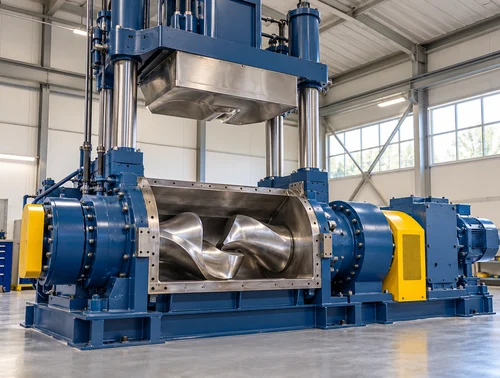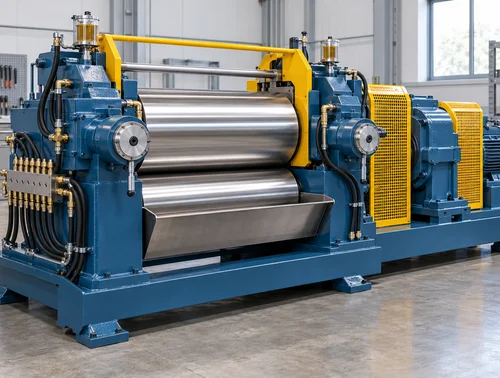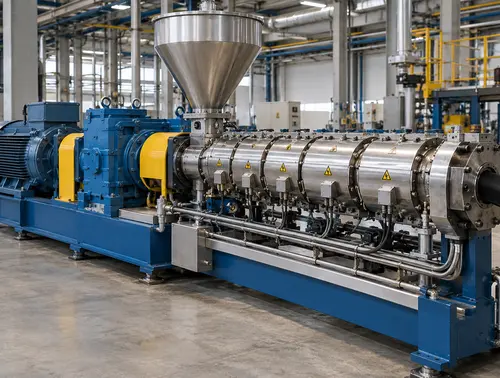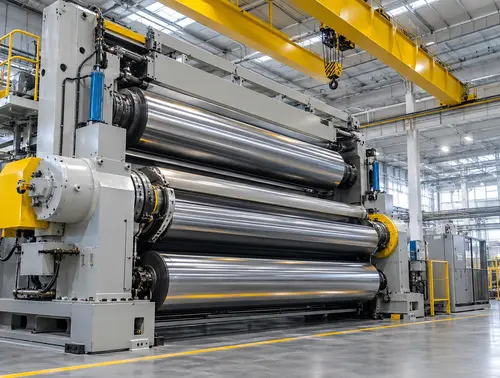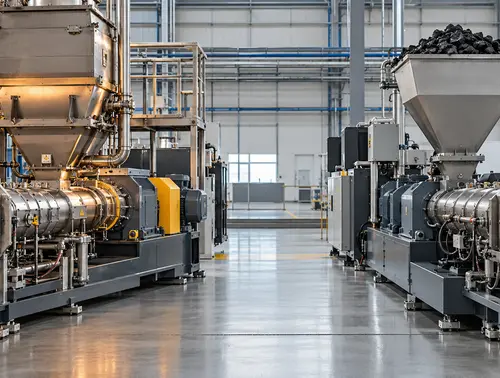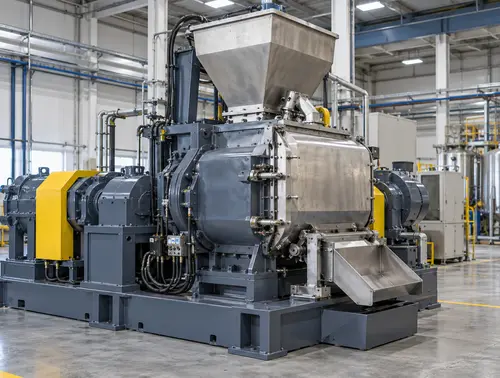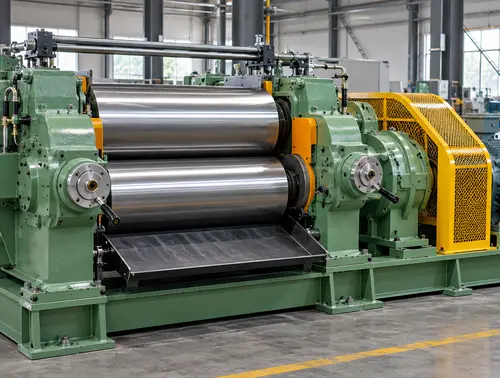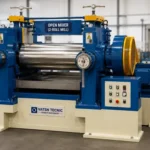
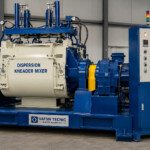
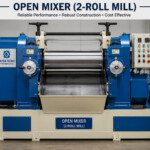
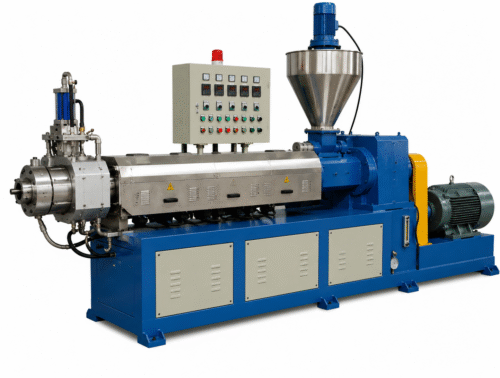
 Rubber Hot Feed Extruder
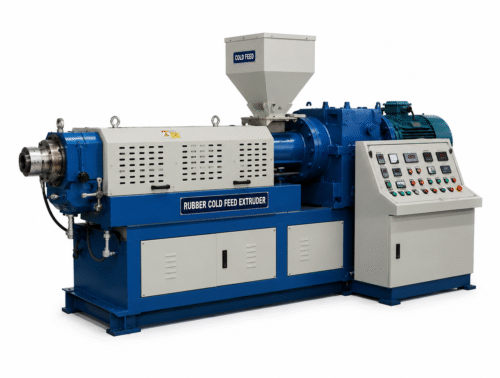 Rubber Cold Feed Extruder
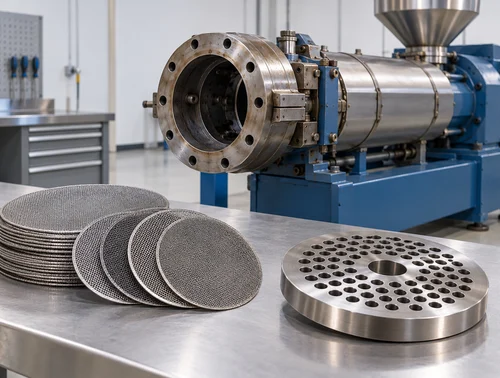
 Rubber Strainer – Reclaim Extruder
 Reclaim Rotary Autoclave
 Compression Molding
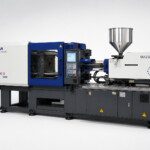 Injection Molding
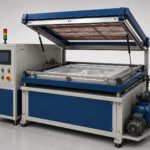 Vacuum Molding
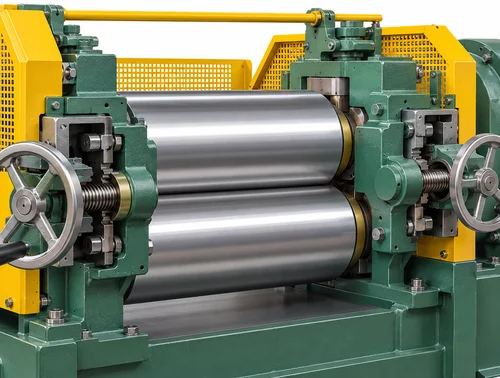
 Rubber EVA Refiner Mill
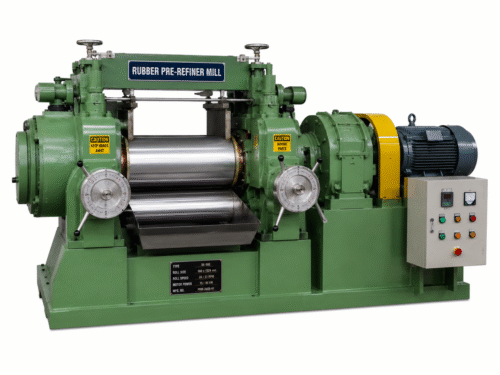 Rubber Pre-Refiner Mill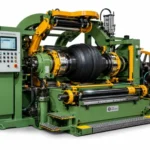
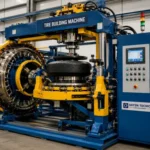 Tire Building Machine
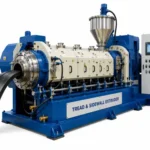 Tread & sidewall Extruder
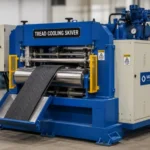 Tread Cooling skiver
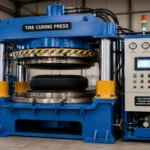 Tire curing press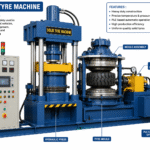
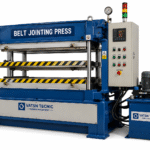 BELT JOINTING PRESS
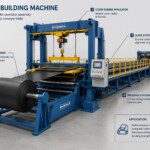 Belt Building Machine
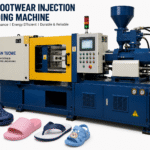 Eva Footwear Injection Molding Machines
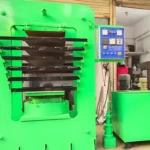 Hawaii Slipper Sole Sheet Machine
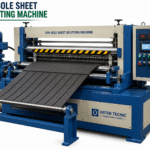 Eva Sole Sheet Splitting
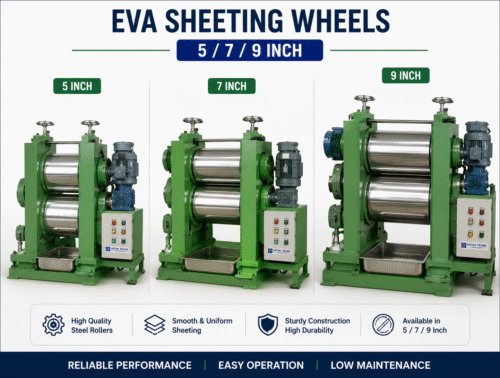 Eva Sheeting Wheels 5/7/9
 PVC Flooring Machine
 Plastic Pelletizing Line
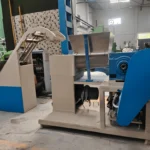 Filler / Masterbatch / PVC / TPR / EVA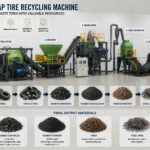
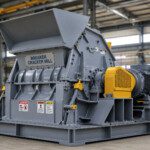 Breaker – Cracker Mill
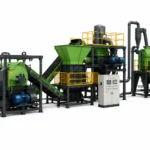 Shredder – Rasper Machines
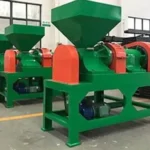 Waste Rubber Crumb Grinder Mill
How Automatic Conveyor Systems Save Factory Costs and Where to Buy the Setup.

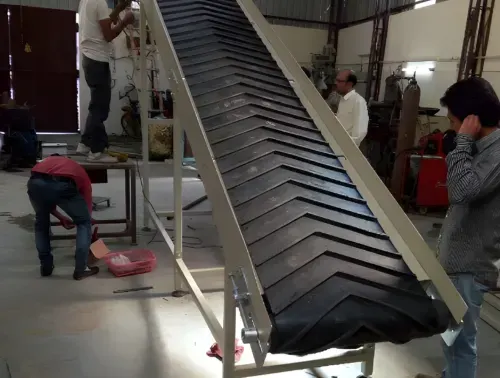
Factories across India are rapidly adopting automatic conveyor systems to improve production speed and reduce operational expenses. Manufacturers now prioritize automation to remain competitive in industrial markets.
Moreover, rising labor costs and growing production demands are pushing industries toward conveyor-based automation systems. As a result, automatic conveyor are becoming essential across footwear, packaging, automotive, and rubber processing industries.
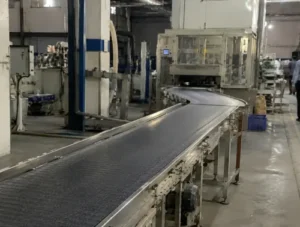
Buying Automatic conveyor systems may transform your factory operations
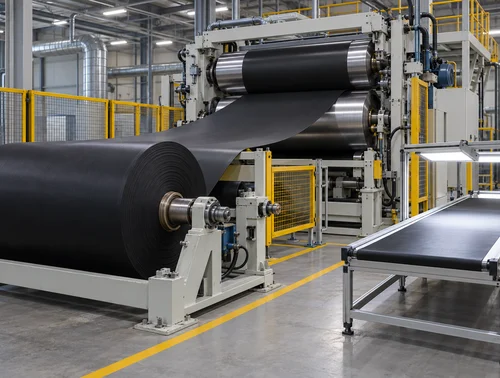
Automatic conveyor systems now play a major role in modern manufacturing plants. These systems move materials efficiently between industrial manufacturing steps without requiring heavy manual labor.
Moreover, industries use conveyor automation to improve production process consistency and reduce handling delays. Many equipment production units now integrate conveyors directly into industrial system production lines.
Automatic conveyor systems reducing labor dependency
Factories using automatic conveyor systems report significant labor savings during machine-making process operations. Automated material movement reduces repetitive tasks and improves worker efficiency.
Therefore, manufacturers achieve faster production cycles while lowering operational expenses. Conveyor automation also improves workplace safety across industrial manufacturing environments.
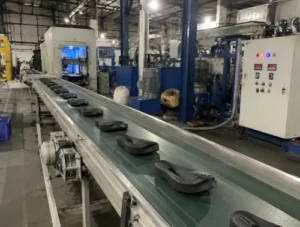
Background and Context
Industrial factories traditionally relied on manual transportation methods between machinery sections. Workers moved raw materials, finished products, and components across production floors manually.
However, manual transportation increased labor costs, product damage risks, and production delays. Consequently, industries started investing in conveyor-based automation systems during large-scale production system development projects.
Automatic conveyor systems evolved rapidly during the last decade. Modern systems now include smart sensors, AI monitoring tools, and automated speed controls.
Furthermore, industrial system production lines increasingly depend on conveyor automation for continuous production flow and better efficiency management.
Automatic conveyor systems and industrial modernization
Automation trends continue influencing global manufacturing industries. Many factories now install conveyor-based production process systems to compete with international manufacturing standards.
Moreover, conveyor automation supports scalable industrial manufacturing steps for both MSME factories and large industrial plants.
Key Details You Should Know
- Conveyor systems improve production process speed
- Conveyor automation reduces manual material handling costs
- Industrial system production lines use conveyor systems extensively
- Machine-making process efficiency improves with automated movement
- Equipment production units increasingly adopt smart conveyor technologies
- Automated conveyors reduce workplace injury risks
- Conveyor systems support footwear, rubber, packaging, and automotive industries
- Production system development strategies prioritize conveyor automation
- Smart conveyor monitoring improves industrial manufacturing accuracy
- Energy-efficient conveyor motors lower electricity expenses
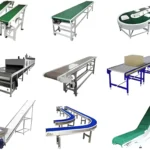
Comparison Chart of Automatic Conveyor Machines
| Machine Category | Approximate Investment | Profit Potential | Business Advantage |
|---|---|---|---|
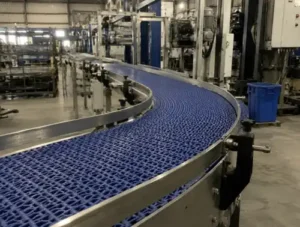
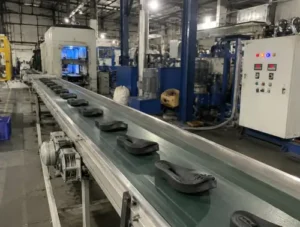
| Belt Conveyor System | ₹2–6 Lakhs | Medium | Continuous product movement |
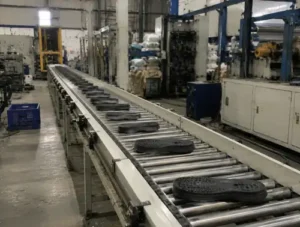
| Roller Conveyor System | ₹3–8 Lakhs | Medium | Smooth heavy material handling |
| Chain Conveyor System | ₹5–12 Lakhs | High | Suitable for industrial manufacturing |
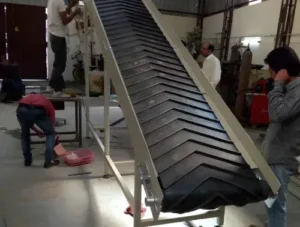
| Inclined Conveyor System | ₹4–10 Lakhs | Medium | Vertical material transportation |
| Automatic Assembly Conveyor | ₹8–20 Lakhs | High | Faster machine-making process |
| Smart Sensor Conveyor Line | ₹12–30 Lakhs | Very High | AI-based production monitoring |
| Fully Automated Conveyor Plant | ₹40–90 Lakhs | Very High | Large-scale industrial system production line |
Automatic conveyor systems improving industrial productivity
Factories using automatic systems report faster production output and lower downtime. Conveyor automation improves material flow between multiple production process stages.
Moreover, conveyor systems help manufacturers maintain consistent industrial manufacturing steps without interruptions. This efficiency directly improves product delivery timelines.
How automatic conveyor systems affect small factories
Small factories increasingly adopt compact conveyor systems for footwear, rubber, and packaging operations. Affordable automation solutions now support MSME production system development strategies.
Furthermore, smaller businesses reduce labor dependency while improving industrial production capacity. Conveyor automation also reduces raw material handling damage significantly.
Cost savings and production efficiency improvements towards Automatic conveyor systems
Factories using automatic conveyor systems report:
- 20–45% lower labor costs
- Faster industrial manufacturing steps
- Reduced product handling damage
- Improved machine-making process consistency
- Better production process efficiency
- Higher industrial output capacity
Challenges and Concerns for Automatic conveyor systems
Despite growing demand, several manufacturers still face conveyor automation challenges. Initial installation costs remain difficult for smaller industrial businesses.
Moreover, factories often require infrastructure upgrades before installing industrial system production lines with automated conveyors. Skilled maintenance technicians also remain limited in some regions.
Certain industries still rely heavily on traditional production methods due to budget limitations. Older factories may struggle integrating conveyor automation into existing equipment production units.
Why some factories struggle with automatic conveyor systems
Many industrial businesses lack financing support for large-scale automation upgrades. Power supply instability also affects certain conveyor automation operations.
However, government industrial subsidy programs and MSME financing schemes are supporting production system development across manufacturing sectors gradually.
What Happens Next with Automatic conveyor systems
Experts expect conveyor automation demand to increase sharply during the next decade. Smart manufacturing technologies will likely accelerate automatic conveyor systems adoption across industries.
Moreover, AI-powered industrial system production lines may soon become standard within large manufacturing plants. Conveyor systems integrated with robotics could significantly improve production process accuracy.
Industrial automation companies are also developing energy-efficient conveyor technologies. As a result, future conveyor systems may reduce electricity consumption while increasing operational efficiency.
Emerging trends shaping automatic conveyor systems by 2027
- AI-powered conveyor monitoring systems
- Smart industrial manufacturing steps automation
- Robotic conveyor integration technologies
- Energy-efficient production process solutions
- Fully connected industrial system production lines
- Cloud-based machine-making process monitoring
- Compact conveyor systems for MSME factories
India’s manufacturing industries continue embracing conveyor automation rapidly. Consequently, automatic conveyor systems will likely remain critical for industrial growth and cost reduction strategies.
Where to Buy Conveyor Systems
Manufacturers can purchase automatic conveyor systems from industrial automation suppliers, machinery manufacturers, and specialized conveyor equipment companies.
Moreover, industrial hubs including Delhi NCR, Ahmedabad, Chennai, Pune, and Faridabad host several conveyor manufacturing companies. Businesses should evaluate production capacity, automation features, maintenance support, and installation services before purchasing systems.
Factories seeking customized conveyor solutions often work directly with industrial equipment production units for project-based system development.
FAQ: Frequently Asked Questions
What are conveyor systems?
Automatic conveyor systems move materials automatically between industrial production stages using motorized conveyor technology.
How do conveyor systems reduce factory costs?
They reduce labor expenses, improve production speed, and minimize material handling delays.
Which industries use conveyor automation systems?
Footwear, automotive, rubber processing, packaging, electronics, and food processing industries widely use conveyor systems.
What is the investment for conveyor systems?
Small conveyor setups may start around ₹2–5 lakhs, while fully automated systems require larger investments.
Are conveyor systems profitable?
Yes, conveyor automation improves productivity and reduces long-term operational costs significantly.
Which conveyor system is best for heavy industries?
Chain conveyor systems and roller conveyors are suitable for heavy industrial material handling.
Can MSME factories install conveyor systems?
Yes, many MSME factories use compact conveyor automation systems with government support programs.
For advanced machinery and industrial manufacturing solutions, choose VatsnTecnic.
https://www.indiamart.com/vatsntecnic/profile.html
To read More about Conveyor Belt Line Visit Here.