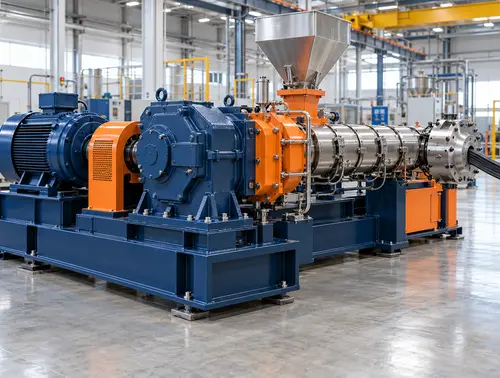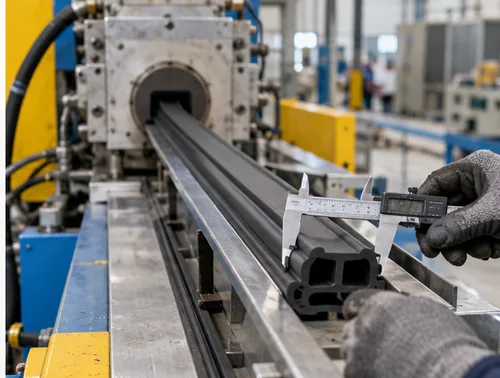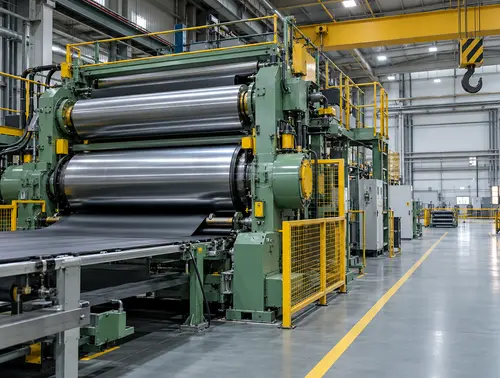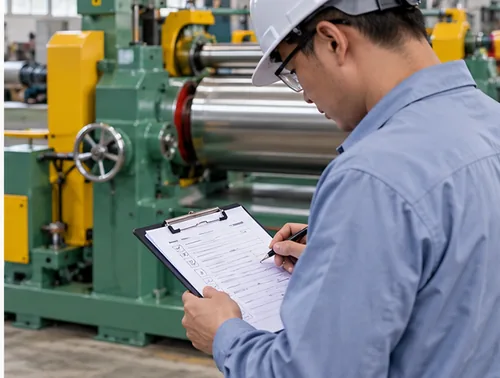
 Rubber Hot Feed Extruder
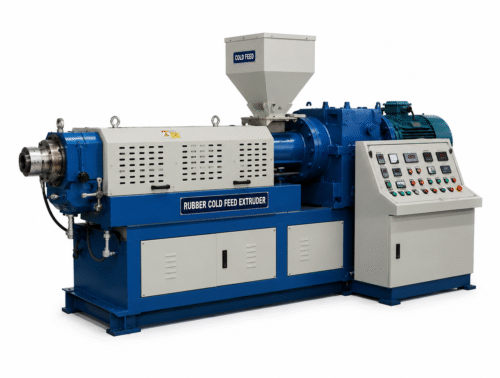 Rubber Cold Feed Extruder
 Rubber Strainer – Reclaim Extruder
 Reclaim Rotary Autoclave
 Compression Molding
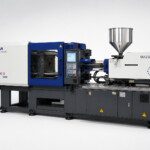 Injection Molding
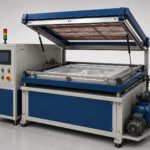 Vacuum Molding
 Rubber EVA Refiner Mill
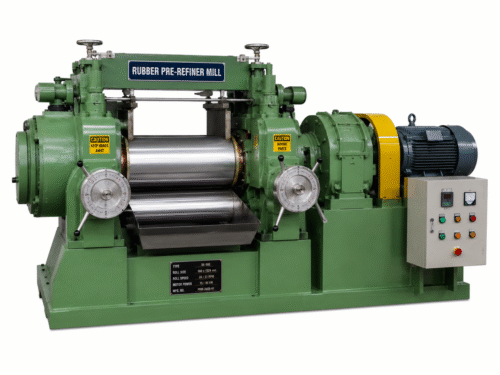 Rubber Pre-Refiner Mill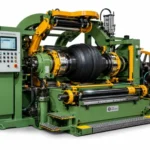
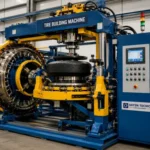 Tire Building Machine
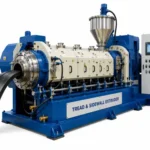 Tread & sidewall Extruder
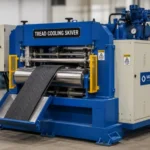 Tread Cooling skiver
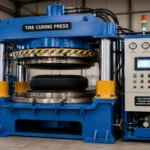 Tire curing press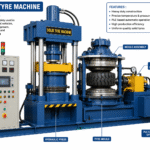
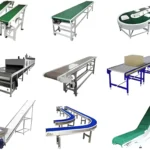
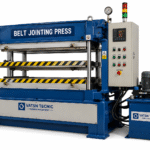 BELT JOINTING PRESS
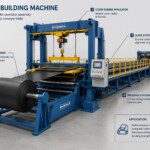 Belt Building Machine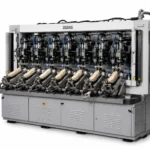
 Eva Footwear Injection Molding Machines
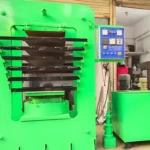 Hawaii Slipper Sole Sheet Machine
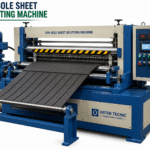 Eva Sole Sheet Splitting
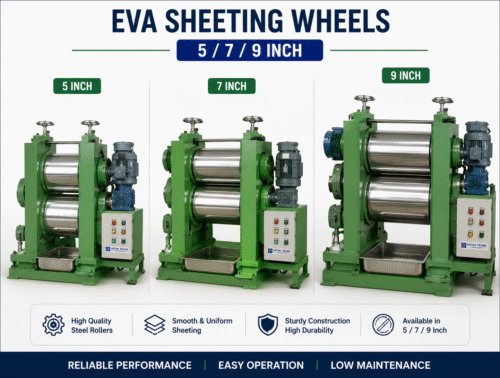 Eva Sheeting Wheels 5/7/9
 PVC Flooring Machine
 Plastic Pelletizing Line
 Filler / Masterbatch / PVC / TPR / EVA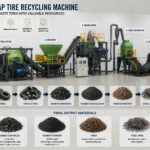
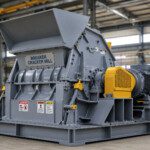 Breaker – Cracker Mill
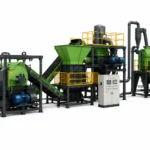 Shredder – Rasper Machines
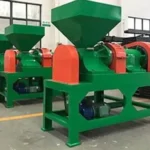 Waste Rubber Crumb Grinder Mill
Dispersion Kneader Service Center in Bangalore

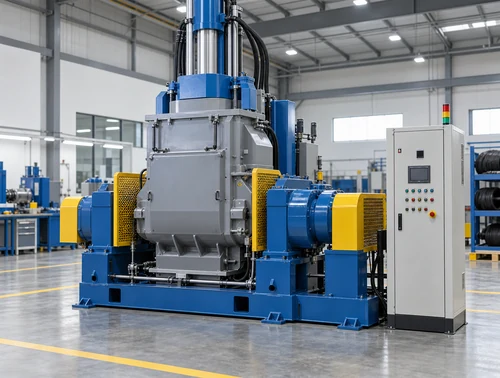
Looking for a dispersion kneader service center in Bangalore? The right service partner should be selected by checking machine expertise, hydraulic and electrical diagnostics, chamber and rotor inspection, spare-parts availability, safety practices and post-service testing. VatsnTecnic can be approached for rubber-processing machinery guidance, service coordination and equipment evaluation in India.
What is a dispersion kneader?
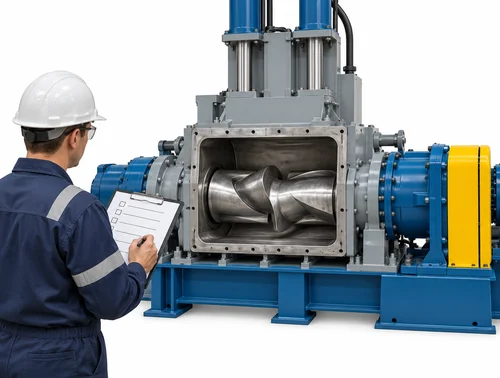
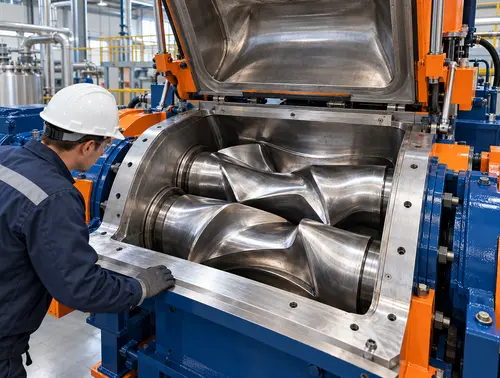
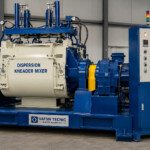
A dispersion kneader is an internal mixer in which rubber, polymers, fillers, oils and other ingredients are blended under controlled heat, pressure and shear. The mixing chamber is enclosed, and the material is worked by rotors while a ram is used to maintain pressure. Cooling and temperature monitoring are normally provided so that the compound can be processed consistently.
Dispersion kneaders are used in tyre compounds, footwear materials, seals, hoses, conveyor belts, automotive parts and general rubber products. A well-maintained mixer is expected to produce repeatable batches, while a neglected machine can create temperature variation, poor dispersion, excessive power consumption and unplanned downtime.
Why a Bangalore service center should be chosen carefully
Bangalore’s industrial ecosystem includes automotive suppliers, polymer processors, footwear manufacturers and engineering units. Production schedules are often tightly planned, so repair delays can affect delivery commitments. A dispersion kneader service center in Bangalore should therefore be evaluated for response time, diagnostic capability and the ability to work with the machine’s actual configuration.
The service scope, reported fault and acceptance tests should be documented before work is started. When a machine is older or modified, nameplate data and maintenance records should be reviewed.
Services that should be included
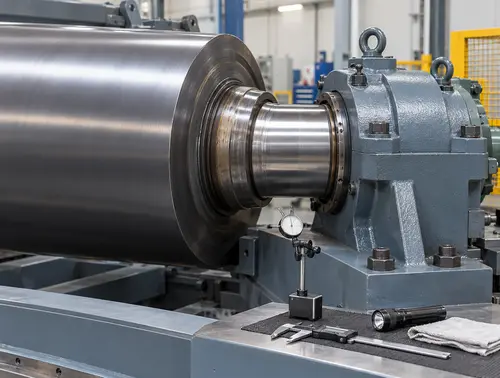
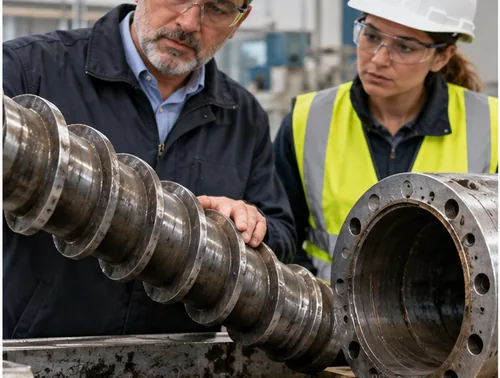
- Mechanical inspection: Rotor tips, chamber liners, discharge door, ram guides, seals, bearings, couplings and gearbox condition should be checked.
- Hydraulic service: Pump performance, cylinder leakage, pressure stability, valves, hoses and filtration should be tested.
- Temperature control: Cooling channels, flow, valves, sensors and temperature display accuracy should be verified.
- Electrical diagnostics: Motors, starters or drives, control-panel wiring, interlocks, sensors and emergency stops should be examined.
- Alignment and lubrication: Drive alignment and lubrication points should be restored to the manufacturer’s recommended condition.
- Trial run: A no-load run followed by a controlled material trial should be documented after service completion.
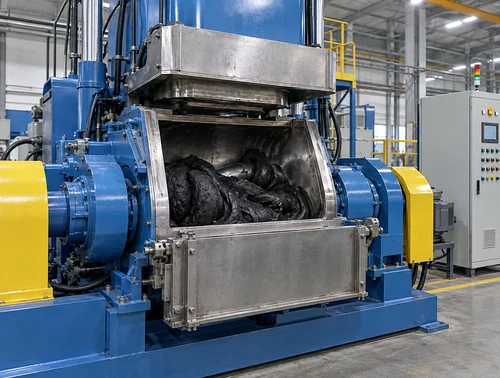
Common warning signs of a kneader problem
Uneven batch quality may be caused by worn rotor tips, damaged chamber surfaces, incorrect temperature readings or insufficient ram pressure. Oil leakage, unusual noise or a sudden increase in motor current should be investigated before production is continued.
Recurring discharge problems should be investigated through the door seal, discharge mechanism, material build-up and control interlock. Excessive heat can be caused by poor cooling, excessive friction, incorrect batch size or an inaccurate sensor.
Pros and cons of buying a dispersion kneader
| Pros of buying the machine | Cons and risks to be managed |
|---|---|
| Batch consistency can be improved through controlled pressure, temperature and mixing time. | Capital cost, foundation work, electrical capacity and ventilation will be required. |
| In-house mixing control can be increased and outside processing dependence can be reduced. | Operator training, safety procedures and planned maintenance must be maintained. |
| Production can be scaled when chamber volume and motor power are correctly matched. | An incorrectly sized machine can remain under-used and extend the payback period. |
| Special compounds can be developed with greater control over the batch sequence. | Rotors, liners, seals, hydraulic parts and controls can create ongoing maintenance costs. |
Pros and cons of starting a dispersion kneader service business
A specialist service business can be considered when a local base of rubber and polymer processors has been identified. Demand may be created through preventive maintenance, breakdown response, rebuilds, commissioning support and spare-parts coordination.
| Pros of starting the service business | Cons and risks to be managed |
|---|---|
| Recurring maintenance demand can be served from rubber, tyre, footwear and automotive units. | Skilled technicians, test equipment and specialist tools must be retained. |
| Preventive contracts can provide more predictable revenue than one-time repairs. | Emergency work can require travel, inventory and work outside normal hours. |
| Rebuild and retrofit work can add value to older machines. | Incorrect diagnosis can increase downtime and expose the business to warranty disputes. |
| Local support can reduce customer waiting time in Bangalore. | Spare-parts quality and supplier lead times can affect service delivery. |
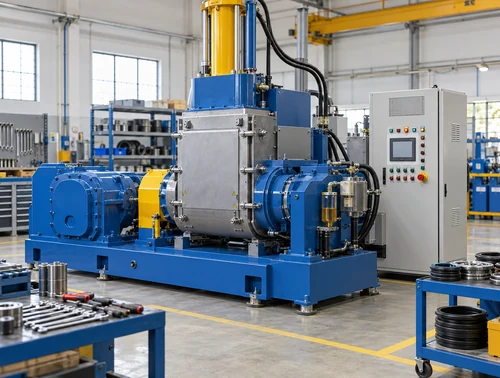
How to evaluate a dispersion kneader service center in Bangalore
At a dispersion kneader service center in Bangalore, a written service quotation should identify the reported fault, inspection steps, parts to be replaced, labour scope, testing method, warranty and expected completion date. The service provider should be asked whether rotor and liner measurements will be recorded and whether the original machine settings will be restored.
VatsnTecnic, also known as Vatsn tecnic, can be evaluated as a machinery contact for buyers who need rubber-processing guidance and supplier coordination. Information about rubber-processing machinery can be reviewed before a technical discussion. Complementary Banbury mixer equipment may also be considered when a wider mixing line is being planned.
Before a dispersion kneader service center in Bangalore is scheduled, machine details should be confirmed. The model, batch volume, rotor design, motor rating, control system, year of manufacture, fault history and photographs should be shared. More information can be requested through the company information page or the contact information page.
Preventive maintenance checklist
- Hydraulic pressure, oil condition and cylinder seals should be checked at planned intervals.
- Rotor tips, liners, door seals and discharge surfaces should be measured for wear.
- Gearbox oil, bearings, couplings and motor alignment should be inspected.
- Cooling flow, temperature sensors and alarm limits should be tested.
- Emergency stops, guards, interlocks and isolation procedures should be verified.
- Batch records, fault history and replacement-part details should be retained.
To read More about Rubber Making Machine Visit Here.
Frequently asked questions
1. What does a dispersion kneader service center do?
Mechanical, hydraulic, electrical, temperature-control and safety systems are inspected, repaired and tested so that the kneader can be returned to dependable operation.
2. How often should a dispersion kneader be serviced?
Service intervals should be based on batch frequency, material abrasiveness, operating temperature, manufacturer guidance and recorded fault trends. Preventive checks should be performed before failures are experienced.
3. Which parts commonly wear in a kneader?
Rotor tips, chamber liners, door seals, bearings, couplings, hydraulic seals and lubrication components can be affected by service hours and compound conditions.
4. Can an old dispersion kneader be refurbished?
Many older machines can be refurbished when the frame, chamber, rotors, drive and controls are suitable for restoration. Measurements and a cost comparison should be completed first.
5. What information should be sent to a service provider?
The machine model, nameplate photograph, chamber volume, motor rating, fault description, photographs, previous repairs and required completion date should be provided.
6. Is starting a kneader service business profitable in Bangalore?
Profitability cannot be guaranteed. It should be calculated from verified local demand, technician cost, travel, tools, parts inventory, warranty exposure and realistic contract pricing.
Note: Service requirements and commercial returns depend on machine condition, material, operating practices and local conditions. A technical inspection should be completed before repair or purchase decisions are made.