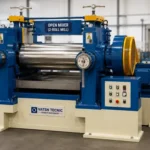


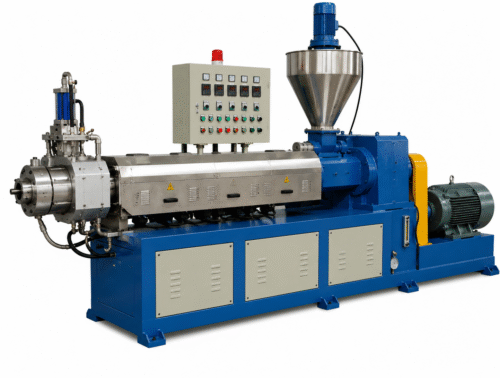
 Rubber Hot Feed Extruder
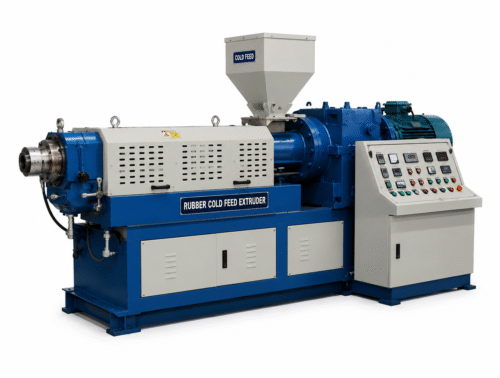 Rubber Cold Feed Extruder
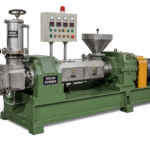 Rubber Strainer – Reclaim Extruder
 Reclaim Rotary Autoclave
 Compression Molding
 Injection Molding
 Vacuum Molding
 Rubber EVA Refiner Mill
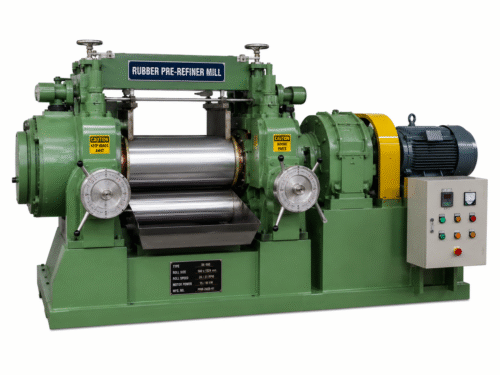 Rubber Pre-Refiner Mill

 Tire Building Machine
 Tread & sidewall Extruder
 Tread Cooling skiver
 Tire curing press

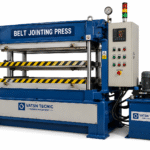 BELT JOINTING PRESS
 Belt Building Machine

 Eva Footwear Injection Molding Machines
 Hawaii Slipper Sole Sheet Machine
 Eva Sole Sheet Splitting
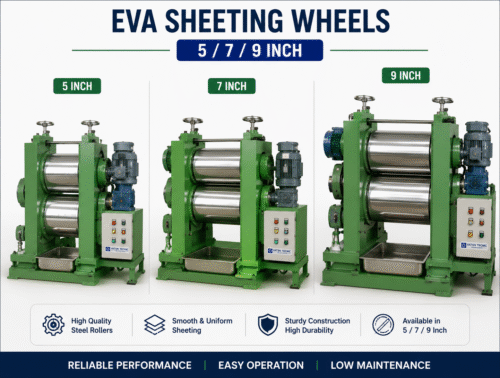 Eva Sheeting Wheels 5/7/9
 PVC Flooring Machine
 Plastic Pelletizing Line
 Filler / Masterbatch / PVC / TPR / EVA

 Breaker – Cracker Mill
 Shredder – Rasper Machines
 Waste Rubber Crumb Grinder Mill
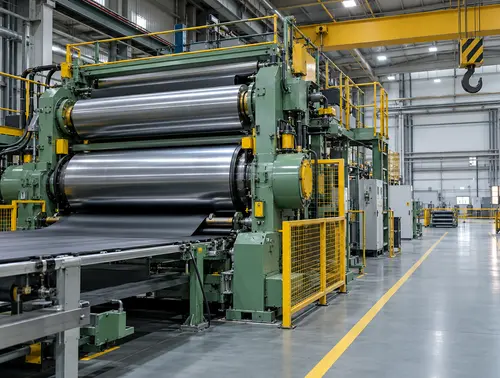
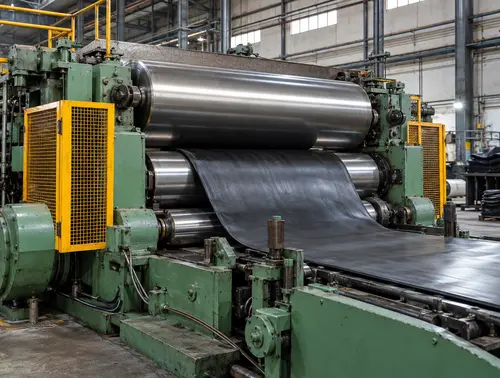
Source Rubber Calendar Machine in Taipei: Measure Sheet Thickness


Quick answer: A rubber calendar machine in Taipei should be bought with a thickness measurement plan. Sheet that measures well at the die can still be out of tolerance at the winder, and without measurement you cannot tell whether the fault is the roll, the gap setting or thermal growth.
Thickness is the product’s defining dimension, and it is the one most often checked by hand with a gauge that nobody has calibrated. Buyers specifying a rubber calendar machine in Taipei should decide how they will measure, where, and how often, before they decide which machine to buy.
This guide covers where variation comes from, how to measure it properly, and what to check on the machine.
Where thickness variation comes from
Four things move the sheet thickness: the roll gap, the roll temperature, the compound viscosity and the roll crown. Each varies over a different timescale — the gap can change within a second, thermal growth over an hour, viscosity with each batch.
Because the timescales differ, a single measurement tells you almost nothing. You need a series: across the width, along the length, and over time.
Measuring across the width and along the length
Across the width, variation indicates crown, bending or a gap that is not parallel. Along the length, variation indicates thermal drift, feed inconsistency or speed changes. Measuring only one direction hides half the problem.
| Method | Strength | Limitation | Best use |
|---|---|---|---|
| Hand gauge | Cheap, flexible | Operator-dependent, slow | Spot checks |
| Offline bench measurement | Accurate, documented | Delay, sampling only | Batch release |
| Online gauge | Continuous, trend data | Cost, calibration | Closed-loop control |
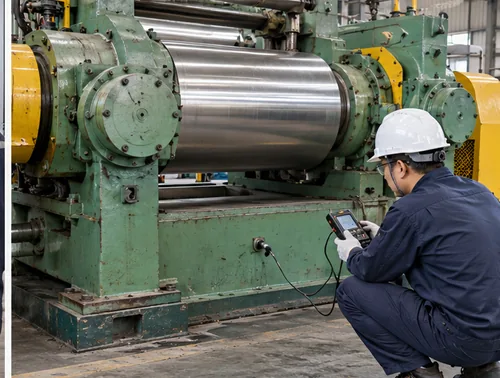
Whatever method you use, calibrate it and record the calibration. A gauge that reads 0.05 mm out will send you chasing a machine fault that does not exist.
Gap setting and thermal growth
The gap you set cold is not the gap you get hot. Rolls grow as they warm, and the frame expands with them. A mill that is set correctly at start-up will produce a thinner sheet an hour later unless the operator compensates.
Ask the supplier how thermal growth is handled: is there a compensation table, an online gauge with feedback, or does the operator adjust manually? Manual adjustment is acceptable if the operator has a measurement to work from — which brings the discussion back to measurement.
| Control approach | Strength | Limitation | Suits |
|---|---|---|---|
| Manual gap, manual gauge | Low cost, simple | Depends on operator discipline | Short runs, wide tolerance |
| Manual gap, online display | Operator sees the trend | Still manual correction | Most plants |
| Closed-loop gap control | Consistent, automatic | Cost, calibration, complexity | Tight tolerance, long runs |

What to verify on a used machine
Run a strip and measure it at five points across the width and at three points along the length. Plot the results. A sheet that is thick in the middle points to crown or bending; one that tapers points to alignment; one that drifts points to thermal behaviour.
Ask for the roll diameters and the last grinding record. A roll that has been ground many times has less stiffness and will deflect more under load, which shows up as a thicker centre.
Building the measurement routine
Decide the sampling plan before commissioning: how often, at what point in the line, and who records it. Keep the records. A thickness history is the only way to distinguish a machine drifting from a compound changing.
Our notes on roll change planning and cooling and winding lines cover the mechanical context around measurement.
Calibration and gauge management
A thickness programme is only as good as its gauge. Keep a reference gauge that is calibrated externally, and check the working gauge against it weekly. A drifting gauge produces confident decisions in the wrong direction.
Record the calibration date on the gauge itself, not only in a file. Operators reach for the instrument that is closest, and the closest one is usually the one nobody has checked.
Where an online gauge is fitted, check it against the reference at each product change. Online gauges drift with temperature and with the material they are measuring, and the drift is invisible without a cross-check.
Decide who signs off a thickness record before the first batch, not after a complaint. A record without an owner is a number nobody trusts, and the tolerance conversation restarts every time a customer queries a delivery.
Put the routine in the quality manual so it survives staff changes, and audit it once a quarter against the actual records.
Buying a calender? Vatsn Tecnic supplies new, used and refurbished rubber processing machinery. Tell us your tolerance and product, and we will help you decide whether the machine needs closed-loop control or whether a disciplined manual routine is enough.
To read More about Rubber Making Machine Visit Here:
https://www.indiamart.com/vatsntecnic/profile.html
Frequently asked questions
Why is my sheet thick in the middle?
Usually roll crown or roll deflection under load. Check the crown record and the roll diameter before adjusting the gap.
How often should I measure thickness?
At start-up, after every gap change and at intervals through the run. The interval depends on how quickly your process drifts.
Do I need an online gauge?
Only if the tolerance is tight or the runs are long. A disciplined manual routine covers many plants.
How does temperature affect thickness?
Rolls and frame grow as they warm, so the gap closes. Without compensation the sheet gets thinner over time.
Can I compensate manually?
Yes, if you have a measurement to work from. Manual compensation without measurement is guesswork.
What causes a tapered sheet?
Roll alignment or a gap that is not parallel. Check alignment before touching the gap setting.
Does roll grinding change thickness behaviour?
Yes. Grinding changes diameter and crown, which changes deflection and the thickness profile.
What records should I keep?
Thickness measurements with date, product and gap setting. Without them you cannot separate machine drift from compound change.