

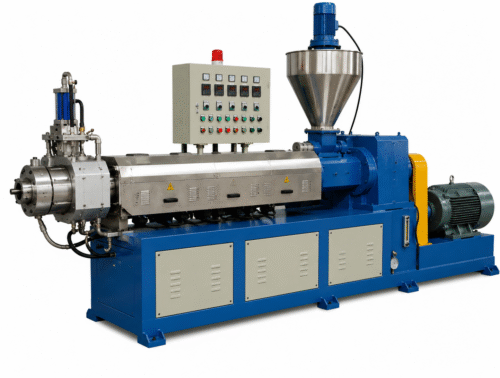
 Rubber Hot Feed Extruder
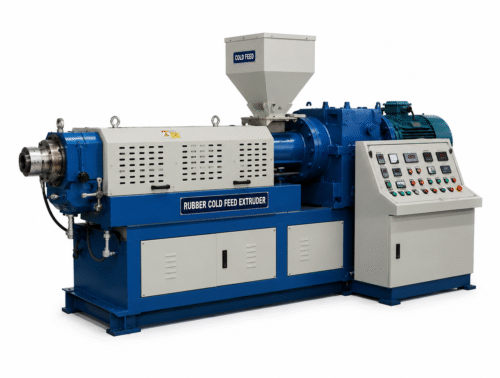 Rubber Cold Feed Extruder
 Rubber Strainer – Reclaim Extruder
 Reclaim Rotary Autoclave
 Compression Molding
 Injection Molding
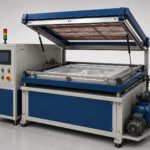 Vacuum Molding
 Rubber EVA Refiner Mill
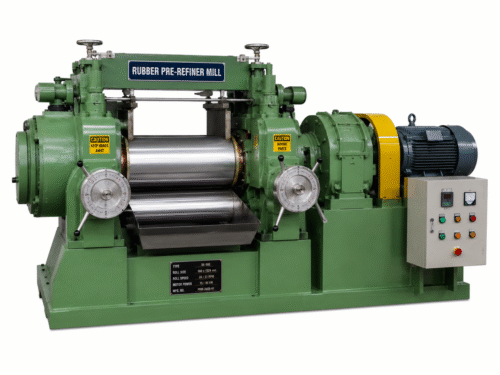 Rubber Pre-Refiner Mill
 Tire Building Machine
 Tread & sidewall Extruder
 Tread Cooling skiver
 Tire curing press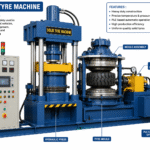

 BELT JOINTING PRESS
 Belt Building Machine
 Eva Footwear Injection Molding Machines
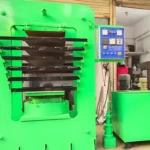 Hawaii Slipper Sole Sheet Machine
 Eva Sole Sheet Splitting
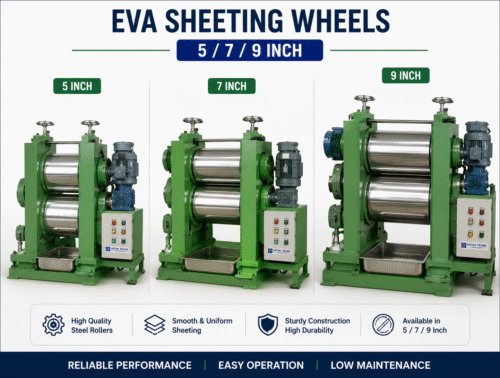 Eva Sheeting Wheels 5/7/9
 PVC Flooring Machine
 Plastic Pelletizing Line
 Filler / Masterbatch / PVC / TPR / EVA
 Breaker – Cracker Mill
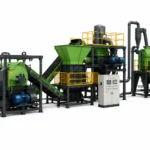 Shredder – Rasper Machines
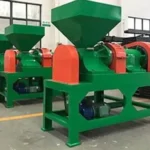 Waste Rubber Crumb Grinder Mill
Compare Rubber Calendar Machine in Punjab: Plan Fabric Adhesion Evidence

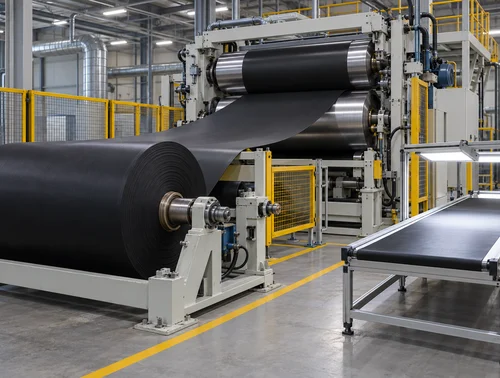
Compare a rubber calendar machine in Punjab using traceable coated-fabric samples and an agreed evaluation method, rather than assuming an attractive coating proves adhesion. The fabric, rubber compound, preparation and downstream treatment all affect the result. Agree who supplies materials, who tests samples and what evidence will support acceptance before arranging the trial.
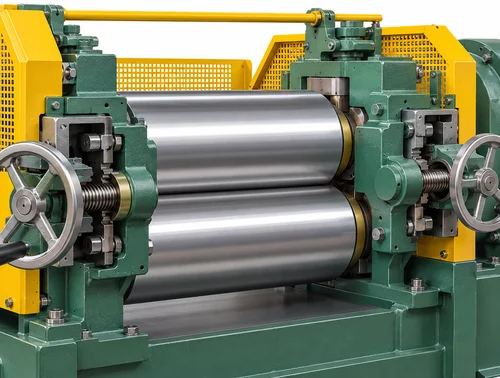
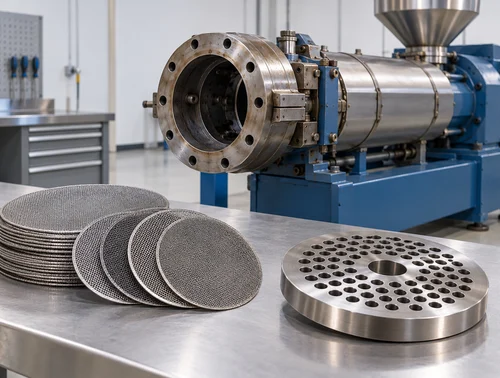
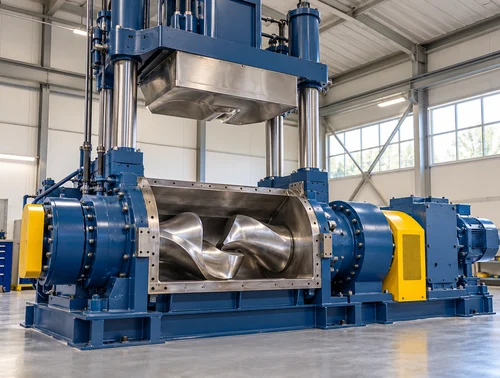
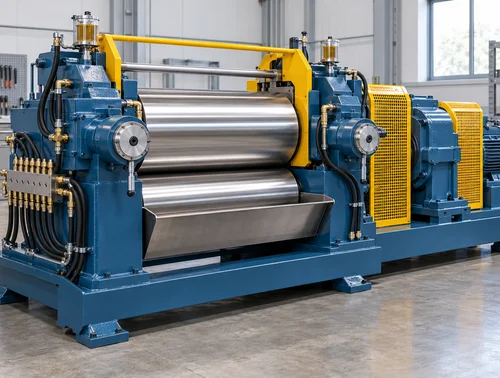
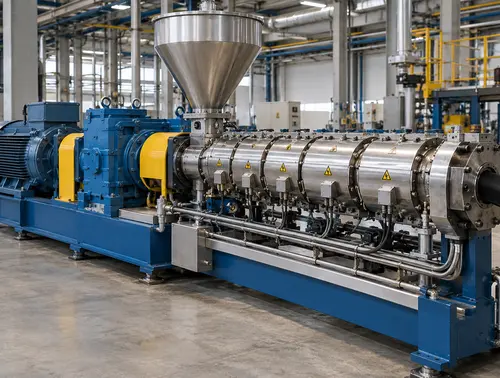
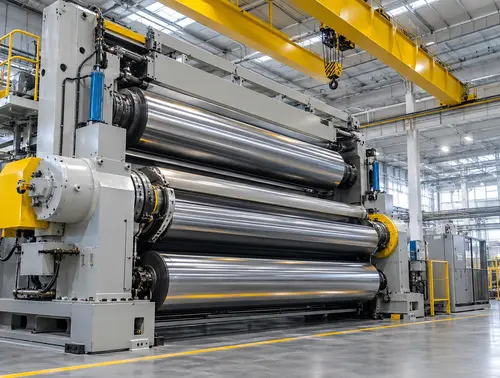
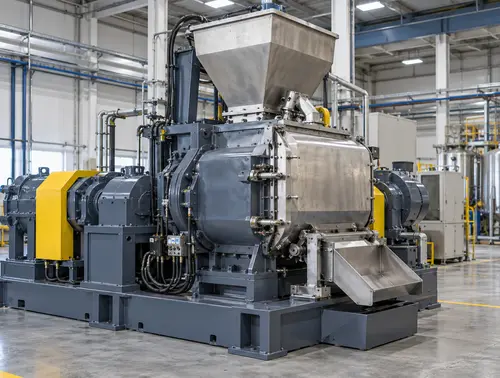
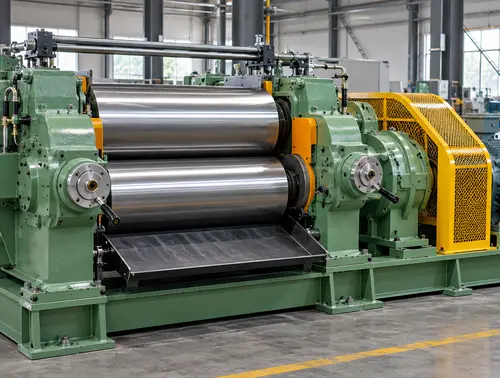
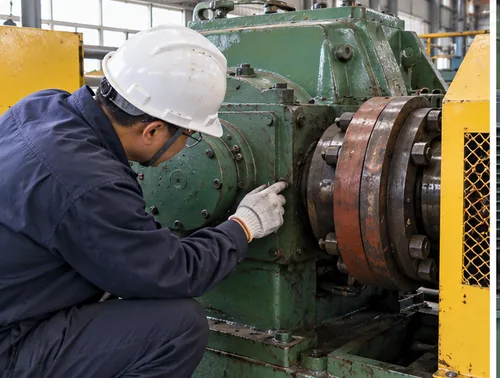
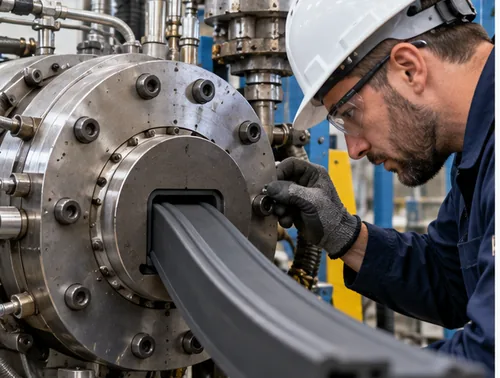
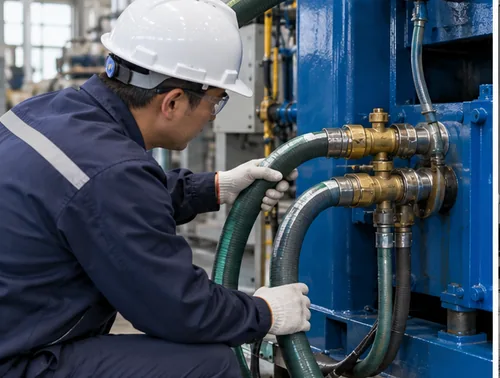
Images are generated illustrations of inspection themes. They do not show a specific machine offered for sale or prove its condition, configuration or availability.
Separate coating appearance from bond evidence
Calendering applies or forms rubber using rolls; fabric coating adds a substrate whose preparation and handling matter. A visually uniform coating is useful evidence of appearance, but it does not by itself establish the strength or consistency of the rubber-to-fabric bond. Ask which property the proposed demonstration is intended to prove.
The sheet’s product name uses Calendar, while the process is commonly written calendering. Confirm the offered arrangement and intended application from the supplier’s documents. This article focuses on sample evidence for coated fabric, rather than general machine selection, thickness measurement or winding scope.
Evaluate Rubber Calendar Machine in Punjab sample evidence
A retained sample becomes useful only when its identity and preparation history are known. Record the fabric reference, compound identification, relevant preparation, trial conditions available from the operator and subsequent treatment. Use the actual material records; do not substitute an invented formulation or a generic performance number.
Agree which party owns the test method and acceptance criterion. The buyer’s product requirements may call for a particular standard, customer method or laboratory procedure. A supplier’s familiar check can be informative without being the contractual acceptance test. Resolve that difference before the first sample is produced.
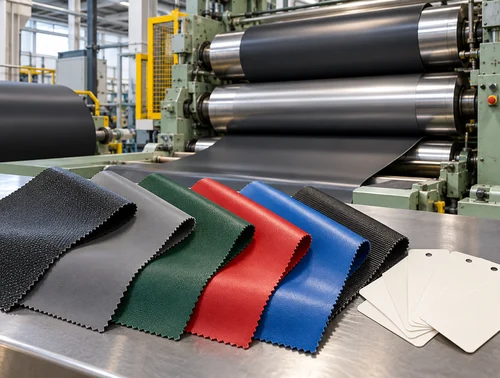
Compare sample routes and their limitations
The first table distinguishes demonstration evidence from qualification evidence. Each route has a purpose, but the scope should be stated honestly when comparing machinery offers.
| Sample route | Useful advantage | Trade-off |
|---|---|---|
| Visual demonstration | Shows visible coating behaviour | Does not establish bond performance |
| Identified workshop samples | Supports preliminary comparison | Method may differ from customer requirements |
| Traceable samples with agreed testing | Links trial to acceptance evidence | Needs planned materials, treatment and testing |
Plan representative sampling with the team
For a rubber calendar machine in Punjab, ask the production and quality teams where samples should be taken and which variations matter to the intended product. Consider positions across the fabric and stages of the trial where appropriate. The exact sampling plan should follow the agreed method and practical access conditions.
Preserve identifiers as samples move from the line to any later treatment and testing. A detached strip with no history can be difficult to interpret. Keep a chain linking the trial record, retained material and reported result. If a sample is damaged or its identity is uncertain, disclose that limitation instead of presenting it as valid acceptance evidence.
Control the variables around the machine
Fabric storage, preparation and contamination can influence the outcome. Compound condition and downstream treatment can also change how a coated sample performs. Ask the responsible process team to document these variables sufficiently to interpret the trial. Avoid blaming the machine before the materials and procedure have been reviewed.
A trial report should distinguish observations at the calender from later test results. For example, visible coating defects and a laboratory bond result answer different questions. A failed result may justify investigation, but it should not be converted into a confident diagnosis without supporting evidence. Keep corrective trials traceable to their changed conditions.
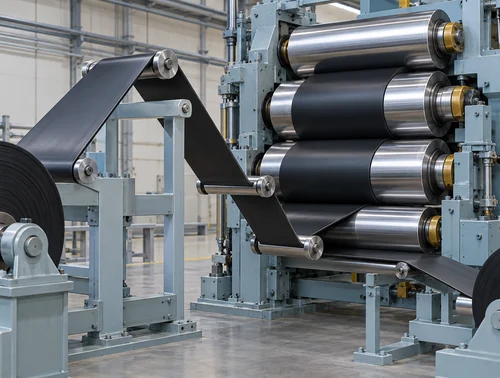
Choose testing that fits the acceptance question
Where an agreed laboratory test is required, confirm sample preparation, conditioning and reporting with the laboratory before dispatch. Request a report that identifies the specimens and test method. Do not describe the offered machine as certified merely because one set of samples was tested.
If only a preliminary workshop check is available, label it accordingly. It may help compare obvious behaviour or decide whether a formal trial is worthwhile. It cannot silently replace a contractual test. Record what remains unverified and whether the decision is provisional, conditional or ready for the next acceptance stage.
| Scope item | If buyer owns it | If supplier owns it |
|---|---|---|
| Fabric and compound | Direct control of application materials | Confirm identity and representativeness |
| Sample retention | Buyer preserves comparison evidence | Agree access and storage responsibility |
| Testing | Buyer controls acceptance method | Confirm laboratory and reporting scope |
| Repeat trial | Plan internal resources | Define included work and exclusions |
Assign responsibilities in the quotation
When comparing a rubber calendar machine in Punjab, include materials, sample retention, laboratory work and repeat-trial responsibility in the written scope. Clarify which costs and tasks are included only after the supplier confirms them. This prevents a demonstration offer from being mistaken for a complete product-qualification package.
Agree how unsuccessful or inconclusive results will be handled. The response might be a revised process trial, further materials investigation or a change to the proposed scope. Define ownership of records and samples so both parties can review the same evidence. Avoid promises about every fabric and compound combination.
Related articles and test references
Read the web-handling and winding guide and thickness-evidence guide for adjacent decisions. They complement adhesion qualification without replacing it.
The ISO 2411:2024 coating-adhesion standard page identifies a published method for coated-fabric adhesion. Ask your quality team or laboratory to confirm the current applicable method; no numerical acceptance value is asserted here.
Request an evidence-led trial
Send Vatsn Tecnic the fabric application, compound information you can share and the quality method your team uses. Request the offered machine configuration and a written trial scope. Confirm availability and all acceptance responsibilities for the actual offer before treating a demonstration as qualification.
To read More about Rubber Making Machine Visit Here:
https://www.indiamart.com/vatsntecnic/profile.html
Buyer FAQs
Does a smooth coating prove adhesion?
No. Appearance and bond performance are different properties and need appropriate evidence.
Should trials use my intended fabric?
Use representative materials agreed with the process team. Record any differences that limit the result’s applicability.
Can I choose an acceptance number from a competing article?
No. Use your product requirements and an applicable method agreed by the responsible quality team.
Why retain samples?
Retained, identified samples support later review and help connect reported results with the actual trial.
Does the machine alone determine adhesion?
No. Materials, preparation, contamination and downstream treatment can influence the result.
Is a workshop peel check a laboratory test?
Only if it follows the agreed method with the required controls. Otherwise describe it as preliminary evidence.
What if a sample fails?
Investigate the materials, procedure and machine observations before assigning a cause or deciding corrective work.
What should the quotation clarify?
Specify material supply, sample identity, testing, records, repeat-trial responsibilities and confirmed exclusions.