 Rubber Hot Feed Extruder
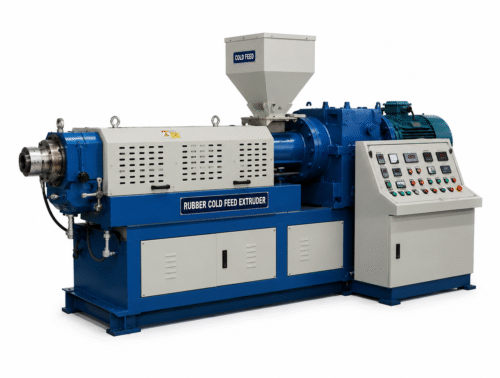 Rubber Cold Feed Extruder
 Rubber Strainer – Reclaim Extruder
 Reclaim Rotary Autoclave
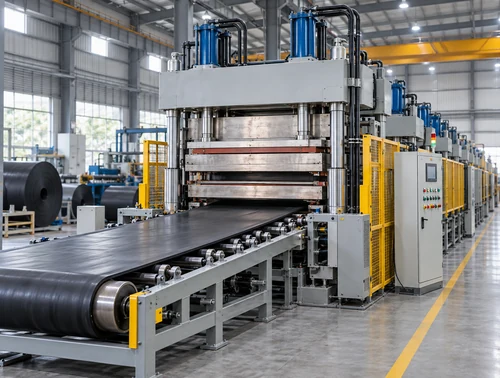
 Compression Molding
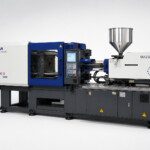 Injection Molding
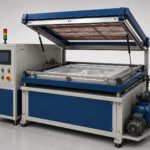 Vacuum Molding
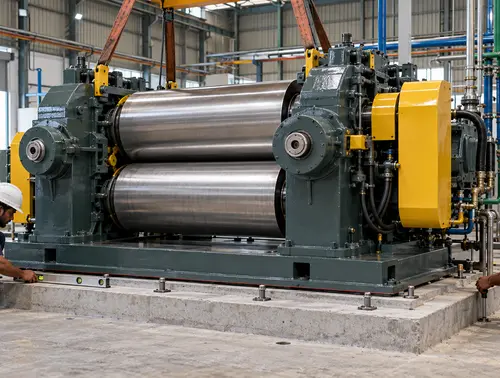
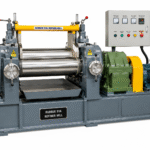 Rubber EVA Refiner Mill
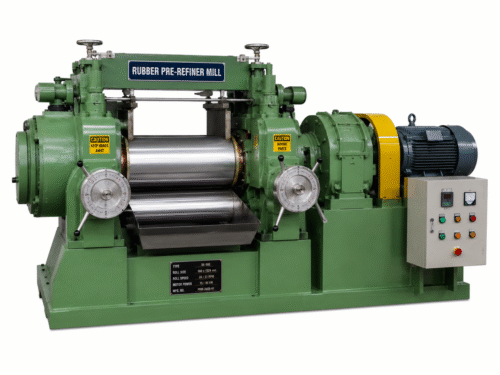 Rubber Pre-Refiner Mill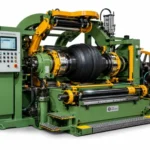
 Tire Building Machine
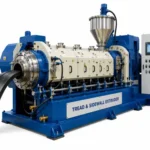 Tread & sidewall Extruder
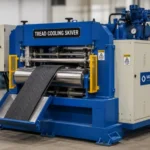 Tread Cooling skiver
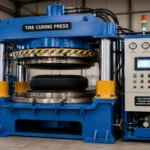 Tire curing press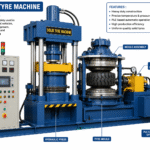
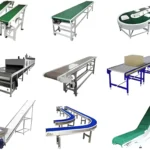
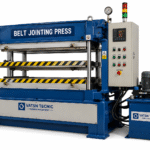 BELT JOINTING PRESS
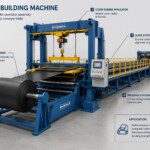 Belt Building Machine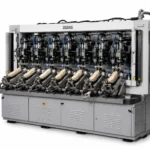
 Eva Footwear Injection Molding Machines
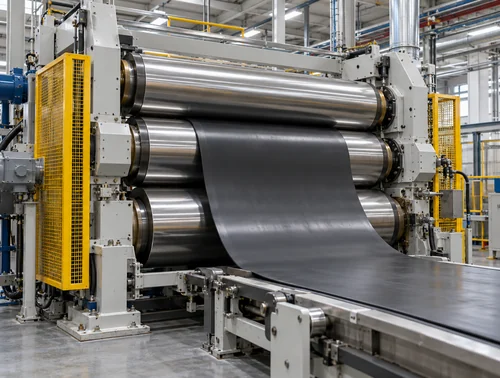
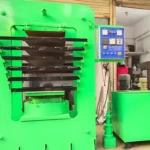 Hawaii Slipper Sole Sheet Machine
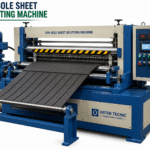 Eva Sole Sheet Splitting
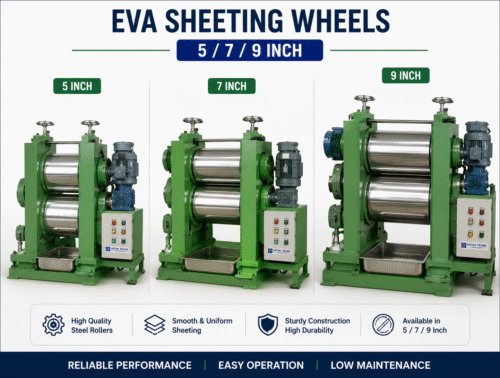 Eva Sheeting Wheels 5/7/9
 PVC Flooring Machine
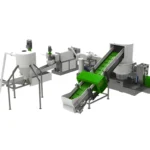 Plastic Pelletizing Line
 Filler / Masterbatch / PVC / TPR / EVA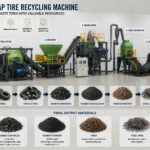
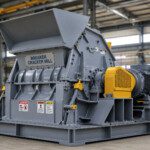 Breaker – Cracker Mill
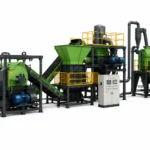 Shredder – Rasper Machines
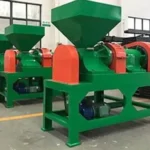 Waste Rubber Crumb Grinder Mill
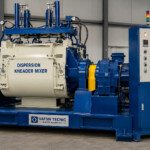
Compare Rubber Dispersion Kneader in Faridabad: Validate Usable Batch Size

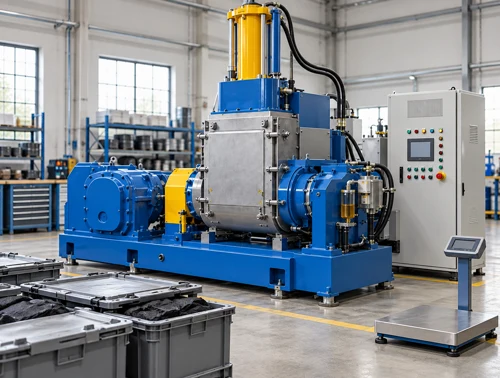
When comparing a rubber dispersion kneader in Faridabad, validate usable batch size with your actual compound, documented capacity definitions and a witnessed trial. A litre label alone does not establish kilograms per batch. Agree on recipe, weighing, temperature records, sample tests and acceptance criteria before treating a supplier’s capacity statement as a purchase commitment.
This guide is for production managers buying a kneader for an established recipe range. Its purpose is to turn a capacity conversation into a repeatable acceptance test. For broader purchasing checks, see our dispersion kneader buying guide.
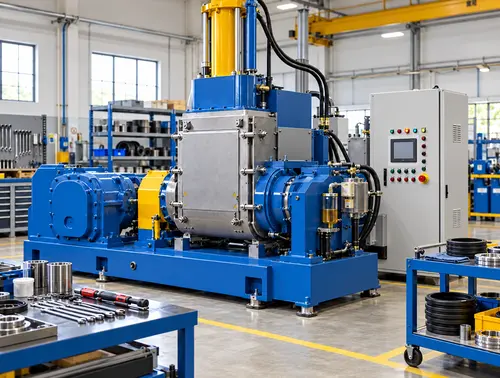
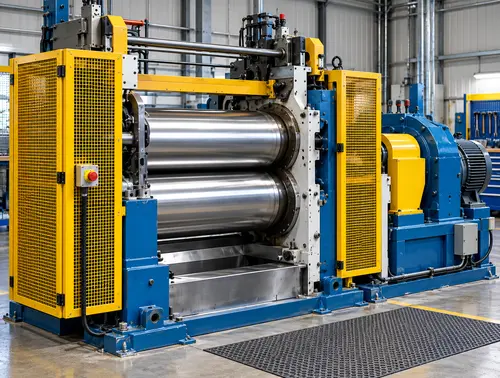
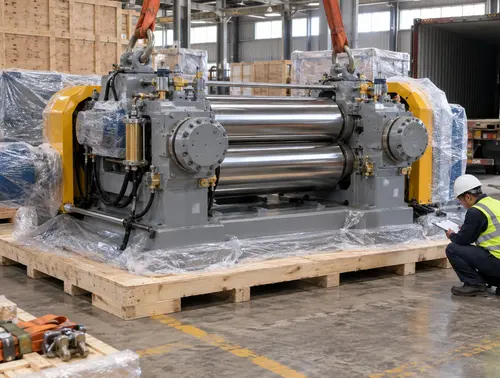
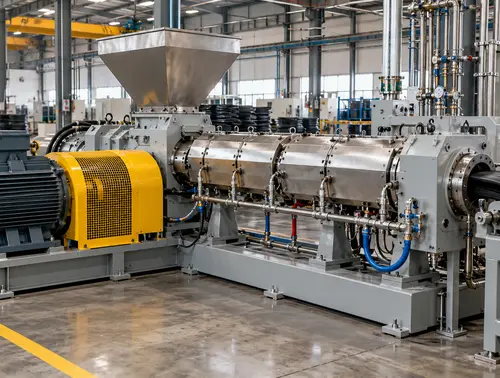
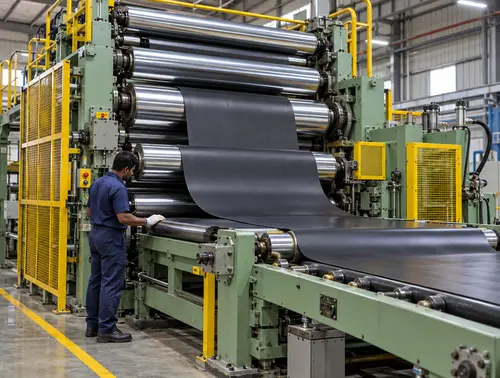
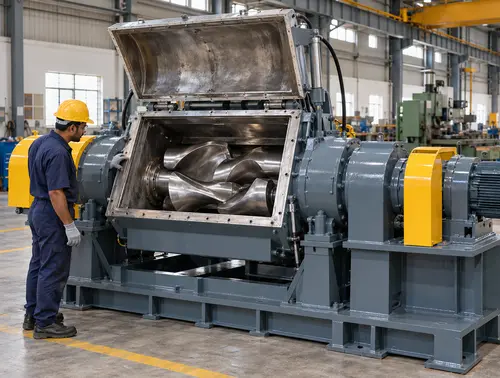
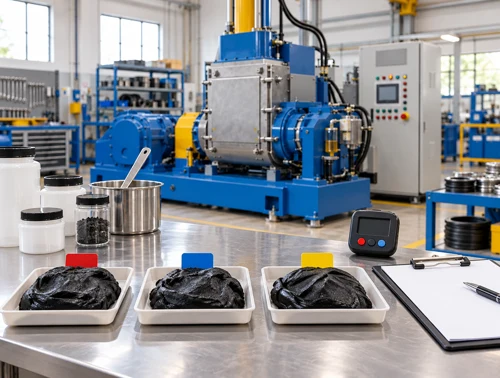
The featured image is a generated illustration, not evidence of a specific machine’s condition or availability.
Rubber dispersion kneader in Faridabad: define the capacity first
Ask what the quoted volume describes: total chamber space, effective mixing space or recommended working capacity. These terms should be defined for the specific model. Moriyama’s manufacturer specifications list total and working capacities separately, demonstrating why one number cannot substitute for the other. Those specifications describe Moriyama models, not equipment offered by Vatsn Tecnic.
Batch mass depends on the compound’s density and usable occupied volume. A fill factor expresses the proportion of a defined volume occupied by the batch. Do not apply a universal percentage or apply another reduction to a published working capacity without understanding its definition. Ask the manufacturer or a competent process engineer to confirm the calculation basis.
| Capacity evidence | Advantage | Limitation |
|---|---|---|
| Advertised litre label | Quick preliminary shortlist | May not define usable space or recipe suitability |
| Model documentation | Clarifies chamber and working capacity | Does not establish results with your compound |
| Witnessed recipe trial | Connects batch weight with accepted samples | Represents the tested conditions and machine only |
Write a recipe envelope before requesting quotations
A single successful compound does not validate every future formulation. Describe your main recipe families, the smallest routine batch, the largest intended batch and the quality tests needed downstream. Include relevant material differences, such as polymer type, filler loading and the handling form of ingredients, while protecting confidential formulation details.
- Identify which recipes need direct testing and which are only proposed applications.
- Record ingredient weighing requirements and traceability expectations.
- Specify required sample evaluation through your laboratory or an agreed independent laboratory.
- Ask whether cooling, feeding and discharge equipment are included in the quotation.
Share this brief when reviewing rubber processing machinery. Keep purchase decisions tied to the particular machine’s documented configuration, rather than a general category description.
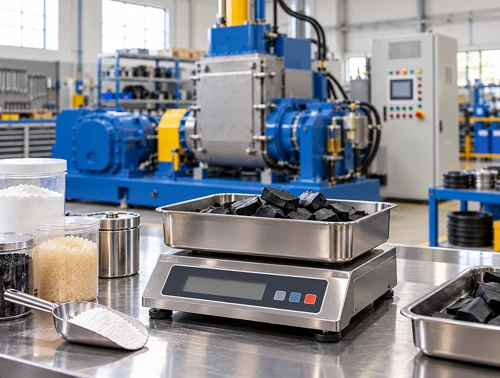
Run a witnessed batch acceptance trial
Agree on the conditions before mixing
Record the machine identity, rotor configuration, control settings and available utilities. Confirm weighing equipment and temperature instruments have suitable verification records. The seller should provide the approved operating procedure and identify who is authorized to operate the machine. Keep guards and interlocks effective; inspection access requires appropriate isolation.
- Weigh and record each ingredient against the agreed recipe.
- Record charging order, relevant settings, start conditions and mixing observations.
- Log the agreed process measurements, including temperature and cycle stages.
- Weigh discharged material and account for retained material or handling losses.
- Label samples so laboratory results can be traced to each batch.
- Repeat the agreed trials and record changes instead of silently correcting the recipe.
Decide the acceptance limits with your technical team before the demonstration. Visual appearance can reveal obvious problems, but it cannot replace the agreed laboratory evaluation. Record failed and interrupted trials alongside successful ones.
Separate batch weight from sustained output
A batch that mixes successfully does not establish hourly saleable output. Charging, discharge, cooling, cleaning, sampling and downstream handling all occupy time. Calculate production planning assumptions from observed stages and accepted material, with allowances agreed for your operation. Avoid converting one demonstration into a guaranteed production figure.
Compare candidate machines on the same test basis
| Comparison choice | Useful trade-off | Buyer check |
|---|---|---|
| Smaller working capacity | May fit short recipe runs; may require more cycles | Validate routine small batches and total handling time |
| Larger working capacity | May fit larger batches; minimum useful load needs validation | Test your smallest routine recipe, not just maximum loading |
| Used or refurbished unit | Condition and configuration may affect the decision | Link trial records to the offered machine and repair evidence |
A larger chamber should not win merely because its label is larger. Compare accepted samples, recorded cycle stages, utilities and operating requirements. For condition evidence, read our kneader refurbishment evidence checklist.
Put the result into the purchase scope
The acceptance document should identify the tested machine, recipe references, agreed batch range, settings, sample results and unresolved exceptions. State whether another trial is required after installation. Record the responsibilities for utilities, operator training and supporting equipment without assuming they are included.
If a trial fails, seek a documented explanation and retest plan before revising the buying decision. Avoid accepting a verbal promise that a different motor or recipe will solve the issue. Our kneader service considerations explain why mechanical condition also deserves attention.
To compare a rubber dispersion kneader in Faridabad, contact Vatsn Tecnic with your recipe envelope and acceptance checklist. Request machine-specific documentation and written trial terms. Confirm price, availability and any support commitments directly for the offered unit.
To read More about Rubber Making Machine Visit Here:
https://www.indiamart.com/vatsntecnic/profile.html
Buyer FAQs
Is chamber volume the same as batch weight?
No. Volume and mass are different quantities; recipe density and usable capacity definitions matter.
Can I use a standard fill factor?
Use only a basis confirmed for the machine, rotor configuration and compound by the responsible technical team.
Should a working-capacity figure be reduced again?
Clarify its definition first. An additional arbitrary reduction can misrepresent the manufacturer’s stated capacity.
Does one recipe trial cover all compounds?
No. Define which recipe families require separate testing and document the limits of each trial.
Why test a small batch?
Your smallest routine production batch also needs acceptable mixing results within approved operating conditions.
Can video establish quality acceptance?
Video supports traceability, but labelled samples and agreed test results are needed for quality acceptance.
Does batch capacity prove hourly output?
No. Include charging, discharge, cooling, handling and accepted material when assessing production requirements.
What should accompany the purchase decision?
Machine identification, capacity definitions, witnessed records, laboratory results, exceptions and written responsibilities should accompany it.