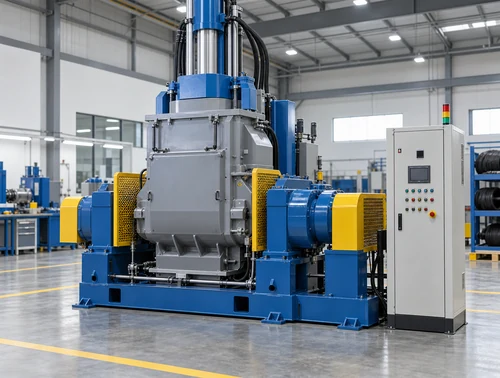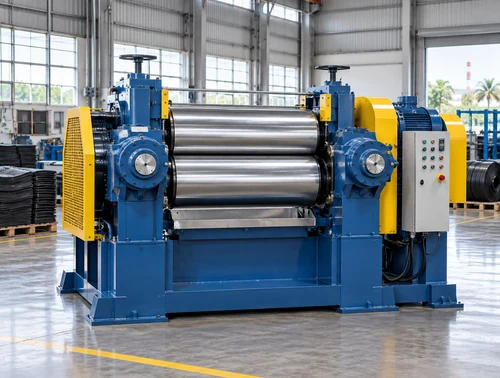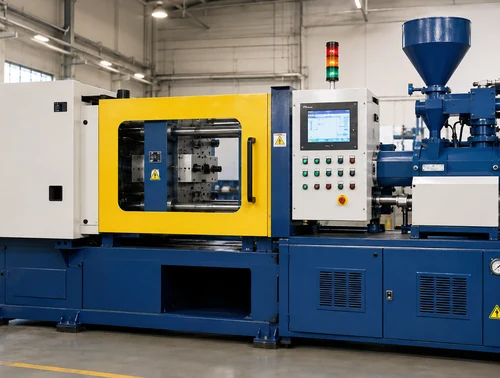
 Rubber Hot Feed Extruder
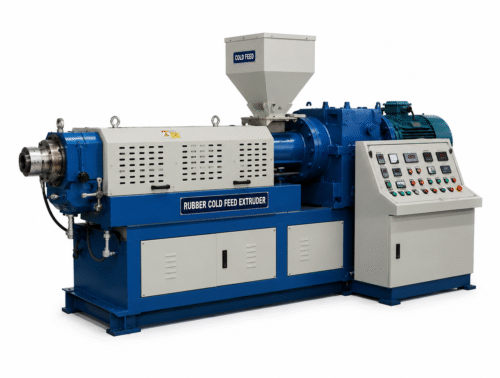 Rubber Cold Feed Extruder
 Rubber Strainer – Reclaim Extruder
 Reclaim Rotary Autoclave
 Compression Molding
 Injection Molding
 Vacuum Molding
 Rubber EVA Refiner Mill
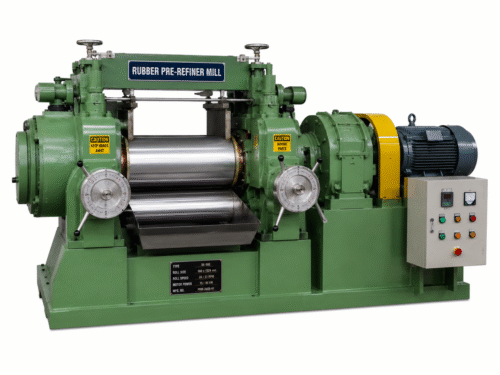 Rubber Pre-Refiner Mill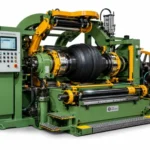
 Tire Building Machine
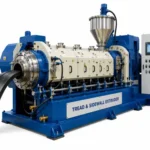 Tread & sidewall Extruder
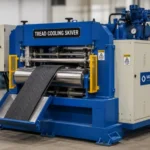 Tread Cooling skiver
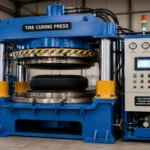 Tire curing press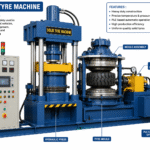
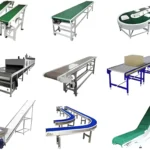
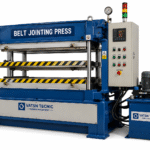 BELT JOINTING PRESS
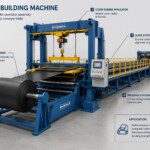 Belt Building Machine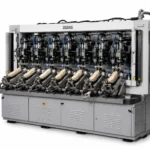
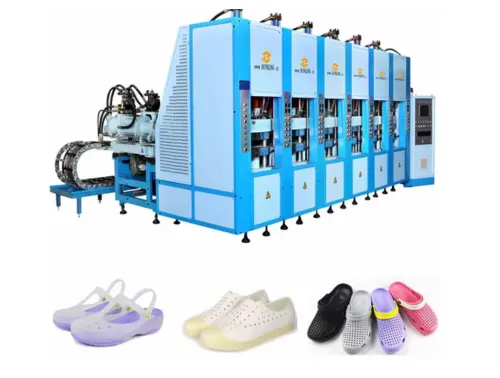
 Eva Footwear Injection Molding Machines
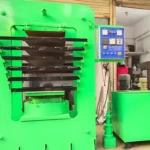 Hawaii Slipper Sole Sheet Machine
 Eva Sole Sheet Splitting
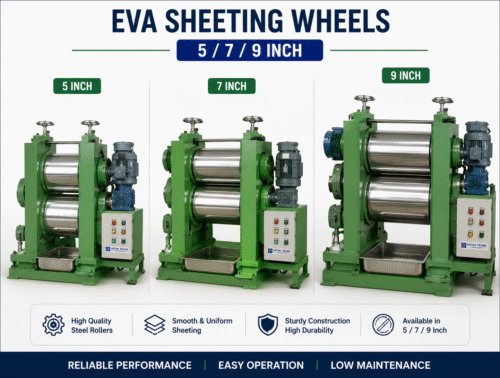 Eva Sheeting Wheels 5/7/9
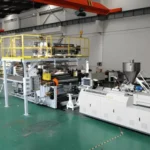 PVC Flooring Machine
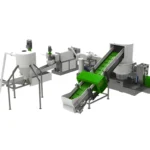 Plastic Pelletizing Line
 Filler / Masterbatch / PVC / TPR / EVA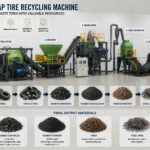
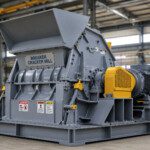 Breaker – Cracker Mill
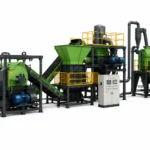 Shredder – Rasper Machines
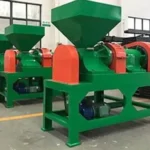 Waste Rubber Crumb Grinder Mill
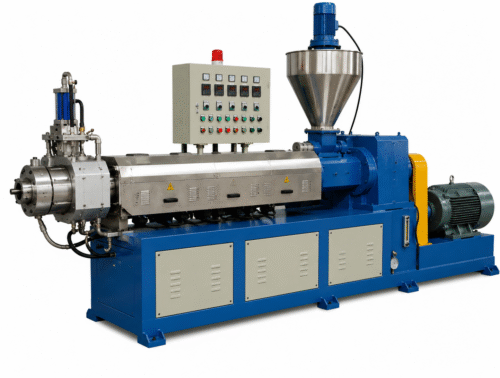
Compare Rubber Extruder Machine in Hyderabad: How to Verify Energy Claims

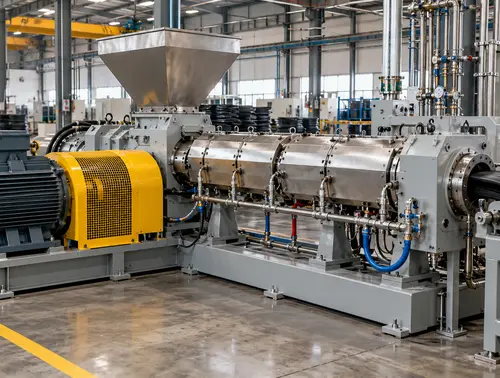
A rubber extruder machine in Hyderabad should be assessed for energy use through a recorded trial with a defined measurement boundary and acceptable output. Motor nameplate power is not an electricity-consumption result. Ask what equipment was measured, which material was processed and how much saleable product the trial produced before accepting an efficiency claim.
This guide helps buyers compare energy evidence in quotations. It does not assign a consumption figure or savings promise to any machine. For a separate mechanical-condition check, see our extruder screw and barrel inspection article.
Rubber extruder machine in Hyderabad: define the measurement boundary
Start by drawing a boundary around the equipment included in the test. Does the reading cover only the extruder, or also cooling, feeding and downstream handling? If a hot-feed process relies on upstream preparation, identify whether that stage is excluded. Keep the boundary consistent when comparing offers.
Research published in Ulster University’s polymer extrusion study record identifies drive motors, heaters and auxiliaries as energy users and describes the relationship between machine, material and process conditions. The study supports measuring the whole defined process. It does not establish a benchmark or guaranteed result for a particular rubber extruder.
Ask for a trial record, not a slogan
- Machine identity and included auxiliaries.
- Material, preparation and product being made.
- Test duration and whether startup was included.
- Energy measurement method and boundary.
- Accepted output, rejected output and quality checks.
If these details are absent, classify the claim as unverified. Ask for evidence without assuming the equipment is inefficient. The purpose is a fair purchase comparison, not a contest between unsupported marketing statements.
Compare common types of energy evidence
| Evidence | Useful purpose | Limitation |
|---|---|---|
| Motor nameplate rating | Identifies a component rating for technical review. | Does not show actual trial energy consumption. |
| A current reading or dashboard screenshot | Can support investigation of operating conditions. | Does not alone establish energy per accepted output. |
| Metered trial with output records | Allows a defined, repeatable purchase comparison. | Needs consistent boundaries, quality and test conditions. |
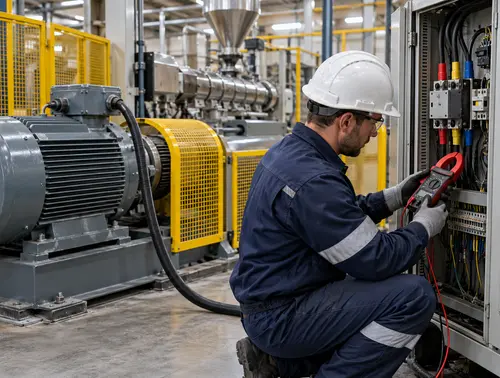
Have a competent electrical professional select and install any measurement equipment. Buyers should not open energised panels or improvise connections. Ask whether the reported reading is suitable for the intended calculation and retain the measurement setup with the trial report.
Separate startup, steady operation and interruptions
Decide whether you want to compare a stable production run, a complete batch campaign or both. A trial that excludes startup can answer a useful question, but it may not represent frequent short production runs. Record the treatment of warmup, pauses, changeovers and shutdown so that the result has a clear meaning.
Use the same production objective for each shortlisted offer. Agree the material, die or product requirement, quality checks and observation period before testing. If a supplier changes a condition to obtain an attractive reading, record the change and decide whether the result still answers your purchasing question.
Relate electricity use to accepted product
For a defined period, specific energy can be expressed as measured kilowatt-hours divided by kilograms of accepted output. Keep rejected or trial material visible in the record rather than quietly including it as saleable production. Where another output unit is more appropriate, use it consistently and state it clearly.
Do not calculate a purchasing conclusion from energy alone. A low reading accompanied by unacceptable product is not a useful production result. Ask your quality team to approve the product assessment and your technical reviewer to assess whether the reported operating conditions are appropriate.
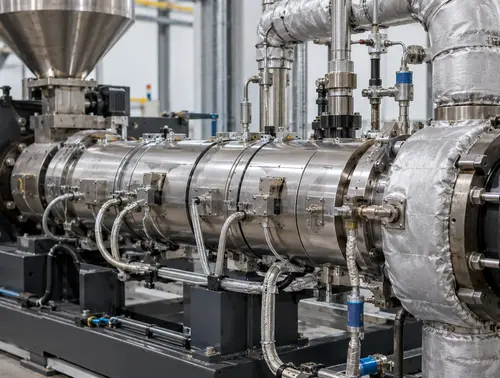
Compare narrow and complete trial boundaries
| Boundary | Advantage | Trade-off |
|---|---|---|
| Extruder only | Helps isolate the machine’s measured demand. | Leaves supporting equipment outside the result. |
| Extrusion cell and dedicated auxiliaries | More closely reflects a defined production cell. | Shared utilities require a clear allocation method. |
| Complete production campaign | Includes agreed startup and changeover effects. | Takes more preparation and must match the expected workload. |
Choose the boundary before requesting a result. When suppliers cannot measure the same boundary, list the differences explicitly rather than ranking unmatched numbers. It may be better to request another test than to build an investment case on incomparable evidence.
Translate trial evidence into a quotation discussion
Ask the supplier which configuration and operating conditions the claim applies to. Identify any proposed control or auxiliary changes and request their scope, compatibility assessment and commercial terms. Do not assume an optional upgrade will produce a particular saving without application-specific evidence.
Use your verified electricity tariff and expected production pattern when estimating operating cost. Have the relevant team review tariff components and shared utilities. Keep energy, maintenance, material losses and downtime as separate assumptions so that a change in one does not disappear inside a single optimistic payback figure.
- Agree the product and quality requirements.
- Set the measurement boundary and trial method.
- Record energy, accepted output and operating conditions.
- Identify differences between offers and repeat unclear tests.
- Use verified site assumptions for the commercial comparison.
When enquiring about a rubber extruder machine in Hyderabad, send Vatsn Tecnic your product requirement and energy-evidence questions through the contact page. Review the rubber processing machinery category for related equipment, then request details for the actual offered unit.
To read More about Rubber Making Machine Visit Here:
https://www.indiamart.com/vatsntecnic/profile.html
Buyer FAQs
Does a smaller motor prove lower production cost?
No. Compare a suitable process trial and accepted output. A component rating cannot establish the complete operating cost.
Can a dashboard photograph prove energy efficiency?
It provides limited context. Request the measurement method, period, equipment boundary and output records behind the displayed number.
Should startup energy be included?
Include it when the comparison concerns a complete campaign. If it is excluded, state that clearly and assess relevance to your workload.
What does energy per kilogram mean?
It is the measured energy divided by the specified output mass for the same period. State whether the denominator is accepted product.
Can different compounds be compared directly?
They may create an unfair comparison. Use representative materials and record differences before interpreting the results.
Are cooling pumps always inside the reading?
No. Check the actual measurement boundary and identify dedicated or shared utility equipment separately.
Who should install test meters?
A competent electrical professional should select and connect suitable equipment using appropriate site procedures.
Can this guide promise a saving?
No. A credible estimate needs verified trial results, product quality and site-specific commercial assumptions.