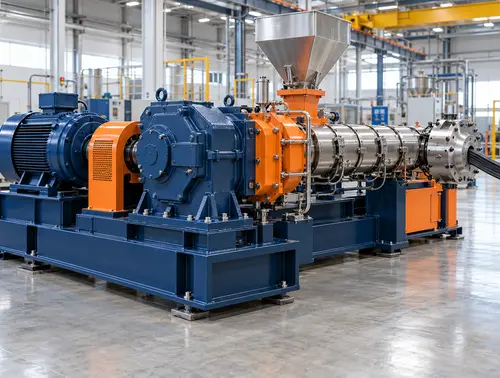
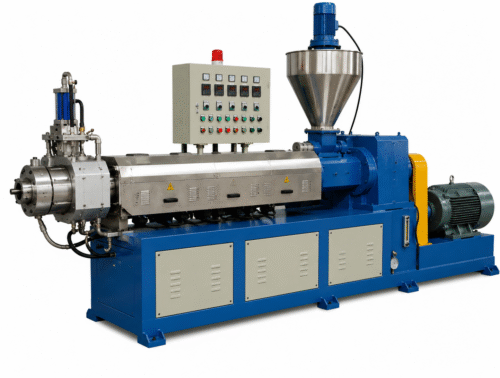
 Rubber Hot Feed Extruder
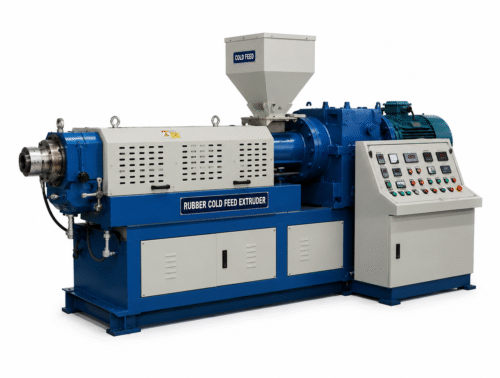 Rubber Cold Feed Extruder
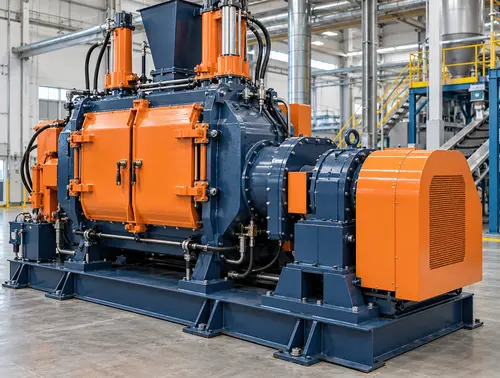
 Rubber Strainer – Reclaim Extruder
 Reclaim Rotary Autoclave
 Compression Molding
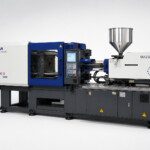 Injection Molding
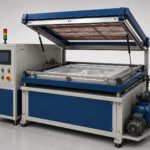 Vacuum Molding
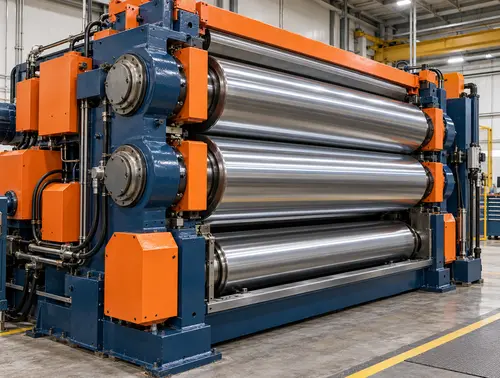
 Rubber EVA Refiner Mill
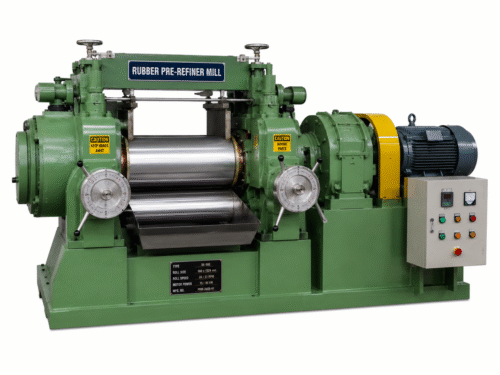 Rubber Pre-Refiner Mill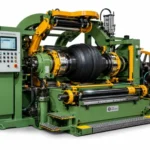
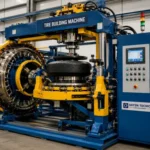 Tire Building Machine
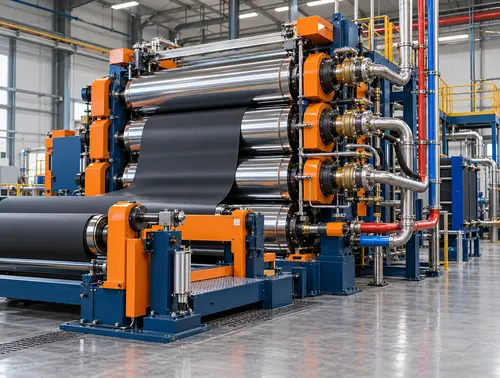
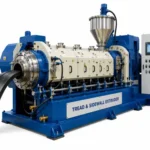 Tread & sidewall Extruder
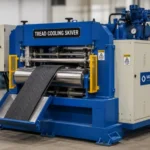 Tread Cooling skiver
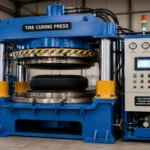 Tire curing press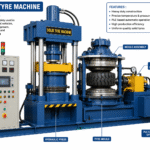
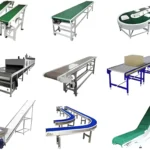
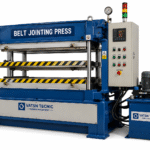 BELT JOINTING PRESS
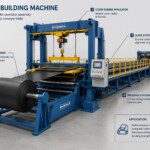 Belt Building Machine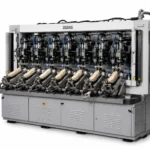
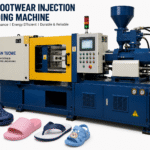 Eva Footwear Injection Molding Machines
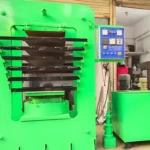 Hawaii Slipper Sole Sheet Machine
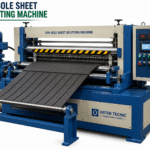 Eva Sole Sheet Splitting
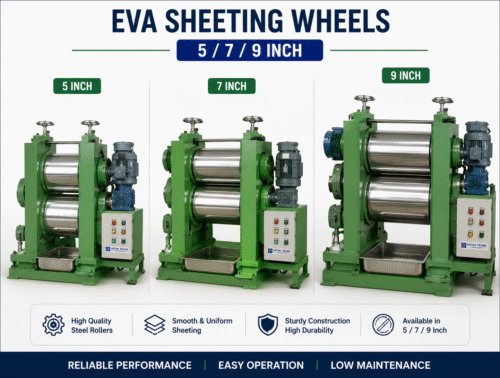 Eva Sheeting Wheels 5/7/9
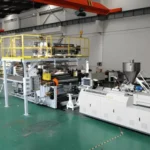 PVC Flooring Machine
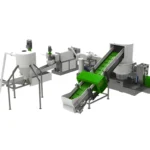 Plastic Pelletizing Line
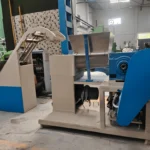 Filler / Masterbatch / PVC / TPR / EVA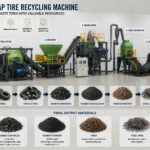
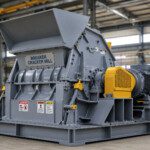 Breaker – Cracker Mill
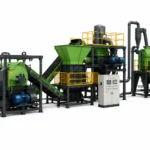 Shredder – Rasper Machines
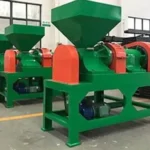 Waste Rubber Crumb Grinder Mill
Price Rubber Mixing Mill Manufacturer in Faridabad

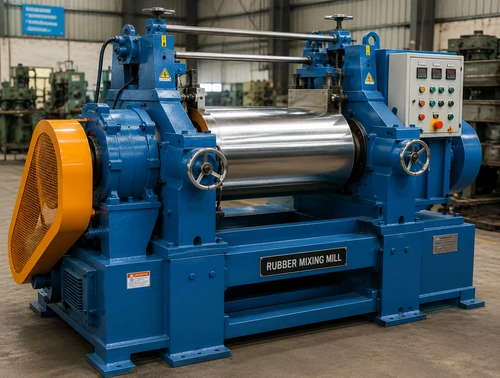
If you’re planning to start or expand a rubber manufacturing unit Rubber Mixing Mill Price, one of the first questions you’ll probably ask is, “How much does a rubber mixing mill cost, and where can I find a reliable manufacturer in Faridabad?” It’s a valid concern because choosing the right machine affects production quality, operating costs, and long-term profitability.
Faridabad has become one of North India’s leading industrial cities, with a strong presence in engineering, rubber processing, automotive components, and machinery manufacturing. Because of this, buyers from across India often explore the city when searching for a Rubber Mixing Mill or related industrial equipment.
This guide explains how rubber mixing mills work, what influences their price, why many businesses choose used machines, and what you should check before making a purchase.
What Is a Rubber Mixing Mill?
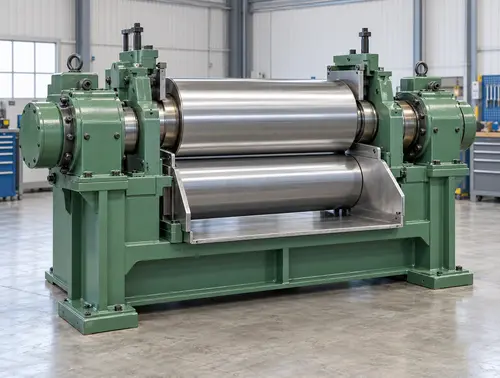
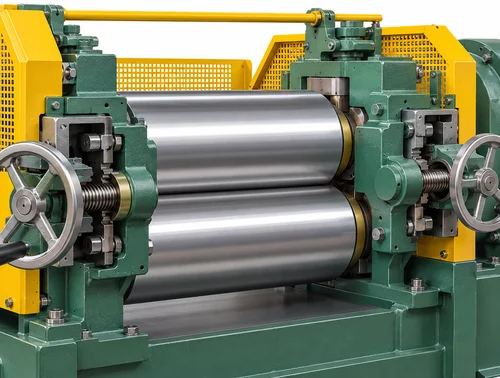
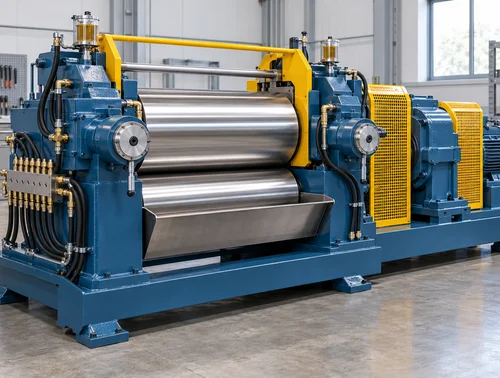
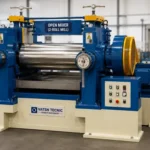
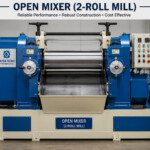
A Rubber Mixing Mill is an industrial machine used to blend raw rubber with chemicals, fillers, pigments, and other additives before the material moves to the next production stage.
The machine uses two heavy-duty rotating rollers that repeatedly compress and fold the rubber compound. This continuous action helps distribute ingredients evenly, creating a consistent mixture that improves the quality of the final product.
Many factories use rubber mixing mills for manufacturing:
- Tyres
- Footwear soles
- Rubber sheets
- Conveyor belts
- Rubber hoses
- Automotive rubber parts
- Industrial seals and gaskets
Although the machine looks simple, proper mixing directly affects product strength, flexibility, and durability.
How Does a Rubber Mixing Mill Work?
Understanding the process helps buyers choose the right machine for their production needs.
Step 1: Raw Material Loading
Natural rubber or synthetic rubber enters the rollers first.
Step 2: Chemical Addition
Operators gradually add fillers, carbon black, curing agents, oils, pigments, and other ingredients.
Step 3: Continuous Mixing
The rotating rollers repeatedly stretch and fold the compound until every ingredient blends uniformly.
Step 4: Temperature Monitoring
Experienced operators monitor roller temperature because excessive heat can reduce compound quality.
Step 5: Final Sheet Formation
After proper mixing, the rubber leaves the machine as a uniform sheet ready for extrusion, molding, calendaring, or further processing.
From practical industry experience, poor mixing usually creates defects much later in production. Many buyers focus only on machine size while ignoring roller condition, which often determines actual mixing quality.
Why Rubber Mixing Mills Remain Essential
Even with newer automation technologies, rubber mixing mills continue to play an important role in manufacturing Rubber Mixing Mill Price.
Many factories still rely on these machines because they provide excellent control over compound preparation.
Some practical advantages include:
- Consistent rubber compound quality
- Better production control
- Reliable heavy-duty operation
- Long machine life
- Easy operator training
- Lower maintenance compared to complex automated systems
Many mid-sized manufacturers prefer traditional mixing mills because experienced operators already understand their working process. This reduces training time and helps maintain production consistency.
What Affects the Price of a Rubber Mixing Mill?
One of the most common misconceptions is that machine size alone determines pricing. In reality, several factors influence the final cost.
| Price Factor | Why It Matters |
|---|---|
| Roller condition | Worn rollers reduce mixing performance. |
| Machine size | Larger mills handle higher production volumes. |
| Motor capacity | Higher power supports demanding applications. |
| Gearbox condition | Smooth transmission improves reliability. |
| Manufacturing quality | Better construction increases machine life. |
| Electrical system | Updated controls improve safety and operation. |
| Machine age | Well-maintained older machines often outperform neglected newer ones. |
Rather than comparing prices alone, buyers should compare machine condition, maintenance history, and production capability.
Why Many Businesses Choose Used Rubber Mixing Mills
Buying a used machine is no longer considered a compromise. In fact, many growing manufacturers intentionally purchase secondhand machinery because it offers practical financial advantages.
A properly maintained used Rubber Mixing Mill can continue operating efficiently for many years.
Common benefits include:
- Lower capital investment
- Faster return on investment
- Immediate machine availability
- Proven production performance
- Easier business expansion
- Lower depreciation
Many factory owners prefer investing the money saved on machinery into raw materials, skilled workers, or additional production equipment. This often creates better overall business growth than spending the entire budget on a brand-new machine.
Why Faridabad Is a Preferred Manufacturing Hub
Faridabad has earned a strong reputation in industrial manufacturing over several decades. The city offers excellent infrastructure, experienced engineering companies, and convenient transportation connections.
Businesses also benefit from easy access to Delhi, Gurugram, Noida, and other industrial markets across North India.
Major advantages include:
- Strong engineering ecosystem
- Skilled industrial workforce
- Established machinery manufacturers
- Excellent road connectivity
- Reliable logistics support
- Access to spare parts and industrial services
Because of these advantages, many buyers visit Faridabad when comparing different rubber processing machinery suppliers.
https://www.indiamart.com/vatsntecnic/profile.html
To read More about Rubber Processing Machine Visit Here.