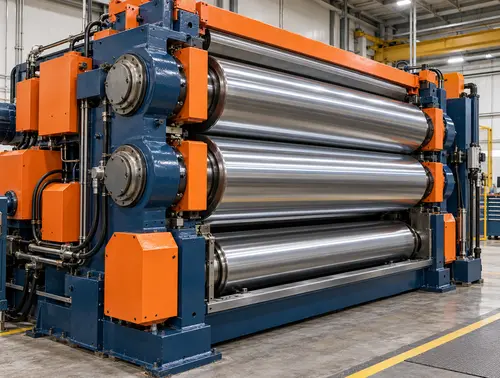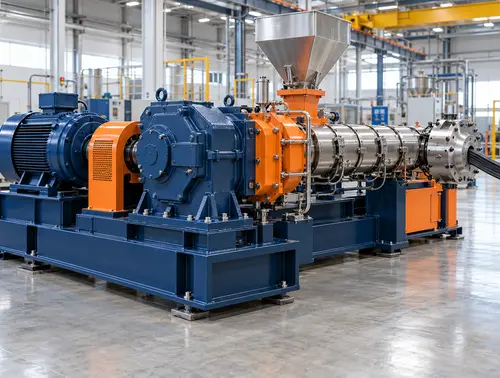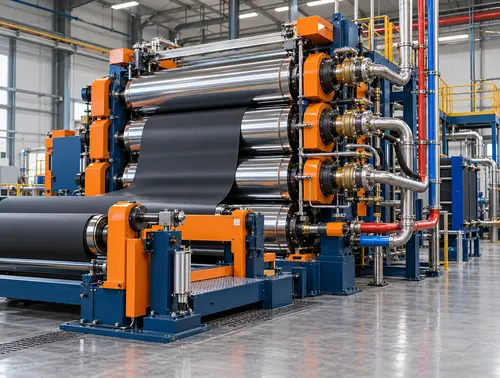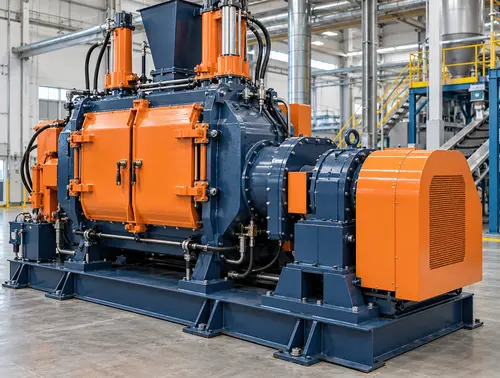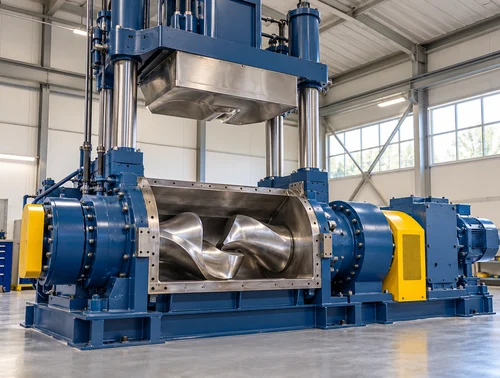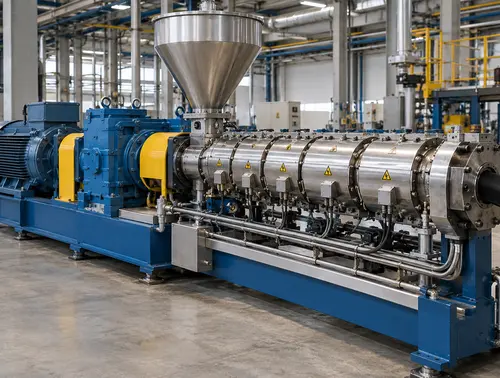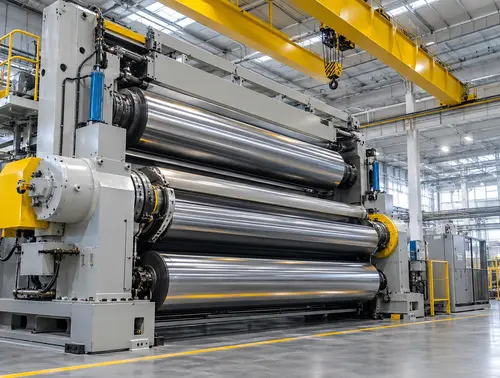
 Rubber Hot Feed Extruder
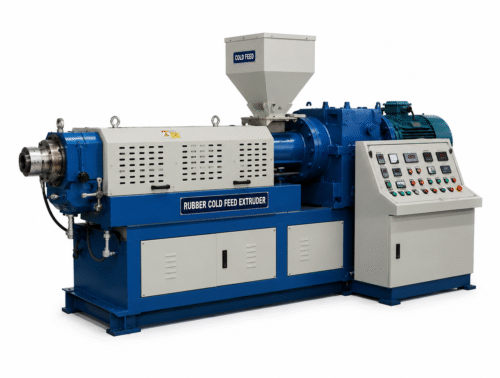 Rubber Cold Feed Extruder
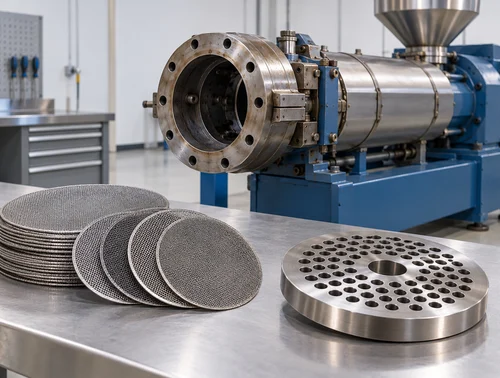
 Rubber Strainer – Reclaim Extruder
 Reclaim Rotary Autoclave
 Compression Molding
 Injection Molding
 Vacuum Molding
 Rubber EVA Refiner Mill
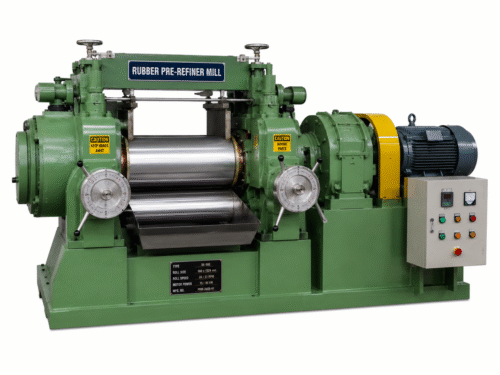 Rubber Pre-Refiner Mill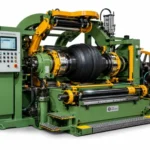
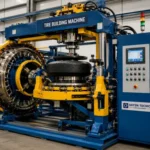 Tire Building Machine
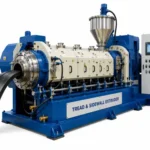 Tread & sidewall Extruder
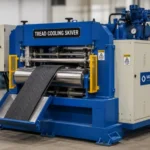 Tread Cooling skiver
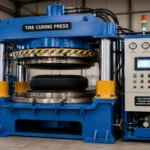 Tire curing press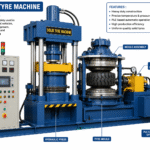
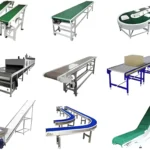
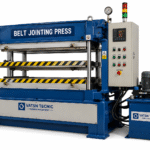 BELT JOINTING PRESS
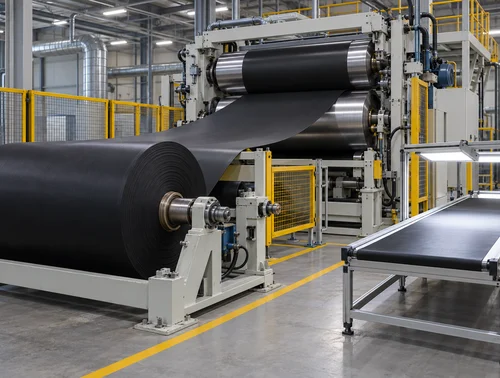
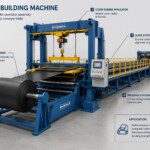 Belt Building Machine
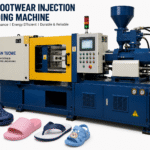 Eva Footwear Injection Molding Machines
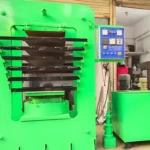 Hawaii Slipper Sole Sheet Machine
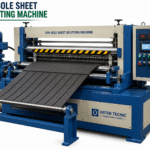 Eva Sole Sheet Splitting
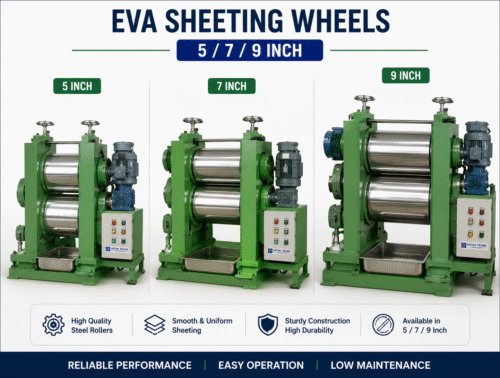 Eva Sheeting Wheels 5/7/9
 PVC Flooring Machine
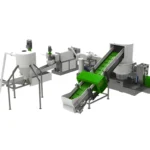 Plastic Pelletizing Line
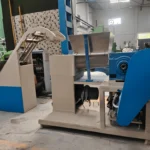 Filler / Masterbatch / PVC / TPR / EVA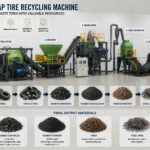
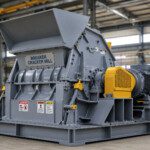 Breaker – Cracker Mill
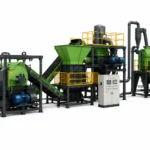 Shredder – Rasper Machines
 Waste Rubber Crumb Grinder Mill
Buy Rubber Mixing Mill Wholesaler in Patna

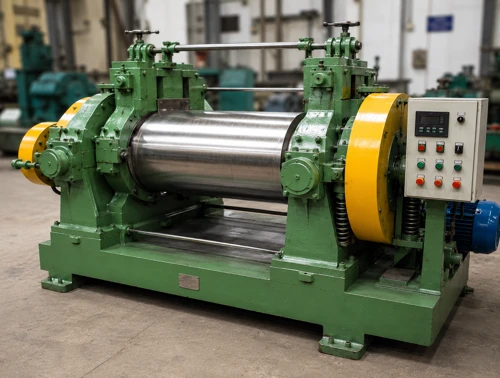
If you’re searching for a Rubber Mixing Mill wholesaler in Patna, you’re probably looking for a machine that offers reliable production without stretching your budget Rubber Mill Supplier Patna. Whether you’re planning a new rubber manufacturing unit or expanding an existing operation, choosing the right rubber mixing mill can directly impact production quality, operating costs, and long-term profitability Rubber Mill Supplier Patna.
Many buyers focus only on machine price during the purchasing process. Rubber Mill Supplier Patna However, from industry experience, machine condition, roller quality, gearbox performance, and after-sales support often matter much more than the initial purchase cost. This guide explains what a rubber mixing mill does, how it works, why many businesses choose used machines, and what buyers in Patna should consider before making a purchase.
What is a Rubber Mixing Mill?
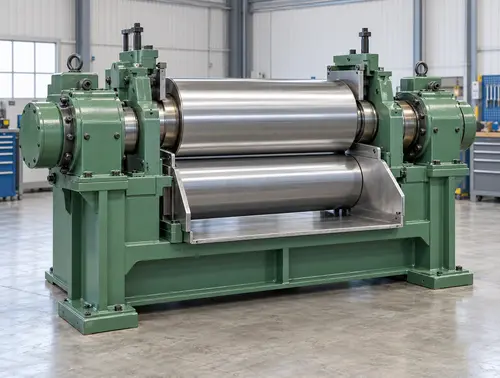
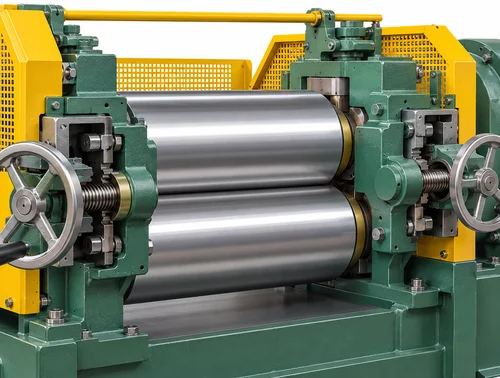
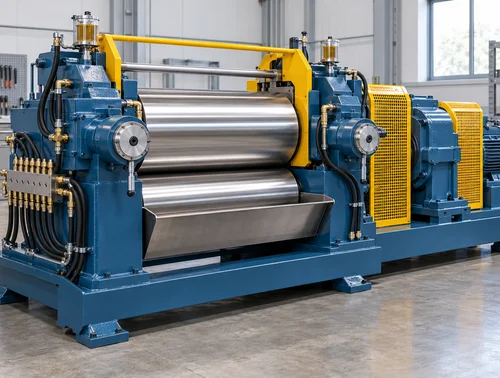
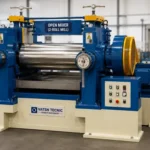
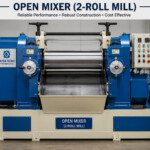
A Rubber Mixing Mill is one of the most important machines used in rubber processing. Its primary job is to mix raw rubber with chemicals, fillers, pigments, and other additives before further manufacturing.
The machine consists of two heavy rollers rotating at different speeds. As rubber passes through these rollers, materials blend together to create a uniform compound.
You’ll commonly find rubber mixing mills in:
- Rubber sheet manufacturing units
- Tyre and tube factories
- Footwear production facilities
- Conveyor belt manufacturing plants
- Industrial rubber component factories
Many small and medium manufacturers still rely on mixing mills because they provide flexibility and consistent compound preparation.
How Does a Rubber Mixing Mill Work?
The working principle is straightforward, but proper operation requires experience.
Step 1: Raw Material Feeding
Operators feed raw rubber into the rotating rollers.
Step 2: Addition of Chemicals
Carbon black, oils, accelerators, and other ingredients are added gradually.
Step 3: Mixing Process
The rollers continuously knead and blend the material until a uniform compound develops.
Step 4: Sheet Formation
The mixed rubber is formed into sheets for further processing.
Step 5: Downstream Production
The prepared compound moves to extruders, molding presses, calenders, or other production equipment.
In many factories, production quality problems begin with poor mixing. That’s why experienced manufacturers pay close attention to mixing mill condition and roller performance.
Benefits of a Rubber Mixing Mill for Manufacturing Businesses
A good rubber mixing mill contributes directly to production efficiency.
Consistent Rubber Compound Quality
Proper mixing creates uniform material characteristics, reducing product defects.
Better Production Control
Operators can monitor and adjust the mixing process according to product requirements.
Suitable for Multiple Applications
A single machine can support different types of rubber compounds and products.
Long Service Life
Well-maintained machines often operate reliably for many years.
Strong Return on Investment
Many businesses recover their machinery investment faster because mixing mills remain a core production asset.
What Affects the Price of a Rubber Mixing Mill?
Machine pricing depends on several factors rather than one fixed number.
| Factor | Impact on Price |
|---|---|
| Machine Size | Larger mills generally cost more |
| Roller Condition | Better rollers increase value |
| Brand and Origin | Reputed manufacturers command higher prices |
| Gearbox Condition | Major influence on machine value |
| Refurbishment Status | Refurbished units often cost more |
| Production Capacity | Higher capacity increases pricing |
One common mistake buyers make is focusing only on appearance. A freshly painted machine may still have worn mechanical components. Always inspect operational condition first.
Why Many Buyers Choose Used Rubber Mixing Mills
The demand for used machinery continues growing across India, including Patna.
Many manufacturers prefer used machines because they offer practical advantages.
Lower Investment Requirement
A used rubber mixing mill usually costs significantly less than a new machine.
Faster Availability
New machinery often involves manufacturing and delivery delays. Used machines are generally available immediately.
Proven Industrial Performance
Many older industrial machines were built for long operational life and continue performing well when maintained properly.
Easier Business Expansion
Companies can increase production capacity without large capital expenditure.
From a buyer’s perspective, a properly inspected used machine often delivers better value than an entry-level new machine.
Rubber Industry Opportunities in Patna
Patna and surrounding industrial regions continue seeing growth in manufacturing activities. Infrastructure development, industrial expansion, and increasing demand for rubber products create opportunities for machinery buyers.
Several sectors regularly use rubber processing equipment:
- Footwear manufacturing
- Industrial rubber products
- Automotive component production
- Rubber sheet manufacturing
- Small-scale rubber processing units
As local manufacturing activity expands, demand for reliable rubber processing machinery is expected to remain strong.
Buying Checklist for Rubber Mixing Mill Buyers
Before finalizing a purchase, review the following points carefully.
Machine Inspection Checklist
- Check roller wear condition
- Inspect gearbox performance
- Examine bearings and lubrication systems
- Verify motor specifications
- Review machine maintenance history
- Request a machine trial if possible
- Confirm spare part availability
- Inspect electrical systems
Skipping inspection can create expensive problems later.
Common Mistakes Buyers Should Avoid
Many first-time buyers repeat the same mistakes.
- Purchasing solely based on price
- Ignoring machine testing
- Overlooking transportation planning
- Not checking spare part availability
- Failing to inspect gearbox condition
In many cases, these issues lead to higher maintenance expenses after installation.
Frequently Asked Questions
Is a used Rubber Mixing Mill reliable?
Yes. A properly maintained machine can deliver dependable performance for many years.
Which industries use Rubber Mixing Mills?
Rubber processing, footwear manufacturing, tyre production, conveyor belt manufacturing, and industrial component production.
What should I inspect before buying a used machine?
Focus on rollers, gearbox, motor condition, bearings, and overall operational performance.
Is a used machine better than a new machine?
It depends on your budget and production requirements. Many businesses prefer quality used machinery because of lower investment costs.
Conclusion
Finding the right Rubber Mixing Mill wholesaler in Patna requires more than comparing prices. Buyers should evaluate machine condition, supplier reputation, technical support, and long-term operating value.
For many manufacturers, a properly inspected used rubber mixing mill offers an excellent balance of affordability and performance. When chosen carefully, it can support production growth while helping businesses manage costs effectively.
Companies such as VatsnTecnic continue supporting manufacturers with used, secondhand, and refurbished rubber processing machinery for various industrial applications across India.
https://www.indiamart.com/vatsntecnic/profile.html