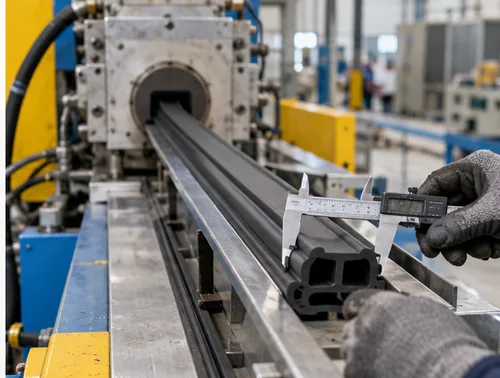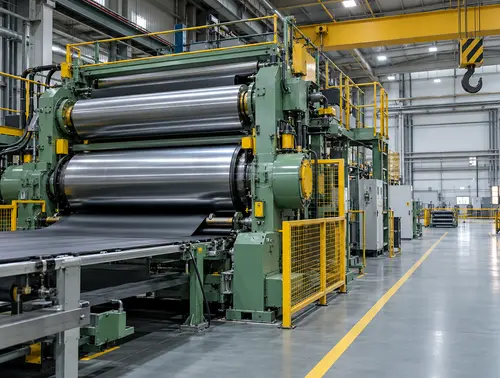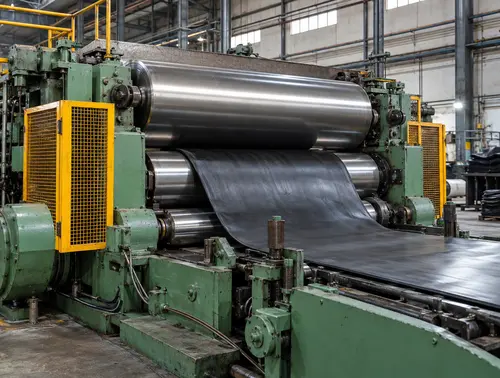
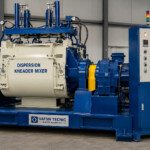

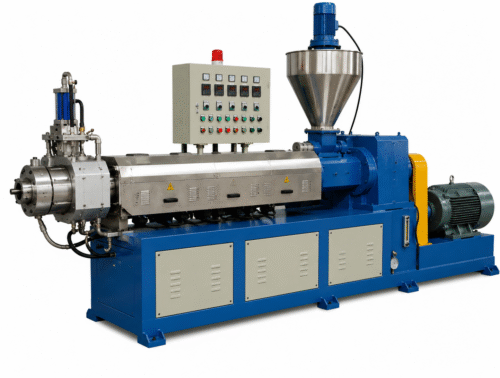
 Rubber Hot Feed Extruder
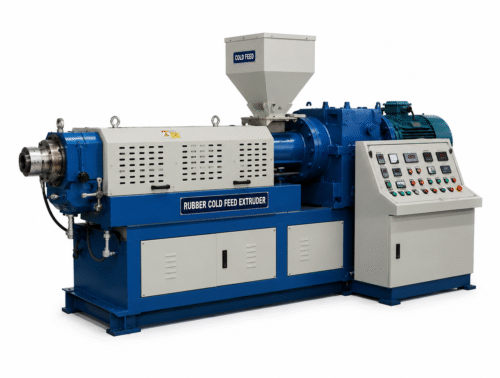 Rubber Cold Feed Extruder
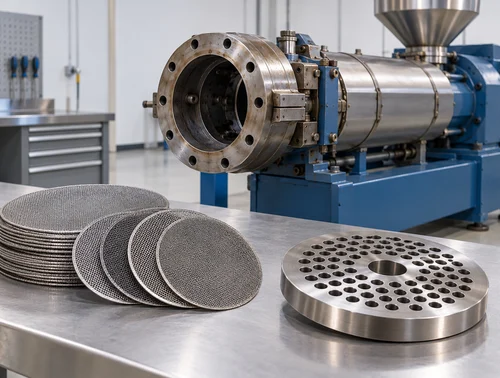
 Rubber Strainer – Reclaim Extruder
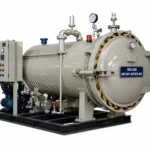 Reclaim Rotary Autoclave
 Compression Molding
 Injection Molding
 Vacuum Molding
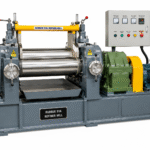 Rubber EVA Refiner Mill
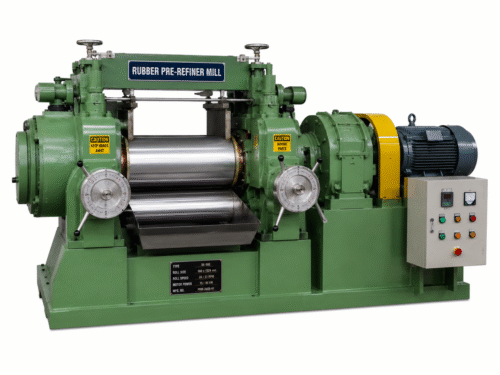 Rubber Pre-Refiner Mill
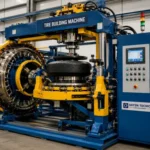 Tire Building Machine
 Tread & sidewall Extruder
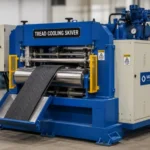 Tread Cooling skiver
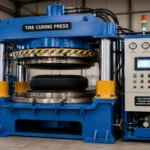 Tire curing press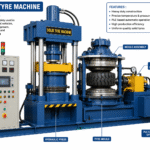
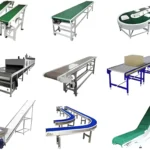
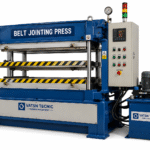 BELT JOINTING PRESS
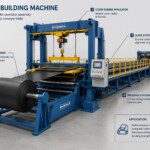 Belt Building Machine
 Eva Footwear Injection Molding Machines
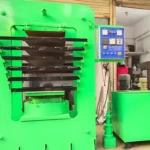 Hawaii Slipper Sole Sheet Machine
 Eva Sole Sheet Splitting
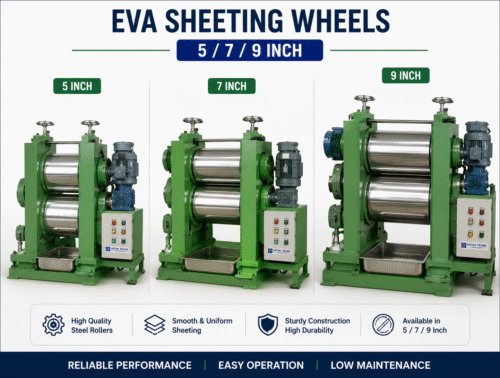 Eva Sheeting Wheels 5/7/9
 PVC Flooring Machine
 Plastic Pelletizing Line
 Filler / Masterbatch / PVC / TPR / EVA
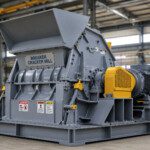 Breaker – Cracker Mill
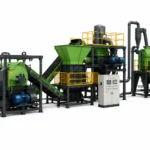 Shredder – Rasper Machines
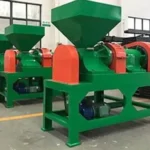 Waste Rubber Crumb Grinder Mill
Source Rubber Mixing Mill in Kochi: Plan Export Packing and Loading

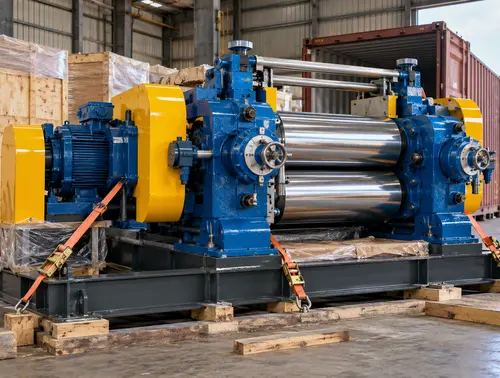
source rubber mixing mill in Kochi should be selected only after the buyer verifies the machine scope and the practical work needed before production. The best decision is not based on a photograph or a short trial alone. It is based on drawings, inspection evidence, site preparation, responsibilities and a written acceptance record. This guide explains how to define what will be dismantled, protected, labelled, packed and loaded before the transport quotation is accepted.
Why this buying question matters
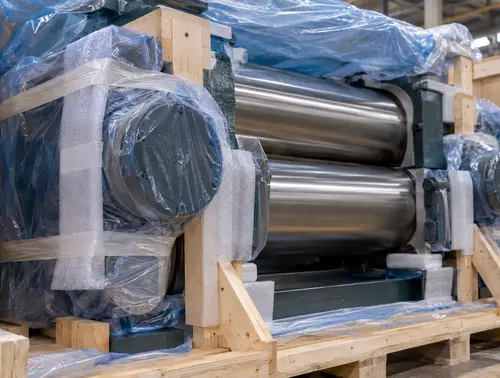
Transport damage and missing parts are difficult to resolve when packing responsibility is vague. A clear scope should connect the machine trial, dismantling photographs, package numbers and receiving inspection.
Start with the intended product and process. Define what the machine must do, what the seller must demonstrate, and what your factory must provide. This prevents the discussion from becoming a collection of unverified claims. It also makes competing quotations easier to compare because every seller responds to the same scope.
source rubber mixing mill in Kochi: evidence to request
Request a signed packing list, package dimensions and declared weights, photos before and after wrapping, lifting and securing instructions, and dispatch photographs. The carrier and packing specialist should confirm the final transport method.
Keep files linked to the offered machine by serial number, asset number or another reliable identifier. Date photographs and test records. If a component is changed after the trial, ask for the updated record. A disciplined evidence trail is especially useful when inspection, payment, dismantling and dispatch occur on different days.
Practical verification checklist
- Freeze the supplied scope with photographs and a numbered packing list before dismantling starts.
- Mark cable ends, pipes, guards, couplings and loose parts so reassembly does not depend on memory.
- Protect machined surfaces and rolls with suitable corrosion prevention and non-damaging coverings.
- Specify base support, blocking, bracing, moisture protection and lifting points for every package.
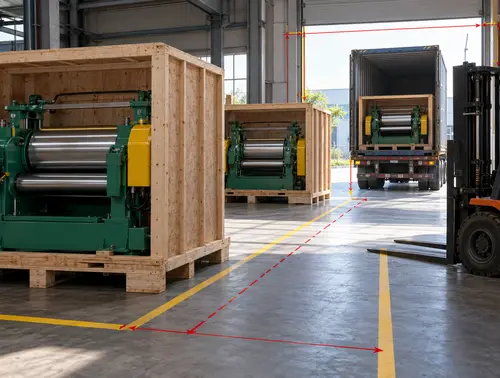
- Check package dimensions and mass against doorway, forklift, crane, vehicle and container constraints.
- Require loading photographs, seal or dispatch records, and a document pack that matches the final packages.
Turn each checkpoint into a simple status: accepted, rejected, open, or not applicable. Add the evidence reference beside it. The method is more useful than a long informal chat because it shows exactly what remains unresolved before payment or dispatch.
Compare buying approaches
| Approach | Advantages | Limitations |
|---|---|---|
| Evidence-led purchase | Clear scope, traceable inspection, fewer assumptions and better handover | Needs preparation, records and coordination |
| Price-led purchase | Fast initial comparison | May hide missing accessories, site work, repairs or documentation |
| Trial-led purchase | Shows selected functions under agreed conditions | A brief trial does not prove every component or future production result |
Compare project responsibilities
| Responsibility | Buyer should confirm | Supplier should state |
|---|---|---|
| Machine scope | Required process and accessories | Exact inclusions, exclusions and condition |
| Site work | Building, utilities, access and local compliance | Drawings and connection requirements available for the offered unit |
| Testing | Witness points and acceptable evidence | Test method, limitations and recorded outcome |
| Delivery | Receiving route and unloading resources | Packing, package data and dispatch responsibility |
Build the quotation around the complete scope
Ask for one commercial document that identifies the machine, included assemblies, excluded work, taxes, packing, transport, installation, commissioning, training, payment stages and validity. Do not assume a familiar machine name includes a starter, control panel, tooling, cooling equipment, guards, platforms, spares or site work. List each important item.
Link payment stages to verifiable milestones where commercially suitable. Examples may include document approval, inspection completion, punch-list closure, dispatch evidence or receiving checks. The exact terms are a commercial decision between the parties. The important point is that the milestone should be observable and recorded.
Inspect safely and record limitations
Machine inspection must follow the site’s safety rules. Guards, stored energy, rotating parts, hot surfaces, lifting operations and electrical panels require competent people and controlled procedures. Do not request unsafe access merely to obtain a photograph. Record any area that could not be inspected and decide how that uncertainty will be managed.
A condition report should separate observation from inference. “Oil visible below the gearbox” is an observation. “Gearbox is unusable” is a conclusion requiring more evidence. This distinction helps buyers discuss repairs fairly and prevents the report from overstating what a short visit established.
Plan installation and acceptance before dispatch
Installation planning should begin while the machine is still accessible. Confirm reference dimensions, assembly sequence, lifting needs, utility interfaces, initial consumables and technical contacts. Photograph connections before dismantling. Agree who supplies anchors, cables, pipes, oil, guards, tools and test material.
At the receiving site, inspect packages before opening, compare them with the packing list and record visible damage. Reassembly should follow the available documentation and competent supervision. Final acceptance should use the same written scope that guided the purchase, with open points documented rather than forgotten.
Make a decision record
Summarise the reason for selection, alternatives considered, critical evidence, unresolved risks and responsible owners. A one-page decision record helps management understand the total project rather than only the machine price. It also supports later commissioning because the team can see which assumptions were accepted and which conditions still need verification.
For support with a rubber mixing mill, contact Vatsn Tecnic. You can also review the company background. For general workplace safety principles, refer to the International Labour Organization safety and health resources.
To read More about Rubber Making Machine Visit Here:
https://www.indiamart.com/vatsntecnic/profile.html
Buyer FAQs
What should be confirmed before asking for a quotation?
Share the intended process, material family, available utilities, site constraints and the evidence you expect. Ask the supplier to state inclusions and exclusions clearly.
Can photographs replace a physical or video inspection?
No. Photographs help identify the offered scope, but they cannot show every operating condition. Use them with a witnessed trial, records and an independent inspection when appropriate.
Should the buyer rely only on the machine model?
No. Machines with similar labels may have different drives, controls, accessories, condition and modification history. Verify the actual offered unit.
Who should approve site readiness?
Use competent civil, electrical, mechanical and safety professionals as required. The supplier’s information should feed the local design, not replace it.
How should missing information be handled?
Record it as an open point with an owner and due date. Do not convert an unknown into an assumption inside the purchase order.
What belongs in the final handover file?
Include the accepted quotation, drawings, manuals, trial evidence, punch-list closure, packing list, photographs and contact details for technical support.
Does a successful test guarantee future output?
No. A test shows only the agreed conditions at that time. Output also depends on material, tooling, utilities, installation, settings, maintenance and operator practice.
How can Vatsn Tecnic help?
Vatsn Tecnic can discuss machine sourcing, inspection planning, refurbishment, installation coordination and technical support according to the agreed project scope.