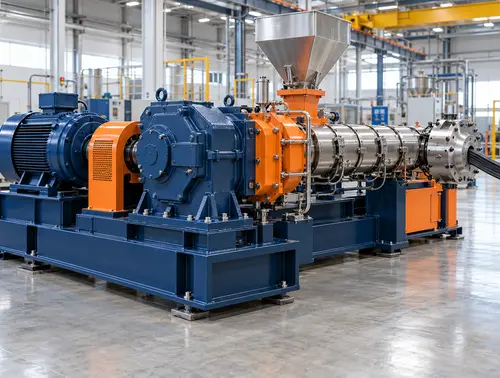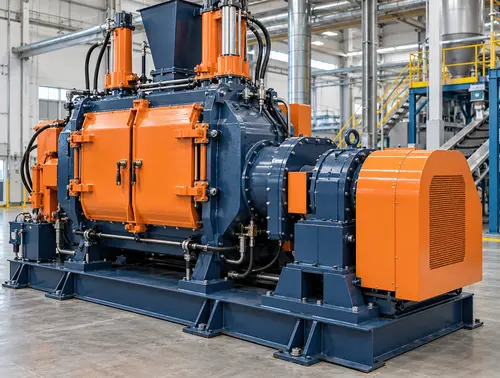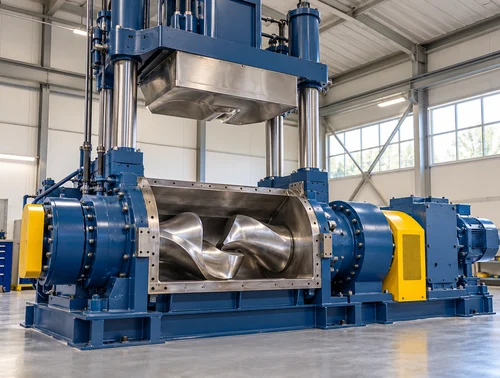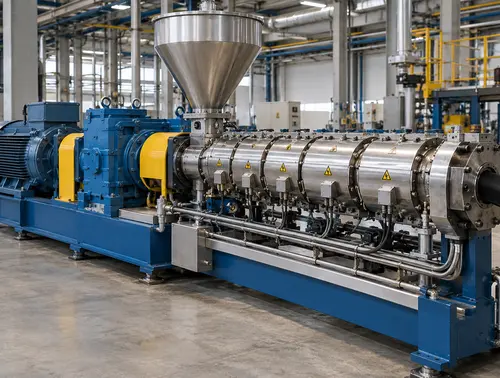
 Rubber Hot Feed Extruder
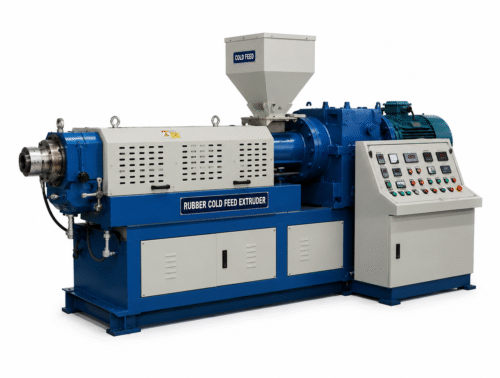 Rubber Cold Feed Extruder
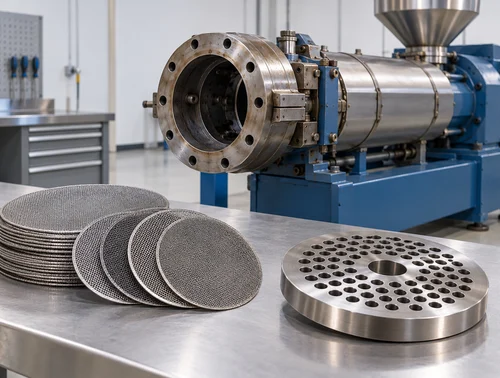
 Rubber Strainer – Reclaim Extruder
 Reclaim Rotary Autoclave
 Compression Molding
 Injection Molding
 Vacuum Molding
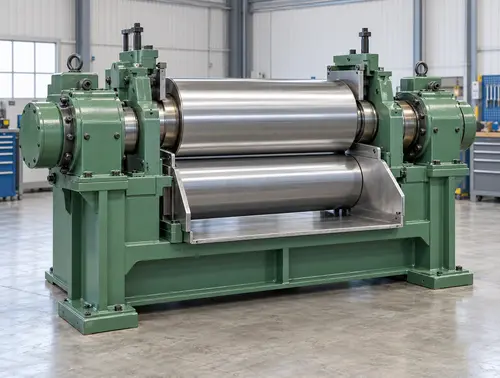
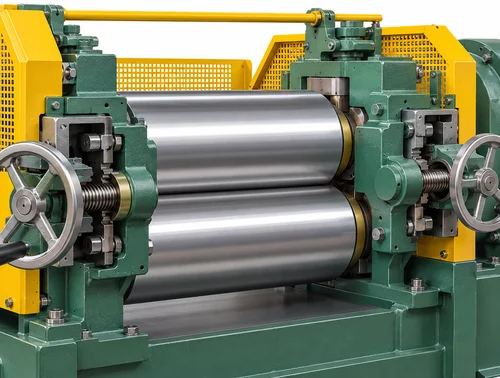
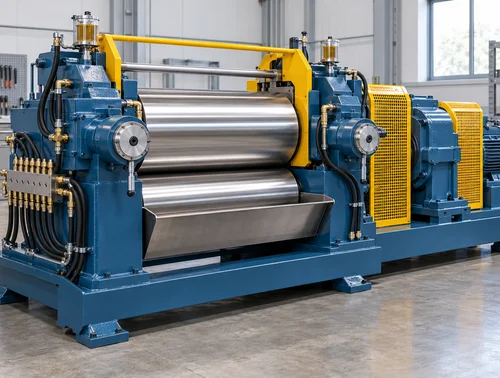
 Rubber EVA Refiner Mill
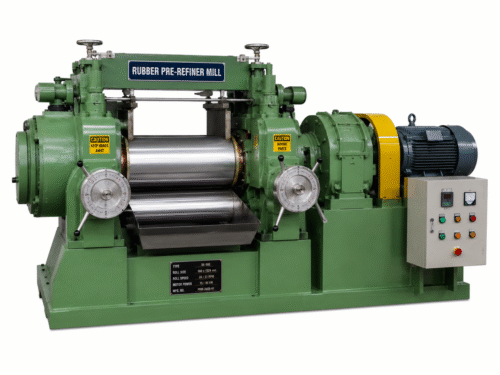 Rubber Pre-Refiner Mill
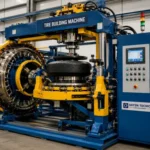 Tire Building Machine
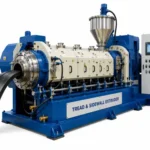 Tread & sidewall Extruder
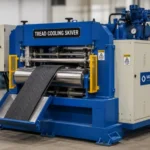 Tread Cooling skiver
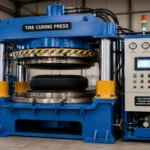 Tire curing press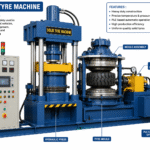
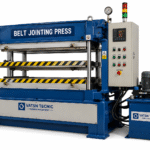 BELT JOINTING PRESS
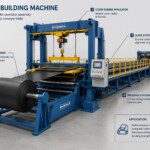 Belt Building Machine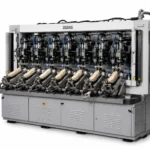
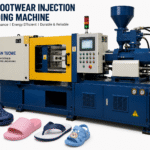 Eva Footwear Injection Molding Machines
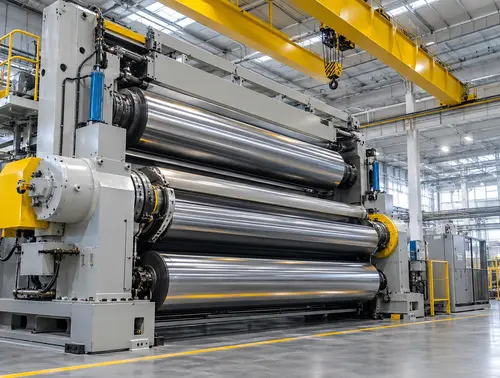
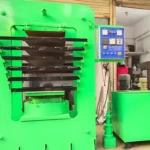 Hawaii Slipper Sole Sheet Machine
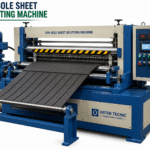 Eva Sole Sheet Splitting
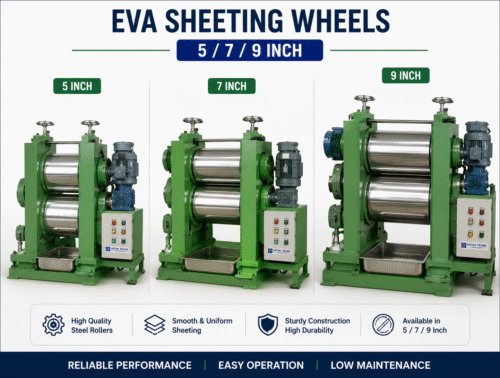 Eva Sheeting Wheels 5/7/9
 PVC Flooring Machine
 Plastic Pelletizing Line
 Filler / Masterbatch / PVC / TPR / EVA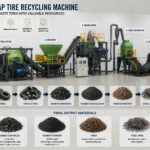
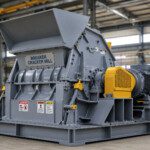 Breaker – Cracker Mill
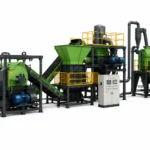 Shredder – Rasper Machines
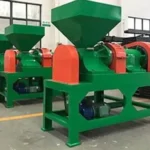 Waste Rubber Crumb Grinder Mill
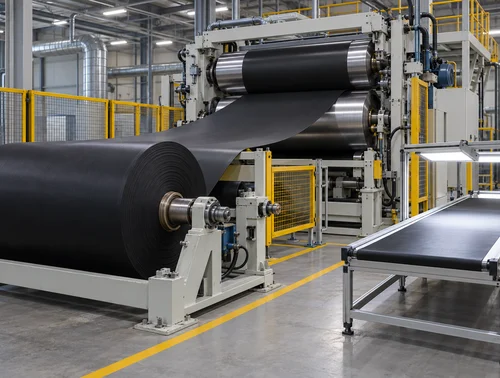
Rubber Conveyor Belt Machine Supplier in Jharkhand

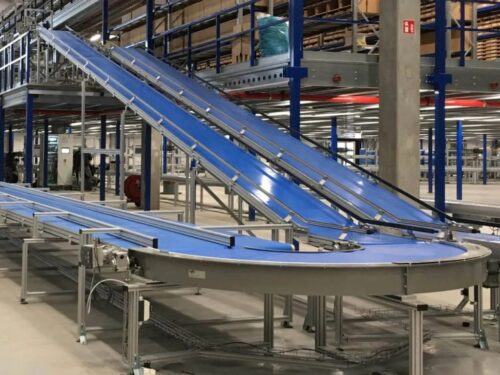
Jharkhand is rapidly becoming a preferred destination for rubber manufacturing businesses. With strong industrial growth, improving infrastructure, and rising demand from sectors like mining, steel, cement, and power, the state offers excellent opportunities for entrepreneurs planning to start or expand rubber-related operations such as rubber conveyor belt manufacturing.
Benefits of Setting Up a Rubber Conveyor Belt in Jharkhand
| Feature | Manual Production System | Semi-Automatic System | Fully Automatic System |
|---|---|---|---|
| Production Speed | Low | Medium | High |
| Labor Requirement | High | Moderate | Low |
| Product Consistency | Variable | Good | Excellent |
| Initial Investment | Low | Medium | High |
| Maintenance Cost | Low | Medium | High |
| Output Capacity | Limited | Moderate | Very High |
| Best For | Small workshops | Growing factories | Large industrial plants |
| Automation Level | None | Partial automation | Full automation |
| Error Rate | High | Medium | Very Low |
| Profit Potential | Low–Moderate | Moderate | High |
Abundant Industrial Resources for Rubber Conveyor Belt
Jharkhand is known for its rich mineral reserves and strong industrial ecosystem. Easy availability of industrial raw materials and support industries helps reduce operational and procurement costs for manufacturers.
Strong Industrial Infrastructure Machines of Rubber Conveyor Belt
The state offers well-developed industrial zones with access to roads, electricity, transportation, and logistics support, making industrial operations smoother and more efficient.
Excellent Market Connectivity in Rubber Conveyor Belt
Jharkhand is strategically located near major industrial regions of Eastern and Central India. This helps businesses reduce transportation expenses and improve delivery timelines for industrial rubber products.
Skilled and Semi-Skilled Workforce of Rubber Conveyor Belt
The state has a growing workforce experienced in manufacturing and heavy industries, which supports better productivity and smoother factory operations.
Rising Demand for Rubber Products of Rubber Conveyor Belt
Industries such as mining, steel, thermal power, and material handling are expanding continuously in Jharkhand. This has increased the demand for products like rubber conveyor belts, rubber sheets, rollers, and industrial rubber components.
Government Schemes Supporting Rubber Industry Growth
Businesses planning to establish Rubber Conveyor Belt units in Jharkhand can benefit from various central and state government schemes.
Make in India Initiative
The Make in India initiative promotes domestic manufacturing by offering easier compliance systems, investment support, and industrial growth opportunities.
MSME Support Schemes
Micro, Small, and Medium Enterprises (MSMEs) can avail subsidies, financial assistance, and low-interest funding support under various government programs.
Credit Linked Capital Subsidy Scheme (CLCSS)
The Credit Linked Capital Subsidy Scheme helps Rubber Conveyor Belt upgrade machinery and modernize production facilities through capital subsidies.
Skill Development Programs
Government-backed training programs help industries access trained manpower for manufacturing and machine operations.
Jharkhand Industrial Policy Benefits
The state industrial policy offers several advantages, including:
- Capital investment subsidies
- GST reimbursement benefits
- Electricity duty exemptions
- Support for industrial infrastructure development
These incentives help reduce the overall setup cost for manufacturers.
Major Industrial Areas in Jharkhand for Rubber Manufacturing
Adityapur Industrial Area
One of the largest industrial areas in India, offering excellent infrastructure for Rubber Conveyor Belt, connectivity, and industrial support services.
Bokaro Industrial Area
A strong industrial region suitable for heavy manufacturing and rubber processing industries.
Ranchi Industrial Area
A growing industrial hub with improving logistics and business opportunities.
Dhanbad Industrial Belt
Ideal for conveyor belt and material handling industries due to its close connection with mining operations.
Hazaribagh Industrial Zone
An emerging industrial location attracting new manufacturing investments.
Why Businesses Choose Vatsn Tecnic
Vatsn Tecnic is a trusted name in the rubber machinery industry, dealing in quality new, used, secondhand, and refurbished rubber machines for multiple industrial applications.
With years of experience in the industry, the company supplies machinery suitable for sectors like:
- Mining
- Rubber processing
- Automotive manufacturing
- Conveyor belt production
- Power and heavy industries
The focus on machine quality, customer support, and cost-effective solutions makes Vatsn Tecnic a preferred choice for businesses across India.
Types of Machinery Used in Conveyor Belt Production
Modern conveyor belt manufacturing plants use a wide range of industrial machines to ensure precision and efficiency. These include:
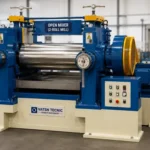
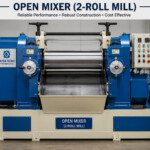
- Rubber mixing mills for compounding raw materials
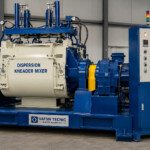
- Internal mixers for uniform blending of rubber compounds
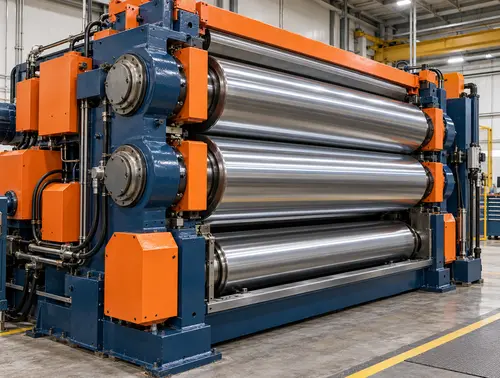
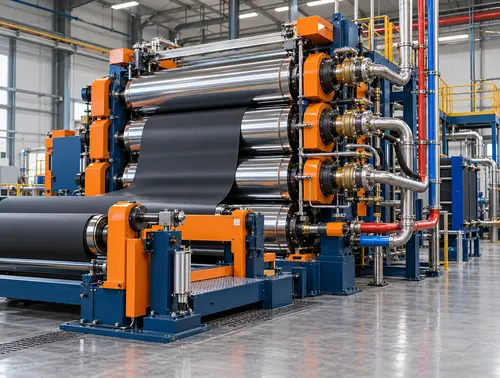
- Calendering machines for sheet formation
- Vulcanizing presses for heat treatment
- Cutting and slitting machines for final shaping
- Cooling and inspection systems for quality control
Automation in these machines helps reduce human error and improves production consistency across large-scale operations.
Investment Structure for Conveyor Belt Manufacturing Plant
Setting up a rubber conveyor belt manufacturing unit in Jharkhand requires structured financial planning. Investment typically depends on production capacity, automation level, and machinery type.
Key cost components include:
- Land and factory construction
- Machinery and equipment setup
- Raw material procurement
- Labor and workforce training
- Utility and energy consumption
- Maintenance and operational expenses
Small-scale units may start with limited automation, while large industrial plants invest in fully automated systems for higher output and better efficiency.
Profit Potential in Rubber Conveyor Belt Industry
The rubber conveyor belt industry offers strong profit margins due to continuous demand from mining, steel, cement, and power sectors. Since these industries operate year-round, replacement and maintenance demand remains stable.
Profitability factors include:
- Production capacity utilization
- Raw material cost control
- Energy efficiency of machinery
- Quality consistency of finished belts
- Market demand and industrial contracts
Businesses with strong supply chain integration and bulk industrial clients generally achieve higher long-term returns.
Challenges in Conveyor Belt Manufacturing Industry
Despite strong demand, manufacturers face certain operational challenges:
- Fluctuating raw material prices affecting production cost
- High maintenance requirements of heavy machinery
- Skilled labor dependency in semi-automated plants
- Quality control in high-pressure production environments
- Transportation and logistics delays for bulk orders
Addressing these challenges requires proper planning, automation, and reliable machinery suppliers.
Future Growth Opportunities in Jharkhand Rubber Industry
Jharkhand continues to grow as a major industrial hub due to expansion in mining, infrastructure, and energy sectors. This directly increases demand for rubber conveyor belts and related products.
Future opportunities include:
- Expansion of mining and coal processing industries
- Growth in steel and cement production plants
- Infrastructure development under government projects
- Increased adoption of automation in manufacturing units
- Export opportunities for industrial rubber products
With rising industrialization, demand for durable conveyor systems is expected to increase steadily.
Quality Control and Testing Standards
To ensure product reliability, manufacturers follow strict quality control measures during production:
- Tensile strength testing
- Heat resistance testing
- Load capacity analysis
- Abrasion resistance checks
- Dimensional accuracy inspection
These tests ensure that conveyor belts perform efficiently in heavy industrial environments without frequent failure.
Conclusion
Jharkhand offers a strong foundation for rubber conveyor belt manufacturing due to its industrial ecosystem, raw material access, skilled workforce, and government support policies. Combined with growing demand from core industries, the state provides long-term business opportunities for manufacturers and investors.
With proper machinery selection, efficient production systems, and strategic planning, businesses can achieve sustainable growth in this sector while maintaining competitive production costs and high-quality output.
FAQ: Frequently Asked Questions
1. What is a rubber conveyor belt used for?
Rubber conveyor belts are used for transporting bulk materials in industries like mining, steel, cement, power plants, and material handling units.
2. Why is Jharkhand suitable for rubber conveyor belt manufacturing?
Jharkhand offers strong industrial growth, mineral resources, skilled labor, and demand from mining and steel industries, making it ideal for rubber manufacturing businesses.
3. What machines are required for conveyor belt production?
Key machines include rubber mixing mills, internal mixers, calendering machines, vulcanizing presses, cutting machines, and inspection systems.
4. Is conveyor belt manufacturing a profitable business?
Yes, it is profitable due to continuous demand from industrial sectors like mining, steel, cement, and infrastructure development.
5. What raw materials are used in conveyor belts?
Common materials include natural rubber, synthetic rubber, carbon black, fabric layers, steel cords, and chemical additives.
6. What government support is available for this industry in Jharkhand?
Manufacturers can benefit from MSME schemes, CLCSS subsidy, Make in India initiative, and Jharkhand Industrial Policy incentives.
7. What industries demand rubber conveyor belts the most?
Mining, steel plants, cement factories, thermal power plants, and material handling industries are the major users.
8. How much investment is required to start a conveyor belt manufacturing unit?
Investment varies based on scale, but small units require moderate investment, while fully automated plants require higher capital.
9. What are the major challenges in this business?
Key challenges include raw material price fluctuations, machinery maintenance, skilled labor availability, and quality control.
10. Which are the major industrial areas in Jharkhand?
Adityapur, Bokaro, Ranchi, Dhanbad, and Hazaribagh are major industrial zones for manufacturing setup.
For More Information Visit Here