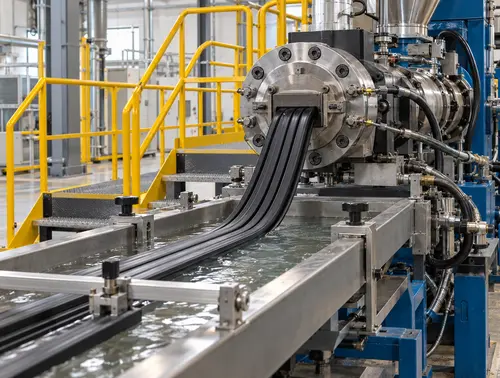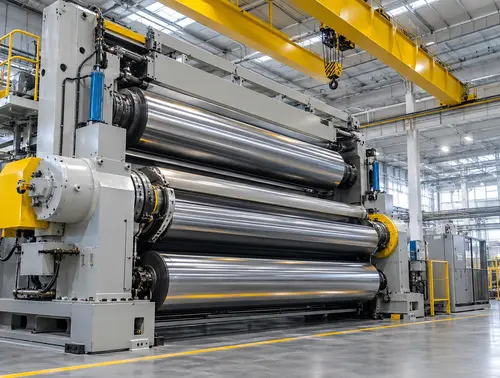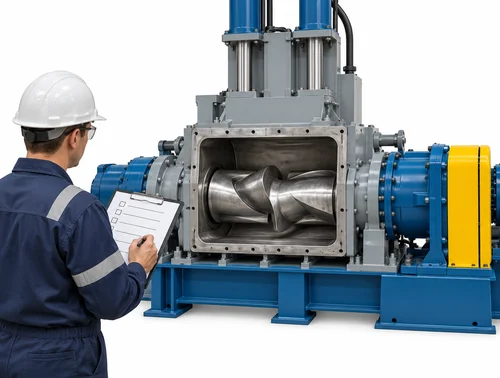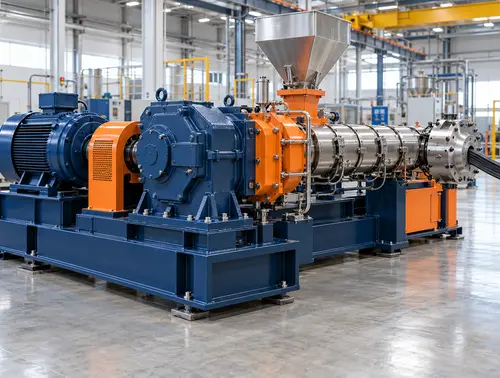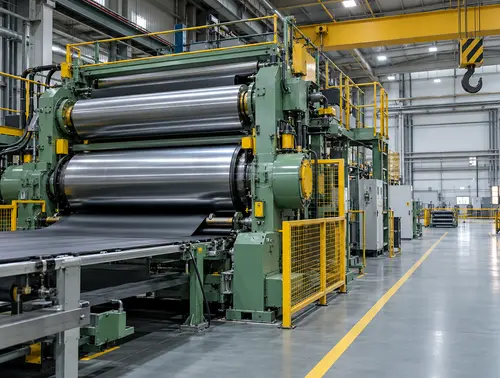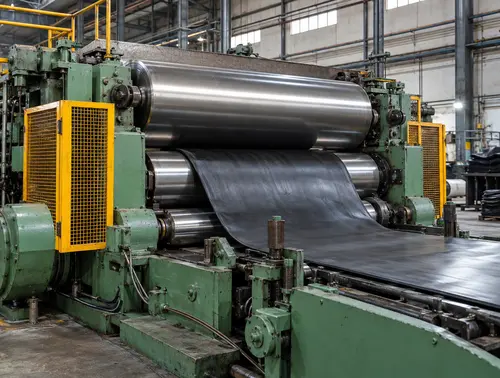
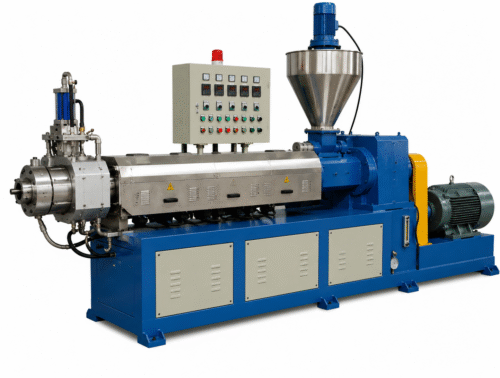
 Rubber Hot Feed Extruder
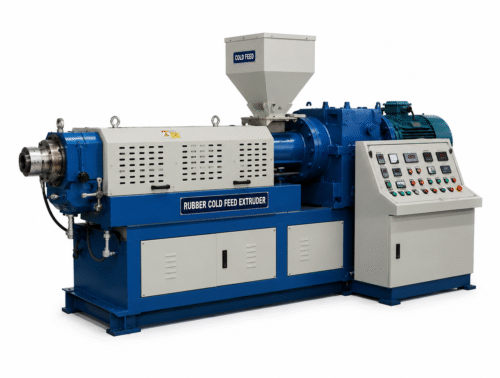 Rubber Cold Feed Extruder
 Rubber Strainer – Reclaim Extruder
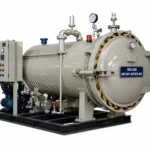 Reclaim Rotary Autoclave
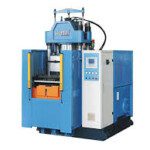 Compression Molding
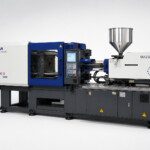 Injection Molding
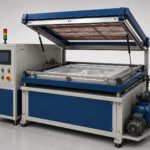 Vacuum Molding
 Rubber EVA Refiner Mill
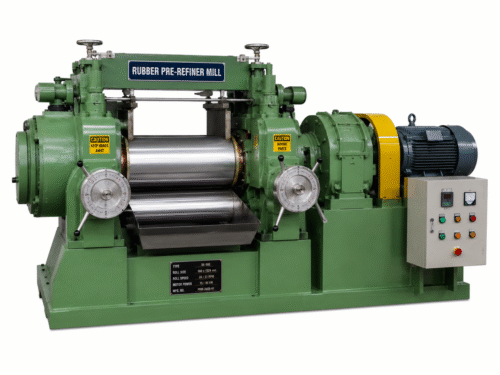 Rubber Pre-Refiner Mill
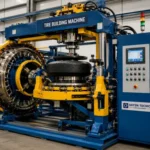 Tire Building Machine
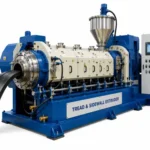 Tread & sidewall Extruder
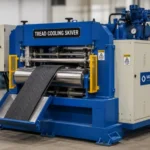 Tread Cooling skiver
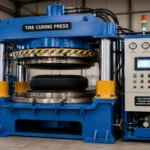 Tire curing press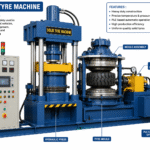
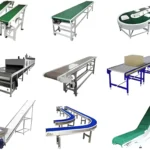
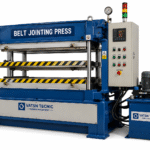 BELT JOINTING PRESS
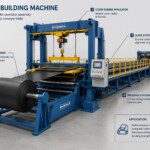 Belt Building Machine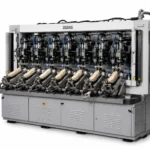
 Eva Footwear Injection Molding Machines
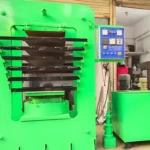 Hawaii Slipper Sole Sheet Machine
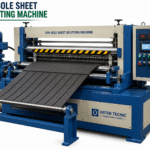 Eva Sole Sheet Splitting
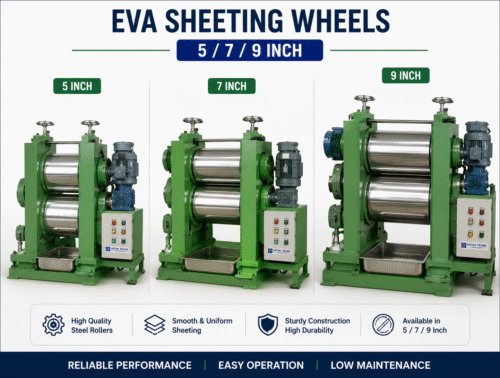 Eva Sheeting Wheels 5/7/9
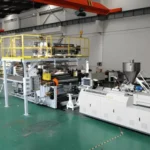 PVC Flooring Machine
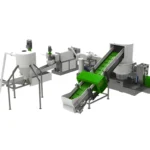 Plastic Pelletizing Line
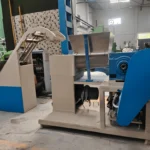 Filler / Masterbatch / PVC / TPR / EVA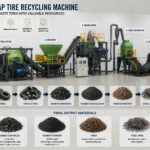
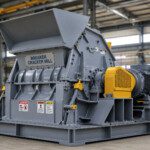 Breaker – Cracker Mill
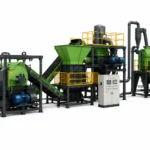 Shredder – Rasper Machines
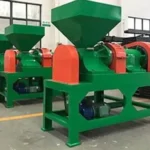 Waste Rubber Crumb Grinder Mill
Refurbished Rubber Extruder Machine in Ludhiana: Validate Output Consistency

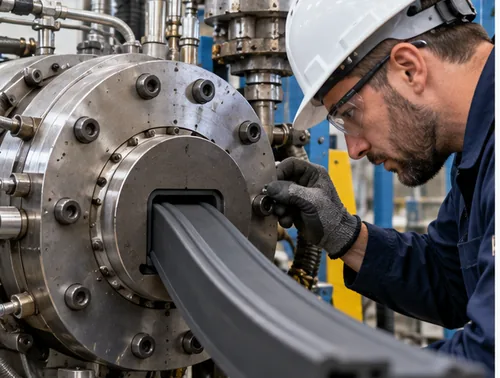
refurbished rubber extruder machine in Ludhiana should be shortlisted only after the buyer verifies the refurbished components, die setup and output consistency demonstrated during an identified material trial. A photograph, seller statement or short no-load run is not enough. The safer decision uses a written test plan, observable evidence and clear responsibility for every open item. This guide explains what to inspect, what to record and how to compare offers without inventing performance claims.
Define the profile and compound before testing
The buyer should provide the intended product shape, compound family, acceptable inspection method and downstream process. This creates a meaningful test objective. A trial with an unrelated compound or die may demonstrate basic operation but cannot prove final-product suitability.
List the extruder type, screw information available, feed arrangement, temperature-control zones, drive, gearbox, head, die, controls and downstream equipment included. Ask the supplier to identify what refurbishment work was completed and what remains original.
Verify refurbishment evidence
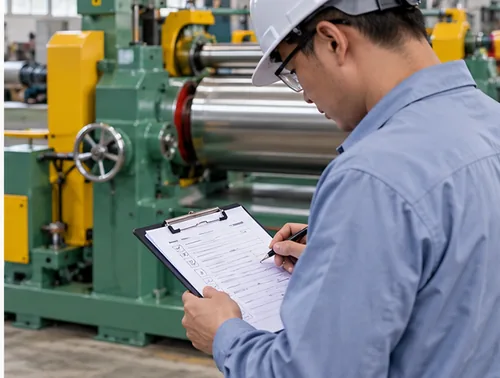
Request before-and-after photographs, replaced-part records, measured wear information where available and the identity of the technician or workshop responsible. Fresh paint or new wiring alone does not prove mechanical refurbishment.
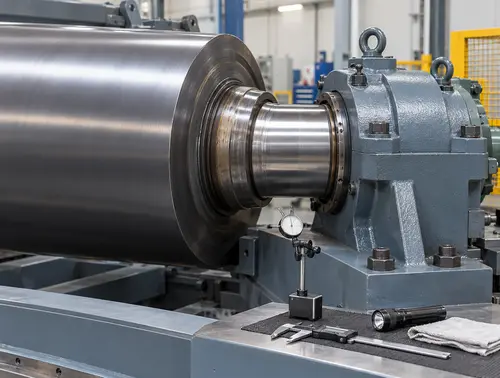
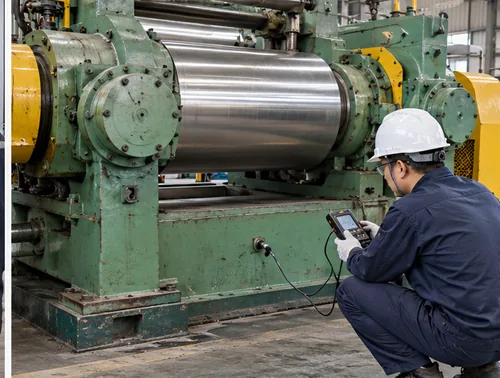
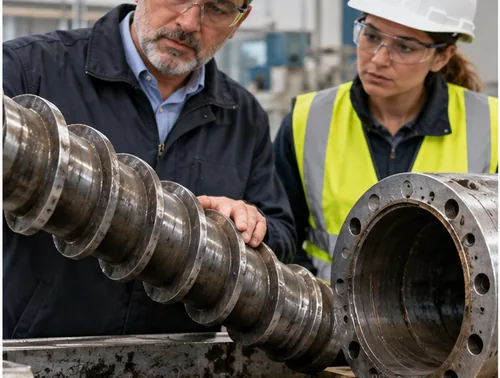
Inspect the screw and barrel only under proper isolation and handling procedures. Record accessible evidence of wear, repairs, corrosion and fit. If internal inspection is impossible, state that limitation and avoid converting it into an assumed condition.
Plan an output-consistency trial
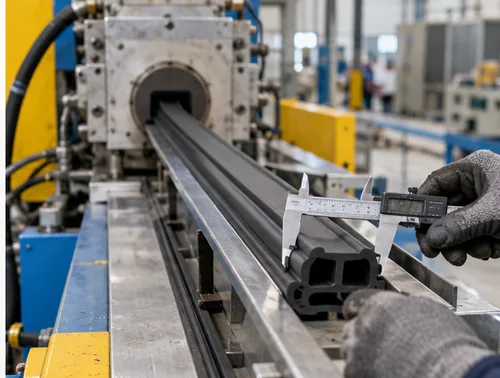
Agree the material, warm-up procedure, speed range, temperature settings, die and sampling intervals. Record steady-state observations separately from startup material. Measure the relevant profile dimensions using an agreed tool and mark each sample with time and settings.
A refurbished rubber extruder machine in Ludhiana should be compared using consistent trial conditions. Output appearance or one good sample is not enough; look for repeatability over the agreed period and record interruptions, adjustments and waste.
Check die, tooling and downstream ownership
Confirm who owns the die and whether it is included. Record the die condition, heating provisions, fasteners and safe change procedure. Tooling disputes after payment can make an otherwise functional extruder unusable for the intended profile.
Also define cooling, haul-off, cutting, winding or other downstream scope. The extruder outlet is only one part of a usable line. Match interfaces, speed control and site utilities before approving the quotation.
Compare the available evidence
| Check | What good evidence looks like | Risk if skipped |
|---|---|---|
| Refurbishment scope | Part-level record and observable evidence | Cosmetic work mistaken for overhaul |
| Trial material | Identified compound and settings | Results cannot be reproduced |
| Profile samples | Timed, labelled measurements | One sample used to support broad claims |
| Tooling scope | Written die ownership and condition | Missing or unsuitable production tooling |
Mark every line as accepted, rejected, open or not applicable. Add the photograph, reading, drawing or test record used for the decision. This converts an informal inspection into a traceable handover. If the machine cannot be operated safely, record that limitation instead of treating an incomplete trial as proof.
Compare purchase approaches
| Option | Advantages | Limitations |
|---|---|---|
| Trial with buyer’s representative material | Most relevant output evidence | Needs material handling and agreed confidentiality |
| Trial with supplier material | Faster functional demonstration | May not represent the buyer’s compound |
| No material trial | Possible when machine cannot run | Leaves major process uncertainty to price and plan |
The lowest quotation is not automatically the lowest installed cost. Ask each supplier to separate the machine, included accessories, dismantling, packing, freight, unloading, foundation work, utilities, installation, trial support, training and taxes. Any exclusion that matters to production should be assigned to a named party before payment.
Documents to attach to the quotation
- Machine identification and current configuration
- Included and excluded assemblies
- Inspection and trial method
- Open-item or punch-list register
- Utility and foundation information available for the offered unit
- Packing, loading and receiving responsibilities
- Payment milestones linked to observable evidence where commercially suitable
- Contact details for technical clarification
Vatsn Tecnic can help buyers organize inspection questions, compare documented scope and plan refurbishment or installation support. See how we work, review our technical services, or use the contact page to discuss the required process. Safety, electrical and lifting decisions must remain with competent persons following site rules and applicable requirements.
For general machinery safety principles, buyers may also review the International Labour Organization safety and health resources. The external reference provides general guidance; it does not certify any offered machine.
To read More about Rubber Making Machine Visit Here:
https://www.indiamart.com/vatsntecnic/profile.html
Buyer FAQs
Does refurbished mean every component is new?
No. Ask for the exact work and parts completed on this machine.
Can output be guaranteed from one sample?
No. Record repeatability over an agreed trial and its limits.
Why identify startup waste?
Startup behaviour can affect planning and should not be mixed with steady-state samples.
Should the die be included?
Only if the written offer states it; confirm ownership and suitability.
How is screw wear checked?
Use competent inspection and measurements appropriate to the machine.
Can temperature displays be trusted?
Treat them as observations until sensor location and verification evidence are known.
What downstream items matter?
Cooling, haul-off, measurement, cutting or winding depend on the product.
What should the FAT record contain?
Material, settings, duration, observations, samples, readings, limitations and signatures.
Does the trial replace commissioning?
No. Installation and site commissioning are separate stages.
Keep trial samples in a dated set and photograph the measurement method. If adjustments are made during the run, note the time and reason rather than selecting only the best sample. This gives the buyer a more honest view of stability, intervention and the work still required during commissioning.
Key takeaway
Output consistency must be linked to a recorded compound, die, settings and sampling method rather than a general claim. Keep the final decision tied to evidence from the exact machine, the intended compound or product, and the buyer’s real site conditions. Request a written scope and resolve critical open items before dispatch.