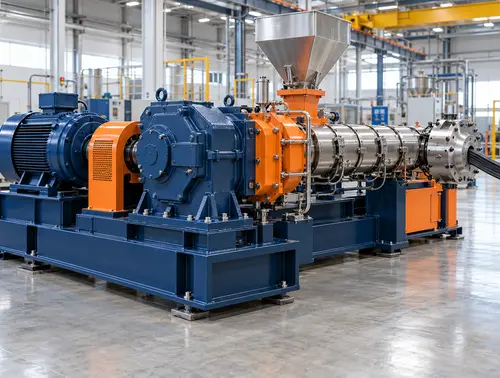
 Rubber Hot Feed Extruder
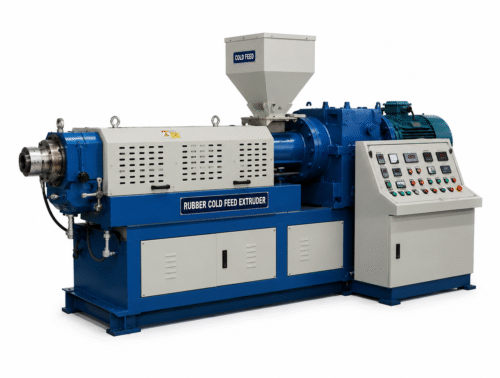 Rubber Cold Feed Extruder
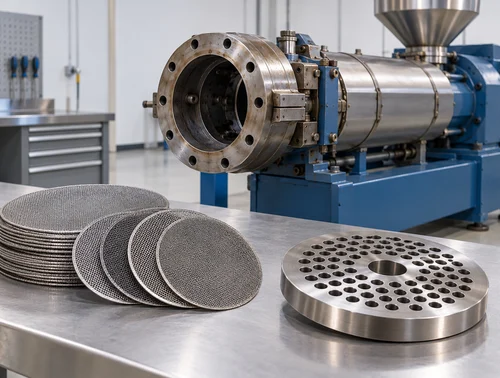
 Rubber Strainer – Reclaim Extruder
 Reclaim Rotary Autoclave
 Compression Molding
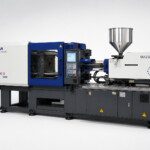 Injection Molding
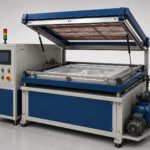 Vacuum Molding
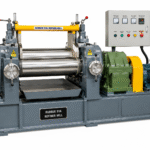 Rubber EVA Refiner Mill
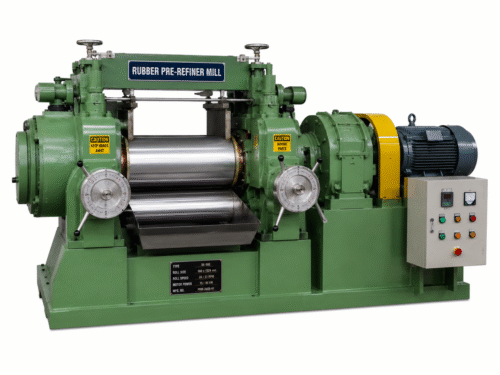 Rubber Pre-Refiner Mill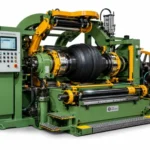
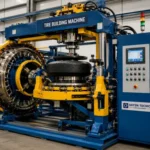 Tire Building Machine
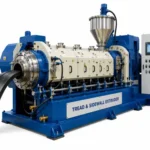 Tread & sidewall Extruder
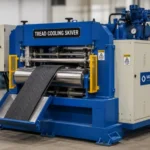 Tread Cooling skiver
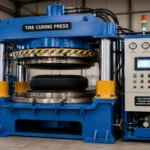 Tire curing press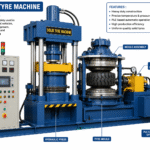
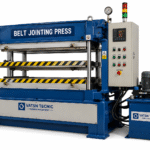 BELT JOINTING PRESS
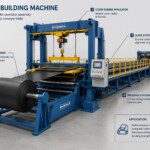 Belt Building Machine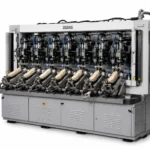
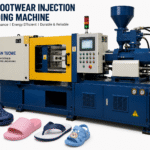 Eva Footwear Injection Molding Machines
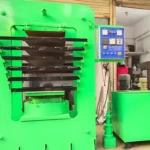 Hawaii Slipper Sole Sheet Machine
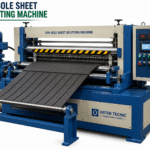 Eva Sole Sheet Splitting
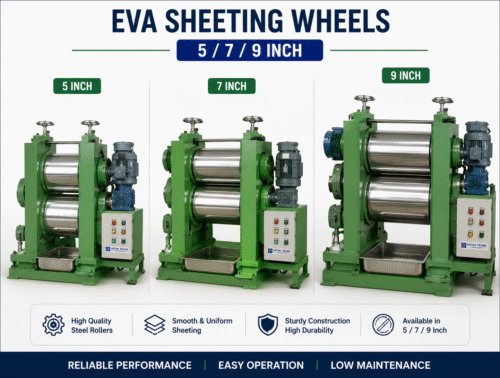 Eva Sheeting Wheels 5/7/9
 PVC Flooring Machine
 Plastic Pelletizing Line
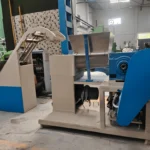 Filler / Masterbatch / PVC / TPR / EVA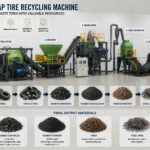
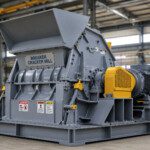 Breaker – Cracker Mill
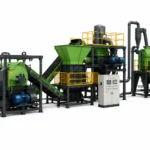 Shredder – Rasper Machines
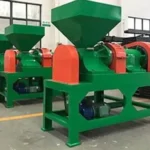 Waste Rubber Crumb Grinder Mill
Choosing the Right Rubber Mixing Mill Machine Guide

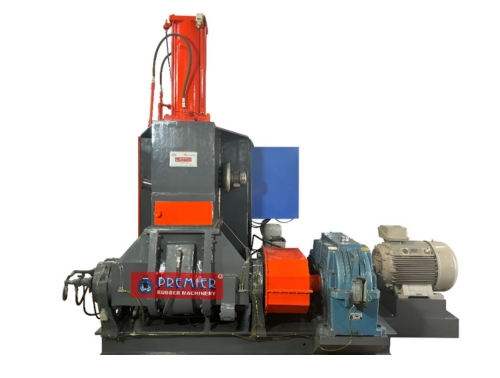
Choosing the Right Rubber Mixing Mill Guide
1. Introduction
Many rubber manufacturers struggle with inconsistent mixing, material waste, and slow production cycles. choose rubber mixing mill Often, the issue is not the raw material—it’s the machine behind the process. Choosing the right rubber mixing mill can directly impact product quality, efficiency, and overall costs also To read More about Rubber Making Machine Visit Here..
In this guide, you’ll learn how rubber mixing mills work, what factors matter when buying one, and how to make a smart investment—especially if you’re considering a used machine.
2. What is a Rubber Mixing Mill?
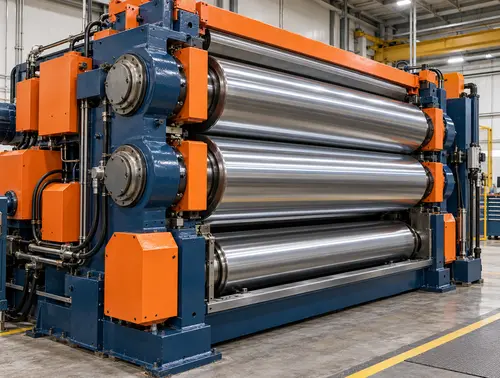
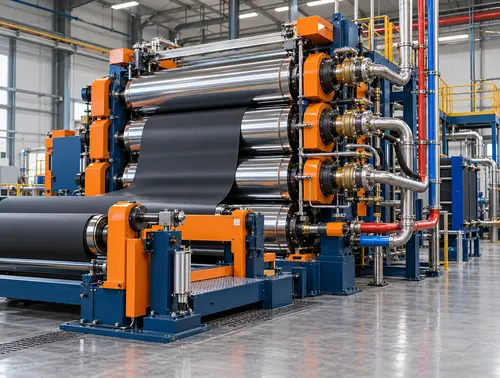
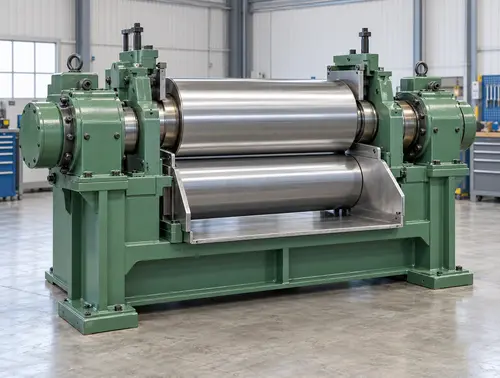
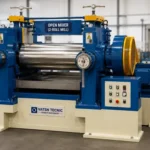
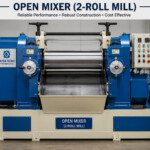
A rubber mixing mill is a machine used to blend raw rubber with chemicals, fillers, and additives to create a uniform compound.
In simple terms, it works like a heavy-duty mixer for rubber. Factories use it to prepare rubber before shaping it into final products like tires, seals, or sheets.
These machines are widely used in rubber processing units, recycling plants, and manufacturing industries where consistent material quality is critical.
3. How It Works (Practical Explanation)
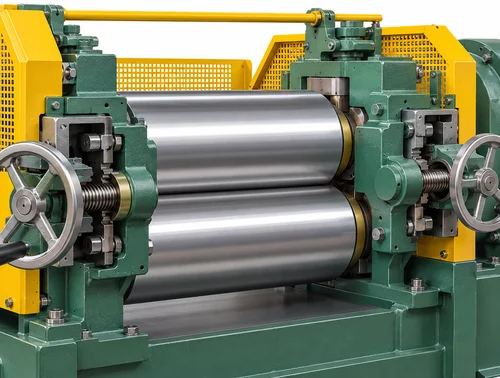
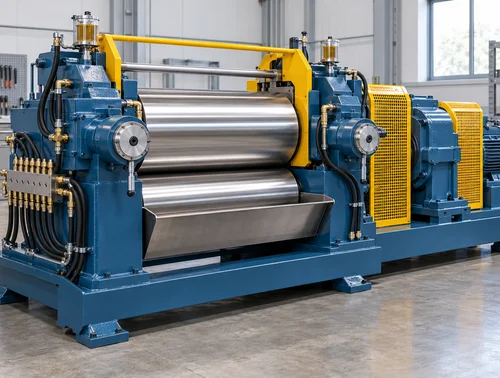
A rubber mixing mill typically consists of two rotating rolls. Here’s how the process works:
- Raw rubber is fed between the rotating rolls
- The rolls compress and shear the material
- Additives like carbon black or chemicals are added gradually
- The material is repeatedly passed through the rolls
- A uniform rubber compound is formed
Operators control the gap between the rolls and temperature to ensure proper mixing. This hands-on control is one reason many manufacturers still prefer mills over fully automated systems.
4. Key Benefits
Choosing the right rubber mixing mill offers several practical advantages:
Better Mixing Quality
Consistent blending ensures uniform product performance
Improved Production Control
Operators can adjust the process based on material behavior
Reduced Material Waste
Efficient mixing reduces rejected batches
Versatility
Suitable for different rubber types and formulations
Cost Efficiency
Lower operational losses mean better margins over time
For small to mid-scale industries, these benefits can significantly improve daily output.
5. Price / Cost Factors
The cost of a rubber mixing mill depends on several key factors:
- Roll Size: Larger rolls handle higher capacity
- Machine Condition: New vs used condition
- Brand and Build Quality: Stronger frames last longer
- Automation Level: Manual mills cost less than semi-automatic ones
- Motor Power: Higher power increases price
Instead of focusing only on price, buyers should evaluate long-term value and reliability.
6. Why Choose Used / Secondhand Machines
For many businesses, especially growing units, buying a used rubber mixing mill is a practical decision.
Lower Investment
Used machines cost significantly less than new ones
Faster Availability
No long manufacturing or delivery wait times
Proven Performance
Machines already tested in real production environments
Better ROI
Lower cost means quicker recovery of investment
However, it’s important to buy from a trusted trader who inspects and verifies machine condition properly.
7. Industry Relevance in [City/Region]
In industrial regions, rubber processing is growing due to demand in automotive, footwear, and recycling sectors.
Areas with strong manufacturing clusters often choose rubber mixing mill have consistent demand for rubber mixing mills. Small and medium enterprises rely heavily on these machines to maintain production quality while controlling costs.
For traders and buyers, this creates a strong opportunity to source reliable machines and support local industries.
8. Buying Guide / Checklist of choose rubber mixing mill
Before purchasing a rubber mixing mill, keep these points in mind:
Check Roll Condition
Worn or damaged rolls affect mixing quality
Inspect Gearbox and Motor
Ensure smooth operation and no unusual noise
Look for Proper Alignment
Misalignment can cause uneven mixing
Test the Machine
Always run a trial if possible
Check Safety Features
Emergency stop and safety bars are essential
Verify Seller Credibility
Work with experienced traders who understand machinery
Avoid Common Mistakes:
- Buying only based on low price
- Ignoring machine wear and tear
- Not checking spare parts availability
A careful inspection can save you from costly repairs later.
9. FAQs for choose rubber mixing mill
Q1. What is the ideal size of a rubber mixing mill?
It depends on your production requirement. Small units prefer compact mills, while large factories need bigger roll sizes.
Q2. Is a used rubber mixing mill reliable?
Yes, if properly inspected and maintained, used machines can perform efficiently for years.
Q3. How much maintenance does it require?
Regular lubrication, cleaning, and periodic inspection are usually enough to keep it running smoothly.
Q4. Can one machine handle different rubber types?
Yes, most mills can process various rubber compounds with proper adjustments.
10. Conclusion
Choosing the right rubber mixing mill is not just about buying a machine—choose rubber mixing mill it’s about improving your production process. The right choice can reduce waste, improve quality, and increase efficiency.
For many businesses, a well-maintained used machine offers the perfect balance between cost and performance. choose rubber mixing mill Take time to evaluate your needs, inspect the machine carefully, and work with a reliable trader.
A smart decision today can lead to better production and higher profits tomorrow.
https://www.indiamart.com/vatsntecnic/profile.html
To read More about Rubber Making Machine Visit Here.