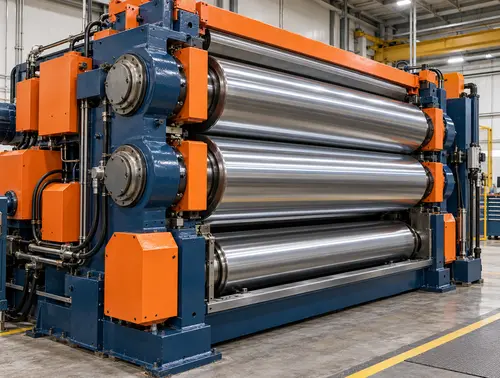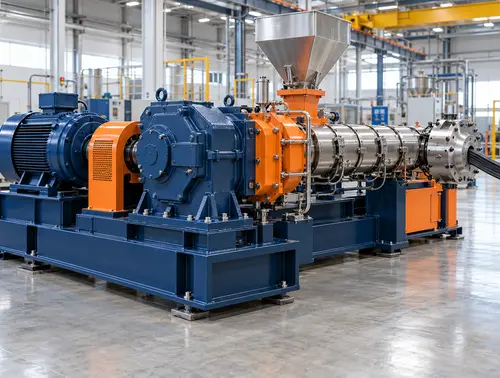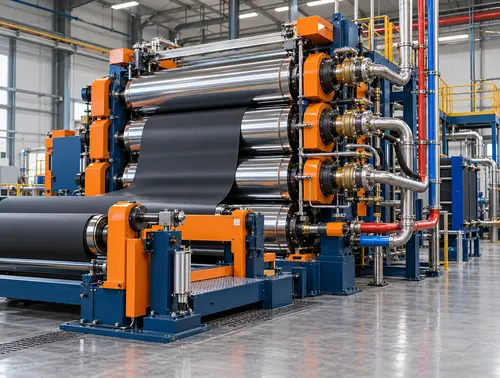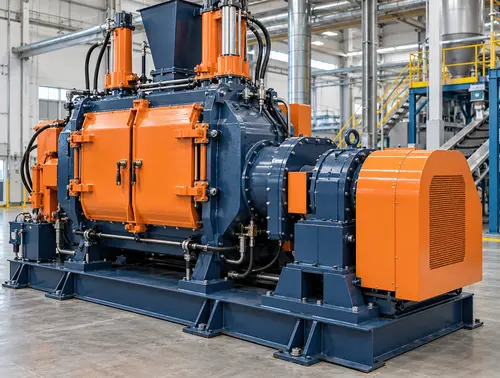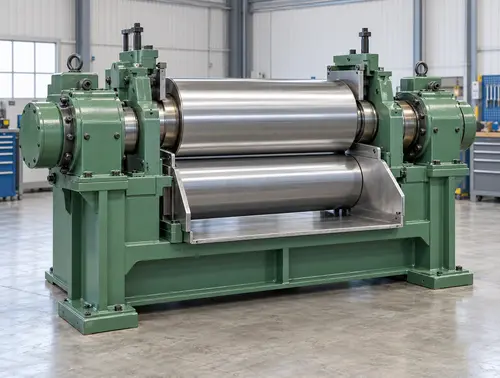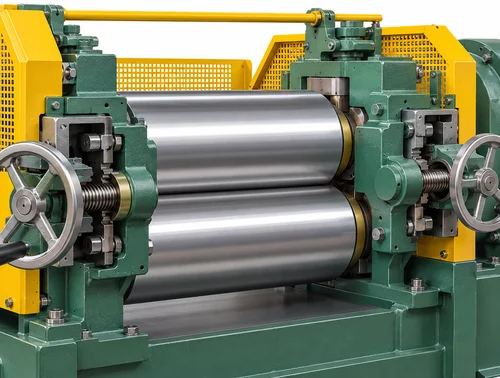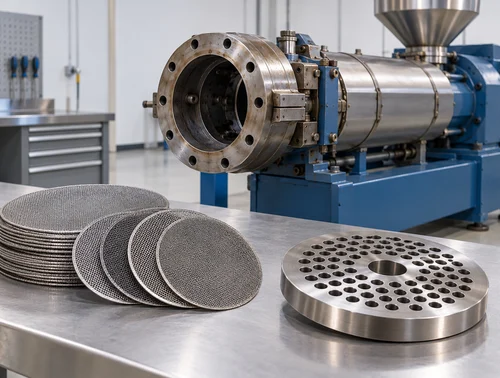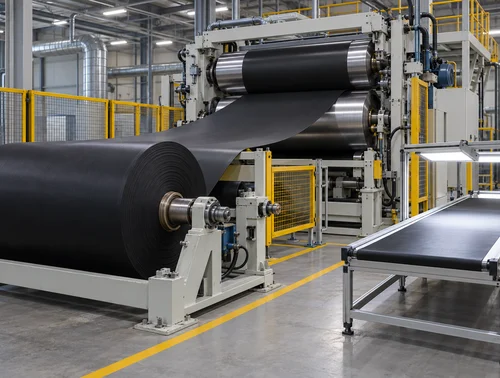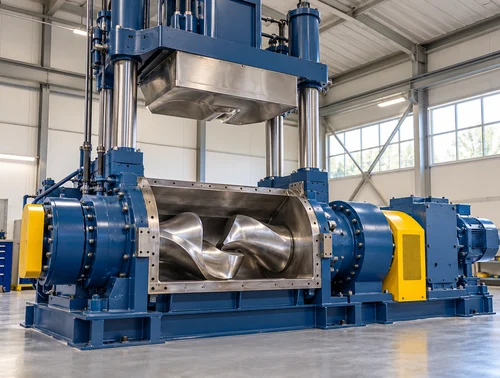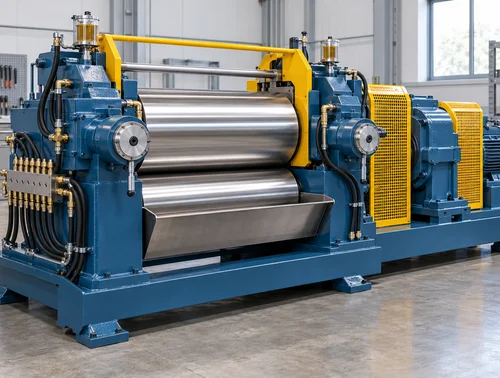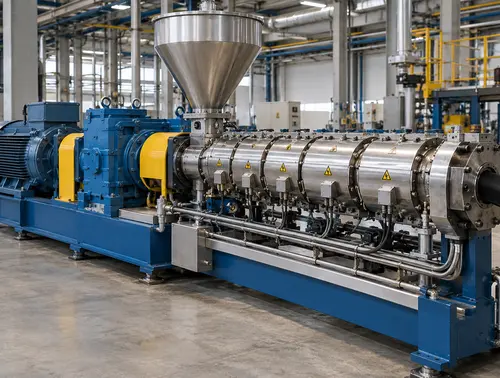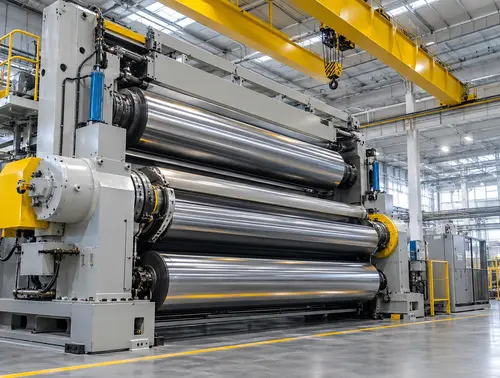
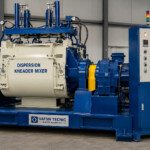
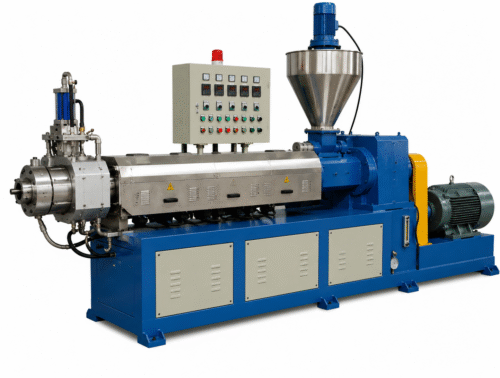
 Rubber Hot Feed Extruder
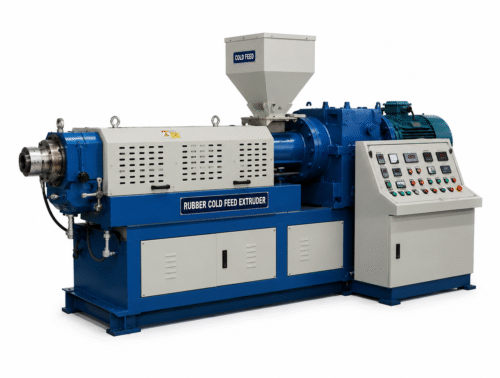 Rubber Cold Feed Extruder
 Rubber Strainer – Reclaim Extruder
 Reclaim Rotary Autoclave
 Compression Molding
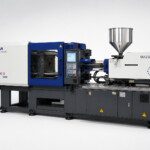 Injection Molding
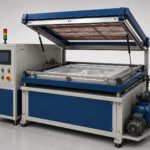 Vacuum Molding
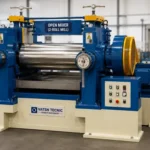
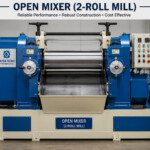
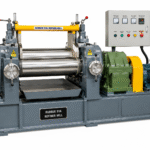 Rubber EVA Refiner Mill
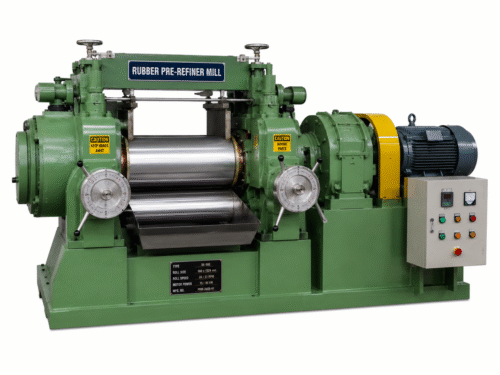 Rubber Pre-Refiner Mill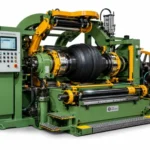
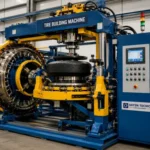 Tire Building Machine
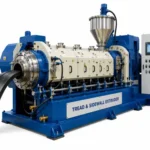 Tread & sidewall Extruder
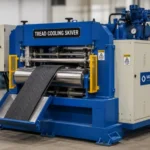 Tread Cooling skiver
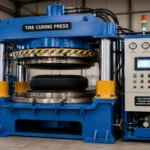 Tire curing press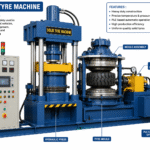
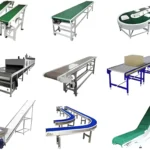
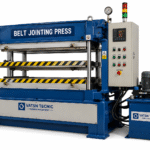 BELT JOINTING PRESS
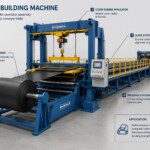 Belt Building Machine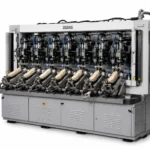
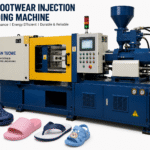 Eva Footwear Injection Molding Machines
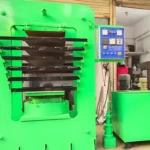 Hawaii Slipper Sole Sheet Machine
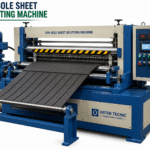 Eva Sole Sheet Splitting
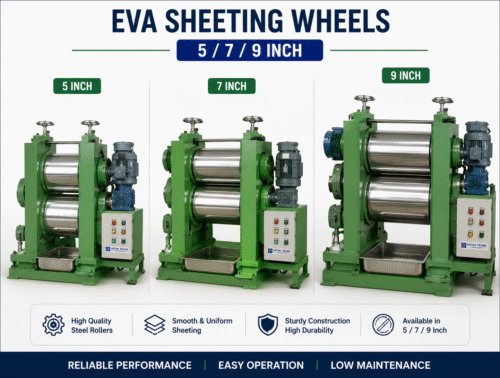 Eva Sheeting Wheels 5/7/9
 PVC Flooring Machine
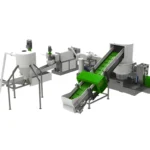 Plastic Pelletizing Line
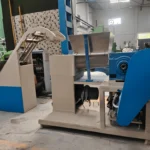 Filler / Masterbatch / PVC / TPR / EVA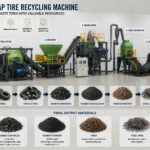
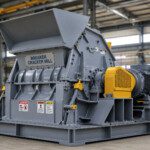 Breaker – Cracker Mill
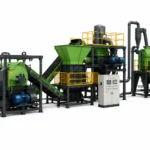 Shredder – Rasper Machines
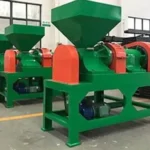 Waste Rubber Crumb Grinder Mill
Buy or Sell Waste Tire Recycling and Manufacturing Machine | Industrial Machine Trader

Every tire recycling business depends on reliable machinery. Choosing the wrong equipment can increase operating costs, reduce production efficiency, and delay your return on investment. If you want to buy or sell a waste tire recycling and manufacturing machine, selecting the right industrial machine trader is as important as choosing the machine itself. A trusted supplier helps you evaluate machine condition, production capacity, and future maintenance requirements. This guide explains how these machines work, what affects their value, and how to make a smarter investment.
A Waste Tire Recycling and Manufacturing Machine converts used tires into reusable rubber materials such as crumb rubber, rubber granules, steel wire, and rubber powder. Buying from an experienced industrial machine trader helps improve production efficiency and reduces long-term operating risks.
What is a Waste Tire Recycling Machine?
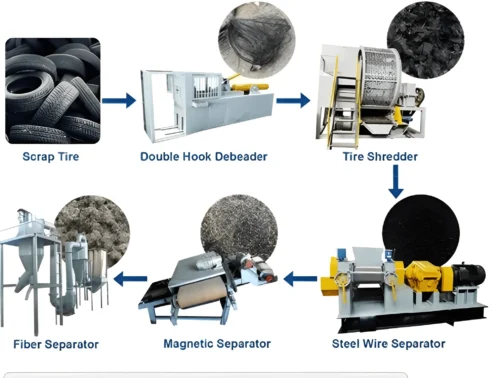
A Waste Tire Recycling Machine processes discarded tires into reusable raw materials. Instead of sending old tires to landfills, manufacturers recycle them into valuable industrial products. A complete recycling line usually includes tire cutters, shredders, granulators, magnetic separators, fiber separators, and grinding machines.
These machines support continuous production while reducing waste and improving material recovery.
Industries using these machines include:
- Rubber recycling plants
- Waste management companies
- Footwear manufacturers
- Rubber product manufacturers
- Construction material producers
- Sports flooring manufacturers
- Industrial recycling businesses
Products manufactured include:
- Crumb rubber
- Rubber granules
- Rubber powder
- Recycled rubber sheets
- Playground flooring
- Rubber tiles
- Rubber mats
- Steel scrap
- Textile fiber
How Does It Work?
Step 1: Tire Inspection
Workers inspect used tires before processing. They remove unsuitable or heavily contaminated tires.
Step 2: Tire Cutting
Large tires are cut into smaller pieces. Smaller pieces improve feeding efficiency.
Step 3: Primary Shredding
Industrial shredders break tire pieces into manageable rubber chips. Strong cutting blades ensure consistent output.
Step 4: Material Separation
Magnetic separators remove steel wire. Fiber separators remove textile materials from the rubber.
Step 5: Grinding and Screening
Granulators and grinders produce rubber granules or fine rubber powder. Screening systems separate materials by size before packaging.
Why Manufacturers Choose This Machine
Many manufacturers invest in tire recycling equipment because recycled rubber has growing industrial demand.
Major benefits include:
- Converts waste into valuable products.
- Reduces disposal costs.
- Supports environmental sustainability.
- Produces multiple saleable materials.
- Generates additional revenue streams.
- Reduces dependence on virgin rubber.
- Suitable for continuous production.
- Supports business expansion.
Manufacturers often recover value from materials that previously became industrial waste.
Factors Affecting Price
The cost of a waste tire recycling machine depends on several technical and operational factors.
| Factor | Why It Matters |
|---|---|
| Plant Capacity | Higher capacity increases production output. |
| Machine Condition | Good condition reduces repair expenses. |
| Automation Level | Automation improves productivity. |
| Brand | Established manufacturers offer proven reliability. |
| Included Equipment | Complete lines increase operational efficiency. |
| Machine Age | Newer models may include updated technology. |
| Power Consumption | Lower energy use reduces operating costs. |
| Spare Parts Availability | Easy availability minimizes downtime. |
Instead of focusing only on purchase price, evaluate the machine’s total operating cost and future maintenance requirements.
Why Buy a Used Waste Tire Recycling Machine?
Many successful recycling businesses begin with quality used machinery. A properly maintained recycling line can deliver dependable performance while reducing initial investment.
Benefits include:
- Lower capital investment.
- Faster return on investment.
- Immediate machine availability.
- Proven industrial performance.
- Easier business expansion.
- Lower depreciation.
- Reliable production capacity.
- Reduced financial risk.
Experienced buyers inspect the shredder, granulator, conveyor systems, motors, and separation units before completing the purchase.
Industrial Opportunities
India is one of the world’s largest producers of used tires. This creates steady demand for tire recycling businesses. Government focus on waste management and sustainable manufacturing also supports industry growth.
Major industrial states such as Gujarat, Maharashtra, Tamil Nadu, Karnataka, Uttar Pradesh, and Haryana offer strong infrastructure for recycling businesses. Good highways, ports, and industrial parks simplify raw material sourcing and finished product transportation.
Businesses producing recycled rubber can also supply footwear manufacturers, road construction companies, sports flooring producers, and industrial rubber factories. As environmental awareness grows, demand for recycled rubber products continues to increase.
Buying Checklist when looking for Tyre Recycling Equipment
Inspect every machine before making a purchase.
- Machine Condition: Check the frame, structure, and overall wear.
- Shredder Blades: Inspect blade thickness and cutting performance.
- Granulator: Ensure smooth grinding without vibration.
- Gearbox: Listen for abnormal noise.
- Motor: Verify power and operating condition.
- Electrical Panel: Test all controls and safety systems.
- Magnetic Separator: Confirm efficient steel separation.
- Conveyor System: Inspect belts and rollers.
- Production Trial: Request a live demonstration.
- Spare Parts: Confirm future availability.
- Service History: Review maintenance records.
- Machine Documents: Verify ownership and specifications.
A careful inspection helps reduce future maintenance costs.
Common Buyer Mistakes
Many buyers focus only on the purchase price. This often results in higher operating expenses later.
Avoid these common mistakes:
- Buying without machine inspection.
- Ignoring blade wear.
- Choosing incorrect production capacity.
- Skipping production trials.
- Overlooking spare part availability.
- Ignoring electricity requirements.
- Buying from inexperienced traders.
- Underestimating maintenance costs.
A complete evaluation protects your investment.
Pros and Cons of Tire Recycling Machine
| Pros | Cons |
|---|---|
| Converts waste into valuable products | Higher initial investment than small recycling equipment |
| Generates multiple revenue streams | Requires regular blade maintenance |
| Supports environmental sustainability | Needs skilled operators |
| Continuous industrial production | Requires adequate factory space |
| Strong market demand | Power consumption varies by capacity |
| Long machine lifespan | Routine servicing improves performance |
Profit and Loss Comparison
| Factor | Well-Maintained Machine | Poorly Maintained Machine |
|---|---|---|
| Production Output | High | Lower |
| Material Recovery | Better | Reduced |
| Downtime | Minimal | Frequent |
| Maintenance Cost | Controlled | Higher |
| Profitability | Faster ROI | Slower ROI |
| Customer Satisfaction | Higher | Lower |
Why Choose VatsnTecnic for Used Tire Recycling Machine?
Choosing an experienced industrial machine trader reduces business risks.
Manufacturers trust VatsnTecnic because of:
- Quality-inspected machinery
- New and used machine options
- Machine sourcing support
- Technical buying guidance
- Installation assistance
- Transparent communication
- Over 30 years of industry experience
- Reliable customer support
- Nationwide machinery delivery
- Solutions for small and large manufacturers
An experienced supplier helps businesses choose machinery that matches production goals and investment plans.
https://www.indiamart.com/vatsntecnic/profile.html
To read More about Rubber Making Machine Visit Here.
Frequently Asked Questions
Is a used waste tire recycling machine reliable?
Yes. A properly maintained machine can deliver reliable performance for many years with regular servicing.
What products can tire recycling machines produce?
They produce crumb rubber, rubber granules, rubber powder, steel scrap, textile fiber, rubber mats, and recycled rubber sheets.
What should I inspect before buying?
Inspect blades, motors, gearboxes, conveyors, electrical systems, separators, and request a production trial.
Is tire recycling a profitable business?
Demand for recycled rubber continues growing. Profitability depends on machine quality, production efficiency, and operating costs.
How do I choose the right machine?
Select equipment based on production capacity, available space, power requirements, maintenance needs, and future expansion plans.
Conclusion
Buying or selling a waste tire recycling and manufacturing machine requires careful planning. The right equipment improves production efficiency, reduces waste, and increases long-term profitability. Always inspect machinery thoroughly and choose an experienced industrial machine trader who understands recycling operations. A quality machine delivers better performance and supports future business growth.
For advanced machinery and industrial manufacturing solutions, choose VatsnTecnic.
Author Bio
VatsnTecnic has over 30 years of experience in buying, selling, importing, and exporting new and used rubber, recycling, and industrial machinery, helping manufacturers invest with confidence.