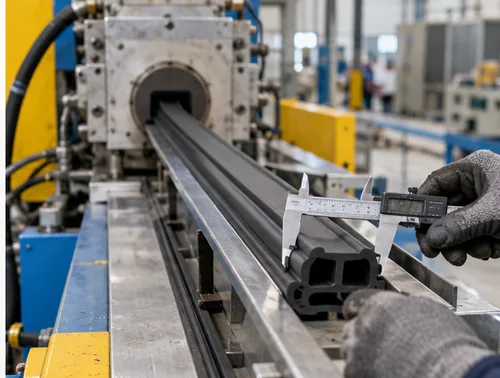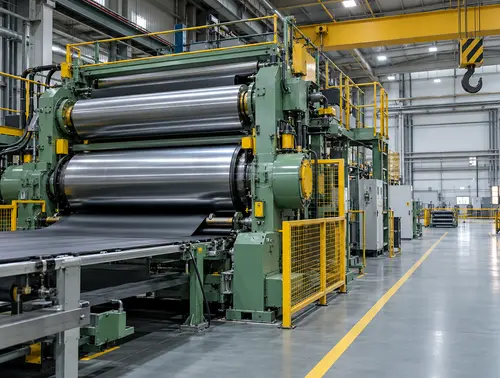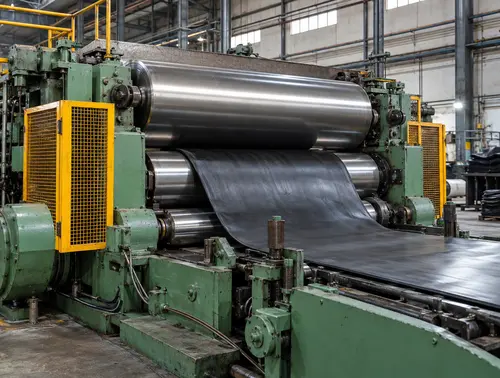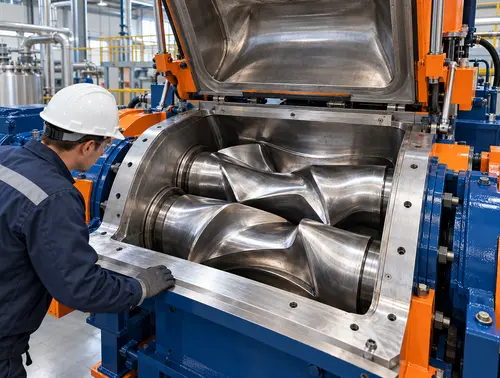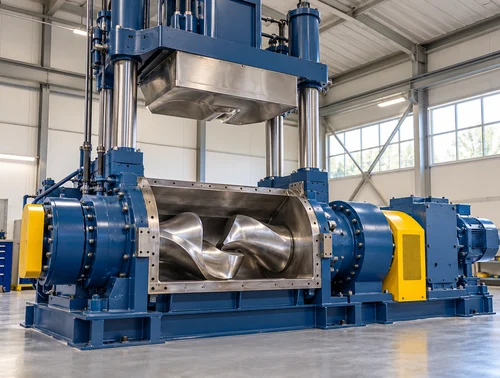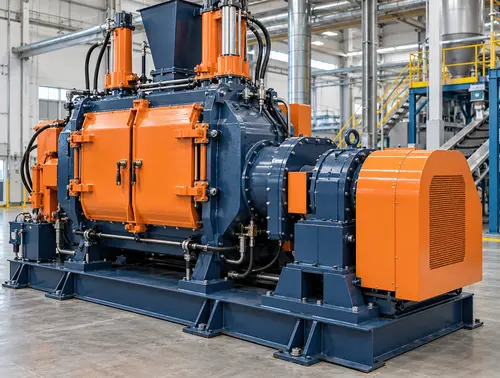
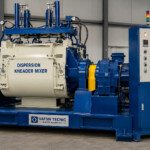
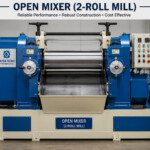
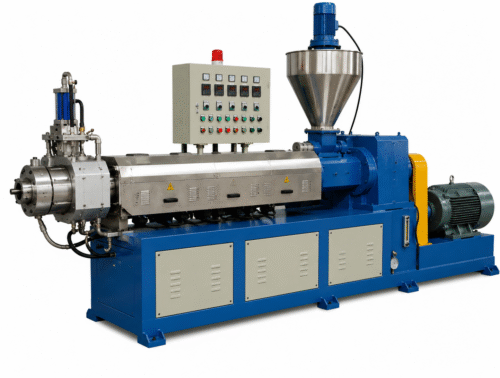
 Rubber Hot Feed Extruder
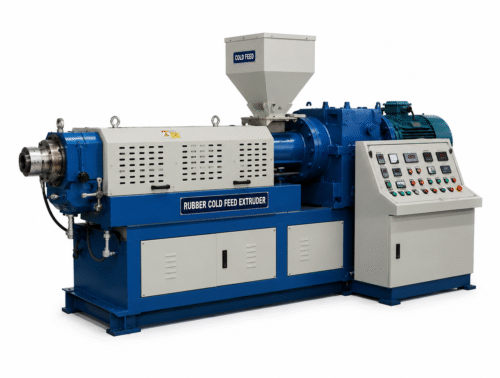 Rubber Cold Feed Extruder
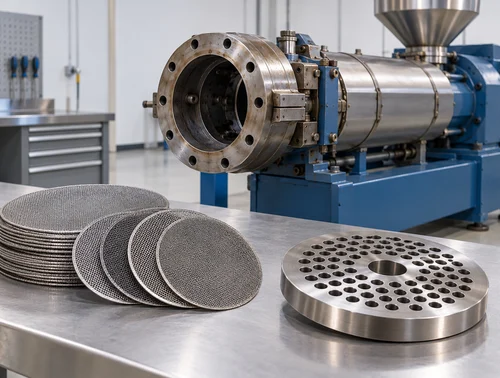
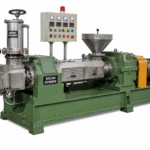 Rubber Strainer – Reclaim Extruder
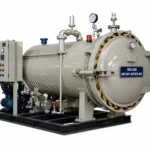 Reclaim Rotary Autoclave
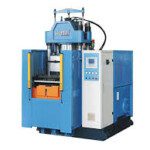 Compression Molding
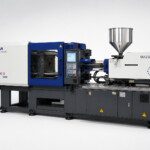 Injection Molding
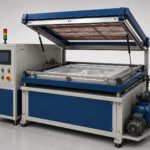 Vacuum Molding
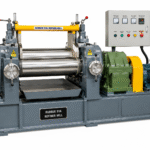 Rubber EVA Refiner Mill
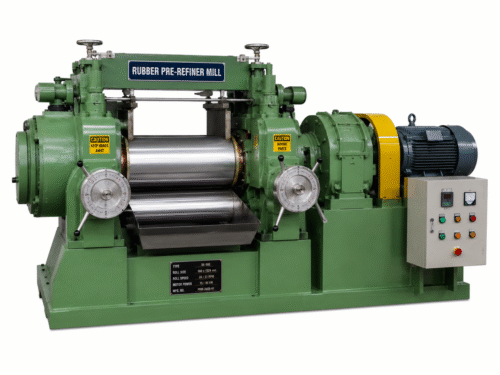 Rubber Pre-Refiner Mill
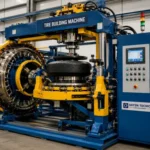 Tire Building Machine
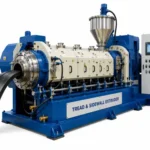 Tread & sidewall Extruder
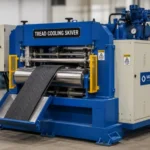 Tread Cooling skiver
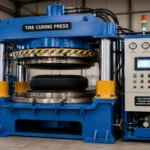 Tire curing press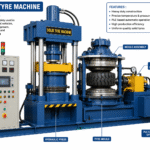
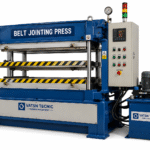 BELT JOINTING PRESS
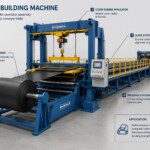 Belt Building Machine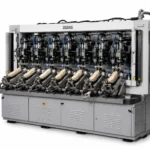
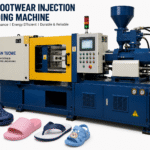 Eva Footwear Injection Molding Machines
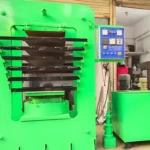 Hawaii Slipper Sole Sheet Machine
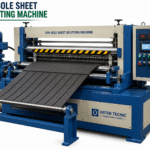 Eva Sole Sheet Splitting
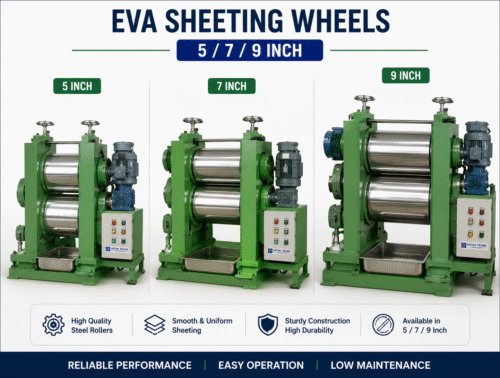 Eva Sheeting Wheels 5/7/9
 PVC Flooring Machine
 Plastic Pelletizing Line
 Filler / Masterbatch / PVC / TPR / EVA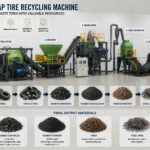
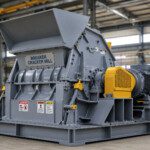 Breaker – Cracker Mill
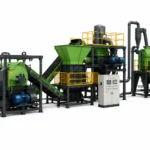 Shredder – Rasper Machines
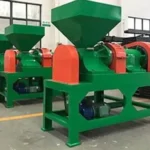 Waste Rubber Crumb Grinder Mill
Best Machines for Rubber Sole Manufacturing in India

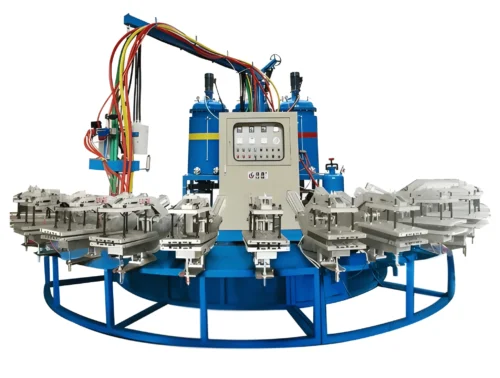
Rubber sole manufacturing machines are rapidly transforming India’s footwear production sector. Manufacturers across India are upgrading factories with advanced automation systems and high-output machinery.
This shift is increasing production speed, reducing labor costs, and improving sole quality. As a result, India’s footwear industry is becoming more competitive in domestic and export markets.
Moreover, small manufacturers are also investing in modern machinery to meet rising footwear demand. Industrial clusters in Agra, Bahadurgarh, and Chennai are witnessing significant machine adoption.
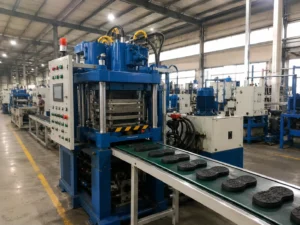
Demand Of Sole Manufacturing Machines
Rubber sole manufacturing machines are experiencing strong demand across India’s footwear manufacturing industry. Factory owners are shifting toward automated systems to improve output consistency and reduce production delays.
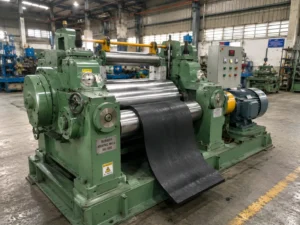
Manufacturers are installing hydraulic molding machines, EVA injection systems, and rubber mixing mills. These machines improve production precision while reducing raw material waste.
Furthermore, rising exports of sports shoes and industrial footwear are driving machine investments. Many MSME factories are modernizing operations to stay competitive.
Comparison Chart of Rubber Sole Manufacturing Machines
| Machine Category | Approximate Investment | Profit Potential | Business Advantage |
|---|---|---|---|
| Rubber Mixing Mill | ₹4–8 Lakhs | Medium | Improves rubber compound quality |
| Hydraulic Sole Press Machine | ₹6–15 Lakhs | High | Consistent sole molding output |
| EVA Injection Molding Machine | ₹12–30 Lakhs | Very High | Fast production with reduced labor |
| Sole Cutting Machine | ₹2–5 Lakhs | Medium | Accurate cutting with low wastage |
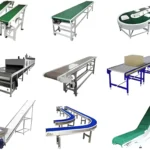
| Conveyor Cooling System | ₹3–7 Lakhs | Medium | Faster production flow |
| Automatic Sole Grinding Machine | ₹5–10 Lakhs | High | Smooth finishing and quality control |
| Fully Automatic Sole Plant | ₹40–80 Lakhs | Very High | Large-scale industrial manufacturing |
Rubber sole manufacturing machines driving automation growth
The main trigger behind this growth is rising demand for durable footwear. Consumers now expect better comfort, stronger grip, and longer product life.
Therefore, factories require advanced machinery capable of maintaining consistent quality standards at higher production volumes.
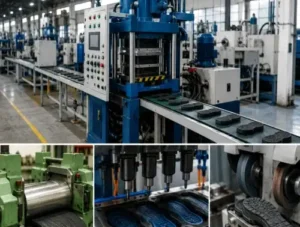
Background and Context
India is one of the world’s largest footwear manufacturing markets. The industry supports millions of workers and thousands of small factories.
Traditionally, many manufacturers relied on semi-manual production methods. However, rising labor costs and global competition forced industries to adopt automated systems.
Rubber sole manufacturing machines have evolved significantly during the last decade. Earlier systems required high manpower and produced inconsistent results.
Modern machines now include automated temperature controls, hydraulic pressure systems, and digital production monitoring tools.
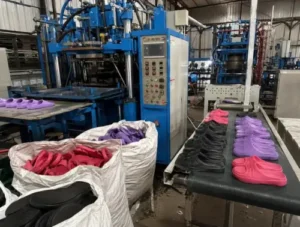
Rubber sole manufacturing machines and industrial modernization
The rise of smart manufacturing is influencing India’s footwear machinery market. Factories are now integrating automation into production system development strategies.
Moreover, industrial system production lines are becoming more energy-efficient and output-focused.
Key Details You Should Know
- India’s footwear market continues expanding due to rising consumer demand
- Agra, Bahadurgarh, Chennai, and Kanpur remain major footwear hubs
- Rubber sole manufacturing machines support mass production operations
- Automated hydraulic presses improve sole shaping precision
- EVA injection molding machines reduce production cycle time
- Rubber mixing mills improve compound consistency during production process
- Conveyor-based industrial system production lines increase efficiency
- Machine-making process automation reduces material wastage significantly
- Equipment production units are integrating digital control systems
- Production system development now focuses on low-energy machinery
Impact and Reactions
Rubber sole manufacturing machines are improving industrial productivity across India’s footwear sector. Manufacturers report faster production speeds and reduced rejection rates.
Experts believe automation will strengthen India’s position in global footwear exports. Moreover, modern machinery is helping factories meet international quality standards.
How rubber sole manufacturing machines affect small manufacturers
Small factories are gaining access to compact and affordable machinery solutions. This allows MSME businesses to compete with larger manufacturers.
In addition, automation reduces dependence on manual labor during repetitive industrial manufacturing steps.
Cost, output, and efficiency improvements
Factories using advanced rubber sole manufacturing machines report:
- 25–40% faster production cycles
- Lower raw material wastage
- Improved sole durability and finish quality
- Reduced labor dependency in machine-making process
Challenges and Concerns
Despite strong demand, several manufacturers still face adoption challenges. High machinery investment remains a major issue for small factories.
Moreover, skilled machine operators are limited in many industrial regions. Some factories also struggle with unstable electricity and maintenance support.
Why some factories struggle with rubber sole manufacturing machines
Older production units often lack proper infrastructure for automation upgrades. Financing barriers also prevent MSMEs from expanding machinery capacity quickly.
However, government MSME support programs are helping smaller manufacturers modernize equipment production units gradually.
What Happens Next
Rubber sole manufacturing machines will continue evolving with automation and smart monitoring systems. Future machinery will focus on higher efficiency and lower energy consumption.
Moreover, AI-based quality inspection systems may soon become standard in footwear production plants.
Emerging trends shaping rubber sole manufacturing machines by 2027
- AI-powered production monitoring systems
- Smart hydraulic molding technology
- Energy-efficient industrial manufacturing steps
- Fully automated industrial system production lines
- Compact machinery solutions for MSME factories
India’s footwear industry is expected to expand significantly by 2027. As a result, demand for modern rubber sole machinery will likely increase further.
FAQ: Frequently Asked Questions
What are rubber sole manufacturing machines?
These machines produce rubber soles for footwear using molding, mixing, cutting, and finishing systems.
Which machine is best for small footwear factories?
Hydraulic sole press machines are suitable for small factories due to lower investment requirements.
What is the investment for a rubber sole manufacturing setup?
Small setups may start around ₹5–10 lakhs, while automated plants require higher investment.
Are rubber sole manufacturing machines profitable?
Yes, footwear demand in India continues growing, increasing profit opportunities for manufacturers.
Which Indian cities are major footwear manufacturing hubs?
Agra, Chennai, Bahadurgarh, Kanpur, and Delhi NCR are major industrial footwear regions.
What is EVA injection molding in footwear manufacturing?
It is a process that creates lightweight and durable footwear soles using EVA material.
Can MSME businesses start footwear sole manufacturing?
Yes, many MSME factories operate successfully with compact machinery and government support.
For advanced machinery and industrial manufacturing solutions, choose VatsnTecnic.
https://www.indiamart.com/vatsntecnic/profile.html
To read More about Footwear Making Machine Visit Here.