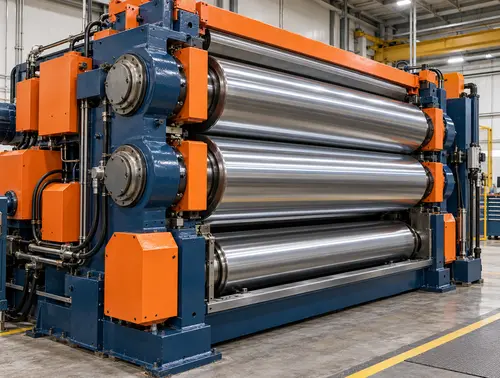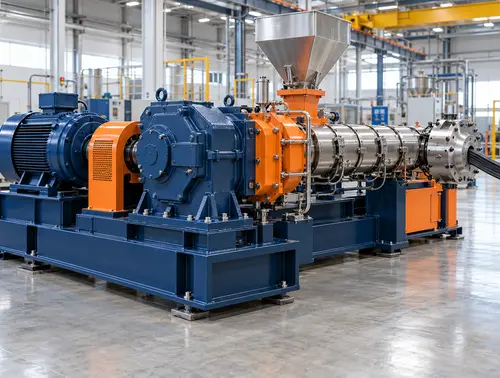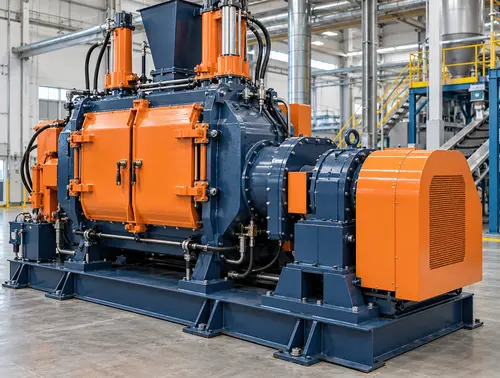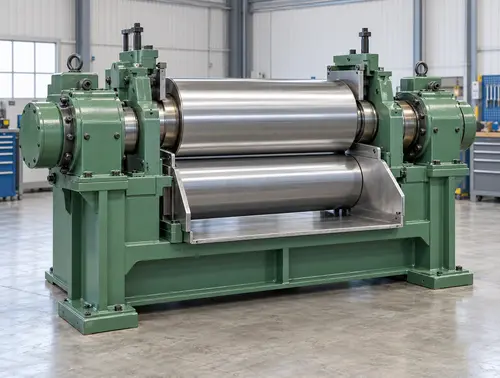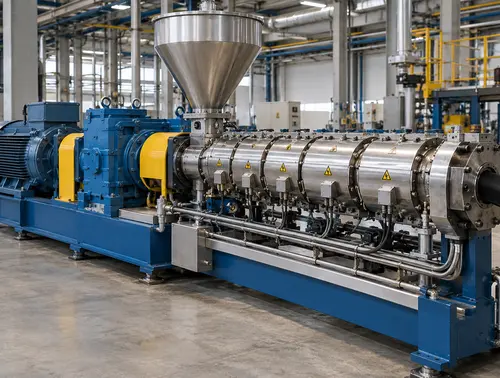

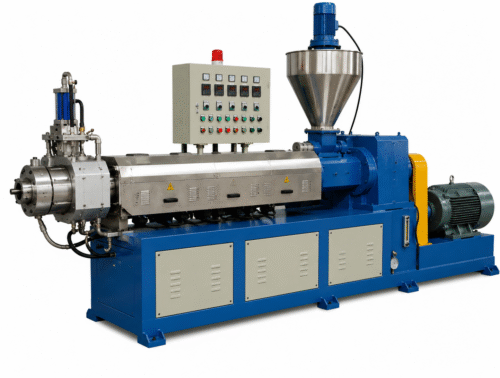
 Rubber Hot Feed Extruder
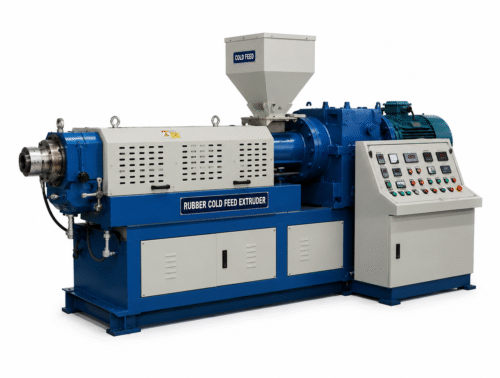 Rubber Cold Feed Extruder
 Rubber Strainer – Reclaim Extruder
 Reclaim Rotary Autoclave
 Compression Molding
 Injection Molding
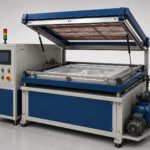 Vacuum Molding
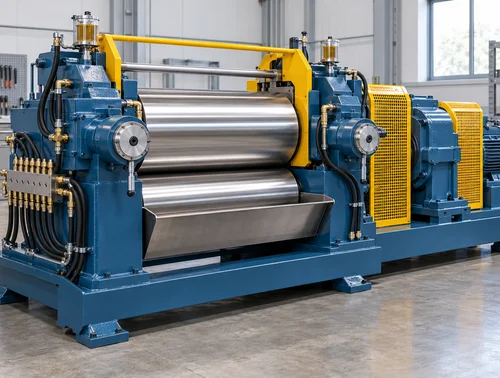
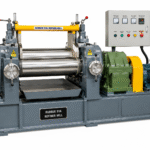 Rubber EVA Refiner Mill
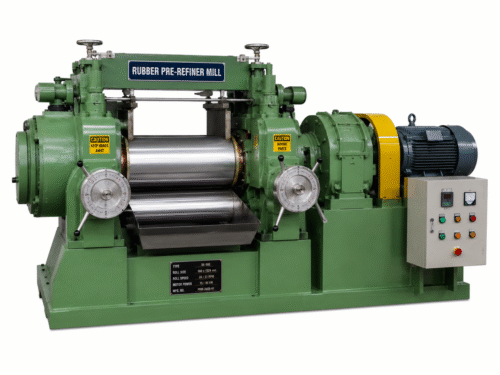 Rubber Pre-Refiner Mill
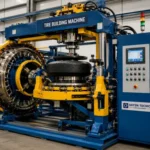 Tire Building Machine
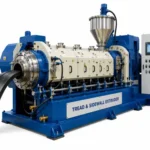 Tread & sidewall Extruder
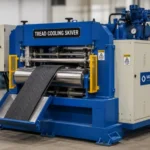 Tread Cooling skiver
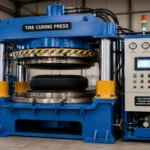 Tire curing press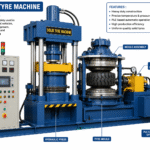
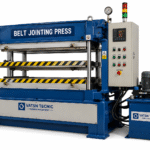 BELT JOINTING PRESS
 Belt Building Machine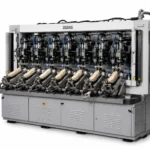
 Eva Footwear Injection Molding Machines
 Hawaii Slipper Sole Sheet Machine
 Eva Sole Sheet Splitting
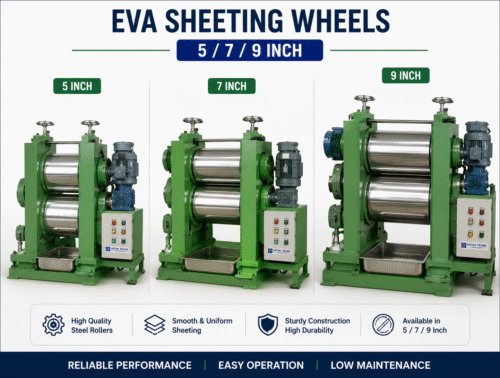 Eva Sheeting Wheels 5/7/9
 PVC Flooring Machine
 Plastic Pelletizing Line
 Filler / Masterbatch / PVC / TPR / EVA
 Breaker – Cracker Mill
 Shredder – Rasper Machines
 Waste Rubber Crumb Grinder Mill
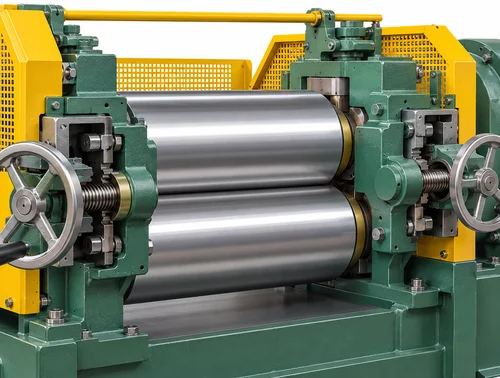
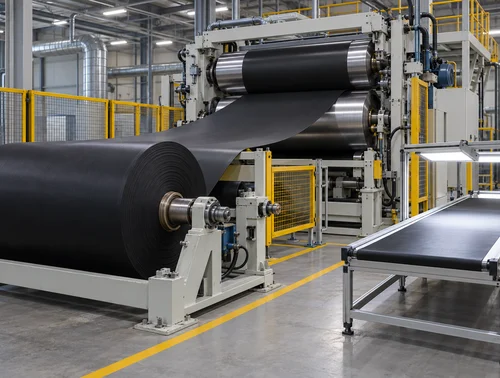
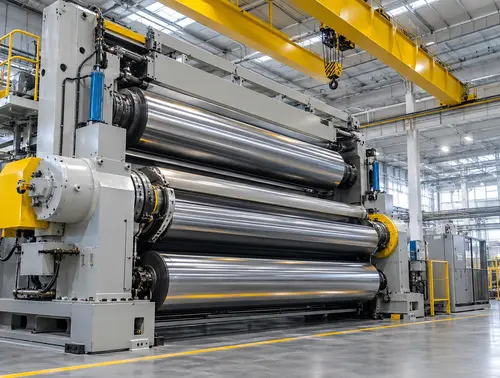
Modern Rubber Calendar Machine in Germany: Review Roll Heating Circuit Handover

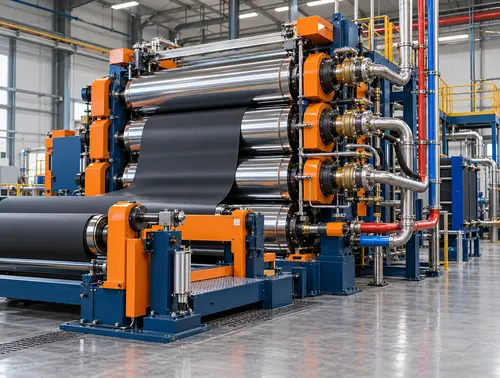
A modern rubber calendar machine in Germany should be evaluated as a roll stand plus its thermal-control interfaces, not as polished rolls alone. The buyer needs to know how each roll is heated or cooled, which pumps, valves, sensors and safety devices are included, and what evidence supports a stable, leak-free handover. A clear circuit record prevents expensive assumptions during installation.
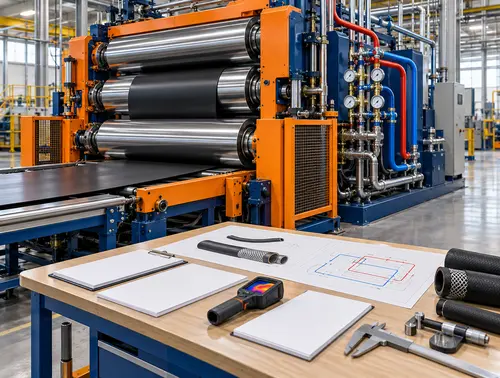
Images in this article are illustrative planning visuals. They do not prove the condition or availability of a specific machine.
How to evaluate modern rubber calendar machine in Germany
Use the following checks to connect machine condition, inspection evidence and commercial responsibility without treating an unsupported claim as a verified fact.
Begin with the required process and temperature duty
Sheeting, coating and laminating duties can demand different roll-temperature behaviour. Define the intended material, roll arrangement, operating sequence and acceptable process window without copying settings from an unrelated line. Ask the seller to distinguish the machine’s design information from historical operating practice. When original limits are unavailable, the buyer should plan competent engineering review rather than inventing a number for the quotation.
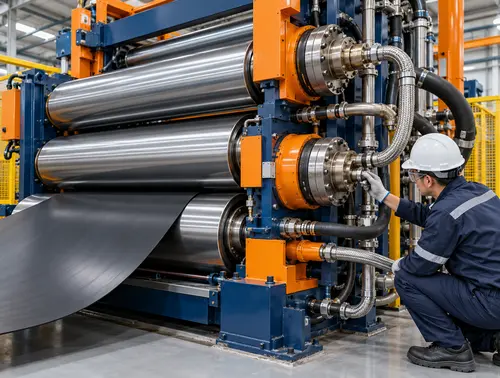
Map every thermal circuit and interface
Create a simple flow diagram for each roll showing supply, return, rotary union, hose, valve, filter, pump or external temperature-control connection. Mark what is physically included and what must be supplied at the destination. Identify media used historically only from reliable records. Unknown residue or incompatible media can affect cleaning, seal selection and disposal, so uncertainty should be written into the scope.
Inspect condition before circulating any medium
Use an authorised isolation and depressurisation procedure. Look for damaged hoses, corroded fittings, leaking unions, improvised bypasses, blocked labels, unsupported pipework and heat damage. Check whether protective devices, guards and drainage arrangements are present and serviceable within the offered scope. Visual checks do not replace pressure or functional tests, but they determine whether testing can begin safely.
Build a controlled functional test
Agree the test medium, fill procedure, venting, circulation duration, sensor locations and observation intervals. Record inlet and outlet readings, roll-surface readings at defined positions, leakage observations and control responses. Avoid interpreting small differences without understanding instrument accuracy, ambient conditions and roll state. A stable recorded trend is more useful than an unreferenced claim that the rolls heat evenly.
Review controls and instrumentation as a system
Match each sensor, controller, alarm and interlock to the circuit diagram and physical equipment. Confirm whether instruments are included, recently calibrated, merely operational or unverified. Photograph tags and capture parameter backups when authorised. The buyer should know which controls belong to the calender, which belong to a separate thermal unit and who will integrate their signals after relocation.
Prepare a handover pack that supports installation
The final pack should contain the circuit map, equipment list, instrument identities, known media, cleaning history, test record, leak list, photographs and outstanding work. Assign responsibility for draining, flushing, packing, replacement hoses, new seals, commissioning fluids and disposal. This record allows the destination team to plan utilities and safety reviews before the machine arrives.
Compare the evidence before committing
| Evidence or route | Practical advantage | Limitation or trade-off |
|---|---|---|
| Flow diagram and tag list | Clarifies included interfaces | May not confirm internal roll cleanliness |
| Leak and circulation test | Shows condition under defined test | Does not reproduce every production duty |
| Temperature trend record | Supports comparison across roll positions | Depends on instruments and test setup |
| Control backup and I/O list | Helps recommissioning | Needs destination integration review |
The comparison should be read with the offered machine’s actual access, records and intended duty. An unavailable item should be labelled unavailable rather than replaced with an assumption.
Choose a purchase scope that assigns risk
| Scope | Advantage | Trade-off |
|---|---|---|
| Roll stand only | Lower equipment scope | Buyer designs more of the thermal system |
| Calender plus thermal unit | More complete interface package | Condition of both systems must be verified |
| Seller drains and flushes | Clearer transport preparation | Cleaning acceptance needs definition |
| Destination commissioning support | Improves handover continuity | Travel, utilities and responsibility must be agreed |
Whichever route is selected, acceptance should refer to named evidence, stated test conditions and an open-item register. This keeps commercial language aligned with what was actually verified.
Practical buyer checklist
- Confirm the exact offered machine identity before using any record.
- Define safe access, isolation and witness responsibilities.
- Record instruments, locations, conditions and limitations.
- Separate visible condition from measured or documented condition.
- Assign every repair, exclusion and missing document to an owner.
- Retain dated photographs and the final accepted scope.
For related planning, review this Vatsn Tecnic buyer guide. Safe inspection and maintenance planning should follow competent procedures; the UK Health and Safety Executive provides general safe-maintenance guidance. These references support the method, but the offered machine still requires its own assessment.
Request a machine-specific review
Send Vatsn Tecnic the machine identity, intended product, available records, photographs and test constraints. The team can help organise the enquiry around observable evidence and a written scope. Avoid committing on photographs, a location label or an unsupported performance promise alone.
To read More about Rubber Making Machine Visit Here:
https://www.indiamart.com/vatsntecnic/profile.html
Buyer FAQs
Does warm roll surface prove the circuit is healthy?
No. It is one observation. Record circulation, leakage, temperature trends, control response and test limitations.
Should the historical heat-transfer medium be identified?
Yes, from reliable records or sampling where appropriate, because compatibility, cleaning and disposal may depend on it.
Are rotary unions included automatically?
Do not assume so. List every union, hose, valve and external unit explicitly in the quotation.
Can one surface reading represent the whole roll?
No. Use defined positions and consistent instruments if a temperature profile is required.
What if instrument calibration is unavailable?
Record the instruments as operational but unverified and decide whether calibration or replacement is part of acceptance.
Who should drain the machine for transport?
Assign responsibility in writing, including residue handling, environmental requirements and protection of open connections.
Is a pressure test always appropriate?
Only when a competent procedure, suitable medium and system limits are known. Do not improvise a test.
What should be shared with Vatsn Tecnic?
Provide the intended process, roll configuration, circuit photographs, included thermal equipment and available test records.
Conclusion
modern rubber calendar machine in Germany enquiries should lead to a decision record that distinguishes verified facts, open questions and assigned corrective work. When the buyer defines evidence before price negotiation, the quotation becomes easier to compare and the destination team receives a more useful handover.