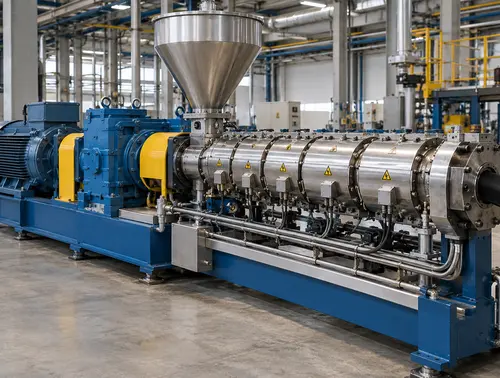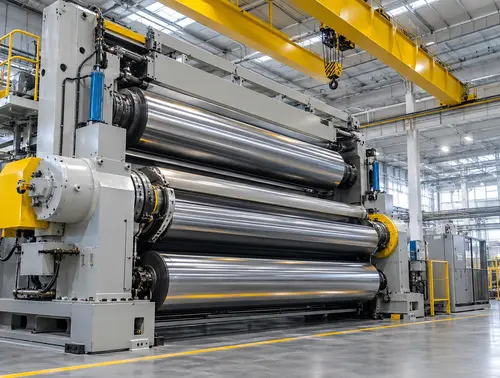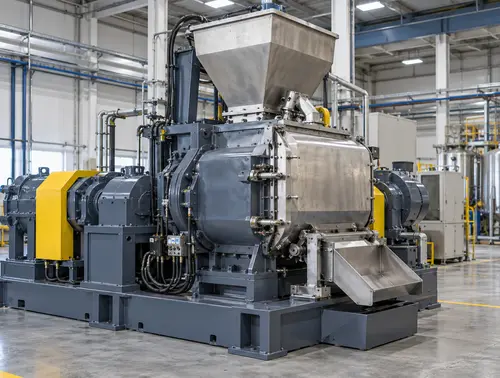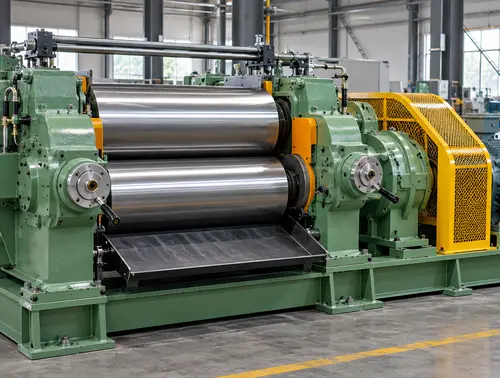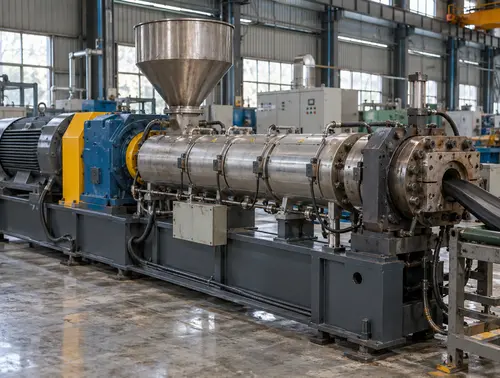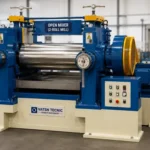
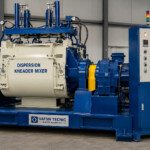

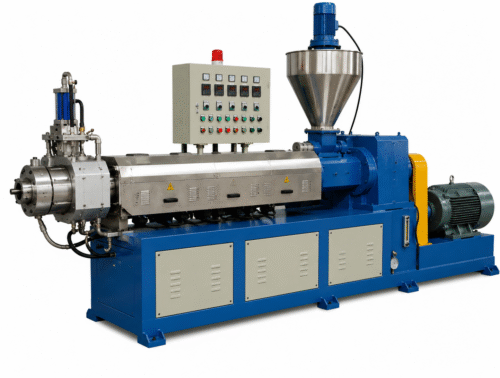
 Rubber Hot Feed Extruder
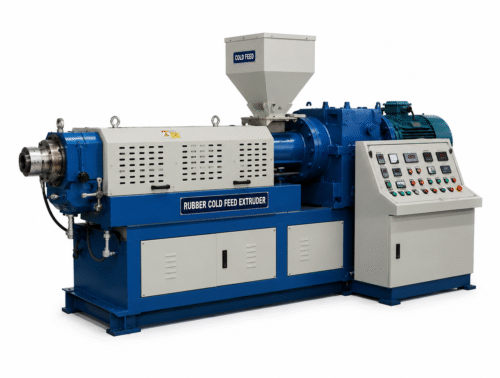 Rubber Cold Feed Extruder
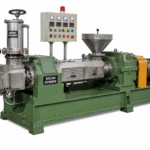 Rubber Strainer – Reclaim Extruder
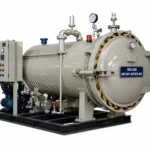 Reclaim Rotary Autoclave
 Compression Molding
 Injection Molding
 Vacuum Molding
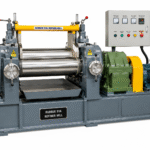 Rubber EVA Refiner Mill
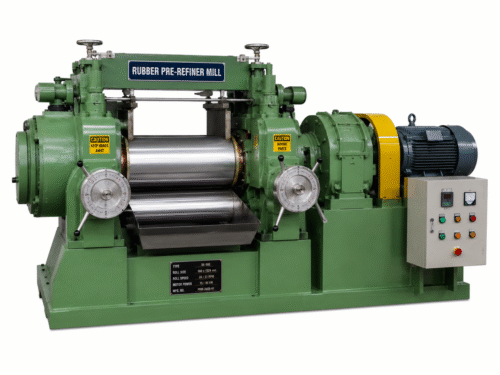 Rubber Pre-Refiner Mill
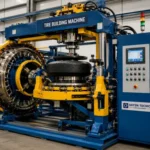 Tire Building Machine
 Tread & sidewall Extruder
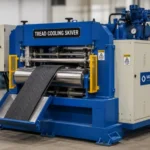 Tread Cooling skiver
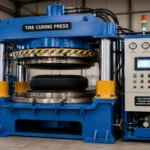 Tire curing press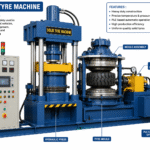
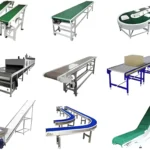
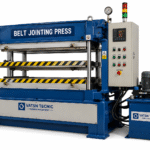 BELT JOINTING PRESS
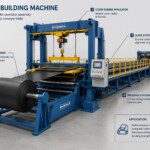 Belt Building Machine
 Eva Footwear Injection Molding Machines
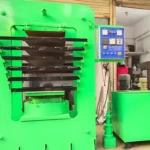 Hawaii Slipper Sole Sheet Machine
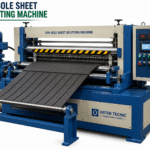 Eva Sole Sheet Splitting
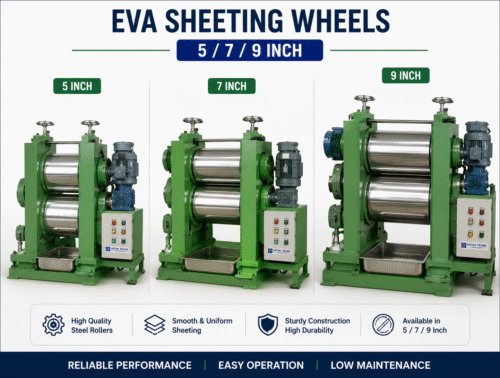 Eva Sheeting Wheels 5/7/9
 PVC Flooring Machine
 Plastic Pelletizing Line
 Filler / Masterbatch / PVC / TPR / EVA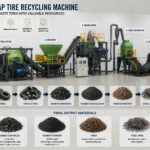
 Breaker – Cracker Mill
 Shredder – Rasper Machines
 Waste Rubber Crumb Grinder Mill
Compare Rubber Extruder Machine in Patna: Choose Hot Feed or Cold Feed

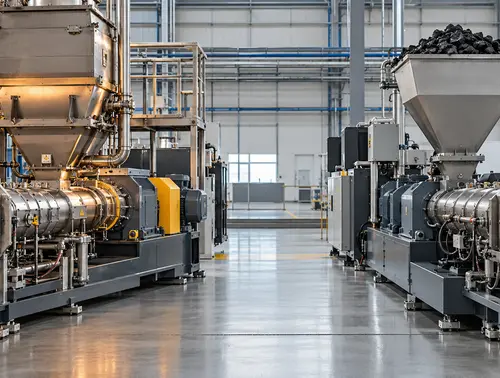
compare rubber extruder machine in Patna should be selected through a written scope, observable inspection evidence and a realistic plan for installation. The useful question is not whether a machine looks complete, but whether its exact configuration, interfaces and test limits fit the intended process. This guide shows how to compare evidence without inventing capacity, condition or performance claims.
Start with the actual process route
Map where compound comes from, its condition at feed, the required profile or preform, and what downstream equipment receives the extrusion. Machine labels alone do not select the correct route; the surrounding process and material handling determine whether a configuration is practical.
Record the intended compound family and the evidence the supplier can safely provide. Avoid converting a trial on one material into a blanket output or quality claim for another formulation.
Understand hot-feed implications
A hot-feed arrangement typically receives warmed, worked compound from an upstream process. The buyer should therefore assess the upstream mill or warming stage, operator handling, feeding consistency, guarding and the timing between preparation and extrusion.
The arrangement may suit an established line, but it creates dependencies. If the upstream equipment is excluded, include that gap in installed-cost and layout planning. Check how feed condition will be controlled and documented during any trial.
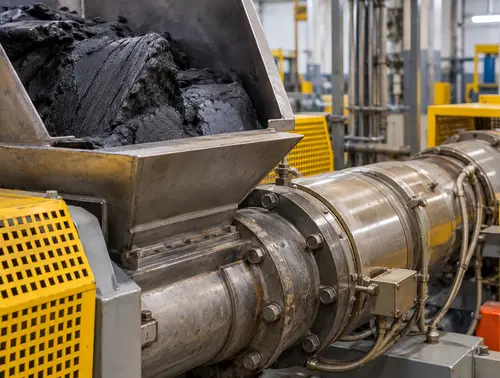
Understand cold-feed implications
A cold-feed layout changes the feeding and temperature-control requirements and may use a longer barrel with multiple utility zones. Inspect the hopper, screw and barrel condition, temperature interfaces, drive and control evidence available for the exact machine.
To compare rubber extruder machine in Patna options fairly, use the same product requirement, compound assumptions, downstream scope and acceptance method. Otherwise the lower-priced offer may simply exclude more of the line.
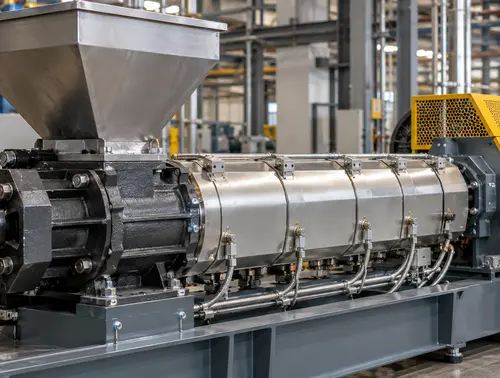
Compare evidence, not labels
Ask for a guarded trial plan covering feed preparation, operating settings, observed temperatures, die and tooling identity, sample handling and shutdown. Measurements should include their location and method.
State whether the die, head, take-off, cooling, cutting, controls and interconnections are included. Keep responsibility for utilities, installation, commissioning and competent safety review visible in the quotation.
Compare the available evidence
| Factor | Hot-feed route | Cold-feed route |
|---|---|---|
| Upstream dependency | Usually relies on warmed compound preparation | May reduce reliance on immediate warm-feed preparation |
| Feed handling | Condition and timing must be controlled | Hopper and feed consistency need review |
| Temperature system | Still requires documented control | Often more barrel-zone interfaces to inspect |
| Best evidence | Integrated line trial | Recorded machine and downstream trial |
Use an accepted, rejected, open or not-applicable status for each line. Attach the photograph, reading, drawing or test note supporting the decision. If a function cannot be checked safely, record the limitation instead of converting missing evidence into an assumption.
Compare commercial approaches
| Offer scope | Advantages | Limitations |
|---|---|---|
| Complete line | Fewer interface gaps | Higher scope and layout complexity |
| Extruder plus selected downstream | Flexible for an existing plant | Buyer must integrate omitted sections |
| Bare extruder | Useful for a planned rebuild | Highest integration uncertainty |
The lowest machine quotation is not automatically the lowest installed cost. Separate machine scope, accessories, dismantling, packing, freight, unloading, foundation work, utilities, installation, trial support, training and taxes. Assign every important exclusion to a named party before payment.
Documents to attach to the quotation
- Machine identity and current configuration
- Included and excluded assemblies
- Inspection and trial method
- Open-item register with owners
- Available utility and foundation information
- Packing, transport and receiving responsibilities
- Payment milestones linked to observable evidence where suitable
- Technical contact and handover documents
Before making a final decision on compare rubber extruder machine in Patna, ask the seller to distinguish verified facts from estimates and unavailable information. Keep the purchase record tied to the exact machine, the intended material and the receiving site.
Vatsn Tecnic can help buyers organize inspection questions, compare documented scope and plan installation support. Review how we work, see our technical services, or use the contact page to discuss the intended process. Safety, electrical, lifting and foundation decisions must remain with competent persons following site rules and applicable requirements.
For general machinery-safety principles, buyers may also review the International Labour Organization safety and health resources. This reference provides general guidance and does not certify any offered machine.
To read More about Rubber Making Machine Visit Here:
https://www.indiamart.com/vatsntecnic/profile.html
Buyer FAQs
Is hot feed always better for warm compound?
Not automatically. Assess the whole process, handling and intended product.
Does cold feed mean no temperature control?
No. Temperature interfaces and operating method still need verification.
Can screw condition be judged externally?
Not fully. Agree safe inspection evidence for the exact machine.
Should the die be included?
Only if the quotation identifies it and its ownership clearly.
Does an empty run prove output?
No. It confirms only selected functions without process load.
How should energy claims be compared?
Use defined boundaries, recorded conditions and comparable production evidence.
What downstream items matter?
Head, tooling, take-off, cooling, cutting and handling interfaces may all matter.
Who verifies electrical and utility compatibility?
Competent professionals using exact equipment and receiving-site data.
Create one comparison worksheet
Place both offers in one worksheet with the same rows for feed preparation, screw and barrel condition, drive, controls, temperature interfaces, head, die, take-off, cooling, cutting, guarding, documentation and commissioning. Mark included, excluded, optional or unverified. This prevents a complete-looking price from being compared with a bare machine price.
Add a short process-flow sketch for each option. Show where compound enters, where temperature is managed, where the profile is supported and cooled, and where it is cut or wound. The sketch helps production, maintenance and project teams identify interface work before purchase.
Before approval, have production, maintenance, electrical and project representatives review the same worksheet. Each group sees different interface risks. Resolve conflicting assumptions in writing, especially about feed preparation, tooling ownership, utilities and downstream equipment. A short multidisciplinary review can reveal exclusions that are easy to miss in a machine-only inspection.
Key takeaway
Choose the machine only after identity, interfaces, safe test evidence and commercial responsibilities are clear. Keep unresolved points visible in the quotation and commissioning plan. A concise evidence pack is more useful than broad claims because it helps the buyer compare options, prepare the site and avoid preventable gaps after dispatch.