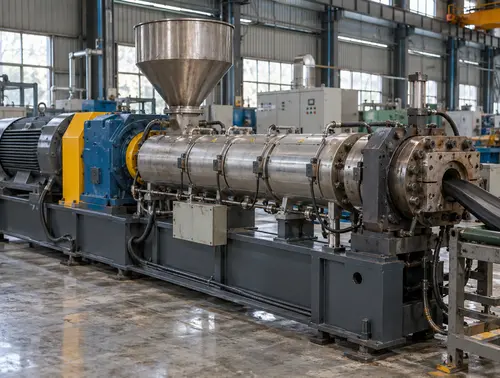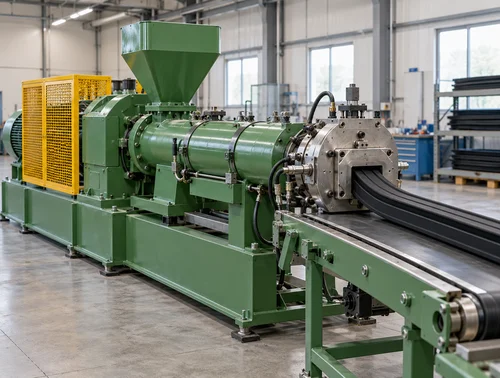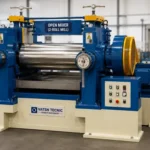
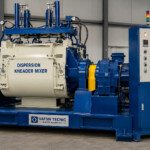
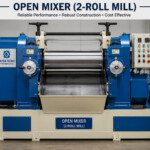
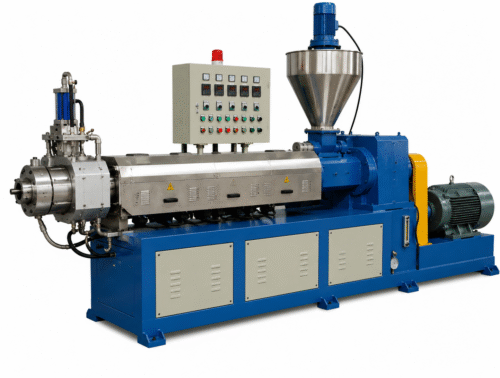
 Rubber Hot Feed Extruder
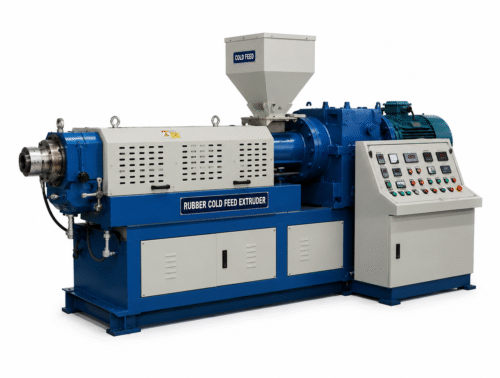 Rubber Cold Feed Extruder
 Rubber Strainer – Reclaim Extruder
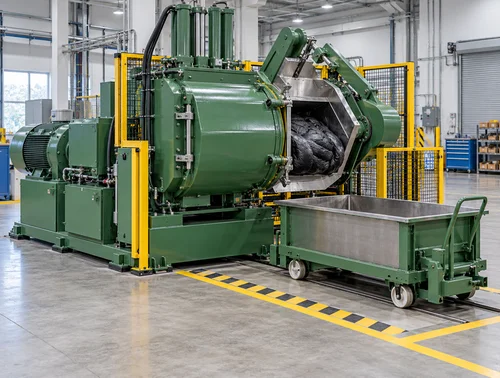
 Reclaim Rotary Autoclave
 Compression Molding
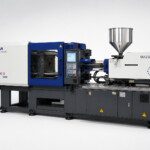 Injection Molding
 Vacuum Molding
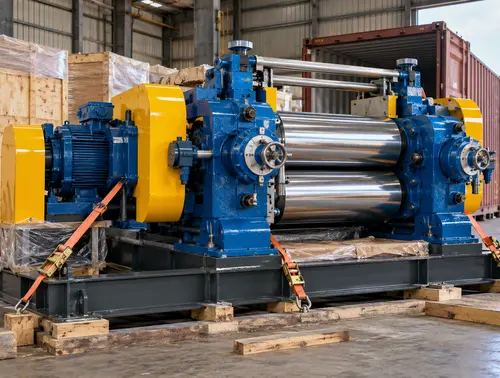
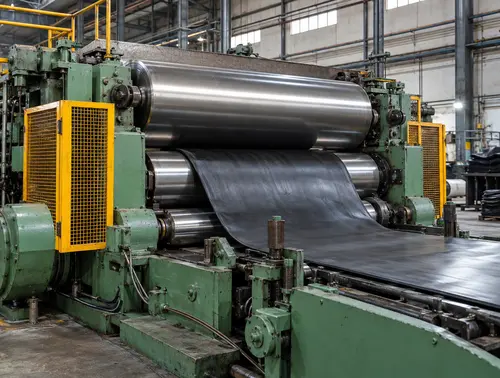
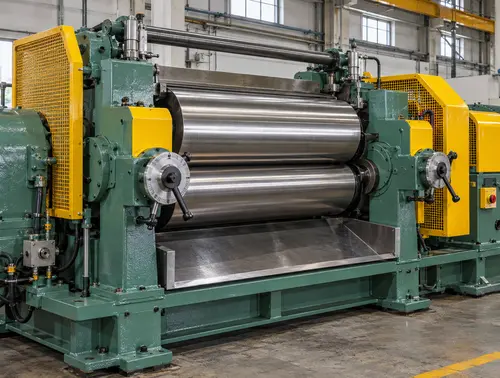
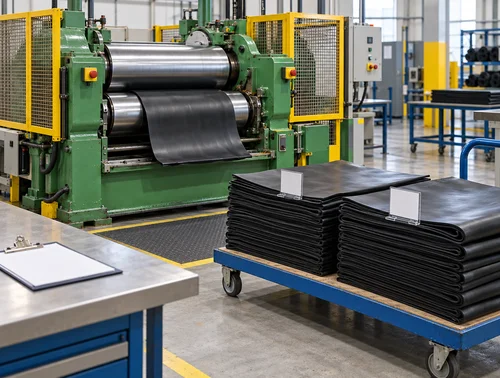
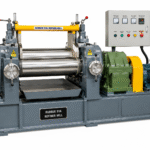 Rubber EVA Refiner Mill
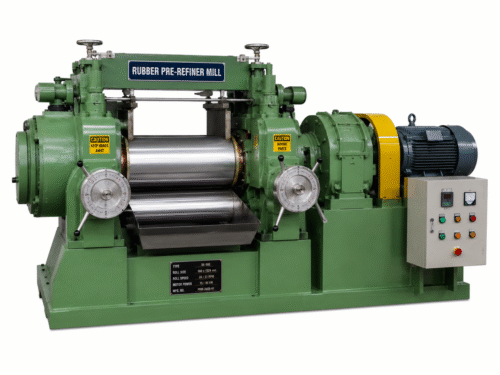 Rubber Pre-Refiner Mill
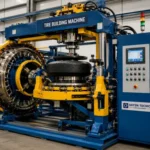 Tire Building Machine
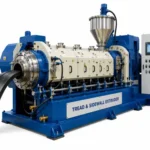 Tread & sidewall Extruder
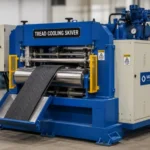 Tread Cooling skiver
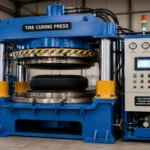 Tire curing press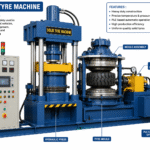
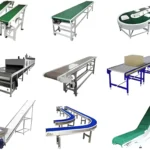
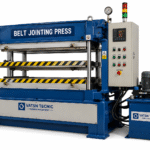 BELT JOINTING PRESS
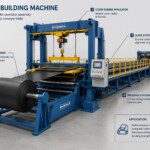 Belt Building Machine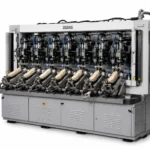
 Eva Footwear Injection Molding Machines
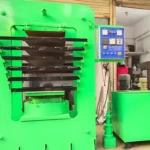 Hawaii Slipper Sole Sheet Machine
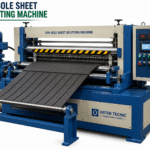 Eva Sole Sheet Splitting
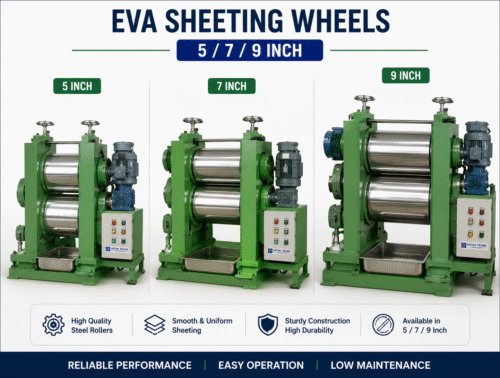 Eva Sheeting Wheels 5/7/9
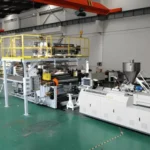 PVC Flooring Machine
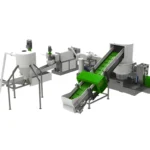 Plastic Pelletizing Line
 Filler / Masterbatch / PVC / TPR / EVA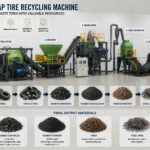
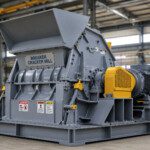 Breaker – Cracker Mill
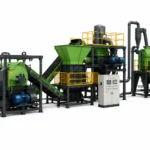 Shredder – Rasper Machines
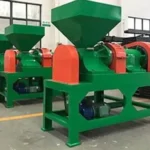 Waste Rubber Crumb Grinder Mill
Second Hand Rubber Mixing Mill in Indore: Inspect the Drive Train

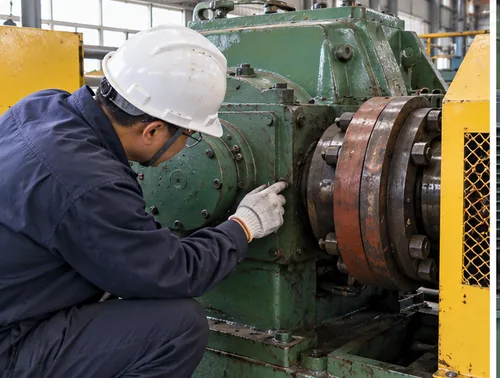
second hand rubber mixing mill in Indore should be shortlisted only after the buyer verifies the motor, gearbox, couplings, bearings and load path that drive the rolls. A photograph, seller statement or short no-load run is not enough. The safer decision uses a written test plan, observable evidence and clear responsibility for every open item. This guide explains what to inspect, what to record and how to compare offers without inventing performance claims.
Trace the drive from motor to rolls
Identify the motor, starter or drive, gearbox, couplings, gears and roll bearings included with the machine. Photograph nameplates where safe and record whether information is readable. Do not assume a separate panel or loose motor belongs to the offered mill without an identifier.
Compare the physical arrangement with available drawings and the receiving site’s power supply. Voltage, frequency, starting method and protection require competent electrical review. Never energize unknown wiring only to confirm that the motor turns.
Inspect gearbox and coupling condition
Look for oil leakage, damaged covers, loose foundations, improvised shims, coupling-guard condition and visible repair history. Ask for lubricant information and maintenance records when available. An oil-free exterior does not prove internal gear condition.
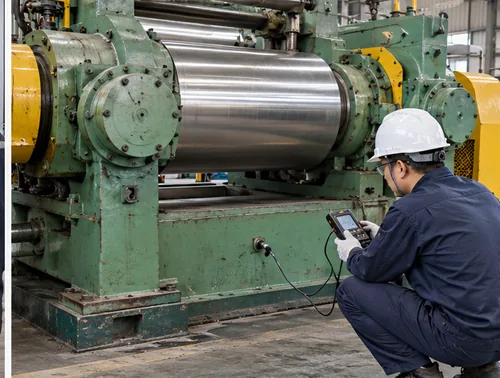
A controlled no-load run can reveal selected noise, leakage and vibration observations. Record speed, duration, warm-up condition and measuring location. Hand-held impressions without a baseline are useful notes, not a diagnosis.
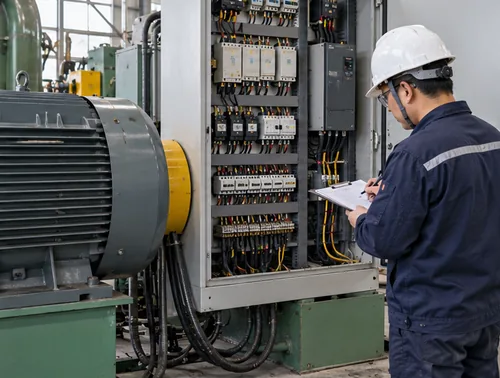
Compare no-load and process evidence
No-load operation confirms only limited mechanical and control functions. A safe material trial can add evidence about load response, roll behaviour and operating stability under the recorded compound and settings. The test should be planned and supervised.
For a second hand rubber mixing mill in Indore, state clearly whether the machine was inspected stopped, run empty or trialled with material. Different evidence levels should lead to different risk allowances and commercial terms.
Plan dismantling and alignment records
Mark coupling positions, supports, guards, cable ends and lubrication points before dismantling. Photograph the installed arrangement and prepare a numbered packing list. Protect machined surfaces and openings during transport.
At the receiving site, foundation, leveling, alignment, guarding and utilities must be checked again. A good dispatch record helps reassembly, but it does not prove the relocated machine is ready for production.
Compare the available evidence
| Check | What good evidence looks like | Risk if skipped |
|---|---|---|
| Motor and panel | Readable identity and competent electrical review | Wrong supply or incomplete controls |
| Gearbox | Leakage, noise and maintenance evidence | Unexpected overhaul requirement |
| Couplings and guards | Condition and secure coverage recorded | Misalignment or exposed rotation |
| Trial level | Stopped, no-load or material trial stated | Evidence overstated in purchase decision |
Mark every line as accepted, rejected, open or not applicable. Add the photograph, reading, drawing or test record used for the decision. This converts an informal inspection into a traceable handover. If the machine cannot be operated safely, record that limitation instead of treating an incomplete trial as proof.
Compare purchase approaches
| Option | Advantages | Limitations |
|---|---|---|
| Machine with process trial | More evidence on loaded behaviour | Needs safe material, operator and time |
| Machine with no-load trial | Useful basic screening | Cannot prove load performance |
| Machine purchased as-is | May suit a planned rebuild | Buyer carries the largest technical uncertainty |
The lowest quotation is not automatically the lowest installed cost. Ask each supplier to separate the machine, included accessories, dismantling, packing, freight, unloading, foundation work, utilities, installation, trial support, training and taxes. Any exclusion that matters to production should be assigned to a named party before payment.
Documents to attach to the quotation
- Machine identification and current configuration
- Included and excluded assemblies
- Inspection and trial method
- Open-item or punch-list register
- Utility and foundation information available for the offered unit
- Packing, loading and receiving responsibilities
- Payment milestones linked to observable evidence where commercially suitable
- Contact details for technical clarification
Vatsn Tecnic can help buyers organize inspection questions, compare documented scope and plan refurbishment or installation support. See how we work, review our technical services, or use the contact page to discuss the required process. Safety, electrical and lifting decisions must remain with competent persons following site rules and applicable requirements.
For general machinery safety principles, buyers may also review the International Labour Organization safety and health resources. The external reference provides general guidance; it does not certify any offered machine.
To read More about Rubber Making Machine Visit Here:
https://www.indiamart.com/vatsntecnic/profile.html
Buyer FAQs
Can gearbox condition be confirmed from noise?
No. Noise is one observation and should be combined with inspection and measurement.
Is no-load vibration useful?
Yes for screening when the method and location are recorded, but it is not a full diagnosis.
Should couplings be marked before dismantling?
Yes, along with guards, supports and alignment references where practical.
Does a new motor make the mill refurbished?
No. Refurbishment should be described component by component.
What if the panel is missing?
Treat the control and protection system as buyer scope unless the offer states otherwise.
Can the machine be trialled without guards?
Do not bypass safeguards; follow the site’s safe operating requirements.
Who approves the foundation?
A competent engineer using the machine loads and site conditions.
What should be photographed?
Nameplates, drive layout, guards, leakage points, supports, wiring interfaces and open items.
How should price comparisons be made?
Compare complete installed scope, repair allowance and evidence, not only machine price.
Ask for a simple drive-train handover pack containing motor data, panel photographs, lubricant information, coupling details, the run record and the final open-item list. These records help the receiving team prepare tools and spares without assuming that an older arrangement matches a current standard drawing.
Key takeaway
Drive-train selection should combine identity, safe trial evidence and a realistic allowance for dismantling and recommissioning. Keep the final decision tied to evidence from the exact machine, the intended compound or product, and the buyer’s real site conditions. Request a written scope and resolve critical open items before dispatch.