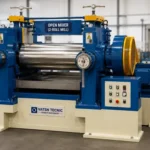
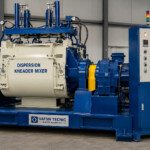

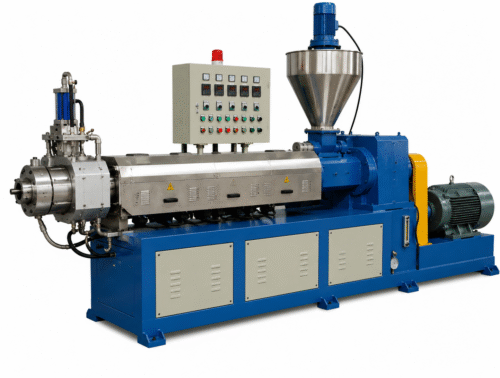
 Rubber Hot Feed Extruder
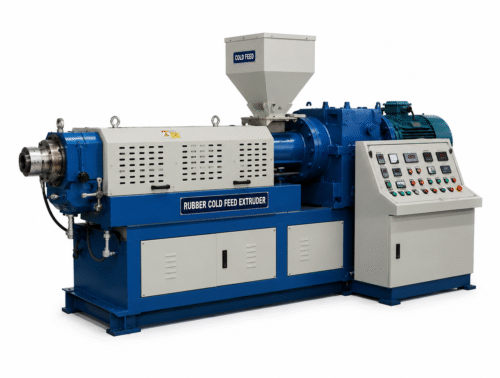 Rubber Cold Feed Extruder
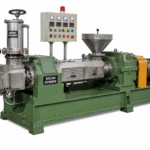 Rubber Strainer – Reclaim Extruder
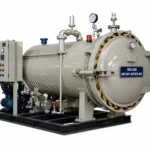 Reclaim Rotary Autoclave
 Compression Molding
 Injection Molding
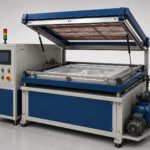 Vacuum Molding
 Rubber EVA Refiner Mill
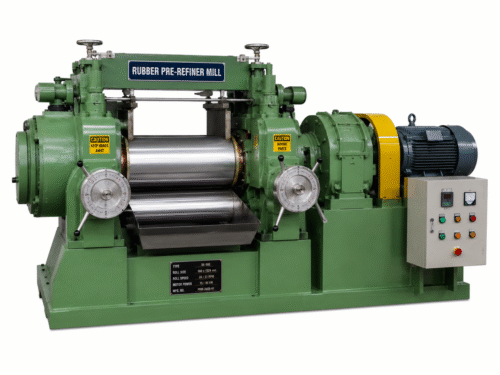 Rubber Pre-Refiner Mill
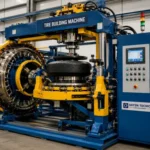 Tire Building Machine
 Tread & sidewall Extruder
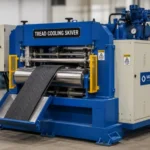 Tread Cooling skiver
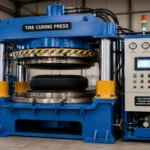 Tire curing press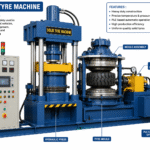
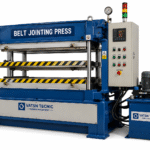 BELT JOINTING PRESS
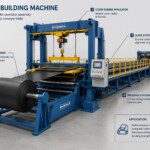 Belt Building Machine
 Eva Footwear Injection Molding Machines
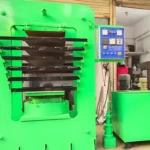 Hawaii Slipper Sole Sheet Machine
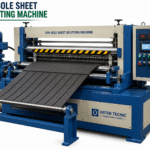 Eva Sole Sheet Splitting
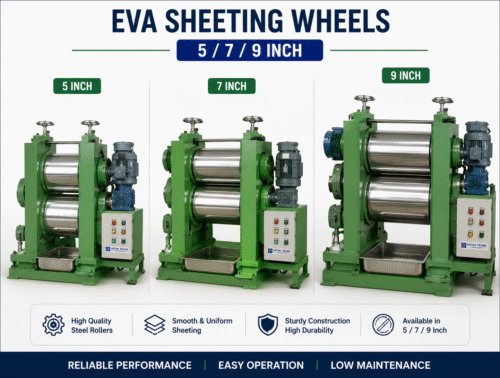 Eva Sheeting Wheels 5/7/9
 PVC Flooring Machine
 Plastic Pelletizing Line
 Filler / Masterbatch / PVC / TPR / EVA
 Breaker – Cracker Mill
 Shredder – Rasper Machines
 Waste Rubber Crumb Grinder Mill
Buy Rubber Extruder Machine in Chennai: Control Die and Tooling Ownership

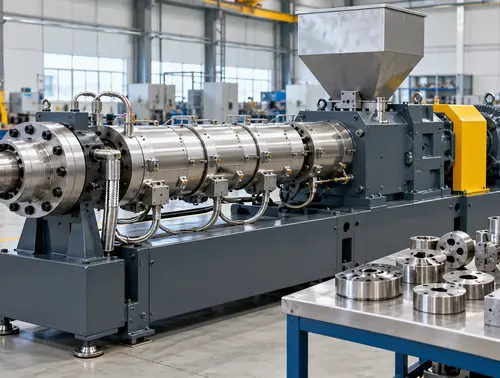
Before you buy a rubber extruder machine in Chennai, define who owns the dies, adapters, drawings and trial corrections. The extruder body may be suitable while the tooling package remains incomplete. A written tooling register prevents disputes over what was tested, what will be delivered and who may reproduce or modify each item.
Begin with the profile and material window
Provide a controlled drawing or approved sample for each profile, together with the relevant compound family and downstream process. Avoid promising performance from profile geometry alone: material behaviour, feed condition, screw and head design, temperature control, line speed and cooling all interact. Agree which variables will be fixed during the acceptance trial.
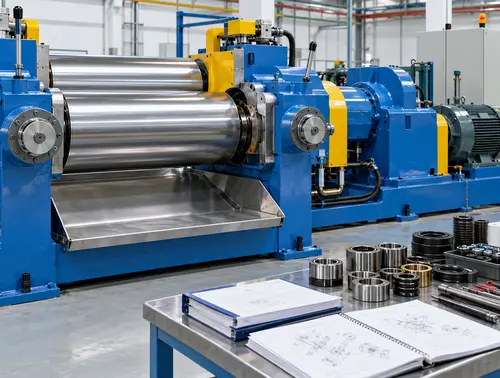
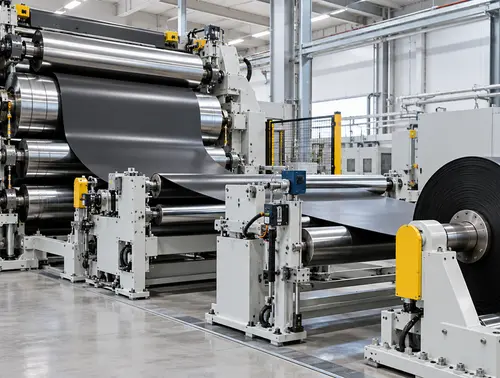
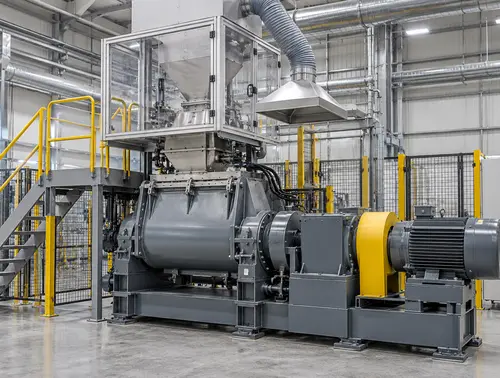
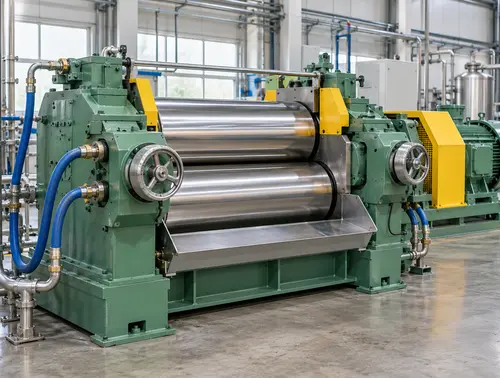
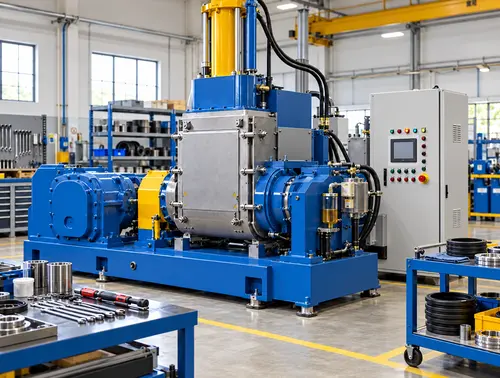
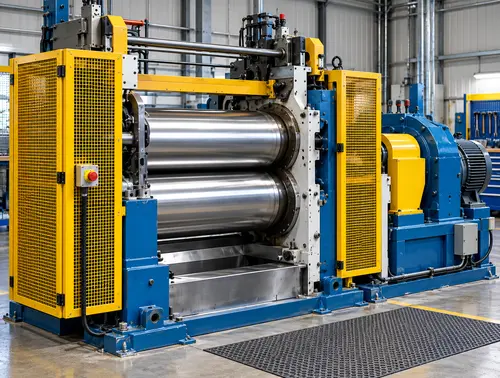
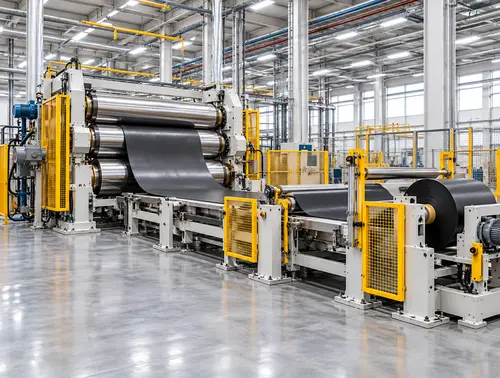
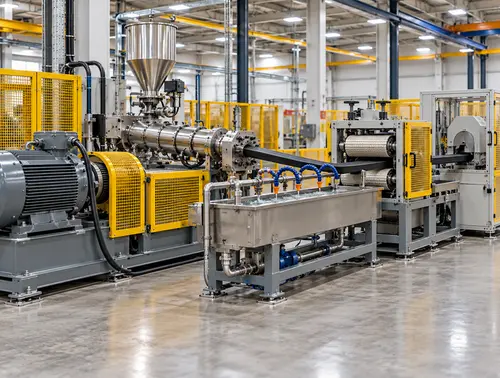
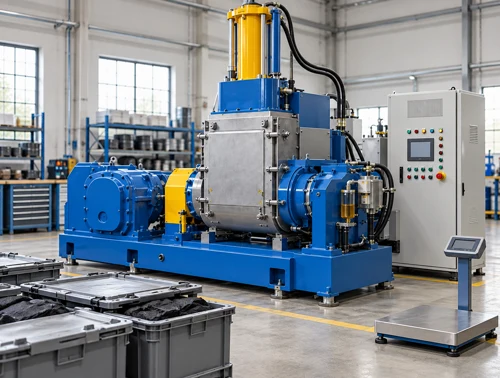
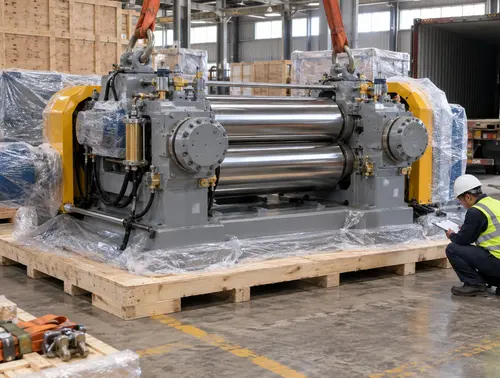
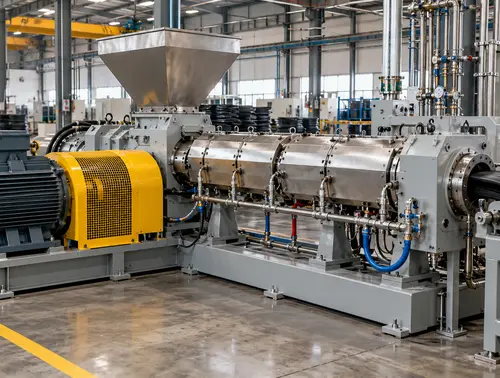
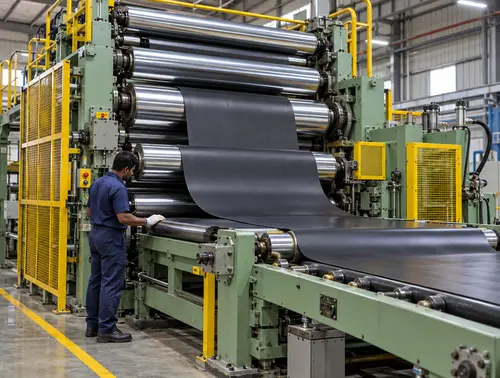
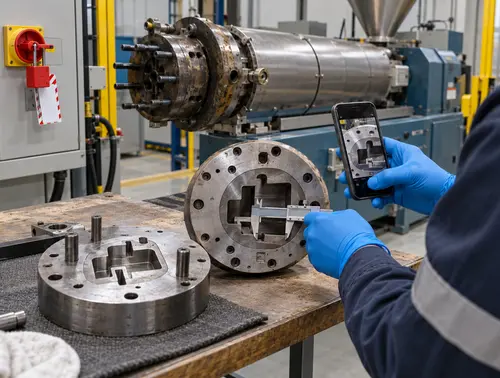
The images are generic illustrations, not evidence of a particular extruder or die set. For mechanical due diligence, see Vatsn Tecnic’s extruder screw and barrel wear guide.
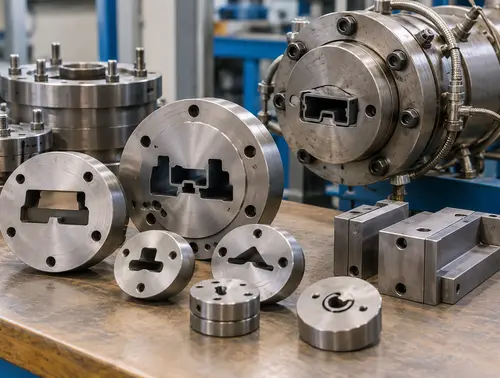
Create a tooling register
Assign a unique identifier to each head, breaker plate, adapter, die body, insert, former and gauge. Record the profile or product, revision, material, key dimensions, drawing owner, storage location, condition and trial result. Photograph both faces and any marks. If a component is seller-owned trial tooling, state that clearly instead of assuming it will ship with the machine.
| Register field | Why it matters | Evidence |
|---|---|---|
| Tool ID and revision | Links the physical die to the approved geometry | Mark, photograph and drawing |
| Ownership | Clarifies delivery, copying and modification rights | Purchase-order or tooling agreement |
| Condition | Separates usable tooling from repair candidates | Inspection and measured dimensions |
| Trial result | Shows which recorded setup produced the sample | Run sheet and labelled sample |
Evaluate changeover work
Ask for the safe isolation, cooling, removal, cleaning, assembly and start-up sequence. Observe access to fasteners, lifting needs, hot surfaces and storage. A quick change claimed during a demonstration may rely on extra staff or preheated spare components that are not in the quotation. Record the actual resources and boundary conditions.
Use competent personnel and the manufacturer’s instructions for actual machinery. The UK HSE maintenance guidance explains general reasons for safe isolation and planned maintenance; it does not replace the project risk assessment or local law.
| Tooling approach | Advantage | Trade-off |
|---|---|---|
| Dedicated complete die per profile | Reduces shared-component ambiguity | Higher tooling inventory and storage needs |
| Common body with replaceable inserts | Can simplify families of related profiles | Compatibility and revision control become critical |
| Seller-retained trial tool | May reduce initial commitment during development | Buyer may lack production tooling after acceptance |
| Buyer-owned drawings and tools | Supports future maintenance and controlled sourcing | Ownership does not by itself ensure process knowledge |
Link samples to settings
A sample without a run sheet has limited value. Record compound identification, feed condition, screw and line settings, head and die IDs, temperature readings, cooling arrangement, start time, steady-state interval and measurement method. Preserve a labelled sample and note whether dimensions were checked hot, conditioned or after further processing.
If correction is required, define the approval loop: who proposes the change, who authorizes metal removal, how revisions are numbered and who pays for additional trials. Never alter the only accepted die without an agreed backup or recovery plan.
Purchase-order checklist
- List every included head, adapter, die and insert.
- Identify the owner of physical tools and drawings.
- State permitted reproduction and modification rights.
- Define profile drawings and revision control.
- Agree representative compounds and trial conditions.
- Record changeover method, staff and lifting equipment.
- Specify cleaning, preservation and storage requirements.
- Link payment to delivery of tools, records and accepted samples.
Plan tooling storage and future support
Tooling can be damaged after a successful trial if it is moved without protection, stored wet or mixed with an older revision. Define racks or containers, lifting points, corrosion protection and inspection before reuse. Preserve trial residue or clean the die only by an approved method; aggressive cleaning can change critical surfaces or dimensions.
Ask how replacement tools will be ordered after handover. A useful package identifies the controlled drawing, material or treatment requirement, critical dimensions and inspection method. It should also state whether the supplier keeps a master drawing and how the buyer will be told about any revision. Do not rely on a phone photograph as the only production definition.
Training should follow the real changeover
Operator training should include identification, safe isolation, lifting, assembly order, tightening method, heating or cooling precautions, first-off inspection and storage. Record attendance and questions, but do not treat attendance alone as competence. The employer remains responsible for suitable instruction, supervision and authorization for the actual work. Give the maintenance team the same revision-controlled register so production and workshop staff use identical tool names. After training, verify that storage locations, lifting aids and inspection instruments are available at the site, not only during the supplier demonstration.
To read More about Rubber Making Machine Visit Here:
https://www.indiamart.com/vatsntecnic/profile.html
Frequently asked questions
Does the extruder price normally include production dies?
There is no safe assumption. The quotation must list each included tool and its ownership.
Why assign tool IDs?
IDs connect physical components, drawings, settings, samples and maintenance history to the same revision.
Can a sample approve the die?
Only against agreed dimensions, material, conditioning and process settings recorded for that run.
Who should approve die corrections?
The purchase agreement should name authorized technical representatives and the revision-control process.
Should spare inserts be ordered?
Assess wear risk, lead time and production criticality; do not order arbitrary spares without drawings and a reason.
What changeover time should be accepted?
Use a witnessed method with stated staff, temperatures, tools and starting conditions rather than a headline claim.
What if the seller owns the drawings?
Document the buyer’s access, reproduction, repair and future-supply rights before purchase.
How should tools be stored?
Follow material-appropriate cleaning, protection, identification and storage instructions to prevent damage and mix-ups.
Practical buyer next step
Send Vatsn Tecnic the controlled profile requirements and tooling questions. Request a signed tooling register before you buy a rubber extruder machine in Chennai.