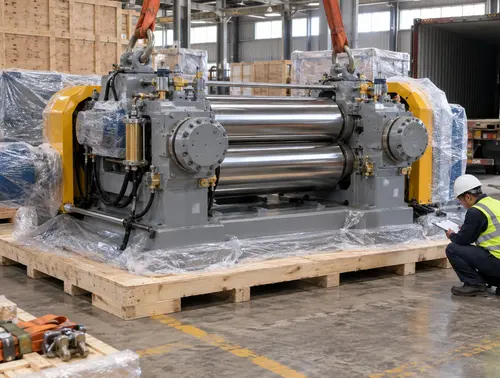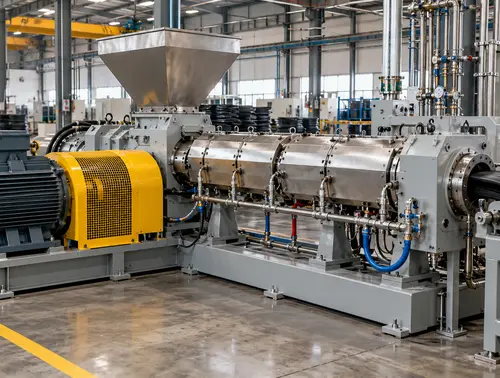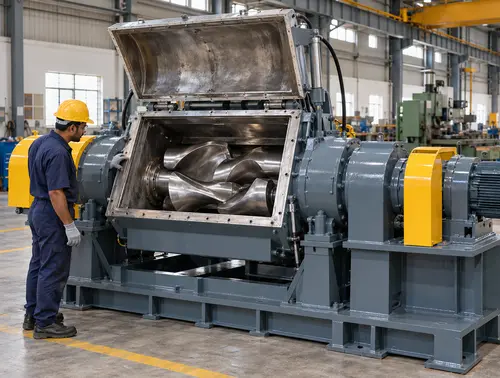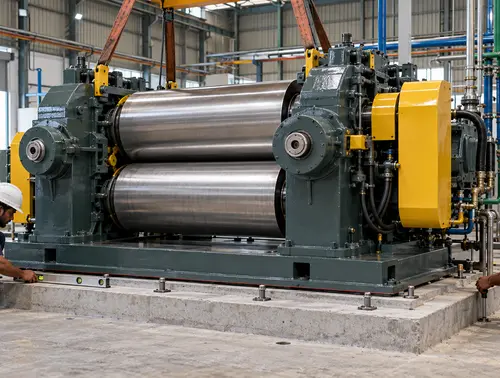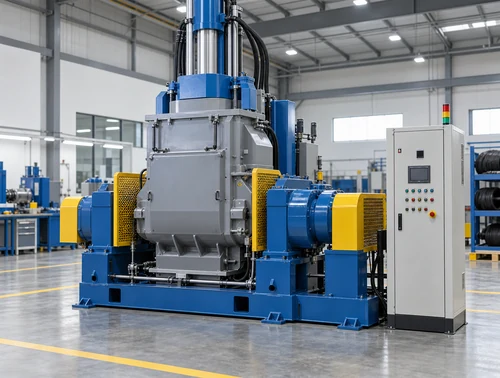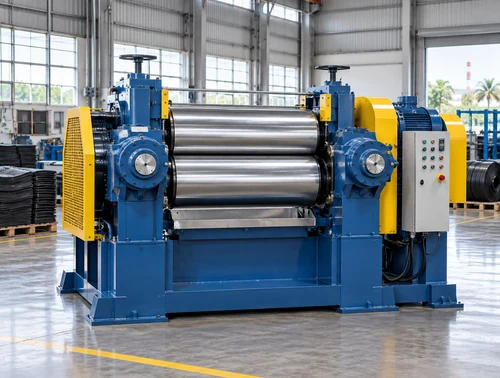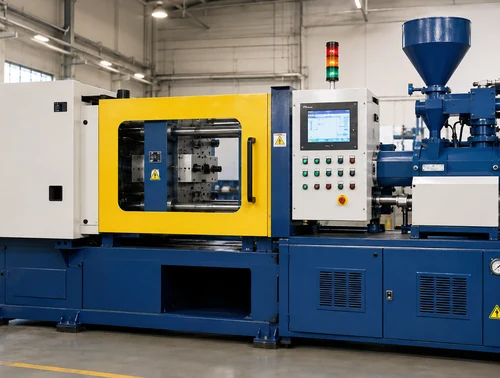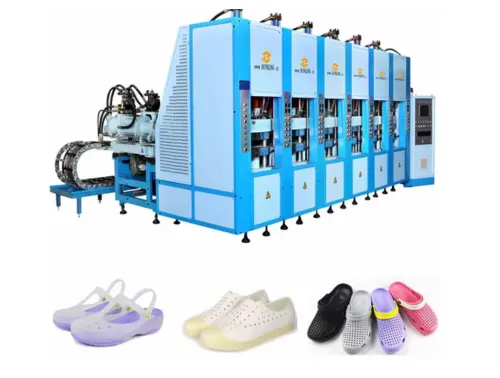
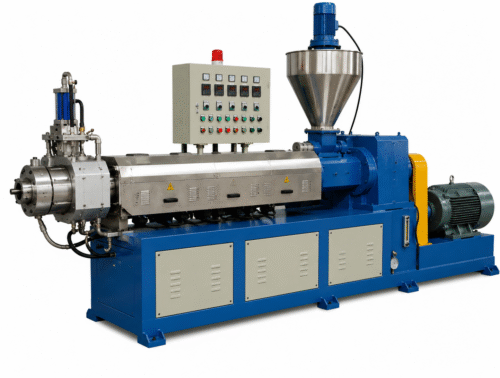
 Rubber Hot Feed Extruder
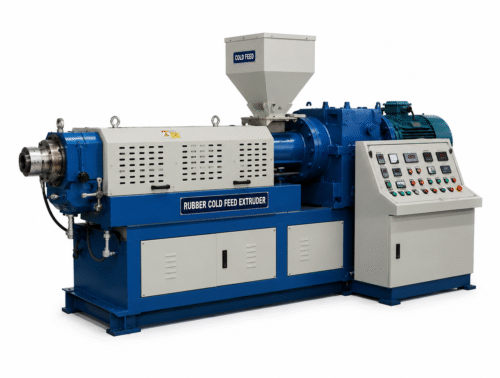 Rubber Cold Feed Extruder
 Rubber Strainer – Reclaim Extruder
 Reclaim Rotary Autoclave
 Compression Molding
 Injection Molding
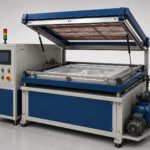 Vacuum Molding
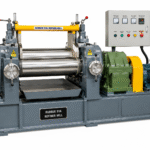 Rubber EVA Refiner Mill
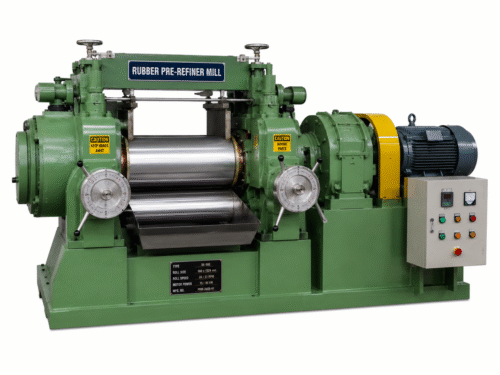 Rubber Pre-Refiner Mill
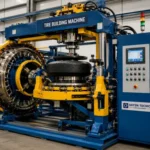 Tire Building Machine
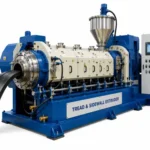 Tread & sidewall Extruder
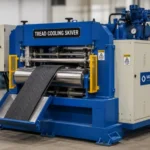 Tread Cooling skiver
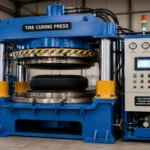 Tire curing press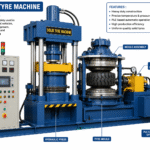
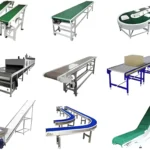
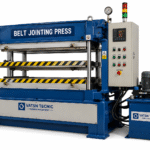 BELT JOINTING PRESS
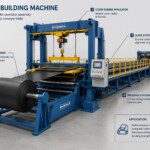 Belt Building Machine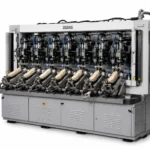
 Eva Footwear Injection Molding Machines
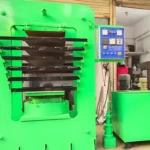 Hawaii Slipper Sole Sheet Machine
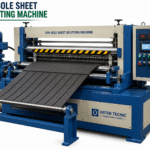 Eva Sole Sheet Splitting
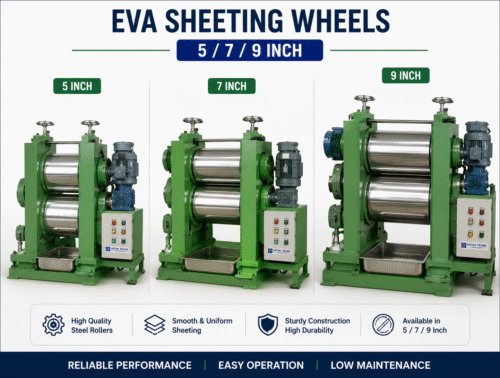 Eva Sheeting Wheels 5/7/9
 PVC Flooring Machine
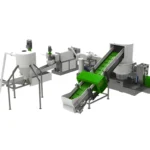 Plastic Pelletizing Line
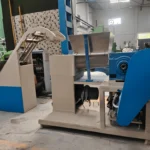 Filler / Masterbatch / PVC / TPR / EVA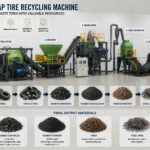
 Breaker – Cracker Mill
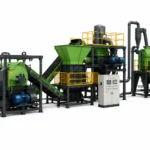 Shredder – Rasper Machines
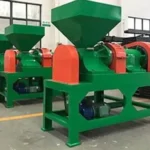 Waste Rubber Crumb Grinder Mill
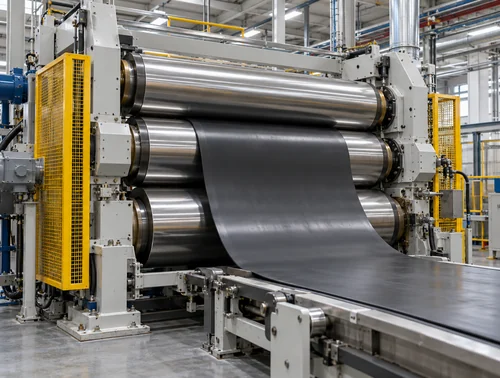
Compare Rubber Calendar Machine in Chennai: Sheet or Fabric Coating Trials

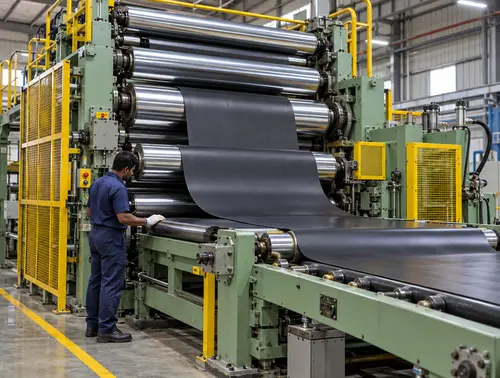
A rubber calendar machine in Chennai should be compared through a trial that matches your intended job: free sheet production, fabric coating or another defined process. A smooth demonstration sheet alone does not prove coating suitability. Give the supplier your material and acceptance requirements, then evaluate the complete proposed line and the resulting samples.
“Calendar” is the product name used here; this machinery is commonly called a rubber calender. This guide focuses on trial planning for process selection. Buyers assessing used roll condition can also consult our calender inspection guide.
Rubber calendar machine in Chennai: begin with the finished product
Write a product brief before asking how many rolls you need. Describe the compound, sheet or substrate, intended dimensions and quality checks. Where fabric is involved, specify the actual fabric and the required coating result. Ask your process specialist to define the criteria the supplier must demonstrate, rather than borrowing tolerances from a different application.
Include downstream handling in the brief. A sample taken directly from a roll does not show how the material behaves during cooling, collection or subsequent processing. Decide which stages belong in the acceptance trial and which require a separate test at the buyer’s factory.
Explain what the demonstration must answer
- Can the proposed arrangement perform the intended operation?
- Are the sample results acceptable under recorded conditions?
- Which feeding and handling auxiliaries are needed?
- Which limitations remain outside the demonstrated scope?
Use this question list to keep a quotation meeting focused. A general discussion of machine features is useful, but it should lead to evidence about your specific product.
Roll arrangements are a starting point, not a verdict
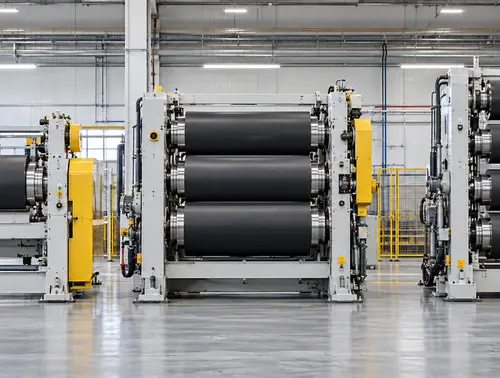
NS Mixing’s calender information lists two-, three- and four-roll configurations, several arrangements, and optional feeding and collection equipment. This demonstrates why roll count alone is an incomplete description of a proposed line. Confirm the actual arrangement and included auxiliaries for the unit offered; do not assume catalogue options are fitted.
Ask for a process-flow drawing showing where material enters, which operations take place and how it is collected. Your technical reviewer should check the proposed path against the product brief. If two suppliers propose different layouts, ask each to explain the trade-offs and demonstrate the relevant operation.
Compare trial objectives for sheet and coating work
| Trial objective | Useful evidence | Limitation to manage |
|---|---|---|
| Free sheet production | Samples assessed against the agreed sheet requirements. | Does not demonstrate coating on your fabric. |
| Fabric coating | Samples made with the specified substrate and compound. | Requires suitable feed and fabric handling. |
| More than one intended product | Separate recorded trials for each important job. | One successful application cannot validate all others. |
Choose representative materials with your production team. If the supplier substitutes a different compound or fabric, identify the change in the trial record. The trial may still be useful, but its conclusions should be limited to what was actually demonstrated.
Write acceptance criteria before making samples
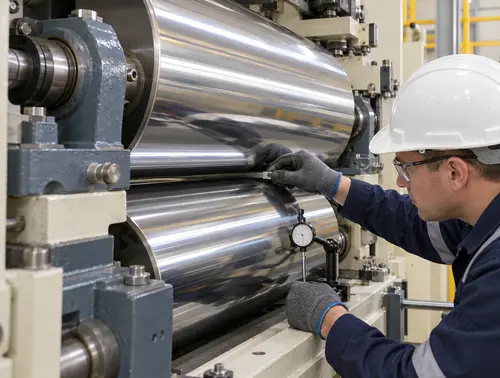
Agree the sampling locations, measurement methods and responsibility for assessment. Define what counts as an acceptable sample, how disputed results will be reviewed and whether another trial is allowed. Where laboratory testing is required, agree who handles the samples and retains the reports.
Keep operating settings and observations with the samples. Include any adjustments made during the trial and distinguish startup material from the agreed evaluation portion. A single selected photograph cannot replace a traceable sample record. Ask to retain both acceptable and rejected sample observations so that the final decision reflects the whole test.
Compare demonstration formats
| Format | Advantage | Trade-off |
|---|---|---|
| Supplier’s standard demonstration | A convenient first look at operation. | May use a different material or incomplete line. |
| Buyer-material workshop trial | More directly relevant to the intended product. | Requires material preparation and an agreed test scope. |
| Site acceptance after installation | Checks the line in its production setting. | Important unresolved risks should be addressed before dispatch. |
These formats can complement one another. Agree which questions each stage will settle and which evidence is needed before a payment or delivery milestone. Avoid treating a preliminary demonstration as final acceptance simply because it was easy to arrange.
Keep safe operation separate from product quality
A sample that meets the product requirement does not establish safe machine operation. Have competent personnel assess guarding, stopping systems and the proposed workflow using the machine instructions and applicable requirements. For background, OSHA’s mills and calenders reference covers safety controls in a United States regulatory context; it does not establish Indian compliance.
Prepare a quotation brief that suppliers can answer
- Identify the intended product and actual trial materials.
- Attach the acceptance requirements and assessment method.
- Request the proposed process flow and complete scope of supply.
- Separate workshop testing from site acceptance.
- Record exclusions, unresolved questions and the next decision.
For a rubber calendar machine in Chennai, contact Vatsn Tecnic with your sheet or fabric-coating brief through the enquiry page. Ask for application-specific assessment and current machine details. Related equipment can be reviewed in the rubber processing machinery category. This guide makes no claim about a unit’s availability, specifications or guaranteed production result.
To read More about Rubber Making Machine Visit Here:
https://www.indiamart.com/vatsntecnic/profile.html
Buyer FAQs
Does more roll count always mean better suitability?
No. Suitability depends on the intended operation and complete arrangement. Ask for a process explanation and a relevant trial.
Can a sheet trial prove fabric-coating capability?
It cannot prove performance on an untested substrate. Plan a coating trial with the fabric and compound you intend to use.
Should I supply my own compound?
A representative buyer material can make the trial more useful. Agree preparation, quantity and handling requirements with the supplier beforehand.
Who should set the sample acceptance limits?
The buyer’s process or quality team should define application requirements and agree the assessment method with the supplier.
Are feeding and collection units always included?
No. Ask for an itemised scope and identify which auxiliaries the proposed process needs.
What if the demonstration uses another fabric?
Record the substitution and limit conclusions accordingly. Arrange a further test if your purchase depends on the specified substrate.
Is visual inspection enough for every sample?
No. Use the quality checks appropriate to the intended product, including laboratory assessment where your requirements call for it.
What belongs in the final trial report?
Retain machine identity, materials, settings, sampling details, measurements, observations, acceptance decisions and unresolved actions.