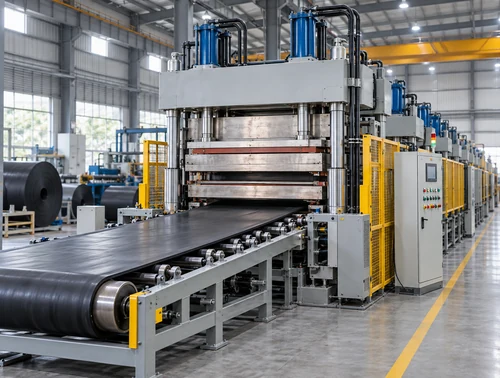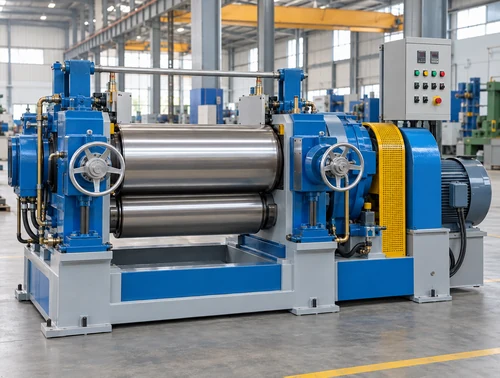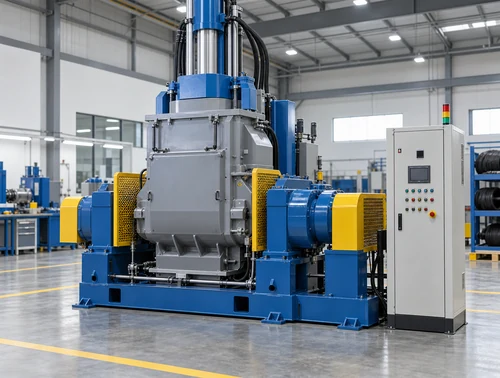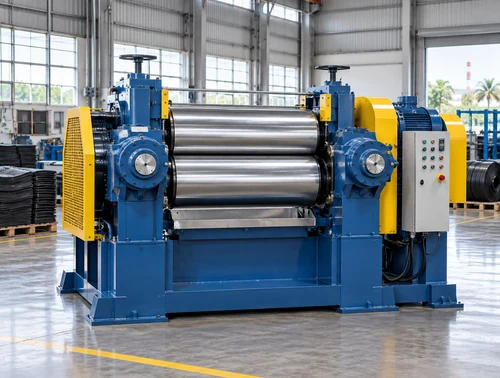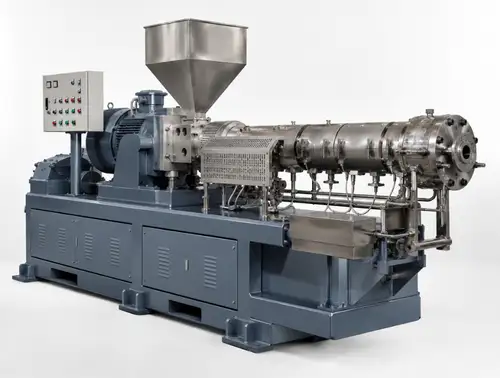
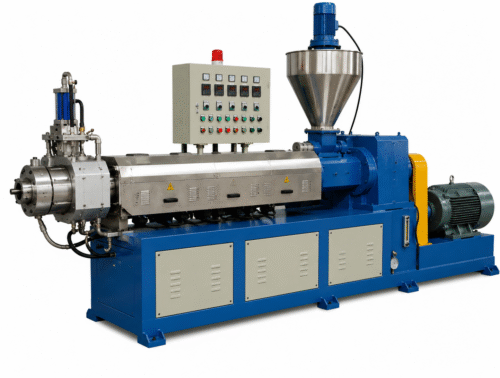
 Rubber Hot Feed Extruder
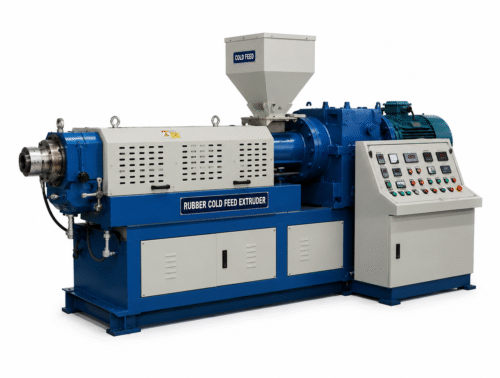 Rubber Cold Feed Extruder
 Rubber Strainer – Reclaim Extruder
 Reclaim Rotary Autoclave
 Compression Molding
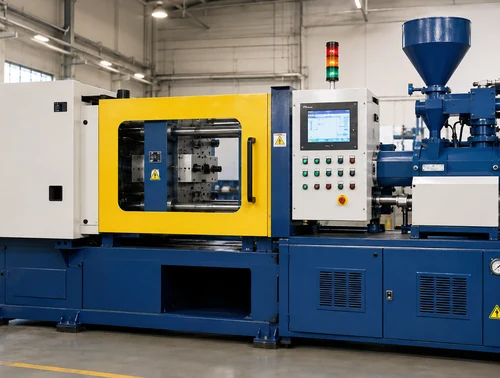
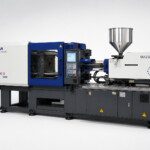 Injection Molding
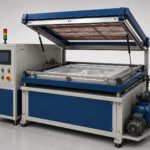 Vacuum Molding
 Rubber EVA Refiner Mill
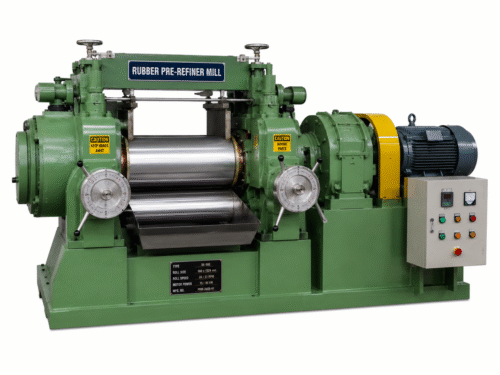 Rubber Pre-Refiner Mill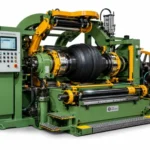
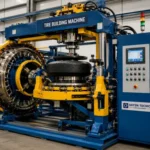 Tire Building Machine
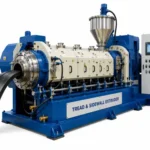 Tread & sidewall Extruder
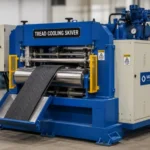 Tread Cooling skiver
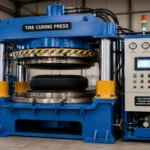 Tire curing press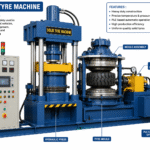
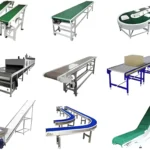
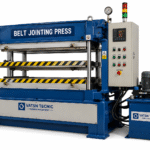 BELT JOINTING PRESS
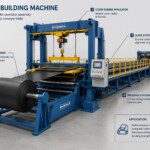 Belt Building Machine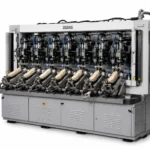
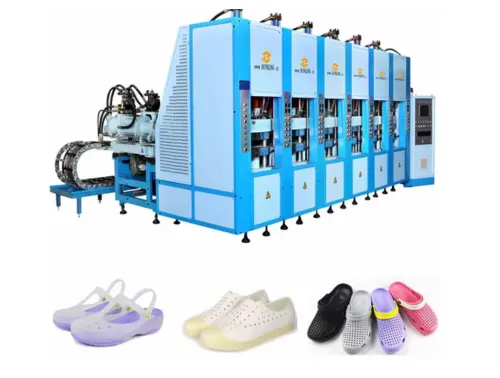
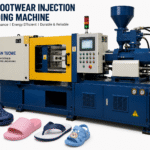 Eva Footwear Injection Molding Machines
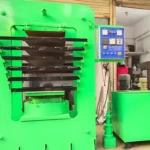 Hawaii Slipper Sole Sheet Machine
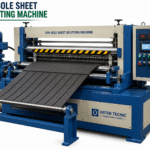 Eva Sole Sheet Splitting
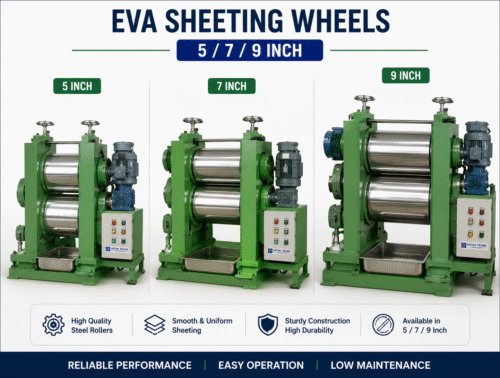 Eva Sheeting Wheels 5/7/9
 PVC Flooring Machine
 Plastic Pelletizing Line
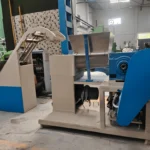 Filler / Masterbatch / PVC / TPR / EVA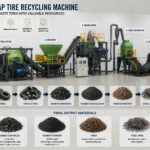
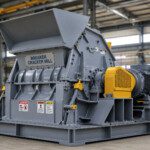 Breaker – Cracker Mill
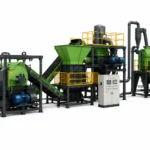 Shredder – Rasper Machines
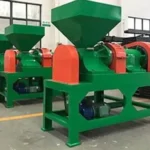 Waste Rubber Crumb Grinder Mill
List of footwear manufacturing machine and how to setup them in 2026

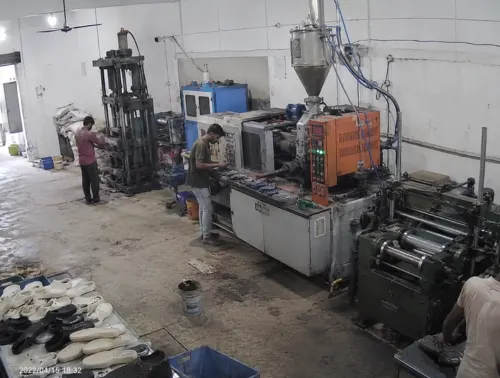
India’s footwear manufacturing sector is expanding rapidly in 2026. New factories are opening across Agra, Bahadurgarh, Tamil Nadu, and Gujarat. The growing demand for affordable footwear has increased interest in footwear factory setup machines among startups and industrial investors.
Manufacturers now seek automated systems that improve speed, reduce labor dependency, and support mass production. Therefore, understanding footwear factory setup machines has become essential for entrepreneurs entering the footwear business.
What Happened in footwear factory setup machines
India’s footwear machinery market recorded major investment growth during the last year. Industry suppliers reported increased demand for EVA molding systems, hydraulic presses, and rubber mixing mills.
Moreover, many small manufacturers are shifting from manual production to semi-automatic systems. As a result, footwear factory setup machines now play a central role in industrial expansion plans.
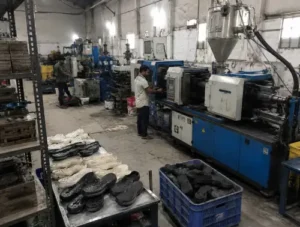
footwear factory setup machines driving industrial growth
Government-backed MSME financing and export demand pushed factory owners toward automation. In addition, labor shortages accelerated machine adoption in footwear clusters.
Background and Context of footwear factory setup machines
India remains one of the world’s largest footwear producers. However, older factories often rely on outdated equipment and manual workflows.
Modern production requires consistent quality and higher output. Therefore, manufacturers increasingly invest in footwear factory setup machines to remain competitive.
footwear factory setup machines and the bigger industry shift
Global footwear brands now prioritize lightweight products and faster manufacturing cycles. Consequently, factories need advanced molding and cutting systems.
Industry reports also show rising demand for EVA-based slippers and injection-molded footwear.
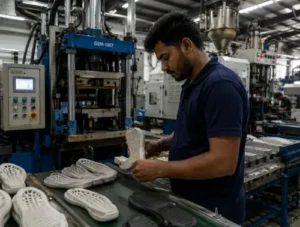
List of footwear factory setup machines
Several machines are essential for a modern footwear manufacturing unit.
footwear factory setup machines for sole production
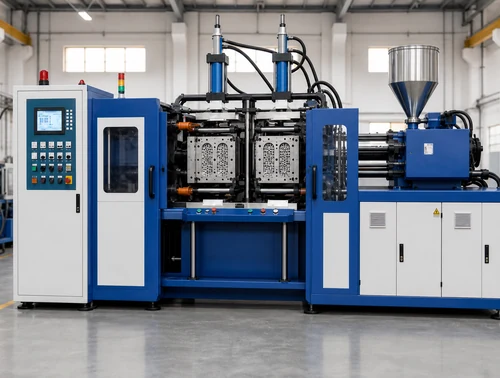
- EVA Injection Molding Machine
- PU Sole Injection Machine
- Rubber Sole Press Machine
- Hydraulic Sole Molding Machine
footwear factory setup machines for material preparation
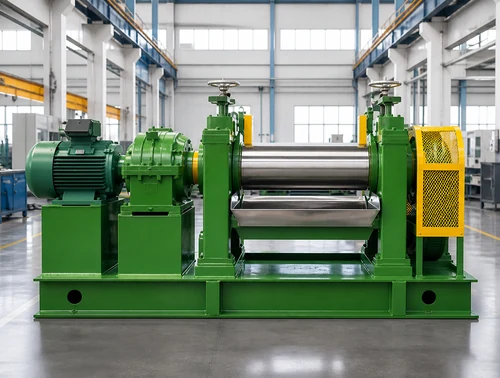
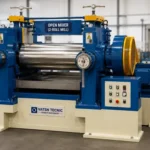
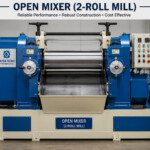
- Rubber Mixing Mill
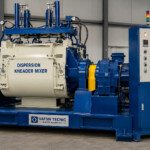
- Kneader Machine
- Granule Mixing System
footwear factory setup machines for finishing operations
- Sole Cutting Machine
- Trimming Machine
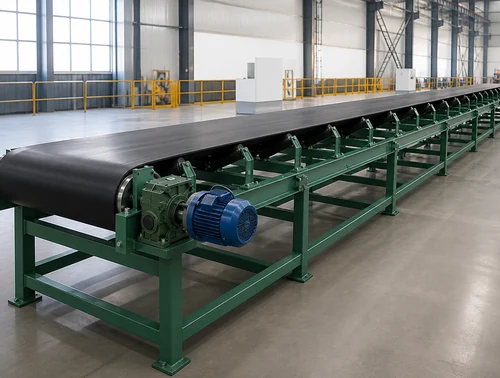
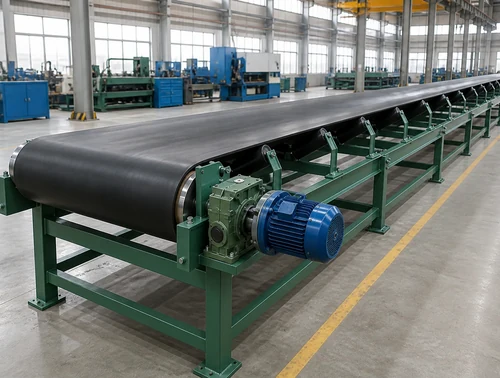
- Cooling Conveyor System
- Polishing Equipment
- Rubber Mixing Mills
- Injection Molding Systems
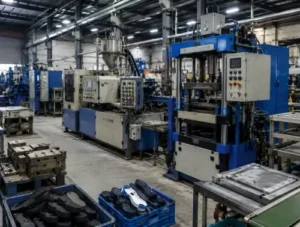
How to setup footwear factory setup machines
Factory planning begins with location selection and power availability. Most units require industrial electricity and proper ventilation systems.
Moreover, layout planning directly affects workflow efficiency. Experts recommend separating molding, cooling, and finishing areas.
footwear factory setup machines installation process
- Select industrial land near transport routes
- Install electrical and hydraulic systems
- Position molding and mixing machines
- Conduct trial production runs
- Train operators and technicians
Vatsntecnic engineers recommend preventive maintenance during the first production phase.
Key Details You Should Know about footwear factory setup machines
- Agra and Bahadurgarh remain major footwear hubs
- EVA slippers show rising export demand
- Semi-automatic systems reduce labor costs
- Automated machines improve consistency
- MSME financing supports industrial setup
- Production scalability depends on machine selection
An engineer associated with Vatsntecnic explained the importance of machine calibration. He noted that precise temperature control reduces material wastage significantly.
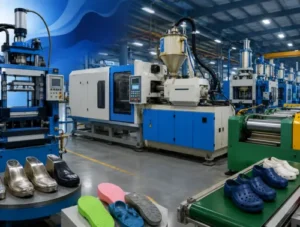
Comparison Chart for footwear factory setup machines
| Machine Category | Approximate Investment | Profit Potential | Business Advantage |
|---|---|---|---|
| EVA Injection Machine | Medium | High | Fast mass production |
| PU Sole Machine | High | Very High | Premium footwear quality |
| Hydraulic Press Machine | Medium | Medium | Durable industrial output |
| Rubber Mixing Mill | Medium | High | Better raw material blending |
| Semi-Automatic Slipper Machine | Low | Medium | Lower startup investment |
Production Benefits Chart
| Benefit | Impact on Production |
|---|---|
| Automation | Faster manufacturing speed |
| Temperature Control | Lower material rejection |
| Hydraulic Systems | Consistent molding pressure |
| Conveyor Cooling | Improved product finishing |
| Smart Sensors | Reduced maintenance downtime |
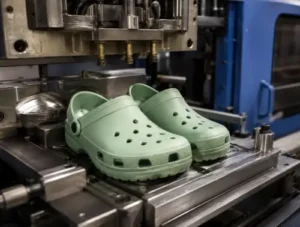
Impact and Reactions to footwear factory setup machines
Industry experts believe automation will define future footwear manufacturing competitiveness. Furthermore, exporters now prefer factories with advanced machinery capabilities.
How footwear factory setup machines are affecting small manufacturers
Small factories now access affordable semi-automatic systems. Consequently, rural manufacturing clusters are expanding rapidly.
Cost, Output, or Outcome — What the data shows for footwear factory setup machines
- Automated systems increase production by 20–30%
- EVA production reduces operating costs significantly
- Hydraulic molding improves consistency rates
- Modern systems reduce manual dependency
Challenges and Concerns in footwear factory setup machines
Machine investment costs remain a major challenge for small manufacturers. Moreover, skilled technicians are still limited in many industrial regions.
Why some are still struggling with footwear factory setup machines
Older factories often lack infrastructure for advanced automation systems. In addition, maintenance expertise remains expensive for smaller businesses.
Power fluctuations also create operational disruptions in several manufacturing zones.
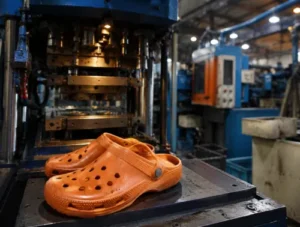
What Happens Next for footwear factory setup machines
The footwear sector will likely adopt smarter automation during the next five years. AI-assisted monitoring and energy-efficient systems are gaining industrial attention.
Emerging trends that will shape footwear factory setup machines by 2027
- Smart production monitoring systems
- Eco-friendly EVA compounds
- Low-energy hydraulic systems
- AI-based defect inspection
- Robotic trimming technologies
Industry suppliers expect export-oriented factories to adopt fully automated systems soon.
Real Factory Perspective from Vatsntecnic
A production supervisor from a North India footwear factory shared operational results after installing automated molding equipment.
The factory reduced material wastage by nearly 18%. Moreover, production speed improved during peak seasonal demand.
Operators also reported easier machine handling and lower downtime frequency.
This case highlights how footwear factory setup machines directly improve profitability and operational stability.
Conclusion
The Indian footwear industry continues expanding through automation and modern manufacturing systems. Factories investing in advanced equipment now achieve faster production and improved consistency.
Moreover, machine-based manufacturing helps businesses reduce labor dependency and increase scalability. Therefore, understanding footwear factory setup machines is becoming essential for long-term industrial success.
Growing Opportunity
India’s footwear market offers strong growth opportunities for startups and exporters. Government incentives and export demand continue supporting industrial expansion.
Additionally, affordable machinery options now allow smaller businesses to enter footwear manufacturing with lower investment barriers.
Future of the Footwear Industry
The future of footwear production will depend heavily on automation, sustainability, and energy-efficient machinery.
Experts expect smart molding systems and AI-based quality monitoring to dominate the next generation of factories. Consequently, manufacturers adopting modern systems early may gain stronger market advantages.
https://www.indiamart.com/vatsntecnic/profile.html
To read More about Footwear Making Machine Visit Here.
FAQ: Frequently Asked Questions
Which machine is most important in footwear manufacturing?
The EVA injection molding machine remains essential for modern slipper and Crocs production.
How much investment is required for a small footwear factory?
Small semi-automatic setups may begin with moderate industrial investment levels.
Which material is commonly used in sole production?
EVA, PU, and rubber compounds are widely used in footwear manufacturing.
Can small businesses start footwear manufacturing?
Yes. Many startups begin with semi-automatic machines and expand gradually.
Why are automated systems becoming popular?
Automation improves consistency, production speed, and operational efficiency.