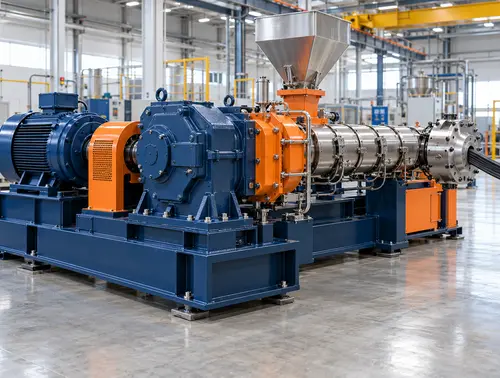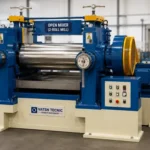
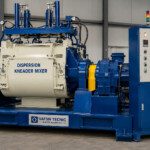
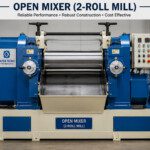
 Rubber Hot Feed Extruder
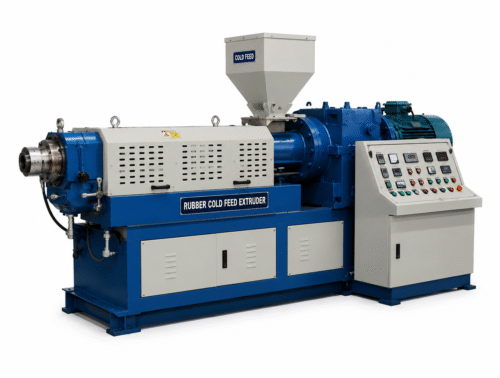 Rubber Cold Feed Extruder
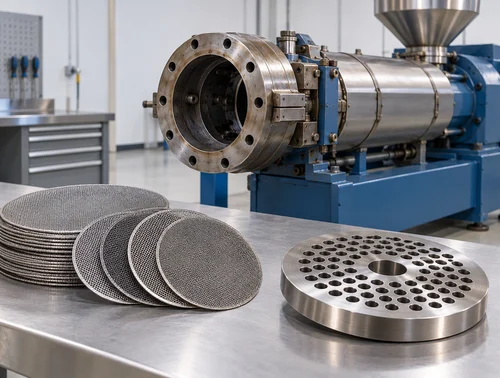
 Rubber Strainer – Reclaim Extruder
 Reclaim Rotary Autoclave
 Compression Molding
 Injection Molding
 Vacuum Molding
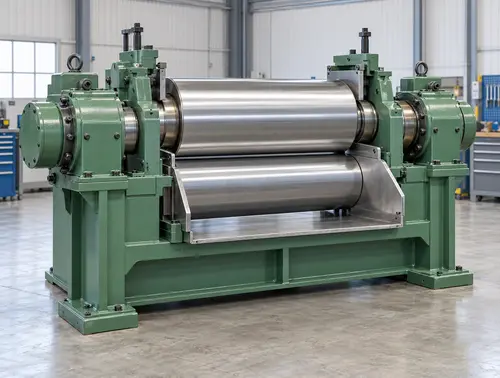
 Rubber EVA Refiner Mill
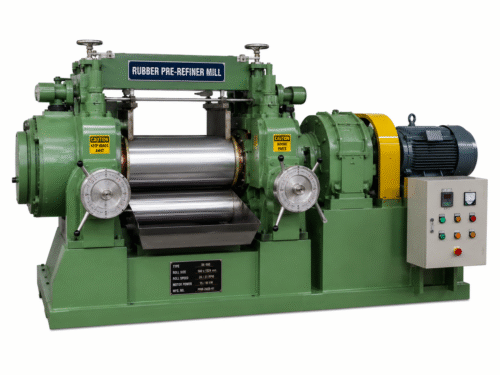 Rubber Pre-Refiner Mill
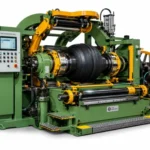
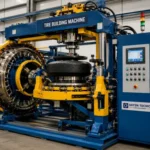 Tire Building Machine
 Tread & sidewall Extruder
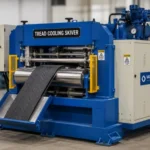 Tread Cooling skiver
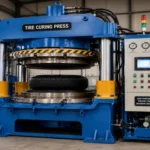 Tire curing press

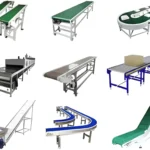
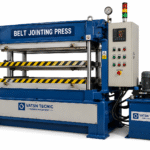 BELT JOINTING PRESS
 Belt Building Machine

 Eva Footwear Injection Molding Machines
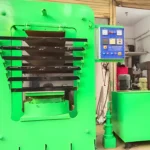 Hawaii Slipper Sole Sheet Machine
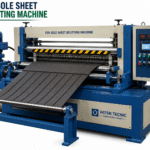 Eva Sole Sheet Splitting
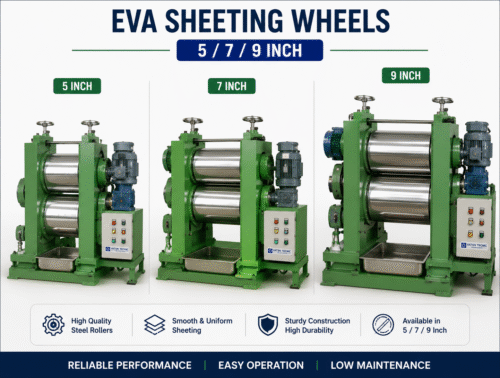 Eva Sheeting Wheels 5/7/9
 PVC Flooring Machine
 Plastic Pelletizing Line
 Filler / Masterbatch / PVC / TPR / EVA
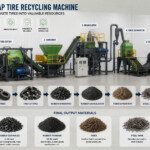
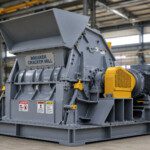 Breaker – Cracker Mill
 Shredder – Rasper Machines
 Waste Rubber Crumb Grinder Mill
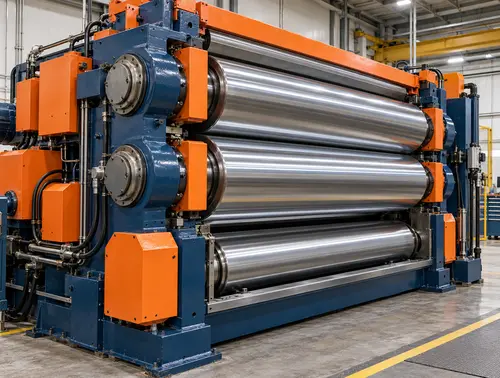
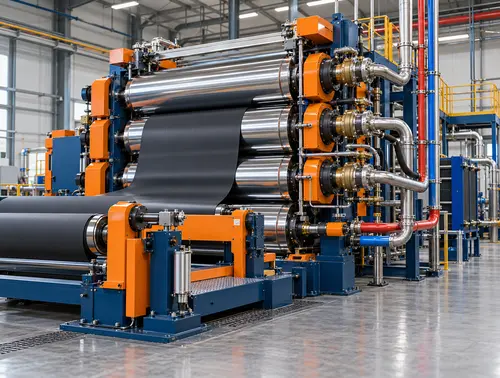
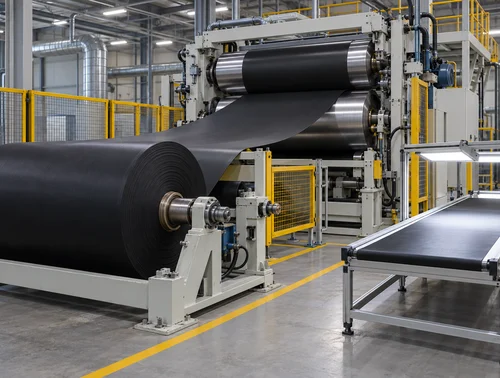
Compare Rubber Calendar Machine in China: Three-Roll or Four-Roll


Quick answer: Choosing a rubber calendar machine in China comes down to the number of rolls and what you need to produce. Three-roll calenders suit sheeting and frictioning; four-roll calenders suit thin, precise sheets and fabric coating. Decide the product first, then the configuration, then the condition.
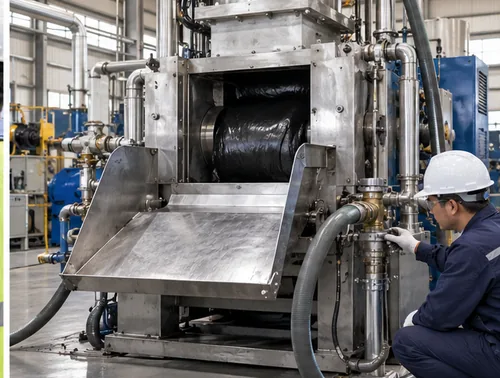
Most buyers searching for a rubber calendar machine in China start with price and finish with a machine that does not match their product. The configuration decides what the machine can make, how much floor it needs, and how much power it draws. Getting that wrong is far more expensive than paying a little more for the right machine.
This guide covers the two configurations you will be offered, the condition evidence that matters, and the questions to settle before a container is booked.
Three-roll or four-roll: start from the product
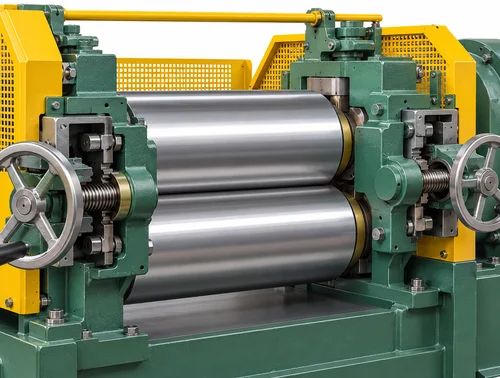
Every calender does the same basic job: it forces rubber through a series of gaps between heated rolls to produce a sheet of controlled thickness. The number of rolls determines how many gaps you have, and therefore how many times the compound is worked and how thin you can go.
Three-roll calenders
A three-roll calender gives two gaps. It is simpler, shorter, easier to thread and cheaper to maintain. It handles sheeting for general products, frictioning of fabric and applications where a single sheet of moderate thickness is acceptable. Most small and mid-sized plants can run their entire range on a three-roll machine.
Four-roll calenders
A four-roll calender gives three gaps and can produce very thin sheets, skim coatings and laminated structures in one pass. It is longer, heavier, needs more precise roll bending correction, and demands better temperature control across all four rolls. If your product mix includes thin technical sheets or coated fabric, this is the configuration to plan for.
| Configuration | Best for | Limitation | Site impact |
|---|---|---|---|
| Three-roll | Sheeting, frictioning, general rubber goods | Thin sheets need multiple passes | Shorter footprint, lower connected load |
| Four-roll | Thin technical sheet, skim coating, laminates | Higher cost, tighter temperature control | Longer foundation, more cooling capacity |
Inspecting the rolls before anything else
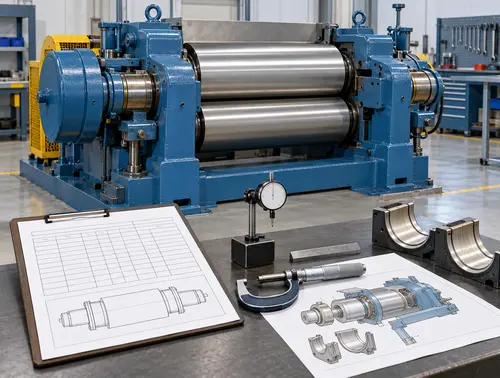
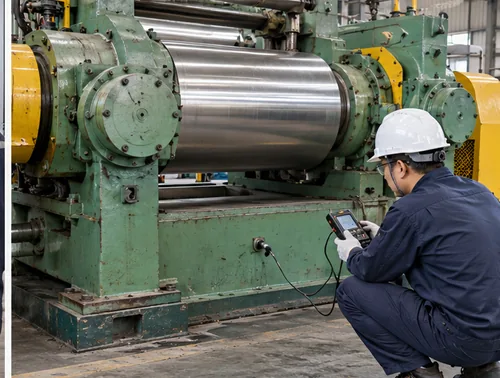
Rolls are the heart of the machine and the most expensive thing to replace. A calender with worn rolls is not a bargain at any price. Check the surface for grinding marks, scoring, hard-facing repairs and evidence of corrosion under the chrome. Then check the geometry: a roll that is straight but crowned incorrectly will produce a sheet that is thick in the middle and thin at the edges, and no operator adjustment will fix it.
Ask for the grinding history. A roll that has been reground several times is thinner than original and its stiffness has changed. Ask for the measured diameter at both ends and in the middle, and compare the three figures. This is the single most useful piece of paper a seller can give you.
Reading condition evidence
| Evidence | What it suggests | Action |
|---|---|---|
| Grinding marks across the full face | Recent regrind, possibly to remove damage | Ask when, and for the measured diameters |
| Hard-facing patch near one edge | Local damage or previous repair | Inspect for cracks at the patch boundary |
| Uneven sheet thickness across the width | Crown or bending compensation problem | Test with a strip run before purchase |
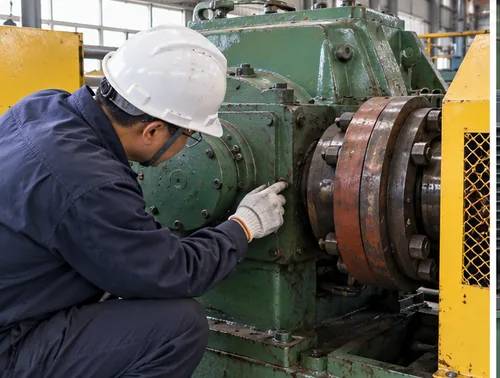
| Oil weeping at the bearing housing | Seal wear, possible bearing damage | Check bearing temperature on a run |
Temperature control and utilities
Calenders are thermal machines as much as mechanical ones. Each roll needs its own controlled circuit, and the difference between rolls is part of the process. Confirm whether the machine uses water or oil, what flow and pressure each roll expects, and whether the rotary unions are serviceable. On a used machine from China, check that the unions and hoses match the supply you can provide; fittings are cheap, but a mismatched thermal circuit will stop commissioning.
Also confirm the connected electrical load and the starting method. Four-roll machines with large drives may need a soft start or a variable-speed drive, and that changes your panel and cable sizing.
Buying across a border: what to settle in writing
A machine bought from China needs a clear scope before shipment: what is crated, what is removed for transport, what documentation travels with it, and who is responsible for commissioning support. Ask for the foundation drawing and the utility schedule in the same package as the quotation. If the seller cannot provide them, the machine will be harder to install than it needs to be.
Inspect before crating, or appoint someone who will. Photograph the serial plate, the roll surfaces, the bearing housings and the control panel. Once the container is sealed, your leverage ends.
Evaluating a calender? Vatsn Tecnic supplies new, used and refurbished rubber processing machinery. Send your product specification and target sheet thickness, and ask which configuration fits before you shortlist machines.
To read More about Rubber Making Machine Visit Here:
https://www.indiamart.com/vatsntecnic/profile.html
Frequently asked questions
Is a three-roll calender enough for general rubber sheeting?
For most general sheeting, yes. A three-roll machine produces a controlled sheet in a single pass and is simpler to maintain. Thin technical sheets usually need a four-roll machine.
How do I check roll condition before buying from China?
Ask for measured diameters at both ends and the middle, the grinding history, and photographs of the full roll face. Compare the three diameter readings and inspect for repairs near the edges.
What does roll crowning actually do?
It compensates for the deflection of the roll under load so the sheet comes out even across the width. An incorrectly crowned roll produces a sheet that is thick in the middle and thin at the edges.
What utilities does a calender need?
Each roll needs a controlled thermal circuit, usually water or oil, at a specified flow and pressure. You also need compressed air for the nip and accessories, and a power supply sized for the drive and starting method.
Can a four-roll calender run three-roll work?
Often yes, but it costs more to buy, more to run and takes more floor space. If your product mix does not need thin sheets or coating, the extra roll is capacity you are paying for without using it.
What documentation should arrive with the machine?
Foundation drawing, utility schedule, electrical schematic, operating manual and the inspection report. Ask for these in the quotation so they are part of the contract rather than a later request.
How long should installation take?
It depends on whether the foundation exists. A calender needs a level, isolated foundation and a cured grout before alignment, so the civil work usually sets the timeline rather than the machine itself.
What is the biggest installation mistake?
Underestimating the thermal circuit. Buyers plan the foundation and the power, then discover the roll cooling requirement is larger than the plant can supply.